 Add Row
  Add
Add 









- Is your tree truly waking up for spring—or hiding danger in plain sight? Discover how dead tree identification in spring protects your property before storms strike.
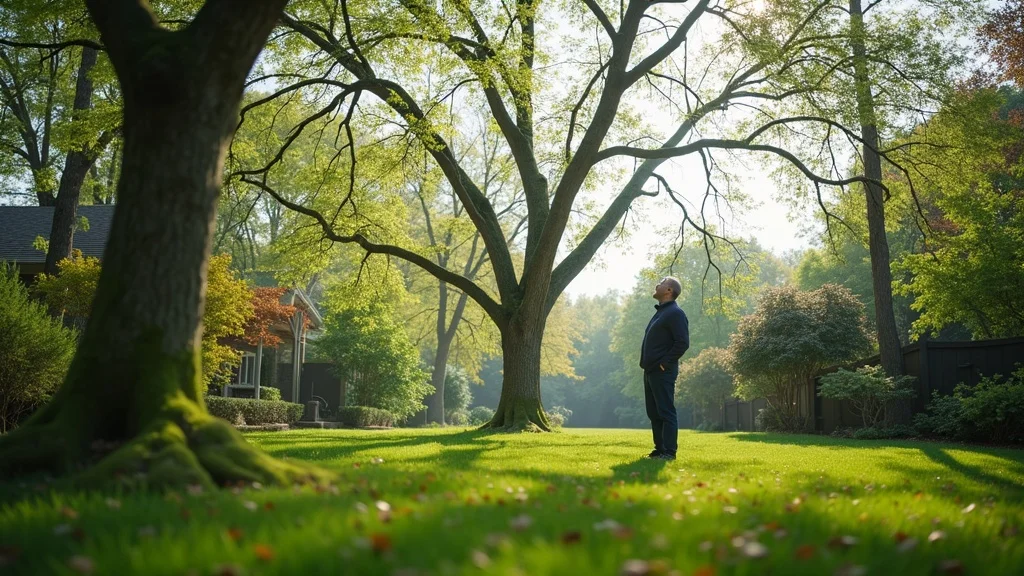
Can You Spot Trouble Early? Why Dead Tree Identification in Spring Matters
Spring’s arrival should bring a flush of green leaves and renewed life to your yard. But not all trees wake up for the season—some stay stubbornly bare, masking real hazards. Dead tree identification in spring is more than just a matter of curb appeal; it’s vital to protecting your home, property, and family from the ravages of storms. When a tree is dead or dying, it loses the resilience healthy trees possess to withstand wind and rain, posing a serious safety risk as storms approach.
Homeowners and property managers who act fast by learning to identify trees in trouble can save thousands in storm-related damages and avoid catastrophe. Early recognition means you can arrange tree removal or professional assessment before rotting branches or unstable trunks become a direct threat. By checking for warning signs in spring—well before summer storm season peaks—you ensure that hidden dangers like dead branches, fungal growth, or hollow trunks don’t have a chance to cause harm when gusty winds begin. Whether you’re new to tree care or a seasoned tree owner, tackling dead tree identification in spring should be a top priority for every responsible homeowner.
What You'll Learn About Dead Tree Identification in Spring
- Recognizing the signs of a dead or dormant tree in spring
- Distinguishing between a tree that is dead, dying, or simply late to leaf out
- Key indicators that a dead tree might pose an urgent safety hazard
- Expert techniques for hands-on dead tree identification in spring
- How to act fast if you spot a dead or dying tree before storm season
Understanding Dead or Dormant: Tree Life Cycles and Seasonal Clues
How to Tell if Your Tree is Dead or Dormant in Spring
- Spotting seasonal dormancy vs. the appearance of a dead tree
- Springtime tree id: Bud break, green leaves, and growth signals
- Dead tree vs. dormant: Common misunderstandings
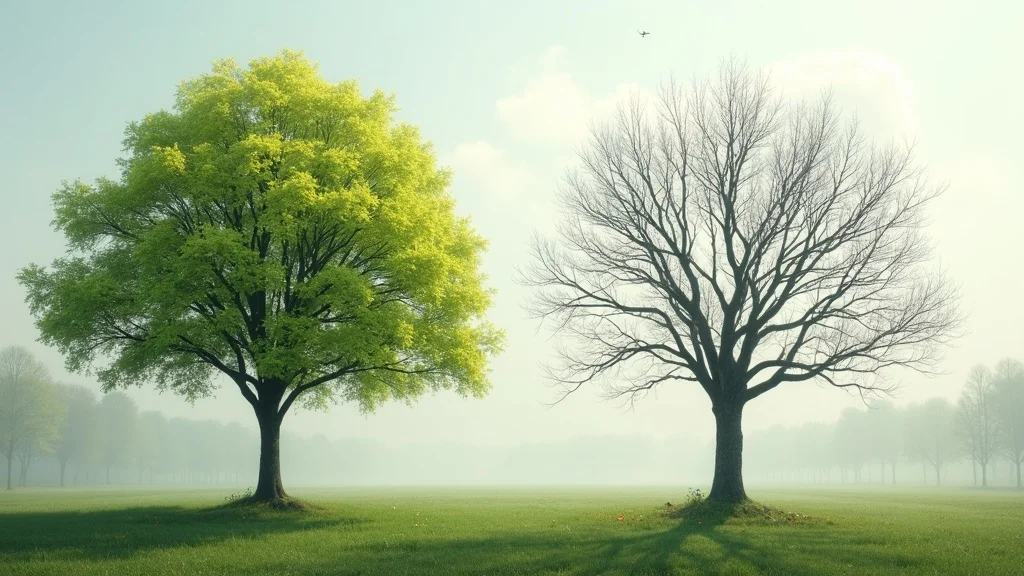
Not every bare tree in early spring is in trouble. Many deciduous trees naturally drop or shed their leaves during fall and remain leafless through winter. Dormancy is a survival strategy where trees conserve energy until warm temperatures and longer days signal them to wake up. The key in dead tree identification in spring is being able to tell if your tree is simply slow to leaf out or actually lifeless.
Look closely at your tree compared to others of the same species nearby. If most trees are showing healthy growth, bud break, and green leaves, but yours is still bare, it’s a red flag. Dormant trees might be slightly behind, but shouldn’t lag by more than a week or two. Be aware that some tree species, like oaks, leaf out later, so always compare against similar types. If in doubt, consult a certified arborist for expert help.
Key Signs of a Dead Tree in Spring
Recognizing Dead Wood and Dead Trees
- Absence of green leaves when other trees leaf out
- Brittle branches, peeling bark, and fungal growth
- Tree is dead: Testing twigs for life
- Dying tree: Warning signs before total decline
Dead trees are easy to spot once you know what to look for. The clearest sign is the absence of green leaves while healthy trees nearby are leafing out. If spring has fully arrived but certain trees still sport bare branches, check for other symptoms like brittle branches that snap easily, peeling bark, or mushroom and fungal growth at the base. Fungal presence signals rot and decay, indicating the tree is dead or dying.
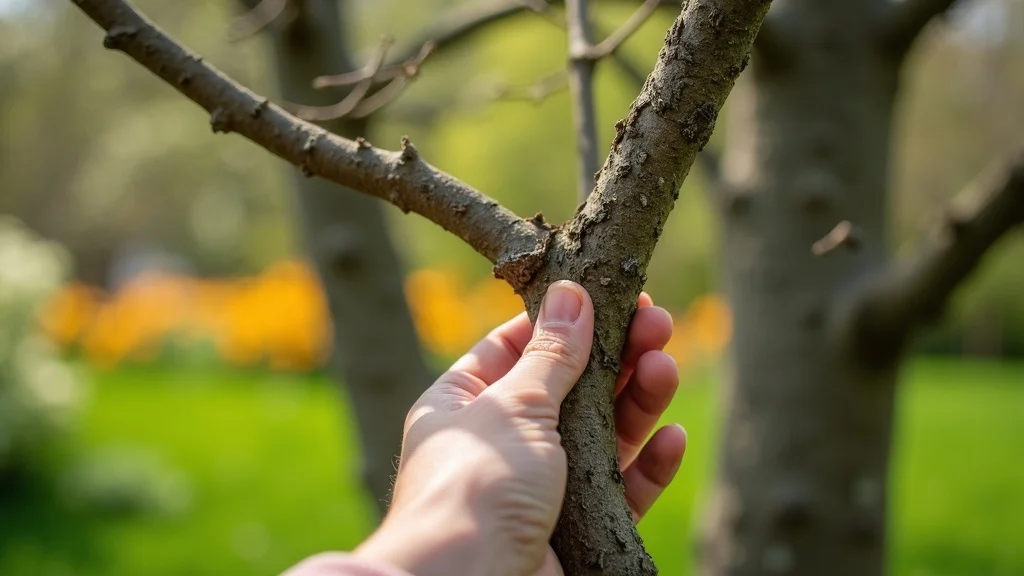
Test suspected branches with a simple scratch test: gently scrape away a bit of bark on a small twig. If it’s green and moist underneath, the tree is alive. If it’s brown, brittle, and dry, the tree is dead or severely stressed. Dying trees might show partial leaf-out, thinning crowns, or areas with no new growth. Acting early can save property and even lives, especially as storms increase the risk of hazardous branches falling.
While learning to spot dead or dying trees is crucial for storm safety, it's also important to consider how your overall landscape health can impact tree vitality. For example, advancements in smart irrigation technology are helping homeowners maintain healthier lawns and trees by delivering water more efficiently, which can reduce stress and disease in your landscape.
Dead Trees vs. Dying Trees: Spotting the Difference
Progression from Dying Tree to Dead Tree and Why It Matters
- Common symptoms of a tree is dying: wilting, thinning crown, leaf discoloration
- Evaluating dying tree branches and trunk health
- How a dying tree becomes hazardous in storm season
The journey from dying tree to dead tree can be subtle yet dangerous. Dying trees often show warning signs long before they become fully lifeless, such as wilting leaves, a thinning crown, or sections with discolored foliage. These symptoms may be caused by diseases and pests, drought, or damage to roots and trunk. Pay close attention to the health of trunk and larger branches—vertical cracks, oozing sap, or visible wounds are causes for concern.
A dying tree often still supports some living tissue, but compromised structure means branches can snap unexpectedly, especially during storms. As health declines, roots lose their anchoring power, turning the tree into a ticking time bomb. The difference between dead trees and dying trees comes down to urgency: Both require attention, but a dead tree or branch poses an immediate safety risk and should be addressed before severe weather strikes.
Table: Quick Comparison – Dead or Dormant, Dying Tree, or Alive?
| Tree Condition | Leaf/Bud Presence | Branch Flexibility | Bark Health | Additional Signs |
|---|---|---|---|---|
| Dead Tree | None | Brittle, snaps easily | Peeling, cracking, falling off | Fungal growth, hollow trunk, no green under scratch test |
| Dormant Tree | No leaves, healthy buds | Flexible, bends without breaking | Intact, firm | Twigs green under scratch test |
| Dying Tree | Few leaves, discoloration, thin crown | Some dead, some living | Areas peeling, wounds visible | Wilting, partial leaf-out, vertical cracks |
| Tree is Alive | Healthy, abundant green leaves and buds | Very flexible, full growth | Fully intact, vibrant | No disease, strong structure |
Hands-On Dead Tree Identification in Spring: Step-by-Step Guide
- Inspect for green leaves and live buds
- Try the scratch test on twigs for signs of life
- Look for mushroom or fungus growth—dead tree warning
- Check branch flexibility and brittleness
- Observe bark color, cracks, and peeling
- Examine tree trunk for wounds or decay
Use this practical guide to check your trees as soon as spring growth begins. Start by looking for green leaves and bud development; if they’re missing, compare with nearby healthy trees. Perform the scratch test to reveal a tree’s internal health. Mushrooms, shelf fungi, or conks at the trunk’s base signal that decay is advanced and likely irreversible.
Check branches—healthy ones are flexible and resist breaking, while dead branches snap cleanly with little effort. Bark condition is essential; peeling, cracking, or falling bark usually means underlying tissues have died. Finally, inspect the trunk for wounds, holes, or soft, rotten areas. If you spot several symptoms, contact a certified arborist for an expert evaluation before storm season escalates the risk.
Safety First: Addressing Dead Trees Before Storms
Why Identifying a Dead or Dying Tree Is Crucial for Storm Damage Prevention
- Potential hazards of leaving dead trees standing
- How dead tree branches and weak roots threaten property
- Pre-storm mitigation: Acting quickly after dead tree identification in spring
Dead or dying trees are accidents waiting to happen, posing a direct safety risk to homes, cars, utility lines, and anyone passing beneath. During storms, dead branches and rotting trunks can break away, while trees with weakened roots may topple altogether, causing costly or even irreparable damage. That’s why dead tree identification in spring is so critical—addressing these hazards early greatly reduces the chance of trouble when storm winds rise.
Taking quick action—such as scheduling a professional evaluation and removal—protects both people and property. Pre-storm mitigation is more cost-effective than emergency response and can prevent tragic outcomes. Storm preparedness begins long before dark clouds gather; it starts with a careful look at every tree on your lot. Remember: a tree may look sound until stress from storms exposes hidden weaknesses, turning a manageable problem into an urgent safety emergency.

Expert Insight: Arborist Quotes on Dead Tree Identification in Spring
"Spring is when hidden risks become visible. Early dead tree identification is the first defense against preventable storm damage." – Certified Arborist
"A dead or dying tree isn't just unsightly—it can become a safety emergency when storms hit." – Tree Care Specialist
Lists: Common Springtime Tree ID Mistakes to Avoid
- Confusing dead trees with slow-leafing species
- Ignoring fungal growth or mushrooms at the base
- Overlooking brittle or hollow branches
- Not recognizing thinning crowns and premature leaf drop
Dynamic walkthrough video showing step-by-step springtime dead tree identification: watch as an expert examines leaves, performs the scratch test, checks for fungal growth, and highlights hazard signs every homeowner should know.
How-To Dead Tree Identification in Spring (Visual Examples)
People Also Ask: Dead Tree Identification in Spring
How to identify dead trees?
- Check for absence of green leaves, brittle branches, mushroom or fungus growth, and bark falling off. Scratch a twig to see if it's green inside; brown and dry means likely dead.
Is it dead wood or deadwood?
- ‘Dead wood’ refers to specific dead branches or sections on a tree, while ‘deadwood’ can mean debris or any non-living wood. In dead tree identification in spring, both terms help spot problem areas.
How to tell if a dead tree is about to fall?
- Warning signs include significant lean, exposed roots, soft or rotting base, and large cracks or cavities in the trunk. Dead trees near structures or walkways pose the highest risk.
What does a dead or dying tree look like?
- A dead or dying tree will typically have few or no green leaves, extensive dead branches, cracking or peeling bark, and visible fungal growth. Dying trees may have partial leaf-out or thinning crowns.
FAQs on Dead Tree Identification in Spring
-
Can a tree recover from appearing dead in spring?
Sometimes, a tree delayed by late frosts or specific species traits will leaf out later in spring. However, if there are no signs of life (no bud swell, total dryness, or fungal growth), recovery is unlikely. Consult a certified arborist if you are uncertain. -
Is it safe to remove a dead tree by yourself?
Tree removal, especially when dead wood has compromised structure, can be extremely dangerous. It’s best—and often required by law—to use a professional arborist for safe removal. -
How often should homeowners check for dead trees?
It’s wise to do a thorough inspection every spring and again after major storms. Regular checks keep your property safe and help catch problems before they become critical. -
Do some tree species leaf out later than others?
Yes, tree species vary in timing. Oaks, hickories, and some other deciduous types may leaf out weeks later than maples or cherries. Always compare your tree to others of the same species in your area.
Key Takeaways for Homeowners on Dead Tree Identification in Spring
- Early dead tree identification in spring prevents costly storm damage.
- Distinguish between dead, dying, and dormant trees with proven arborist techniques.
- Act promptly if you spot a dead or high-risk tree—your safety and property depend on it.

Ready to Act? Get Expert Help for Dead Tree Identification in Spring
- Call us at 203-271-7991 or email us at robert@treeguardiannews.com for professional dead tree assessment and removal.
Act now—don’t risk your safety by waiting. Identifying and removing dead trees before storm season is the best protection you can offer your home and loved ones.
If you’re committed to keeping your landscape resilient year-round, consider how emerging technologies can further safeguard your property. Innovations like smart irrigation systems are transforming the way homeowners care for their lawns and trees, making it easier to maintain healthy root systems and prevent stress-related decline. To discover how the latest advancements in irrigation could complement your tree care efforts and help you stay ahead of seasonal challenges, explore our in-depth look at how Irrigreen’s smart irrigation technology is set to revolutionize lawn care. Investing in proactive solutions today means a safer, greener tomorrow for your home and landscape.



Write A Comment