









Did you know? Homeowners lose thousands of healthy trees every year because they confuse a dormant tree for a dead one after winter — putting property, people, and landscapes at risk. This spring dead tree identification guide helps you quickly recognize dead or dying trees, so you can take action before your yard’s health and safety are compromised.
A Startling Reality: Why Spring Dead Tree Identification Is Crucial for Recovery
As spring breathes life into yards and forests, not every tree bounces back from winter’s harsh grip. The spring dead tree identification guide becomes invaluable when rapid seasonal changes leave some trees compromised. Dead or dying trees often go unnoticed until they show signs of decay, risking sudden limb drop or entire trees that can fall unexpectedly with the next heavy rain or wind. Spotting a dead tree as early as possible prevents its hidden risks from threatening nearby healthy trees, structures, or your family.
Dead trees in spring are especially dangerous because winter damage and declining tree health become visually obvious just as people begin to use their outdoor spaces again. If left unchecked, a dying tree can disrupt your landscape, spread disease, and create a potential hazard right where you least expect it. Early identification and immediate action help ensure fast recovery, preserving the natural beauty, safety, and value of your property post-winter.
Understanding Winter Damage and Its Effects on Dead Trees
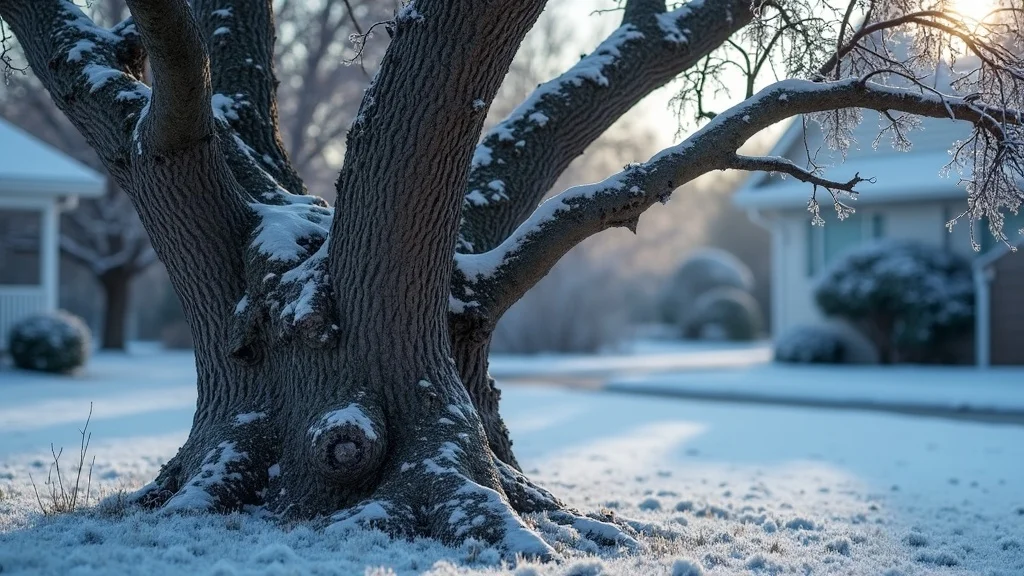
Winter brings freezing temperatures, heavy snow, and ice, all of which can damage a tree’s roots, trunk, and branches. By spring, the signs of winter’s toll—such as cracked bark, peeling bark, or limp, dead branches—can signal trouble. Sometimes, otherwise healthy-looking trees can appear lifeless due to internal injuries or compromised root systems. Recognizing these issues early is crucial: waiting until later seasons may be too late for recovery. The spring dead tree identification guide ensures homeowners and landscapers aren’t caught off guard by the lingering effects of winter’s destructive reach.
Prolonged cold snaps can kill young roots or weaken older ones, leaving the tree unable to take up water and nutrients as the ground thaws. Fungal growth often appears on bark or at the base of the tree, exploiting wounds made by snow or ice—a sure warning that decay is taking hold. Dead or dying trees also attract insects and pests, compounding the threat to your landscape. Knowing the difference between winter dormancy and true mortality is the first step to maintaining a healthy tree population this spring.
“Trees that suffer unnoticed damage over winter may become hazardous by spring — timely dead tree identification is vital.”
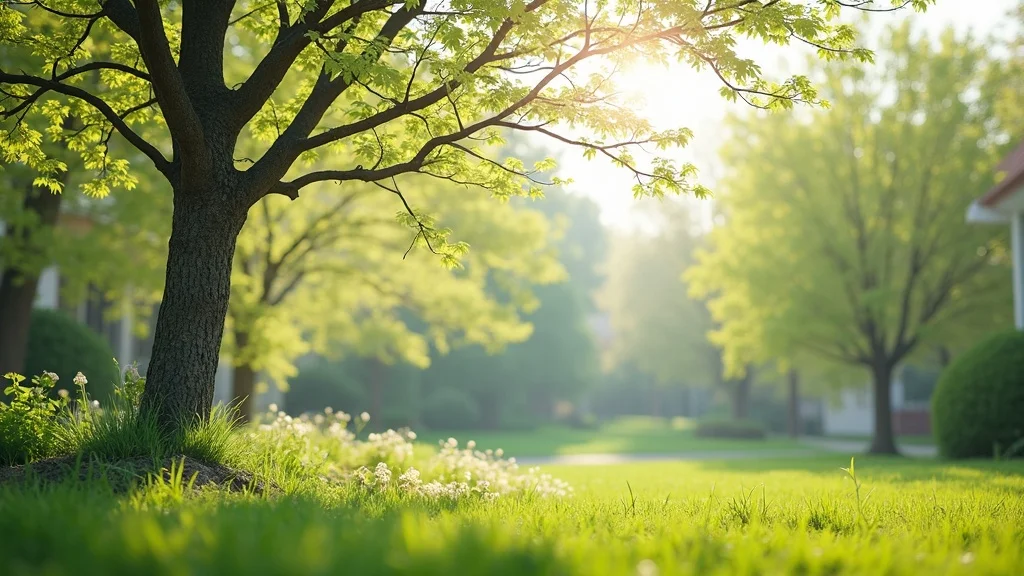
What You'll Learn from This Spring Dead Tree Identification Guide
- Key signs a tree is dead or dying
- How to differentiate between a dead tree and a dormant or stressed tree
- Practical steps in your tree identification process
- What actions to take once you’ve identified a dead or dying tree
Table: Quick Reference for Spring Dead Tree Identification Signals
| Visual Signal | What It Means | Action Needed |
|---|---|---|
| No green leaves in spring | Possible dead tree | Conduct scratch test |
| Fungal growth on bark | Possible dying tree | Inspect root and trunk stability |
| Cracked or brittle branches | Indicator dead or dying tree | Prune/test for live tissue |
How to Identify a Dead Tree in Spring: Step-by-Step Guide
Visual Cues: Spotting a Tree Dead from a Distance
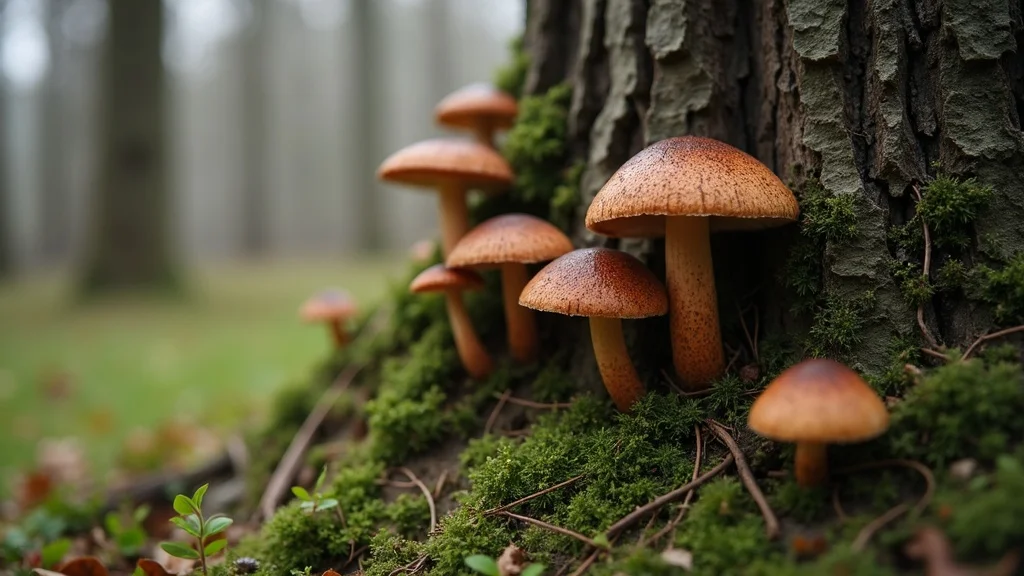
Begin your spring dead tree identification walk by visually comparing your trees to others in the landscape. Dead or dying trees stand out when neighboring trees boast lush, green leaves while one remains barren. A tree that fails to sprout green leaves long after others have, especially in favorable spring weather, is signaling a problem. Similarly, if you see bark falling off in sheets or patches, or you notice mushrooms growing on the trunk or at the base of the tree, these are classic signs of decay and compromised tree health.
Additionally, look for obvious signs of physical trauma, such as branches snapped or split from winter storms. If the tree’s silhouette shows sparse or brittle branches, missing bark, or unusual discoloration, it could be more than just slow to awaken; it might be dead or dying. Comparing these cues with those of a healthy tree nearby can help determine whether you’re seeing natural variance or clear indications of tree mortality. Early recognition—before summer storms arrive—is key to managing any potential hazard.
- No green leaves while surrounding trees flourish
- Bark falling off or excessive fungal growth
- Visible structural damage from winter storms
The Scratch Test: Quick Confirmation for Tree Is Dead or Alive
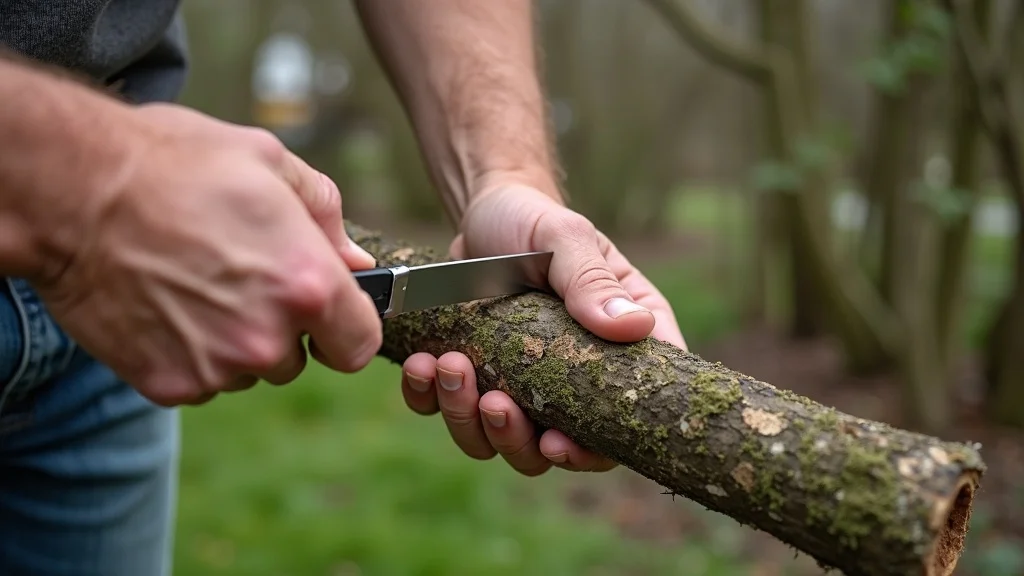
If you can’t immediately determine whether a tree is dead, the scratch test is a simple yet reliable way to check for vital life signs. Using a utility knife or your thumbnail, gently scrape away a thin layer of bark from a small twig or a lower branch. If you find moist, green tissue beneath the outer layer, your tree is alive. If the layer underneath is dry and brown, the tree is likely dead. This test is quick, non-destructive, and highly effective in differentiating between genuine mortality and a late-blooming healthy tree.
Be sure to select a twig or section of bark that seems healthy—avoid dead, brittle branches that are already shedding bark, as these won’t reflect the overall state of the tree. Perform the scratch test on different areas of the tree if you discover mixed results, especially on larger specimens. A healthy root system will distribute moisture and keep the inner bark green, while a dying tree that has lost its root health will turn brown and dry from the inside out. For maximum accuracy, combine the scratch test with other visual cues outlined in this identification guide.
- How to perform a scratch test accurately
- Interpreting the color and moisture of inner bark
Assessing Tree Health: Signs Your Tree Is Alive Versus Dead or Dying
A healthy tree will display emerging buds, flexible branches, and vibrant green leaves as spring progresses. The distinction between dormant, stressed, and dying trees is often in these small details. Buds on living trees should feel supple and eventually burst into leaf; in contrast, a dying tree might show shriveled or missing buds altogether. Flexibility is a good indicator of life; living branches usually bend without snapping, while those on a dead tree break easily, indicating no moisture or sap within.
Assess other vital indicators, such as firmness of the trunk and the state of the bark. A tree with soft, punky wood, deep cracks running up the trunk, or peeling bark may be past the point of recovery. Fungus growing at the base or in cracks is another bad sign, as it often signals irreversible decay in the root system. Use a combination of these methods—comparing leaves, checking flexibility, and performing the scratch test—for the most accurate spring dead tree identification.
- Look for bud development and green leaves
- Check branches for flexibility and moisture
Living Versus Dead: How to Differentiate Between a Dormant or Dying Tree
After harsh winters, many trees and shrubs may appear lifeless, but a careful eye can tell dormant survivors from true fatalities. Dormant trees often resume growth as temperatures rise, but a dead or dying tree will not, regardless of changes in weather. Look for seasonal cues: Do the buds swell and leaf out as spring progresses, or do branches remain bare and brittle? Conduct the scratch test if you’re unsure whether the tree is simply late waking up or genuinely gone.
Fungal growth, especially at the base of the tree or on areas of peeling bark, typically signals decay rather than stress or simple dormancy. Likewise, brittle branches and significant bark loss are more consistent with a dead tree than a healthy tree emerging from winter rest. By following this guide, you’ll avoid common misidentifications and take appropriate action to maintain the vitality of your landscape.
- Seasonal cues and common misidentifications after harsh winters
- Role of fungal growth and bark condition
Common Causes of Springtime Dead or Dying Trees
A tree that does not recover in spring may have succumbed to winter frost damage, root injury, pests, or fungal infection. Winter frost damage can create deep cracks in bark and disrupt the tree’s internal plumbing, leaving it unable to transport water even after thaw. Root injury from freezing—often invisible at the surface—prevents moisture from reaching up to the branches, hastening dieback once growth resumes. Sometimes, signs of pest infestations only become apparent as the weather warms, with boreholes, sawdust, or sudden leaf loss.
Persistent fungal growth at the base or along the trunk signals that decay has set in, feeding on dying tissues and accelerating the decline. These factors act together, preying on weakened or injured trees and overwhelming their ability to bounce back after winter. By using this spring dead tree identification guide to recognize these causes early, you improve your chances of saving stressed trees or replacing dead ones before they become dangerous liabilities.
- Winter frost damage
- Root injury from freezing
- Pest infestations revealed after thaw
- Persistent fungal growth
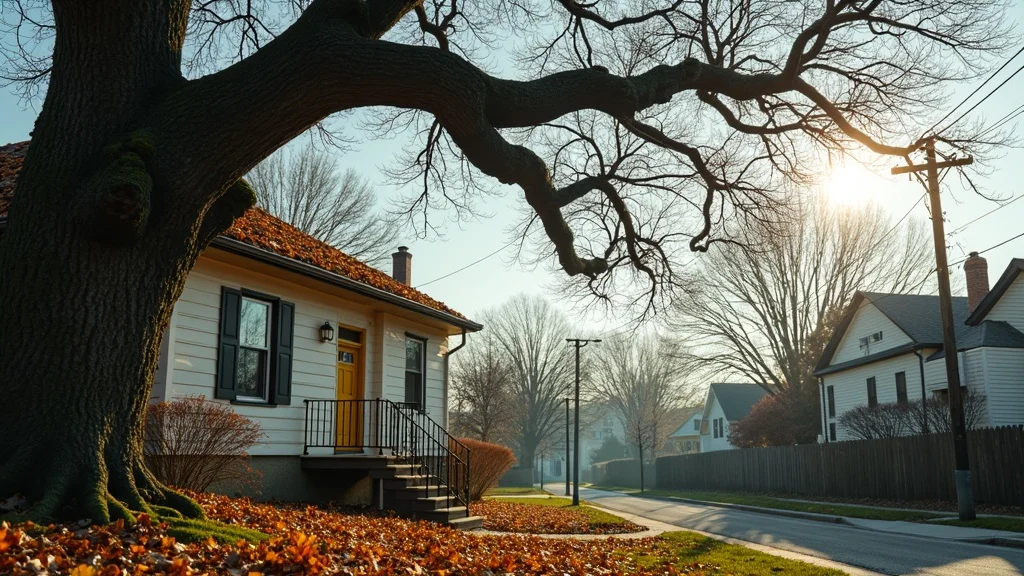
When to Worry: Warning Signs a Dead or Dying Tree Might Be Hazardous
Some dead or dying trees go from unsightly to dangerous overnight. Key signals that a tree dead poses a risk include cracking at the base of the tree or along the trunk, especially if the tree leans unnaturally or the ground has shifted. Large dead branches overhanging roofs, play areas, or driveways are an immediate red flag: they can break loose without warning, especially during spring storms or wind.
Don’t underestimate the potential hazard; trees in this condition can fall unexpectedly, causing property damage or even injury. If you spot any of these warning signs during your spring assessment, act quickly. Immediate pruning or removal by a certified arborist is necessary to keep your property, family, and neighbors safe. Document the problem, avoid standing or parking beneath the dead or dying tree, and prioritize these hazardous cases in your spring maintenance plans.
- Cracking at the base or trunk
- Leaning unnaturally
- Large dead limbs over structures
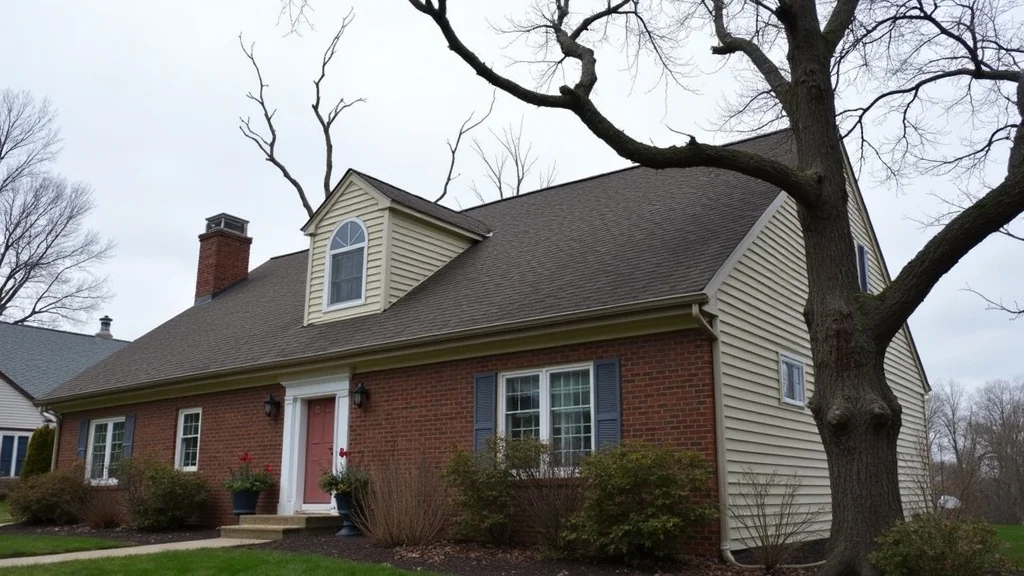
Key Actions: What to Do if You Find a Dead Tree This Spring
If your spring dead tree identification process points to a confirmed dead or dying tree, your priority is safety. Begin by consulting a certified arborist to assess the tree’s stability and the best removal strategy. Attempting to prune or remove a large dead tree without proper knowledge or safety gear is risky—trunks can snap, and limbs may fall unexpectedly. A professional can identify hidden dangers, use the right equipment, and safely remove hazardous trees.
For smaller trees or dead branches, you can increase safety by following recommended trimming practices: wear high-visibility safety gear, clear the area around the tree, and never attempt to remove limbs that overhang structures. Dispose of material following local regulations to prevent disease or pests from spreading in the neighborhood. Above all, act quickly once you confirm a tree is dead—swift removal helps protect your property and the broader landscape from further harm.
- Consulting a certified arborist after using this spring dead tree identification guide
- Safe trimming and removal best practices
While identifying dead or dying trees is essential for landscape safety, it's equally important to consider how your overall yard care practices can impact tree health. For example, advancements in smart irrigation technology can help prevent stress and decline in trees by ensuring they receive optimal water throughout the growing season. Discover how innovative solutions are shaping the future of lawn and tree care in this overview of Irrigreen's smart irrigation breakthroughs.
Lists: Essential Tools for Accurate Spring Dead Tree Identification
- Sharp pruning shears
- Utility knife for scratch test
- High-visibility safety gear
People Also Ask About Spring Dead Tree Identification Guide
What is the 10/20/30 rule for trees?
The 10/20/30 rule is a tree diversity guideline, suggesting no more than 10% of a single species, 20% of a single genus, or 30% of a single family to prevent widespread losses from disease or pests. While not directly linked to dead tree identification, it helps avoid mass dieback.
How to identify a dead tree?
Identifying a dead tree involves evaluating leaf budding in spring, checking for green leaves or brittle branches, performing the scratch test, and assessing for fungal growth or significant bark loss. If all indicators suggest lifelessness, use a professional identification guide for confirmation.
What is the 5 15 90 rule tree felling?
The 5 15 90 rule is a guideline for felling trees: 5% of trees should be large, mature specimens; 15% should be young, and the remaining 90% should be middle-aged. This is a forest management practice and does not directly apply to spring dead tree identification, but healthy age distribution helps reduce dead or dying trees.
How to tell if a dead tree is about to fall?
Warning signs that a dead tree is about to fall include newly formed leans, cracked soil around the base, audible creaks or pops, and sudden structural splits after winter. If you identify these signs during your spring dead tree identification inspection, contact an arborist immediately.
FAQs: Spring Dead Tree Identification Guide Essentials
-
Can a tree recover after appearing dead in spring?
Sometimes trees can appear lifeless but are simply delayed by a long winter or stress. Wait until neighboring healthy trees have fully leafed out, then check for bud and bark vitality. If the scratch test and visual inspection show no signs of life, removal is likely needed. -
Are all fungal growths a sign that a tree is dying?
Not all fungi are a death sentence—some appear on minor wounds or decaying wood. However, mushrooms or large fungal growths at the base or trunk of a tree, especially with other decay symptoms, usually signal internal rot and a dying tree. -
What should I do before removing a dead tree identified this spring?
Always confirm death using several identification methods—scratch test, visual cues, and branch flexibility. Consult a professional arborist for safe removal, especially for large trees or those close to property and people.
Key Takeaways from This Spring Dead Tree Identification Guide
- Early detection of dead or dying trees is critical for property and landscape health after winter
- The scratch test, leaf and bark inspection, and comparison with neighboring trees are vital steps
- Seek professional guidance for safe removal and hazard mitigation
Ensure Safe Recovery: Contact Certified Arborists for Dead or Dying Tree Management
Arborists get noticed! Call 203-271-7991
Conclusion: By following this spring dead tree identification guide, you protect your property and ensure a swift, healthy recovery of your landscape after a harsh winter. Don’t delay—early identification saves trees, time, and lives.
As you continue to care for your landscape this season, remember that proactive solutions can make all the difference in preventing future tree loss and maintaining a thriving yard. Embracing new technologies, such as smart irrigation systems, not only supports tree health but also optimizes water use and sustainability for your entire property. If you're interested in learning how cutting-edge innovations are transforming lawn care and tree vitality, explore the broader impact of smart irrigation advancements and what they could mean for your landscape’s long-term resilience by reading about Irrigreen's vision for the future of lawn and tree care. Investing in smarter care today can help ensure your trees remain healthy and vibrant for years to come.


Write A Comment