









Did you know that proper spring tree care can reduce risk of disease and storm damage by up to 60%? Taking charge of your trees every spring can transform your yard, protect your investment, and lead to healthier trees throughout the growing season. This spring tree care checklist for homeowners is your one-stop solution to ensuring your landscape flourishes beautifully. Get ready to take a proactive approach and discover the expert-backed steps that protect, nourish, and enhance your trees—starting right now.
Why a Spring Tree Care Checklist for Homeowners Is Critical
"Did you know that proper spring tree care can reduce risk of disease and storm damage by up to 60%?"
Spring is a pivotal season for trees, as the combination of warming temperatures, new growth, and increased moisture makes it an ideal time for both nurturing healthy development and minimizing threats. As a property owner, following a dedicated spring tree care checklist for homeowners helps prevent serious issues like broken branches, pest infestations, and diseases that are far more expensive to address once they’ve taken hold.
The spring tree care period is also an important time to assess and remedy damage sustained during harsh winter storms. For both residential and commercial properties, a little attention now means fewer emergencies later, and routine tree care reduces the chances of property damage or landscape loss. In short, a tree care checklist is a homeowner’s best tool for promoting healthy trees during the growing season and beyond.
Observing Spring Growth and Early Tree Health Assessment
- Check for new buds
- Inspect branches for frost damage
- Monitor leaf color changes
When spring arrives and temperatures rise, trees begin to show clear signs of renewed growth. Observing the emergence of new buds, the appearance of fresh leaves, and any early color changes can reveal much about a tree’s health. It's essential to look close, gently examining branches for winter storm damage or frost cracks, both of which can threaten the integrity of even the strongest tree. An early spring inspection offers owners the chance to spot minor issues before they develop into more significant problems.

What You'll Learn in This Spring Tree Care Checklist for Homeowners
- How to conduct a seasonal inspection
- Steps for pruning, fertilizing, and mulching
- The role of certified arborists
- Spring-specific tree threats and prevention
This guide will walk you through all the crucial steps, from inspection and maintenance to pest control and seeking professional tree care service when needed. Whether you're new to landscaping or looking for advanced tips, these practical pointers keep your trees healthy and your property safe.
Understanding the Spring Tree Care Checklist: Importance and Overview
Benefits of Following a Tree Care Checklist Regularly
Utilizing a spring tree care checklist for homeowners ensures every essential task is addressed at the right time. Consistent application of these steps supports vigorous spring growth, increases disease resistance, and minimizes the potential for costly storm damage. It also leads to healthier trees that offer greater shade, improved air quality, and even increased property value over time.
The checklist approach is not just about avoiding problems; it's an opportunity to provide your trees exactly what they need when they need it most. Especially for property owners with mixed landscapes or various species, a detailed care checklist helps ensure no tree is overlooked, regardless of age or type.
Common Spring Tree Issues for Homeowners
Some of the most frequent issues arising in spring include dead branches from winter, pest infestations like aphids or borers, and fungal problems caused by excess moisture. Homeowners should also be on the lookout for signs of stress or disease, including abnormal leaf color, wilting, or excessive sap flow. Keeping a checklist handy makes it easier to remember evaluation points and to spot potential hazards early—saving both time and hassle.
"A systematic tree care checklist ensures longevity and safety for landscapes of all sizes." – Certified Arborist
Step 1: Early Spring Inspection and Hazard Identification for Trees
Identifying Signs of Winter Damage
After a tough winter, it’s critical for property owners to look for visible damage caused by snow, ice, and fluctuating temperatures. Common warning signs include splitting bark, dead or cracked branches, and other injuries sustained from winter storm events. These problems can allow pests and diseases to infiltrate, compromising the tree’s structural integrity. The earlier these issues are addressed, the safer your landscape will be as the season advances.
Each tree should be checked for wounds, especially on the trunk and main limbs. If there are major cracks or large areas of missing bark, the tree may need immediate professional assessment. In many cases, smaller branches can be pruned, but significant problems often require the expertise of a certified arborist or a professional tree care service.
Spotting Pests and Fungi During Spring Growth
- Cracked branches
- Oozing sap
- Sawdust accumulations near roots
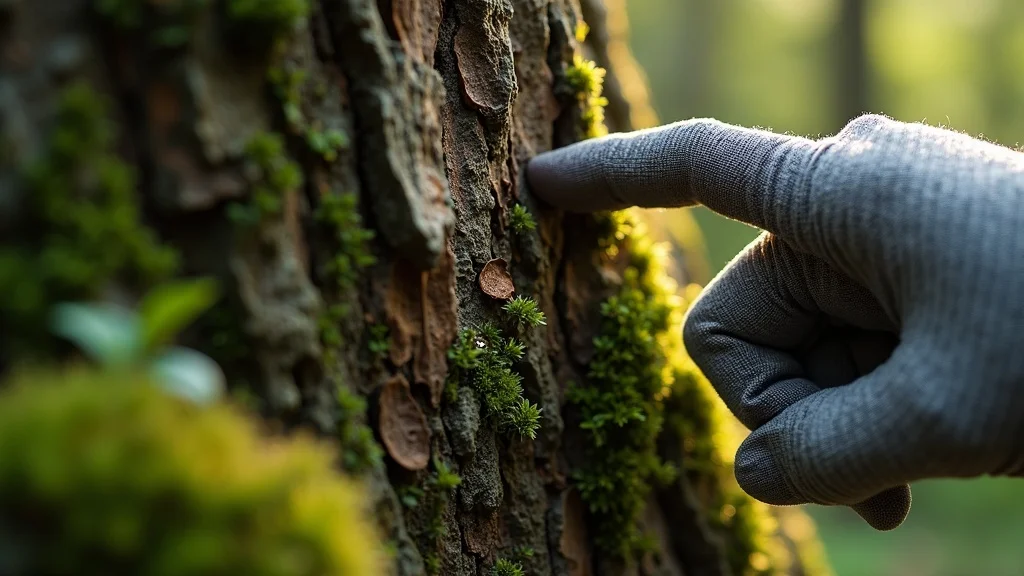
Spring is a great time to be on heightened alert for pest and fungal activity as trees begin to recover from dormancy. Pests, such as boring insects, may leave behind sawdust near the tree’s base, while sap oozing from the bark often means the tree is fending off infection or physical stress. Certain fungi can appear as soft, discolored patches or spots on bark or leaves, and their early detection is crucial to preventing wider infestations. Observing for powdery mildew, leaf spots, or unusual textures on the trunk helps catch emergencies before they escalate.
As you refine your spring tree care routine, it's also worth considering how advancements in smart irrigation can support healthier trees and more efficient water use. For example, new technologies are making it easier for homeowners to optimize watering schedules and conserve resources—learn more about these innovations and their impact on modern landscapes in our feature on how Irrigreen's $19M funding is transforming smart irrigation technology.
Step 2: Pruning Trees with Spring Tree Care Checklist Guidelines
When and Why to Prune in Spring
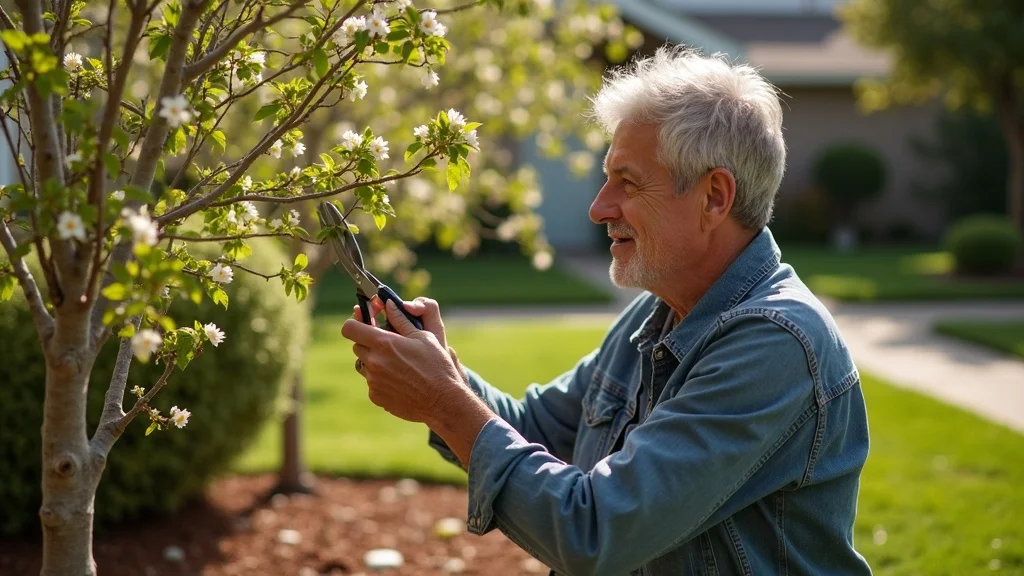
Early spring—just before trees begin to leaf out—is an ideal time for pruning. Removing dead branches, addressing winter damage, or thinning excess growth allows healthy buds to flourish. Proper pruning at this stage encourages vigorous spring growth, better air circulation, and helps prevent disease by reducing overcrowding. Waiting too late may stress the tree as it expends energy, so timing is everything.
Strategic pruning also improves safety, decreasing the risk of falling limbs during seasonal storms. For property owners managing diverse types of trees, understanding each species' needs will ensure optimal health and long-term resilience.
Proper Techniques for Pruning Healthy Spring Growth
Pruning should always be conducted with sharp, sanitized tools to minimize harm. Cuts should be made just outside the branch collar without leaving stubs or damaging the main trunk. For most spring tree care checklist for homeowners routines, it’s best to avoid topping trees or removing more than 25% of live branches in a single season, as over-pruning can stress the tree and invite pests.
Be attentive to crossing or rubbing branches, weak crotches, and limbs that overhang structures or pathways. If large limbs need removal or the tree is especially tall, contacting a professional tree care service or certified arborist is always recommended for safety and proper results.
Step 3: Fertilization and Soil Care on Your Tree Care Checklist
Testing Soil for Nutrient Deficiencies
Soil health defines how well your trees grow during the season. Early spring is the perfect time for testing soil to check for deficiencies in essential nutrients such as nitrogen, phosphorus, and potassium. Several over-the-counter kits make soil testing easy for homeowners, offering actionable insights that shape your fertilization routine.
The results help create a bespoke fertilization plan that addresses only what your trees truly need—preventing over-fertilization, runoff, or wasted effort. Balanced, nutrient-rich soil is the basis of any effective spring tree care checklist.
Applying Fertilizer: Dos and Don’ts for Spring Tree Care
Fertilizing should be reserved for when a tree genuinely needs extra nutrients. The dos include using slow-release products, applying fertilizer around the drip line rather than the trunk, and watering thoroughly after application. The don’ts include fertilizing stressed or newly planted trees unless recommended by a certified arborist, as this can inhibit proper establishment.
Always read and follow label instructions, consider tree species, and use fertilizers specifically formulated for trees. Avoid using high-nitrogen lawn fertilizers around tree roots, as these may burn sensitive roots or encourage excessive, weak growth.
| Fertilizer Type | Best For Tree Variety | Soil Condition |
|---|---|---|
| Slow-Release Granular | Most mature shade and fruit trees | Balanced or slightly depleted |
| Organic Compost | Young, newly planted, and sensitive trees | Poor or sandy soils |
| Liquid Seaweed | Ornamentals during peak growth | Nutrient-deficient, fast-draining soils |
Step 4: Mulching for Maximum Spring Tree Health
Choosing the Right Mulch for Your Spring Tree
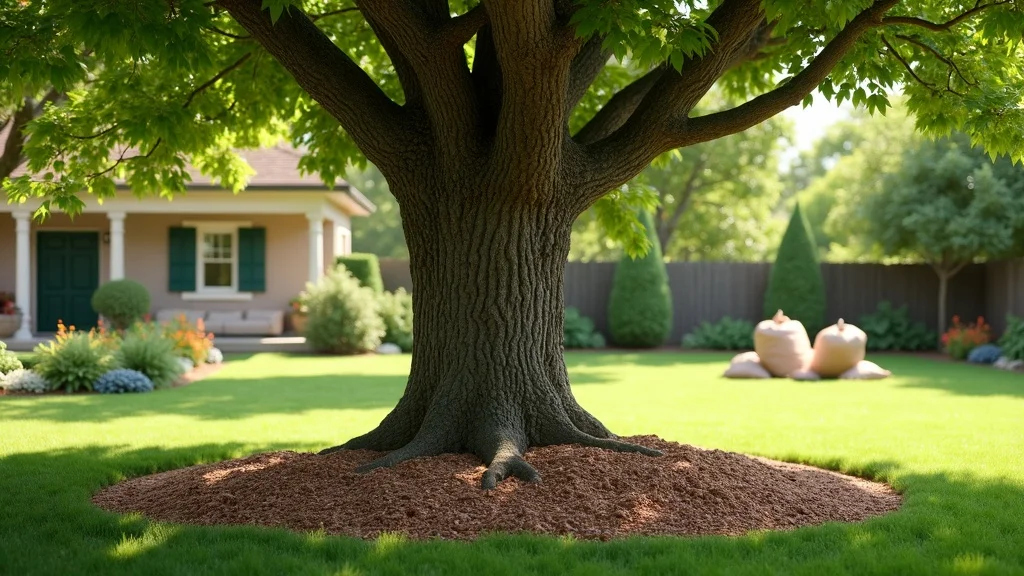
Mulch isn't just decorative—it’s a powerful tool for moderating soil temperature, retaining moisture, suppressing weeds, and replenishing organic matter. For the spring season, choose a natural mulch, such as shredded hardwood, pine bark, or compost, applied in a 2-4 inch layer around the root zone, but not directly against the trunk. The right mulch for your tree will depend on species, age, and local climate, but organic mulches are generally safest and most effective.
For both new and established trees, mulching in spring protects roots from erratic temperatures and reduces the need for frequent watering or weeding, making tree care easier for busy homeowners.
How Mulching Supports the Tree Care Checklist
A well-mulched tree has a major advantage during unpredictable spring weather. Mulch buffers the impact of heavy rain, prevents soil compaction, and fosters the presence of helpful microbes—all vital elements of a healthy growing season. Including mulching in your tree care checklist not only saves time and money but promotes long-term tree vitality and stronger resistance to disease and pests.
Step 5: Watering Wisely – Key to Every Spring Tree Care Checklist
Signs Your Trees Need Water in Spring
While spring often brings regular rainfall, trees can still experience drought-like symptoms if soil drains too quickly or rain is sparse. Wilting, curled leaves, or unusually small growth are signs that a tree needs supplemental watering. Pay special attention to newly planted or young trees, which are especially vulnerable to moisture stress during spring growth.
Checking soil moisture by inserting a garden trowel or screwdriver a few inches into the ground near the root zone can help you assess if deeper watering is required. This step is an essential safeguard against both under- and overwatering—a common mistake for homeowners.
Best Watering Practices for Root Development
Proper watering means deep, infrequent soaks that reach the entire root system, rather than light daily sprinkles that leave roots near the surface. The best approach is to water early in the day to reduce evaporation, always at the drip line, and to mulch afterwards to maintain moisture. For established trees, aim for soil moisture levels that feel consistently damp but not soggy.
Watering too much can cause root rot, while too little stunts growth. Your spring tree care checklist should remind you to adapt watering based on weather patterns and tree age, ensuring continual, steady spring development.
Step 6: Pest and Disease Prevention for Spring Trees
Common Spring Pests and Diseases to Watch For
With warmer days, pests like aphids, borers, and scale insects emerge, joined by fungi such as powdery mildew, anthracnose, or canker diseases. Visible symptoms include holes in leaves, sticky honeydew, distorted new growth, or odd discolorations. These dangers are especially pronounced in certain species and younger or stressed trees, which are more vulnerable in early spring.
Regular inspection is the key to catching these threats early. Stay ahead of infestations and infections by reviewing the state of foliage, bark, and soil as part of your checklist.
Integrating Pest Prevention into Your Tree Care Checklist
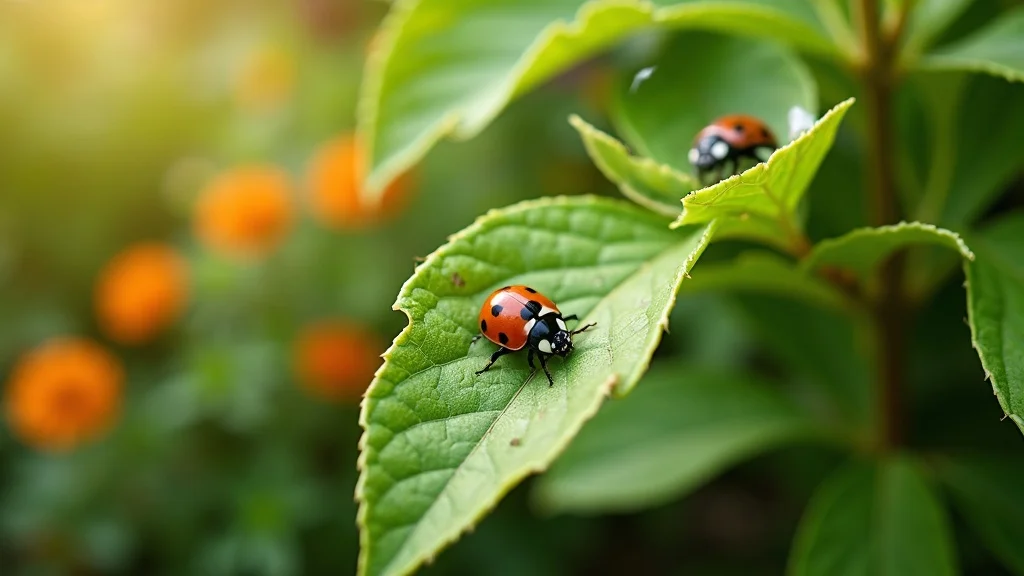
Non-chemical solutions—like encouraging beneficial insects (e. g. , ladybugs and lacewings), keeping trees pruned for air circulation, and removing diseased plant matter—are the first line of defense. Integrated pest management involves a combination of good hygiene, physical barriers, and careful selection of any needed treatments. This approach keeps your trees—and the environment—safe and healthy during spring growth.
Step 7: Consulting a Certified Arborist: When Professional Tree Care is Needed
What Certified Arborists Can Offer Homeowners
Certified arborists bring specialized expertise to diagnose, treat, and prevent complex tree health issues. They’re equipped to manage hazardous limbs, persistent diseases, or deep-rooted soil issues, and offer advice tailored to your region and property type. Regular evaluations by a certified arborist can catch small issues before they escalate into expensive emergencies, and ensure proper pruning and fertilization techniques are followed for every tree species on your property.
Arborists also help with risk assessments for older or high-value trees and offer guidance on long-term landscaping and tree care strategies suited for both residential and commercial properties.
How to Find Quality Tree Care Service in Spring
When searching for a tree care service, always verify certifications, insurance, and references. Look for ISA Certified Arborists or accredited companies through trusted industry organizations. Reading local reviews and seeking recommendations from neighbors or your cooperative extension office increases your odds of finding a reputable provider. Don’t hesitate to ask about ongoing maintenance options, support numbers, and detailed plans before signing agreements to ensure the best value for your spring tree care needs.
Sustainable Practices for Homeowners: Eco-Friendly Spring Tree Care
Composting and Natural Mulch
Eco-friendly tree care checklist routines embrace organic solutions, such as composting yard and kitchen waste to create natural mulch. Compost not only adds nutrients back into the soil but also improves its structure and water retention over time. Using grass clippings, shredded leaves, or bark chips as mulch recycles on-site resources and supports a healthy backyard ecosystem. It’s easy, affordable, and reduces landfill waste—all while feeding your trees what they need.
Water Conservation Tips for Healthier Trees
Efficient watering is a core principle of both sustainability and tree health. Use drip irrigation, water bags for young trees, and time your waterings for early morning or evening. Allow mulch to do its part in moisture retention, reducing your reliance on irrigation. Monitoring local rainfall will help avoid overwatering, saving water and protecting your landscape’s future.
"Eco-friendly practices benefit both your trees and the broader ecosystem."

Spring Tree Service: DIY or Hire?
Assessing Your Comfort and Capability for Spring Tree Care
- DIY: Light pruning, basic mulching
- Professional: Hazard removal, disease treatment
Deciding between a DIY approach and hiring a tree care service depends on your comfort and capability. Most homeowners can handle basic tasks like mulching, minor pruning, watering, and inspecting for pests. However, large tree removals, major pruning, or addressing persistent diseases are best left to certified arborists. Attempting these tasks without proper training may result in injury or long-term tree damage. Knowing your limits—and your local support number for emergencies—ensures safety and the best outcome for your landscape.
Tree Care Checklist for Special Tree Types in Spring
Spring Care for Ornamentals vs. Fruit-Bearing Trees
Ornamentals such as dogwoods or maples may require lighter pruning and less fertilizer, focusing primarily on shape and flower development. Fruit-bearing trees, in contrast, often benefit from more aggressive spring pruning to remove weak growth and encourage fruit production. Watch for specific pests—like apple maggot flies or peach leaf curl—that frequently target fruit trees early in the season.
Always apply mulch and fertilizer tailored to the particular requirements of your ornamental or fruit trees for robust spring health.
Young, Newly Planted Trees: Spring-Specific Advice
- Early flowering trees
- Fast-growing shade trees
- Sensitive/small-rooted species
Young or just-planted trees are especially sensitive during their establishment period in spring. Water consistently, but avoid overwatering; use organic mulch to regulate soil temperature; and avoid fertilizing unless a soil test confirms deficiencies. Early flowering and shade trees require monitoring for frost damage, and small-rooted species benefit greatly from extra protection against wind and mechanical injury. The goal: nurture steady growth without stressing the young root system.
Seasonal Spring Growth Concerns: Addressing Unusual Issues
Sudden Wilting or Leaf Drop
Unexpected wilting or leaf loss during spring often signals water, root, or disease issues requiring prompt attention. Examine soil moisture first: both drought and overwatering can look similar on the surface. If watering appears adequate, inspect for pests, decay, or root disturbance—especially if the tree was recently transplanted. Early intervention prevents irreversible stress and ensures your spring tree care checklist remains a tool for growth, not damage control.
Recognizing Abiotic vs. Biotic Stressors in Spring
Abiotic problems are those stemming from environmental factors, such as nutrient deficiencies, mechanical injury, or weather extremes, while biotic stressors are caused by living organisms like fungi, insects, or bacteria. Being able to distinguish between these helps target your response—fertilize or add mulch for abiotic complaints, and prune or treat for biotic attacks. Your tree care checklist should include notes on patterns and origins of symptoms to help diagnose and act quickly each spring.
See visual guides and expert advice in our companion video on spotting early signs of disease in leaves, bark, and branches during peak spring growth.
People Also Ask: Essential Questions on Spring Tree Care Checklist for Homeowners
What are the first steps I should take with my trees when spring starts?
Answer: Begin your spring tree care checklist by inspecting for any winter damage, such as cracked or broken branches. Assess overall tree health, look for new bud formation, check soil moisture, and clean up debris around the base. Early intervention sets the stage for a successful growing season.
When is it too late to prune trees in the spring?
Answer: While early spring is the preferred time for most tree pruning, you should stop heavy pruning once trees are fully leafed out. Pruning too late may stress the tree, hamper growth, and invite pests. For best results, stick to minor shaping or remove dead wood if you’re unsure.
How do I know if my tree needs professional care?
Answer: If you notice large cracks, significant leaning, excessive deadwood, visible fungus, or persistent pest problems, it’s time to consult a certified arborist. Complex issues or trees near structures should always be addressed by professionals for safety and effective treatment.
Frequently Asked Questions: Spring Tree Care Checklist for Homeowners
How often should I inspect my trees in spring?
Inspect your trees every two to four weeks throughout the spring season, especially after storms or large temperature swings. Frequent checks help you catch small issues before they become major problems and support healthier spring tree growth for homeowners.
What is the best time to fertilize trees according to a spring tree care checklist?
The ideal time to fertilize is just before bud break in early spring. This timing supplies roots with nutrients before rapid growth begins, but avoid fertilizing newly planted or stressed trees unless a soil test indicates otherwise.
Do all trees require mulching as part of the care checklist?
Most trees—especially young, ornamental, and fruit-bearing ones—benefit from mulching in spring. However, avoid smothering the trunk or building mulch "volcanoes. " Use only organic, weed-free products recommended by your tree care checklist for the best results.
What signs of tree disease should homeowners look for in spring?
Key signs include wilting, leaf spots or blotches, oozing sap, abnormal growths on bark, and early leaf drop. Fungal bodies or visible pests also indicate problems. Check your spring tree care checklist for a full list of symptoms and contact a certified arborist for ambiguous issues.
Summary Table: Spring Tree Care Checklist for Homeowners - Action Steps
| Checklist Step | Action | Recommended By | Spring Timing |
|---|---|---|---|
| Inspection | Assess for winter damage, pests, general health | Certified Arborist | Early spring, every 2-4 weeks |
| Pruning | Remove dead, damaged, diseased branches | Tree care service, arborist | Before bud break or early in leaf-out |
| Fertilizing | Apply if needed after soil testing | Certified Arborist | Just before growing season |
| Mulching | Apply 2-4” natural mulch around drip line | Tree care checklist | Late winter to early spring |
| Watering | Deep water as needed, monitor soil | Tree care checklist | Throughout spring |
| Pest/Disease | Monitor, remove infestations early | Certified Arborist | Ongoing in spring |
| Professional Help | Hire for hazards, disease, major pruning | Certified Arborist | As needed |
Key Takeaways for Spring Tree Care Checklist for Homeowners
- Consistent seasonal care ensures tree health
- Prevention and early intervention reduce costs
- Professional help is essential for complex issues
Final Thoughts: Your Commitment to Spring Tree Care
"Investing time in a spring tree care checklist today yields healthy and beautiful trees all year long."
If you’re inspired to take your landscape management to the next level, exploring the latest in smart irrigation technology can be a game-changer for both tree health and water conservation. Discover how industry innovations are shaping the future of lawn and tree care by reading our in-depth analysis of Irrigreen’s $19M investment and its impact on smart irrigation solutions. By integrating these advanced tools with your spring tree care checklist, you’ll be well-equipped to nurture a thriving, sustainable landscape season after season.


Write A Comment