









Did you know that severe winter storms can cause extensive damage to your trees that often goes unnoticed until spring? Understanding tree care trends, winter, and spring is crucial for protecting your landscape from hidden threats. In this article, we explore key challenges homeowners face with winter damage and emerging spring pests, featuring expert advice from Arborist Erik Matzky, President and Owner of High Falls Tree Service.

Startling Facts About Winter Tree Damage and Its Impact on Tree Health
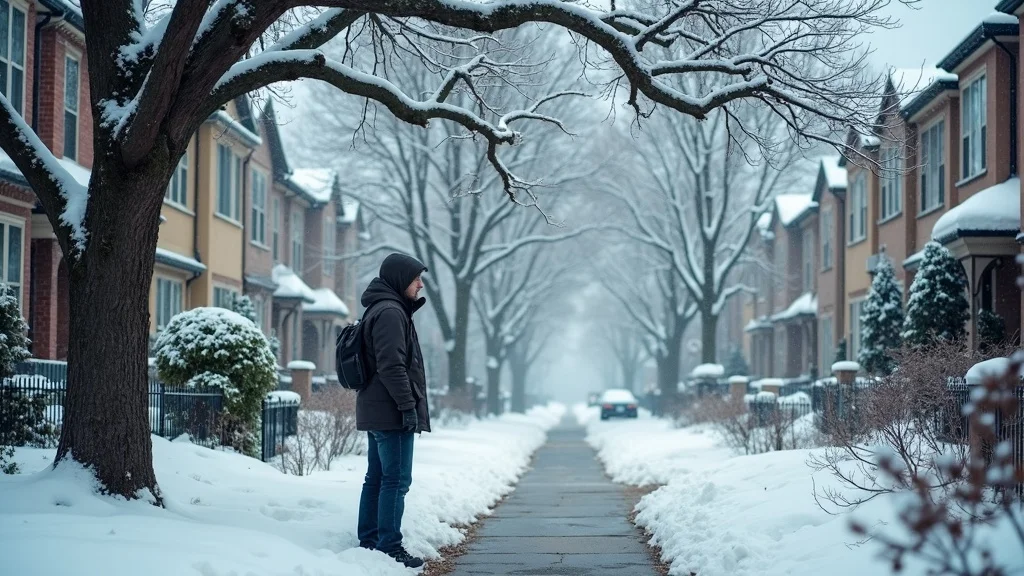
Winter can be a harsh season for trees, particularly when strong winds and heavy snow take their toll. Recent winters have exhibited more extreme weather patterns, leading to a surge in damage among residential trees. Damage from ice accumulation, snow weight, and gusty winds often results in broken branches, cracked limbs, and compromised tree structure.
Homeowners may not always recognize the signs of winter damage right away, which means emergencies like fallen branches or hazardous trees often come unexpectedly. Arborist Erik Matzky, President of High Falls Tree Service, explains, "We've had a lot of winter damage here, especially from the recent heavy snows and winds. Recognizing tree defects and faults ahead of time would certainly mitigate some of the issues that we're dealing with after winter storms. " This proactive recognition can mean the difference between a minor pruning job and costly emergency removals, underscoring the importance of understanding tree care trends in winter and spring.
Overview of Winter Tree Care and Its Importance for Tree Health
Winter tree care practices are designed to protect trees through the dormant season when they're most vulnerable. Essential steps include inspecting trees for damage, removing weak or broken limbs, and preparing trees for new growth come spring. These efforts directly impact the long-term health, safety, and aesthetic value of trees.
Recognizing defects early on is key. As Arborist Erik Matzky, President and Owner of High Falls Tree Service, emphasizes, “Recognizing tree defects and faults ahead of time would certainly mitigate some of the issues that we’re dealing with after winter storms. ” This underscores that winter tree care is not just about reactive measures but also proactive health management. Identifying winter damage early gives arborists and homeowners the upper hand in maintaining robust trees.
For homeowners seeking practical answers to common concerns about tree health, including how to spot early signs of damage and when to take action, exploring a comprehensive tree care FAQ guide can provide valuable clarity and actionable tips.
Key Signs of Winter Damage to Watch For
Knowing what to look for after the winter months can help homeowners catch problems before they escalate. Key signs include:
Broken or cracked branches – often caused by heavy snow or ice accumulation.
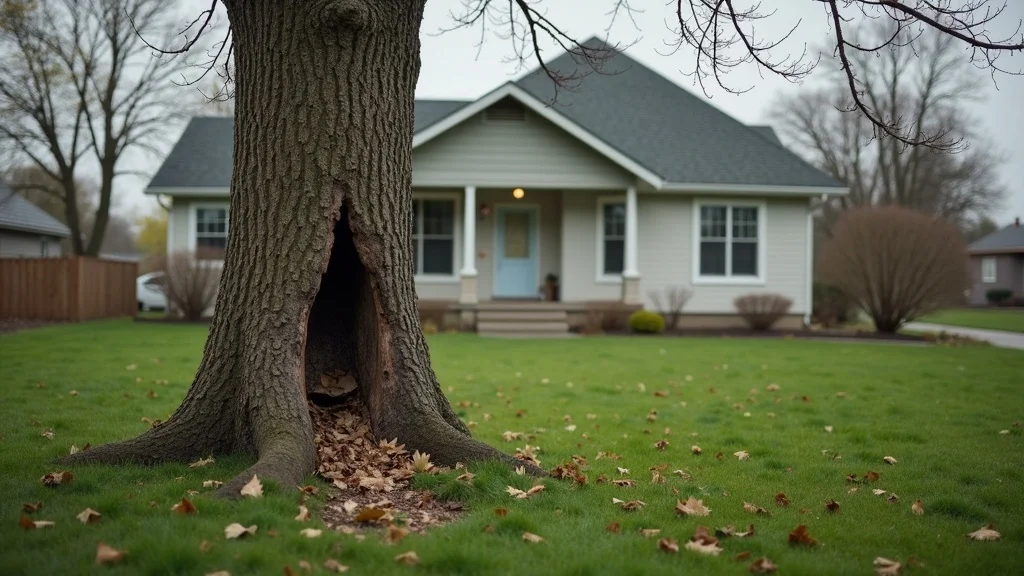
Split bark or wounds on the trunk – indicating possible internal damage.
Dead or dying limbs – trees may lose vitality following harsh winter conditions.
Lean or tipping trees – excessive wind in winter can destabilize roots or trunks.
Erik stresses the importance of spotting visible damage from the ground level, "Recognizing the dead ash trees is a huge one. These ash trees are falling over like crazy, where they haven’t been treated or attended to. " These signs not only warn of structural instability but can also help predict future risks to property and safety.
Assessing Tree Health: What Arborists Look for During Property Inspections
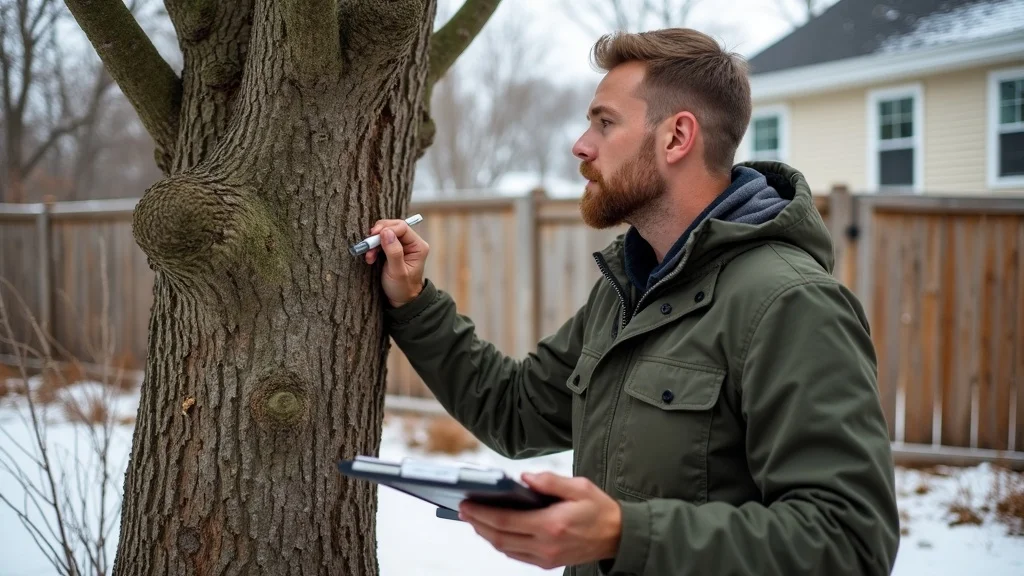
Professional arborists bring specialized knowledge to tree care that extends beyond surface observations. When Arborist Erik Matzky, President and Owner of High Falls Tree Service, arrives at a property, he performs a quick but comprehensive evaluation. The initial 60 seconds are crucial: identifying tree species, noting any obvious defects, and assessing the overall health condition.
Arborists check for structural integrity, signs of disease or pest infestation, and growth patterns that might indicate stress. They also assess how trees interact with their environment — for instance, whether branches are encroaching on homes, power lines, or vehicles. This holistic assessment guides the customized care plan to protect and enhance tree longevity.
Winter Pruning and Weight Reduction Techniques
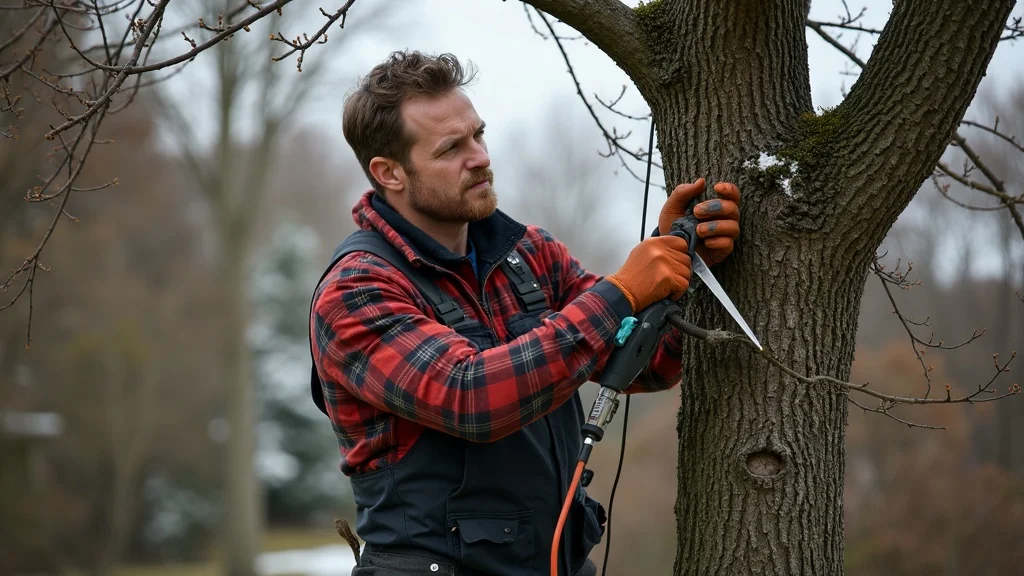
Another vital element in winter tree care is pruning. Winter pruning helps reduce the weight burden on branches, minimizing the risk of breakage during snow or ice events. It also removes damaged or diseased limbs, promoting healthier growth in the upcoming growing season.
Winter pruning requires arborist expertise to know which branches to remove without harming the tree's structure. According to Arborist Erik Matzky, "I focus a lot on weight reduction to keep trees safe, especially to protect daily functions such as preventing limbs from scratching cars or encroaching on roofs. " Proper pruning not only preserves tree aesthetics but also enhances safety and property protection.
Emerging Spring Threats: Insects, Disease, and Late Winter Damage
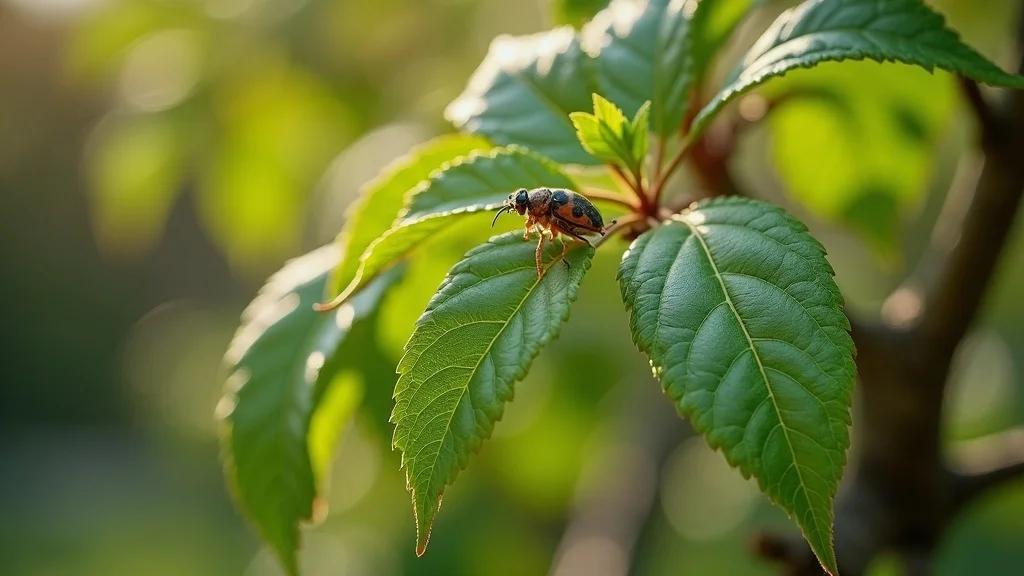
As trees awaken from dormancy in spring, they face new challenges. Warmer weather triggers insect emergence and the development of fungal diseases, which can rapidly damage already stressed trees. Late winter damage may become more evident at this time, compounding these threats.
Arborists monitor early signs of pest infestations such as leaf damage, boreholes, or fungal growth. Integrated pest management strategies are critical for addressing these emerging problems promptly to prevent long-term decline. Erik notes that many plant health care issues become visible only after accumulating growing degree days when insects start to emerge.
Common Insects and Diseases Affecting Trees in Spring
Several pests and diseases typically affect trees during spring, including aphids, scale insects, borers, and fungal pathogens like powdery mildew and leaf spots. These can weaken trees that have already undergone winter stresses and make them more vulnerable.
Using early detection combined with targeted treatments, arborists help maintain tree health and vigor. Spring inspections after winter are invaluable to catch these problems early before they cause irreversible damage.
Best Practices for Tree Care: Expert Insights from Erik of High Falls
Expert advice is invaluable when navigating the seasonal complexities of tree care. Erik Matzky shares practical best practices that homeowners can implement.
“If anything interrupts normal function, like low limbs scratching cars or overhanging branches, that’s something you want to catch right away,” explains Erik. Safety and functionality are primary concerns when maintaining healthy trees. Proactive care—including pruning, monitoring, and clearance—ensures trees do not become hazards.
Moreover, Erik emphasizes routine inspections and a comprehensive plant health care plan to sustain tree vitality through winter and spring. Professional arborist assessments refine these strategies and tailor them to local conditions and tree species.
Common Mistakes and Misconceptions in Winter and Spring Tree Care
Several misconceptions can derail effective tree care efforts. Homeowners often underestimate the extent of winter damage or delay action until branches fall or trees become hazardous. Another common mistake is improper pruning timing or techniques, which can harm rather than help trees.
Failing to monitor for spring pests or diseases allows infestations to progress unchecked. Neglecting the clearance of overhanging branches can lead to property damage or injury. Awareness and timely intervention prevent these pitfalls and preserve tree health and property safety.
Actionable Tips for Homeowners to Protect Trees Through Winter and Spring
Regularly inspect trees for visible damage, especially after storms.
Identify and remove dead or hazardous trees promptly.
Schedule professional winter pruning to reduce branch weight.
Monitor for insect activity and fungal diseases in early spring.
Maintain proper clearance around structures and vehicles.
Implement a comprehensive plant health care plan with an arborist.
What You'll Learn
How to identify winter damage on trees and early warning signs.
The role of winter pruning in maintaining tree health.
Emerging spring threats include insects and diseases.
Expert recommendations for effective tree care strategies.
Common mistakes to avoid in winter and spring tree maintenance.
People Also Ask
What is the 10/20/30 rule for trees?
The 10/20/30 rule is a guideline for planting trees in urban or residential areas to ensure healthy growth and proper spacing: plant trees at least 10 feet from sidewalks, 20 feet from other trees, and 30 feet from buildings or utility lines. This helps reduce competition for resources and prevents future conflicts with infrastructure.
Should I water my trees in October?
Yes, watering trees in October is beneficial, especially if the autumn season is dry. Moist soil helps trees prepare for winter dormancy and supports root development. Proper watering before ground freezes enhances tree resilience against winter stresses.
What is the 123 rule of pruning?
The 123 rule refers to pruning practices where you remove branches that are:
1 - Crossing or rubbing branches
2 - Dead or diseased wood
3 - Suckers or water sprouts
This approach ensures tree health and structural integrity while promoting growth in desired areas.
What months should you not trim trees?
Avoid trimming trees during late spring and summer months when sap flow is high and trees are actively growing. The best times for pruning are late winter or early spring when trees are dormant, minimizing stress and risk of disease.

Tables
Season |
Tree Care Activity |
Purpose |
|---|---|---|
Winter |
Pruning and Inspection |
Remove damaged limbs, identify defects |
Early Spring |
Pest and Disease Monitoring |
Detect and treat emerging threats |
Late Spring |
Fertilization and Health Care |
Support new growth and recovery |
Key Takeaways
Proactive winter tree care reduces emergency damage.
Early identification of dead or damaged trees is critical.
Spring brings new threats requiring vigilant monitoring.
Professional arborist assessments optimize tree health.
Regular maintenance ensures safety and landscape beauty.
Conclusion
Prioritize regular inspections, professional pruning, and early spring monitoring to protect your trees from winter damage and springtime threats effectively.
If you’re ready to deepen your understanding of tree care beyond seasonal trends, consider exploring a homeowner’s guide to common tree care questions. This resource covers essential FAQs, practical solutions, and expert insights that empower you to make informed decisions for your landscape year-round. By expanding your knowledge, you’ll be better equipped to handle everything from routine maintenance to unexpected challenges. Discover more strategies and answers in the essential guide to tree care FAQs and take the next step toward healthier, safer trees.
Contact Us for Expert Tree Care Services
For professional arborist services and tailored tree care solutions, call High Falls Tree Service at (585) 467-9310. Protect your trees year-round with expert guidance you can trust.


Write A Comment