Add Row
Add Element
Tree Guardian News
update
Tree Guardian News
update
Add Element
  • Home
  • Categories
    • Storm Shield
    • Roots & Routes
    • Disease Detective
    • Insurance Intel
    • DIY Arborist
    • Futureproof Foliage
    • Pro-Partner Spotlight
    • Arborist Stories
    • Tree Care Blog
    • Tree Guardian News Blog
SUBSCRIBE TO NEWSLETTER 
  • update
  • update
  • update
  • update
  • update
  • update
  • update
April 22.2025
2 Minutes Read

Spring Brings Renewal: A Guide for North Carolina Homeowners

Vibrant spring garden in North Carolina near a wooden deck.

Rediscovering the Joy of Springtime in North Carolina

As winter’s grip gradually loosens, the residents of North Carolina are greeted by the fresh blooms and vibrant colors of spring, bringing a renewed sense of hope and wellness. After the cold, dark months of fall and winter, this transition isn’t just a change in season; it’s a refreshing reminder of nature’s resilience and the possibility of rejuvenation.

Connections to Nature: A Therapeutic Escape

For many homeowners, engaging with their gardens during this time can serve as a therapeutic escape. Gardening offers more than just the aesthetic appeal of beautiful flowers and lush greenery; studies have shown that interacting with plants can significantly reduce stress and improve mental health. As the blooms enter a crescendo, like the vivid azaleas and dogwoods from North Carolina’s temperate climate, families are increasingly turning to their gardens for both solace and motivation.

Preparing for the Garden: Essential Tips

As homeowners venture into their gardens, preparation is key to allowing plants to flourish. Soil quality should be tested and improved with compost or organic fertilizers to ensure optimum growth conditions. Moreover, early spring is an ideal time to plant seeds for vegetables and flowers alike, leading to a bountiful summer harvest. Homeowners are encouraged to research local flora to curate the most sustainable plots that align with North Carolina’s climatic nuances.

Future Trends: Embracing Eco-Friendly Practices

With environmental consciousness on the rise, future gardening trends in North Carolina are leaning towards eco-friendly practices. Homeowners are exploring drought-resistant plants and organic gardening methods that not only enhance beauty but also promote sustainability. Choosing native plants can be particularly beneficial, as they require less maintenance and support local biodiversity.

Spring is not just a season; it's an opportunity for renewal. Homeowners should seize this chance to cultivate their gardens and, in turn, their well-being. With each seed planted, we draw closer to nature’s rhythm and rekindle our connection with the thriving ecosystem surrounding us.

Roots & Routes

70 Views

0 Comments

Write A Comment

*
*
Related Posts All Posts
01.12.2026

Stop Tree Damage Now with Winter Tree Maintenance Tips

Did you know that over 30% of urban tree damage happens in winter alone? If you’ve ever been shocked by the sight of broken limbs or sickly trees come spring, you’re not alone Uncover the Urgent Need for Winter Tree Maintenance Did you know over 30% of urban tree damage each year occurs during winter? (Opening Hook) Learn why winter tree maintenance is your first line of defense against expensive repairs and preventable damage. What You'll Learn About Winter Tree Maintenance Essential winter tree maintenance practices every homeowner needs Key insights into winter tree care, tree care tips, and preventing salt damage Step-by-step actions to protect your trees and shrubs from harmful rock salt and heavy snow Why Winter Tree Maintenance Matters for Homeowners The Impact of Harsh Winter Conditions on Trees Cold, late winter freezes and repeated bouts of heavy snow can overstress your trees and shrubs. Understanding the effects of salt damage and how strategic winter tree care defends against expensive repairs. The result? You could lose years of tree growth or find yourself facing high costs for removal, replacement, or repair The cost of ignoring winter tree care can be surprisingly steep. As tree health declines, property values can drop and the risk of falling limbs or hazardous debris increases—which impacts your safety and the neighborhood’s aesthetics. By staying proactive with targeted tree care tips, you can meet winter’s challenges head-on. Homeowners who implement these strategies now are rewarded with healthier, more beautiful trees come spring—often while their neighbors are still dealing with the aftermath of winter neglect. For a more detailed breakdown of when and how to prepare your trees before the first frost hits, you might find this comprehensive guide on winter tree maintenance and pre-frost protection especially helpful. It covers additional timing strategies and practical steps to ensure your trees are resilient throughout the coldest months. Key Winter Tree Maintenance Practices Every Homeowner Should Implement Tree Care Tips to Prevent Winter Tree Damage Inspect the health and integrity of the tree trunk before the cold arrives. Water strategically while trees are dormant to support root health. Apply dormant oil to shield trees from winter pests. Remove weak or damaged branches before heavy snow can snap them. Mulch trees for winter to insulate roots and retain moisture in the soil. Shield young tree trunks from wildlife with proper barriers or wraps. Implementing the right winter tree care practices makes all the difference for your landscape. Start by thoroughly inspecting every tree and shrub on your property—look for cracked limbs, signs of disease, or bark injuries. Pay close attention to the tree trunk for any damage that could worsen with freezing temperatures. Early intervention, like removing vulnerable branches, means less to clean up in the spring and less risk to people and property below. Strategic winter watering before the ground freezes ensures dormant root systems have enough moisture to thrive, especially during dry winters. Mulching is one of the most effective ways to protect roots. A layer of mulch not only insulates against rapid temperature fluctuations but also helps retain moisture through the winter. For added protection, apply dormant oil just before temperatures dip. This proactive measure curbs overwintering pests that could attack once the warmth returns. Lastly, young trees are particularly vulnerable—not just to temperature swings but also to gnawing wildlife. Use tree guards or safe wraps to safeguard these new plantings from rodents and sunscald, preventing costly losses before spring. Protecting Trees and Shrubs from Rock Salt and Salt Damage Identifying and Preventing Salt Damage in Winter Tree Care Rock salt can harm roots and soil health, silently weakening your landscape each winter. Tips for minimizing salt exposure and nurturing resilient trees and shrubs even when treating walkways and driveways. Discover which trees for winter naturally tolerate salt for problem areas. “The use of salt may keep your driveway clear, but can silently weaken your landscape all winter long.” Salt is a winter essential for many homeowners, but it poses a hidden risk to your trees and shrubs. Rock salt runoff from roads and sidewalks can seep into the root zones, causing salt damage that isn’t always visible until late spring. Symptoms include browning needles, stunted growth, or entire branches dying off—classic signs that the salt has disrupted natural nutrient and water uptake. The best defense is to limit non-essential salt use around trees, opting for sand or safer de-icing products wherever possible. For areas that must be salted, create physical barriers between walkways and plantings to prevent runoff. Apply extra mulch around the bases of affected trees and shrubs to reduce salt penetration and insulate roots. Consider planting salt-tolerant species—such as certain pines, birches, and dogwoods—near roads and driveways, as their natural resistance offers resilience where other varieties might struggle. Staying watchful for salt damage helps you intervene early and boosts your overall winter tree care strategy. Pruning and Trimming: Is Late Winter the Best Time? Are You Supposed to Trim Trees in Winter? Pruning during the dormant tree phase provides multiple advantages: less stress, reduced pest attraction, and easier detection of problem branches. Apply core tree care practices during late winter for robust, healthy spring growth. Winter, especially late winter, is the optimal period for pruning most trees and shrubs. With leaves gone, arborists and homeowners get a clear view of each tree’s structure, allowing targeted cuts and healthier shaping. Pruning during the dormant phase speeds up wound healing once growth resumes in spring because energy is then focused on new, healthy branches instead of repairing winter trauma or pest-inflicted wounds. In addition, cold weather limits the spread of diseases (like oak wilt) and pests that target fresh cuts in warmer seasons. Use sharp, sanitized pruners or saws to remove branches that cross, rub, or show disease. This not only prevents future problems but helps channel vital nutrients to stronger parts of the tree. Don’t forget to properly dispose of all branches and leaves to avoid overwintering pests and disease spores. Homeowners see the best results when pruning is done just before buds swell—maximizing vigorous regrowth once the growing season starts. Winter Tree Fertilization and Soil Health Should I Fertilize My Trees Before Winter? Best timing and methods for fertilizing as part of effective winter tree care Choosing nutrients for durable winter growth and prepping for a healthy spring rebound “Healthy soil in late winter sets the stage for vigorous spring growth.” The right fertilization, done at the proper time, is an investment in long-term tree health and resilience. Applying slow-release, organic tree fertilizers in late fall or early winter helps roots absorb vital nutrients before the ground freezes. This process boosts the root system for surviving the winter and preparing for spring’s demands. Avoid high-nitrogen fertilizers before dormancy, as they can promote untimely growth easily damaged by freezing temperatures. Prioritize soil health by enriching it with organic matter, such as compost or well-aged manure, to build a stronger nutrient base and improve moisture retention. This not only supports sturdy roots but also encourages beneficial microorganisms which keep trees strong through winter stress. Consult a certified arborist if you’re unsure about proper products or application methods—correct fertilization is a simple, year-round tree care tip with significant payoffs. Tree Wraps, Saran Wrap, and Tree Trunks: Myths and Facts Why Do People Put Saran Wrap Around Trees? Wrapping tree trunks protects against rodents, sunscald, and damaging winter weather. Modern alternatives offer superior results for optimal winter tree care without the drawbacks of plastic wrap. Their main purpose? To guard against frost cracks, pest damage, and even sunscald—a condition where sunny winter days heat the bark, which then freezes and splits as temperatures drop If you’re considering wrapping, remember it’s typically unnecessary for mature, thick-barked trees. Reserve wraps for young trees, thin-barked species, or specimens recovering from previous winters. Remove wraps in early spring to prevent trapping moisture against the bark as the growing season resumes. This approach keeps your trees protected but lets them breathe and grow when the time is right. Selecting Trees for Winter Resilience Best Trees for Winter and Late Winter Tree Care Tips Choose trees and shrubs bred for resilience against heavy snow and salt damage. Top picks for low-maintenance, winter-ready landscaping for busy homeowners. Picking the right trees for winter is a winning move for low-effort, lasting curb appeal. Some species are naturally equipped to handle tough northern climates—offering strong branches, deep roots, and resistance to salt or wildlife damage. Pine, spruce, birch, and red twig dogwood are all strong candidates for regions prone to snow or ice accumulation. These species maintain their structure, color, and vitality even in the harshest months, meaning less maintenance and lower risk for you. Integrating a mix of evergreen and deciduous varieties creates visual interest and ensures your yard looks great even in the off-season. New plantings should focus on already-proven winter survivors, particularly near driveways or salt-prone streets. For even greater resilience, select shrubs and groundcover that are also salt tolerant. The result: an attractive, hardy landscape that requires minimal intervention and delivers vibrant spring recovery year after year. Winter Tree Maintenance Table: Quick Reference for Homeowners Task Timing Tools Why It Matters Inspect trees and shrubs Early winter Pruners, gloves Identify issues before extreme cold Apply mulch Before first frost Mulch, rakes Insulate roots, retain soil moisture Prune branches Late winter Pruners, saw Encourage healthy growth in spring Protect tree trunk All winter Tree wraps Prevent damage from animals and sunscald Avoid rock salt All winter Safe de-icers Reduce risk of salt damage Watch as a professional arborist walks you through vital winter tree maintenance practices—from branch inspection and safe pruning to strategic mulching and steps to prevent salt damage. This video offers visually clear, step-by-step guidance homeowners can apply immediately for healthier, safer trees. People Also Ask About Winter Tree Maintenance How to care for a tree in winter? Follow this comprehensive winter tree maintenance guide applicable to all tree types. Focus on watering as needed (when ground is not frozen), mulching, strategic pruning, and protective coverings for best results. Caring for trees in winter centers on four best practices: Inspect all trees and shrubs for damage or disease; water deeply before the ground freezes; lay down a generous mulch layer to insulate roots; and prune dead or weak branches during dormancy. For especially severe winters, consider using tree wraps as an extra precaution, particularly for young or newly planted trees. Proper winter watering and covering sensitive tree bases help minimize freeze-thaw damage and ensure healthy, vibrant growth when spring arrives. Why do people put saran wrap around trees? Saran wrap and tree wraps are used to guard tree trunks against winter hazards such as frost cracks, pest infestations, and road salt damage. Knowing best practices—including which materials to use—ensures optimum winter tree care without harming bark health. Most homeowners wrap trees in winter to protect them from stress caused by temperature swings, sunscald, and gnawing rodents. However, saran wrap isn’t the ideal material. Instead, breathable commercial tree wraps or specialized guards allow moisture to evaporate, preventing disease and decay. Wrapping is most crucial for young, thin-barked trees, while mature specimens rarely require the extra step unless recovering from earlier injury. Always remove wraps in early spring to avoid trapping moisture during the new growing season. Are you supposed to trim trees in winter? Yes—dormant tree pruning lowers the risk of disease and shapes structure without interfering with the tree’s natural cycles. Late winter is considered the best time for most winter pruning needs, ensuring vigorous and healthy spring regrowth. Late winter is the ideal time to trim most trees. During this dormant phase, trees are less susceptible to damage and the wounds heal quickly once growth accelerates in spring. Prune to remove diseased, damaged, or crossing branches, and shape the tree for healthier future growth. Avoid pruning just before severe freezes, as this can stress the tree. As always, use clean, sharp tools—and when in doubt, consult a certified arborist for expert job execution. Should I fertilize my trees before winter? Fertilizing in late fall or early winter provides root-supporting nutrients that sustain trees through the coldest months. Choose slow-release fertilizers for a safe, sustainable boost to winter tree health. Fertilizing before winter helps establish a reserve of nutrients in the soil, supporting root growth during dormancy. Opt for slow-release, balanced fertilizers and avoid those with high nitrogen. Healthy, nutrient-rich soil drastically improves your trees’ odds of not just surviving, but thriving through winter. For tailored advice—especially for older or uniquely vulnerable specimens—consult your local extension service or a tree care professional. Short video tutorial: A certified arborist demonstrates real-world strategies for minimizing salt damage on susceptible trees and shrubs, including how to build physical barriers, select salt-tolerant plants, and use safe de-icers to keep landscapes healthy. Seasonal Checklist: Winter Tree Maintenance for Homeowners Assess all trees and shrubs for structural weaknesses before snow arrives. Apply mulch to the base of trees for winter root protection and to retain moisture. Spray dormant oil where pests are a concern, following safety guidelines. Avoid applying rock salt near tree root zones; choose gentler alternatives. Prune trees during late winter to stimulate strong, healthy growth in spring. Frequently Asked Questions About Winter Tree Maintenance What is the best mulch for winter tree care? Use organic mulch (like shredded bark, wood chips, or compost) for best insulation and moisture retention around your tree trunks. How often should I water my trees and shrubs in winter? Water deeply before the ground freezes. Water only on dry winter days when temperatures are above freezing and the soil isn’t frozen. Is dormant oil safe for all types of trees? Dormant oil is generally safe for most trees and shrubs, but always check the product label and avoid use on sensitive or non-dormant species. What are warning signs of salt damage to trees during winter? Look for browned leaf tips, stunted spring growth, and white crust on soil or roots. Take preventive action if you notice any of these symptoms. Key Takeaways for Effective Winter Tree Maintenance Proactive winter tree maintenance saves money and preserves landscapes. Prioritize care tips addressing late winter challenges, including heavy snow and salt exposure. Select trees and shrubs that are naturally adapted to winter stress for a lower-maintenance yard. Start Protecting Your Trees: Discover Local Winter Tree Maintenance Professionals Today Ready to shield your trees from winter’s worst? Connect with certified local tree care experts If you’re eager to deepen your understanding of seasonal tree care and want to stay ahead of winter’s challenges, exploring broader strategies can make all the difference. The article on protecting your trees before frost offers a strategic perspective on long-term tree health, including expert insights on timing, preparation, and advanced maintenance techniques. By expanding your knowledge, you’ll be better equipped to nurture resilient trees year after year—ensuring your landscape thrives no matter what winter brings. Take the next step and discover how a proactive approach can transform your yard into a model of winter-ready beauty and strength. To enhance your understanding of winter tree maintenance, consider exploring the following resources: “Winter Tree Care Essentials for Property Owners”: This article provides a comprehensive guide on winter tree care, including tips on pruning, mulching, and protecting trees from harsh weather conditions. (coastalspray.com) “Winter Tree Care Checklist: What Every Homeowner Needs to Know”: This checklist offers practical steps for homeowners to maintain tree health during winter, covering aspects like watering, mulching, and inspecting trees for damage. (shannonandsonstree.com) By consulting these resources, you’ll gain valuable insights into effective winter tree maintenance practices, ensuring your landscape remains healthy and resilient throughout the colder months.

11.10.2025

DIY Stump Removal Tricks for Quick Success

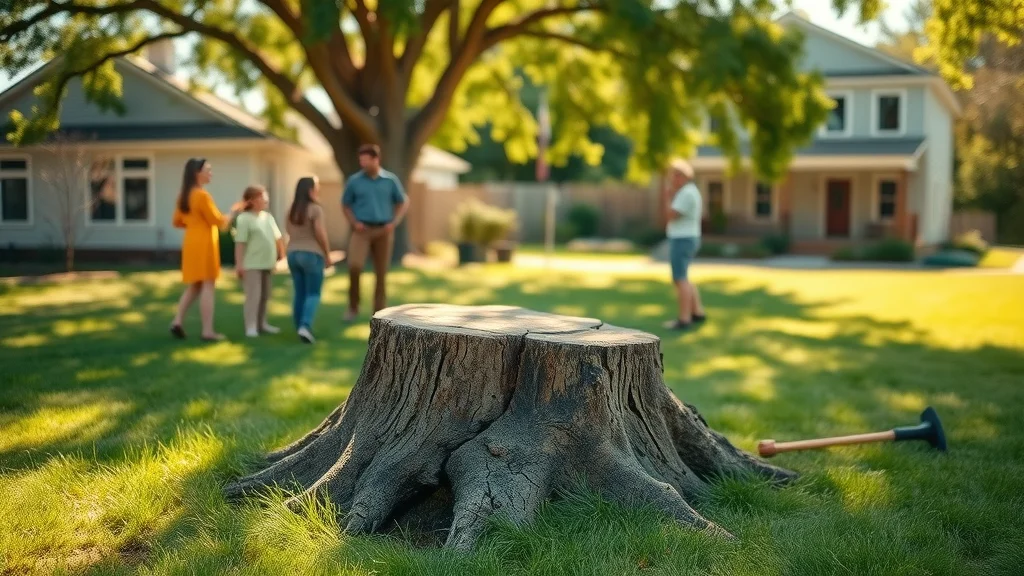
Ever stared at a stubborn tree stump in your yard and wondered, “Is there a fast, safe, and simple way to get rid of this eyesore myself?” DIY stump removal isn’t just possible—it’s practical, efficient, and can transform your outdoor space. In this comprehensive guide, we’ll unpack expert tools, insider tricks, and little-known methods to remove a tree stump with results you’ll love. Whether you want a lush lawn or simply peace of mind, these techniques put success at your fingertips. Ready to reclaim your yard? Let’s dig in! Curious About DIY Stump Removal? Discover the Truth Behind Quick and Effective Techniques If you’re seeking diy stump removal tricks that actually work, you’re not alone. Tree stumps are more than inconvenient—they can be tripping hazards, attract pests, and derail your landscaping plans. Thankfully, you don’t need costly tree removal companies or complicated equipment to tackle the job. This article reveals how to remove a tree stump quickly and safely, whether you choose hands-on effort, a stump grinder, or eco-friendly solutions like epsom salt and potassium nitrate. You’ll gain vital insights on how to match methods to stump size, understand time and cost trade-offs, and operate safely for best results. With smart planning and the right tools, even large stumps become manageable. We’ll walk you step by step through every approach, showcase what to expect from mechanical vs. all-natural options, and arm you with safety tips and post-removal cleanup pointers. It’s time to debunk myths and share proven strategies you can apply today—because in the world of stump removal, knowledge is power and time is money. What You'll Learn About DIY Stump Removal How to choose the best diy stump removal method Insider tricks for removing a tree stump quickly Comparison of natural versus mechanical stump removal Expert guidance on safety and environmental impact Why Remove a Tree Stump? Hidden Hazards and Benefits Keeping a tree stump in your yard might seem harmless, but the consequences go deeper than appearance. Tree stumps can become unexpected tripping hazards, especially on busy lawns or areas where children play. They often serve as breeding grounds for pests like termites and carpenter ants, potentially threatening nearby trees or even your home’s foundation if the stump remains unchecked. Ignoring a stump can also create an unsightly focal point, undermining curb appeal and reducing your property’s value over time. Aside from safety risks, leftover tree stumps can impede lawn maintenance. Running over a stump with a lawnmower can damage equipment and leave ragged patches of dead grass. If you’re planning enhancements, such as installing a patio, garden bed, or electric fence, the stump becomes an obstacle requiring removal. Understanding these hidden hazards highlights why stump removal is often more than a cosmetic concern—it’s a smart step in home improvement and effective landscape management. Tree Stump and Tripping Hazard Risks in Your Yard Leaving a tree stump in your yard introduces a persistent tripping hazard. This risk is especially pronounced around walkways, playgrounds, or active family areas. During the day, grass may grow up around the stump, camouflaging it and increasing the likelihood of an accident. At night or in low-light conditions, the hazard becomes even more pronounced. The consequences? Skinned knees, twisted ankles, or worse injuries, all from a stump that could have easily been removed. Beyond physical risk, stumps provide shelter for wildlife and insects that can disrupt a healthy lawn, and moisture around the stump may contribute to fungal growth, further increasing safety risks for children and pets. Mitigating tripping hazards is a top priority for families seeking a safe, accessible outdoor space. Neighborhoods where outdoor activity on this service is common, such as playing catch or maintaining a charcoal grill, can see stumps increase insurance liability and hazard potential. Removing a tree stump isn’t just a visual improvement—it’s a practical way to avoid personal injury and costly claims. Prioritize removing old stumps to ensure both beauty and safety in your landscape. Benefits of Stump Removal for Lawn Health and Curb Appeal The benefits of tree stump removal stretch far beyond hazard reduction. A cleared yard enhances curb appeal instantly, making your property more inviting and marketable. Your lawn becomes safer for children, pets, and guests, while mowing and maintaining the grass are much easier. Additionally, removing the stump helps prevent the regrowth of unwanted shoots, maintaining a uniform lawn that’s easier to landscape or upgrade with features like a garden, play area, or electric fence. Without a stump, you can even out your yard, reseed grass, or lay sod—restoring the area to its natural beauty. This process eliminates pest habitats and helps halt the slow decay that might otherwise attract fungi or wood-boring insects. If you’re considering selling your home or simply want peace of mind and a healthier outdoor environment, stump removal is a clear win. Whether you choose to remove a tree stump yourself or hire a tree service, this upgrade pays off in both short-term enjoyment and long-term property value. "Neglecting a tree stump isn’t just an eyesore—it’s a tripping hazard and an invitation for pests. DIY stump removal saves frustration and transforms your yard." Top DIY Stump Removal Methods: Stump Grinders, Natural Solutions, and More There are several effective DIY stump removal methods to choose from, each with its unique strengths. Selecting the right option depends on your stump size, timeline, and resources. Manual methods like digging work best for small stumps, while treatments like epsom salt and potassium nitrate dissolve medium and large stumps over time. For fast results on big stumps, nothing beats a mechanical stump grinder. Let’s break down each approach—so you can match your project with the perfect solution and avoid a tree removal headache. The method you choose also impacts your labor, the tools required, and the environmental footprint of your stump removal. If you’re torn between renting a stump grinder or harnessing nature’s chemistry, this section will point you in the right direction with honest, actionable comparisons. For those looking to optimize their yard maintenance beyond stump removal, integrating seasonal tree care can make a significant difference. Discover practical strategies in these fall tree trimming tips that most homeowners overlook to keep your landscape healthy and hazard-free year-round. How to Remove a Tree Stump by Hand Tools required for manual diy stump removal Best for small tree stumps Step-by-step removal process Manual removal is an effective approach for small tree stumps and gives you complete control over the process. Start by gathering essential tools: a sturdy shovel, a digging bar, a mattock or pickaxe, and (for stubborn roots) an axe to chop through thick wood. Select a day with soft soil—ideally after rain. Begin by digging a trench around the stump to expose major roots. Use the digging bar and shovel to widen the trench, then swing the axe or use a hand saw to cut through roots as you encounter them. By rocking the stump gently and clearing outsoil, you can eventually pry it free. This method requires patience but offers clear results, especially if you need to avoid a tree service bill or want to control disposal of chips and debris. The manual approach is best when the stump’s diameter is less than 12 inches and is not located near obstructions like a fence or utility lines. While labor-intensive, it’s a low-cost way to remove a tree stump and grants a sense of accomplishment and peace of mind knowing the job is thoroughly done. Using a Stump Grinder for DIY Stump Removal Choosing the right stump grinder Safety tips and personal protective equipment Efficient operation for large stumps For medium to large stumps, a stump grinder offers unmatched efficacy and speed. Renting a stump grinder from a local hardware store is usually more economical than buying, unless you anticipate frequent use. When selecting a grinder, ensure the cutting wheel is suited to your stump’s size and your yard’s terrain. Safety is paramount—always wear the recommended PPE: gloves, goggles, sturdy boots, and ear protection. Before operation, clear the area of rocks, toys, or debris to avoid injuries or damage to the blade. Read the manufacturer’s instructions thoroughly and check local fire restrictions if grinding generates sparks. Position the grinder over the stump and slowly lower the cutting wheel, moving it back and forth to grind the wood to below ground level. Continue until the stump is fully reduced to mulch, about 8-10 inches below the surface. This method quickly handles big jobs, with most grinders capable of tackling large tree stumps in under two hours. Grinding is fast but generates a lot of chips and dust—plan for cleanup and proper disposal. Despite the higher initial effort, this approach combines efficiency with satisfying results, turning a massive stump into usable mulch while avoiding the cost of a professional tree stump removal service. Natural Solutions: Remove a Tree Stump with Epsom Salt or Potassium Nitrate Scientific principles behind Epsom salt and potassium nitrate Step-by-step guide to chemically rotting a tree stump quickly If physical labor or heavy equipment isn’t an option, consider natural chemical methods to remove a tree stump. Common products include epsom salt (magnesium sulfate) and potassium nitrate, both of which speed up stump decomposition. Begin by drilling deep holes (8–10 inches) into the top and sides of the stump. (Tip: The more holes you drill, the faster decomposition occurs—use a wide drill bit for best results.) Fill the holes with your chosen chemical—a full cup per hole for optimal effect. Cover the stump with a tarp to retain moisture, then wait several weeks. These natural solutions work by drawing moisture out and disrupting cellular processes, effectively starving the wood. Potassium nitrate, commonly sold as a commercial stump remover, can reduce a large stump to soft, crumbly wood in 4–8 weeks. Epsom salt is slower but safer for surrounding soil and easier to source. Both methods minimize environmental impact and are excellent when you need a low-labor, gradual approach—just set your expectations, as even the fastest results take a few weeks. For added speed, cover the stump and keep it moist, turning your patience into success over time. Table: DIY Stump Removal Methods Compared Method Best For Time to Remove Tools Needed Hand Digging Small tree stumps 2–6 hours Shovel, axe Stump Grinder Large stumps 1–2 hours Stump grinder, PPE Epsom Salt Moderate size 8–12 weeks Drill, Epsom salt Potassium Nitrate Large tree stumps 4–8 weeks Drill, potassium nitrate Step-by-Step: How to Remove a Tree Stump Safely Removing a stump safely requires preparation and methodical execution. Whether you choose manual, mechanical, or natural methods, always begin by surveying for underground utilities and clearing the work area. Wear gloves and eye protection for every approach, and keep children and pets away from the site until the job is complete. For larger stumps, assess the soil and stump stability, especially if you need to avoid a tree shift that could endanger nearby structures or fences. Organize your tools before starting, and plan for breaks in physical tasks to prevent overexertion. Prioritize safe tool handling and appropriate storage during and after use for peace of mind. Once the stump is removed, backfill the hole with soil and debris, level the area, and reseed or replant grass to encourage swift recovery. Many DIYers cover the spot with mulch or sod for an instant facelift. These clean-up steps help restore your landscape while eliminating tripping hazards or pest-attracting debris that may remain after removal. Regardless of the method you select, following safety best practices ensures your project ends successfully and injury-free. Preparation for Stump Removal A successful diy stump removal starts with careful planning. Walk around your yard to identify any obstacles, such as rocks, pipes, or power lines—contact utility services if you’re unsure. Gather all required tools, including shovels, mattocks, saws, and personal protective equipment (PPE). For chemical methods, source high-quality epsom salt or potassium nitrate, and check product labels for safety information. Schedule your removal project on a day with favorable weather for comfort and visibility. If you’re using a grinder, reserve rental equipment in advance and ensure you have a safe path for delivery and movement. Remove decorative items, hoses, or electric fence components near your work zone to avoid damage. Place necessary items within easy reach but away from active digging or grinding for safety. With good preparation, you’ll make steady, efficient progress and set the stage for a hazard-free project. Protecting Yourself and Your Yard Safety during stump removal is non-negotiable. Always wear gloves to protect your hands from blisters, sharp roots, or splinters. Sturdy boots shield feet from heavy tools and prevent slips, while long sleeves and safety goggles minimize risk from flying debris and wood chips. If you’re operating a stump grinder, mandatory PPE includes ear protection, a face shield, and snug-fitting clothing to avoid accidents. Mark boundaries around your removal area using cones or rope—this keeps children, pets, and bystanders at a safe distance during the process. If using chemical methods, prevent children and pets from accessing the treated stump. Place a visible marker or cover the site with a tarp, and always store chemicals in a secure location away from heat or sparks. Even when relying solely on hand tools, keep a first aid kit and phone handy in case of minor injuries or emergencies. Prioritizing protective steps is essential for achieving peace of mind and smooth, incident-free completion of your diy stump removal project. Final Cleanup After DIY Stump Removal With the stump gone, it’s cleanup time! Start by removing coarse wood chips, root fragments, and any leftover chemical containers. Use a rake to smooth the soil and fill in low spots; compost or dispose of organic debris according to local guidelines. If large holes remain after removing a tree stump, backfill with topsoil and tamp it down to promote healthy regrowth. For a professional finish, reseed the affected area or lay down fresh sod—this step restores appearance and prevents weeds. Double-check for lingering hazards, such as exposed roots or tool fragments, and store all equipment securely for future use. If you’ve reused chips as mulch, spread them evenly to aid moisture retention elsewhere in your garden. Post-removal cleanup delivers that final touch: a safe, attractive, and renewed yard where you can relax, entertain, or simply enjoy the fruits of your successful project. Congratulations—you’ve mastered every aspect of diy stump removal. Cost and Time: Evaluating the Best DIY Stump Removal Approach Choosing how to remove a tree stump is often about balancing time, money, and effort. Manual methods cost very little (mostly sweat equity), but require several hours of labor. Renting a stump grinder starts at around $100–$150 per day, which makes sense for large stumps or multiple removals. Chemical options have a low up-front cost ($10–$30), but take weeks to see effects—perfect if you’re not in a rush. Don’t forget to factor in costs for PPE and replacement hand tools. While it’s tempting to choose the cheapest solution, “time is money”; sometimes paying a little more for speed pays off, especially if you want to enjoy your refreshed yard sooner. Compare each method closely: manual for small stumps, mechanical for urgency or extensive tree stump removal, and chemical for low-hassle, long-term results. No approach is universally “best”—align your choice with your needs, timeline, and willingness to work, and you’ll get satisfying results without busting your budget. Cost Comparison: Manual, Chemical, and Stump Grinder Manual digging is the most affordable route, costing nothing if you already own common yard tools. Renting a stump grinder for a day averages $100–$200 (plus delivery if needed), but the time savings can be substantial for large stumps. Chemical options, such as epsom salt or potassium nitrate, run $10–$35 for enough product to treat one sizable stump—making them a favorite for patient DIYers. Don’t forget PPE costs (gloves, goggles, boots) and tool wear, which can add $20–$50 if starting from scratch. When you add it up, the most cost-effective method may be a blend: dig by hand for small jobs, use natural decomposition for medium stumps, and rent a grinder if you have multiple or especially tough stumps in your yard. If you’re overwhelmed or short on time, hiring a tree service averages $75–$350 per stump, with prices climbing for hard-to-access or very large projects. Even so, many homeowners find DIY options provide better value and personal satisfaction, especially with proper planning and preparation. Expected Timeframe for DIY Stump Removal Time is a critical factor in the method you choose for diy stump removal. Hand digging takes 2–6 hours, varying with soil, root complexity, and stump diameter. A stump grinder can transform large tree stumps into chips within 1–2 hours, though setup and cleanup may add extra time. Epsom salt and potassium nitrate, while minimal effort, require patience: expect 4–12 weeks for full decomposition, with potassium nitrate acting a bit faster. To accelerate these processes, drill more holes and keep the stump moist under a tarp, but be realistic about natural limitations. Ultimately, your timeframe depends on urgency, project scope, and your own energy level. Plan ahead if you want the job complete before a big event, or start chemical treatment in the off-season for lawn makeovers come spring. Flexibility ensures you don’t sacrifice safety or lawn quality in pursuit of speed. People Also Ask: Expert Answers on DIY Stump Removal What is the fastest way to get rid of a tree stump? The fastest way to remove a tree stump is to use a stump grinder. Renting a stump grinder allows you to reduce most large stumps to mulch in just 1–2 hours. Before grinding, clear the area, wear full PPE, and follow machine instructions closely. Grinding is ideal for speed and efficiency compared to manual or chemical methods, which take much longer—making stump grinders the preferred solution when “time is money.” How to get rid of a stump in 2-3 days naturally? While most natural methods take weeks, the only way to see significant progress in 2–3 days is to combine several tactics: drill holes deeply into the stump, fill them with epsom salt or potassium nitrate, saturate with hot water, and cover with a tarp to lock in heat and moisture. Though this can accelerate internal decay, complete removal will still require additional time. For true removal within days, mechanical grinding remains the only truly quick method. How long does it take Epsom salt to dissolve a tree stump? Using epsom salt for diy stump removal takes about 8–12 weeks to fully decompose a standard-sized stump. The process depends on weather, stump size, and the frequency of chemical application. Drilling additional holes and keeping the area moist and covered will speed up results, but patience is necessary. Epsom salt is best for those who want a low-effort and environmentally gentle approach. What will rot a tree stump quickly? Potassium nitrate is the most effective and fastest rotting agent for tree stumps available to homeowners. Drill holes, fill with potassium nitrate, pour in hot water, and wait 4–8 weeks for substantial softening. Afterward, the stump can be broken apart with an axe or buried. Covering the area and keeping it damp ensures the process moves as quickly as possible. Answers to People Also Ask Speed and ease depend on the method you choose: stump grinders for fast removal, epsom salt for gradual decomposition, and potassium nitrate for the quickest chemical breakdown. Manual digging is labor-intensive but cost-free, while chemical options are safer for pets and children if properly contained and monitored. Prioritize safety and match technique to your timeline and yard environment for best DIY stump removal results. DIY Stump Removal Video Tutorial: Watch Step-by-Step Methods Watch our easy-to-follow explainer covering manual removal, chemical techniques, and safe use of a stump grinder—all demonstrated in a real backyard setting. Essential Tools and Equipment for DIY Stump Removal Stump grinder Shovel Mattock Chainsaw Hand saw PPE (gloves, goggles, boots) Key Takeaways: DIY Stump Removal Success Match removal method to stump size for best efficiency and safety Prioritize PPE and careful planning before starting your project Manual, mechanical, and chemical options suit different budgets and timelines Effective cleanup and restoration ensure a beautiful, stump-free yard Patience and preparation go hand-in-hand for lasting results Frequently Asked Questions About DIY Stump Removal Can I remove a tree stump without heavy equipment? Yes. Small to medium tree stumps can be removed with hand tools such as shovels, mattocks, and axes. This approach is cost-free but requires time and effort. Chemical methods using epsom salt or potassium nitrate allow removal without machinery, but take longer to complete. Are chemical methods safe for pets and children? Chemical stump removers are generally safe when used as directed. Always prevent direct contact with treated stumps, keep pets and children away, and properly mark or cover the area during decomposition. After the process is complete, thoroughly remove and dispose of any remaining chemicals to return your yard to safe, regular use. Conclusion: Take Control—Master DIY Stump Removal Today With the right knowledge, tools, and safety tips, you can achieve fast and effective DIY stump removal and reclaim your outdoor space—no professional needed! If you’re ready to elevate your landscaping skills even further, consider exploring broader tree care strategies that go hand-in-hand with stump removal. Our guide on fall tree trimming tips that most homeowners miss offers valuable insights for maintaining healthy, beautiful trees throughout the year. By combining smart stump removal with seasonal trimming, you’ll create a safer, more attractive yard and set the stage for long-term landscape success. Ready to Tackle DIY Stump Removal? Grow your landscaping expertise—call 203-271-7991 or visit TreeGuardianNews.com to subscribe.

11.09.2025

Tree Stump Extraction Made Easy: What Works Best

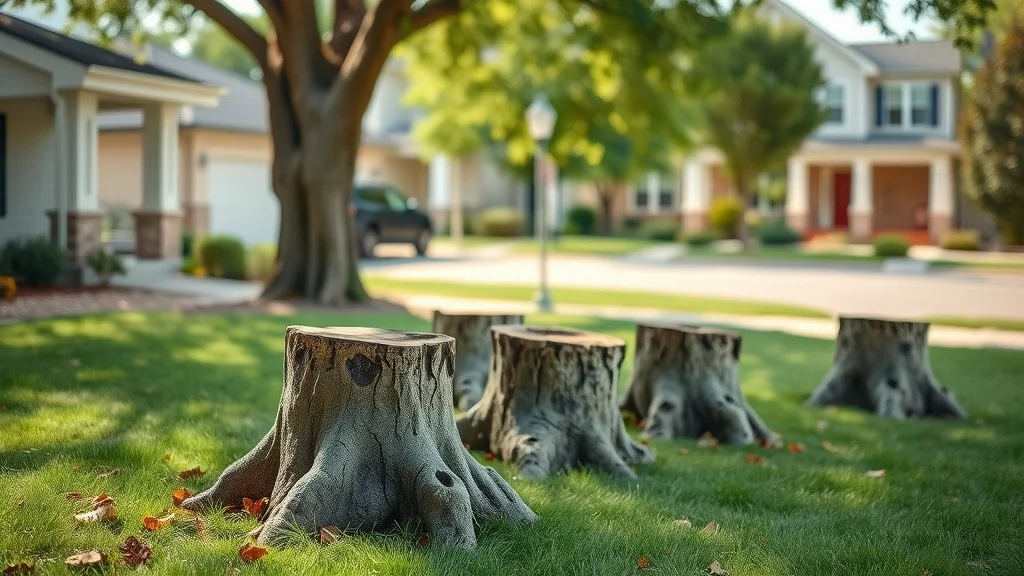
Did you realize that over a third of homeowners leave tree stumps behind, exposing themselves to pest infestations and dipping property values? Understanding tree stump extraction isn't just about tidying up your yard—it's critical for safety and curb appeal. This guide breaks down easy, expert-backed ways to banish tree stumps for good, helping you make the best decision for your landscape and budget. The Surprising Truth Behind Tree Stump Extraction in Modern Landscaping Tree stump extraction is often overlooked in modern landscaping, yet the presence of lingering tree stumps can cause more problems than many realize. Whether you're striving for a pristine front yard or trying to maintain healthy trees, learning about the actual impact of tree stumps is crucial. Not only do stumps detract visually, but they also pose significant hazards to people and property. Choosing when and how to remove a tree stump isn't just about looks—it's about fostering a safe, pest-free, and thriving yard. Did You Know? A Startling Statistic on Tree Stump Extraction "Around 36% of property owners surveyed admitted to leaving tree stumps behind, risking pest infestations and lower curb appeal." – National Landscape Association What You'll Learn About Tree Stump Extraction The differences between tree stump extraction, stump removal, and stump grinding Pros and cons of each stump removal method How to select the best tree stump extraction technique for your landscape Key considerations in tree care and tree service planning Expert tips for achieving a healthy, stump-free lawn Why Tree Stump Extraction Matters: Enhancing Your Property Value Leaving tree stumps scattered throughout your yard can significantly detract from your home's curb appeal—and more importantly, from its overall value. Real estate experts and tree service professionals agree: a yard dotted with old stumps signals neglect and may turn away potential buyers. Proper tree stump extraction not only makes your landscape more attractive, but can have practical implications for your finances and property safety. Investing in stump removal or stump grinding is a direct investment in your home's worth and your family's well-being. The Impact of Tree Stumps on Safety and Aesthetics Common hazards caused by leftover tree stumps Tree stumps as a pest and fungi attractor Evaluating the impact on property appearance Leftover tree stumps are more than just unsightly—they're potential tripping hazards, especially for children and visitors. Decaying stumps can also harbor destructive pests, such as termites and carpenter ants, or dangerous fungi that threaten both healthy trees and people. Visually, an old tree stump can make even the most carefully maintained lawn look unfinished, reducing the perceived value of the entire landscape. For homeowners looking to maintain a healthy and attractive yard year-round, it's also important to consider seasonal tree care practices. Incorporating strategies from fall tree trimming tips that most homeowners miss can help prevent future stump issues and support the overall vitality of your landscape. Methods of Tree Stump Extraction: Comparing Stump Removal and Stump Grinding When deciding on the best tree stump extraction method, two main professional options stand out: stump removal and stump grinding. Understanding the differences, costs, and implications of each technique helps determine which suits your landscape needs and long-term plans. Factors such as the stump's size, the local tree species, root system complexity, and the surrounding area will all impact your choice. Here's a comparative look: Method Effectiveness Cost Estimate Time Required Resulting Landscape Impact Stump Removal High $$$ 1-2 hours Large hole, roots extracted Stump Grinding Medium-High $$ 1 hour Mulch remains, roots left Chemical Solutions Medium $ Several days Gradual decomposition Natural Methods Low-Medium $ 2-3 days Environmentally friendly, gradual Stump Removal: Uprooting the Problem When stump removal is most effective Equipment needed Steps in the stump removal process Stump removal is the most comprehensive way to handle tree stump extraction. This process is best for larger tree stumps with extensive root systems, problematic locations, or when planning to replant in the same spot. Professionals use heavy equipment like excavators or winches to unearth the entire root ball and roots attached. The key steps include digging around the stump, cutting major tree roots, and pulling everything from the soil. While it leaves a significant hole that must be refilled, stump removal ensures no regrowth or hidden rot issues later, making it ideal for complete land restoration or construction projects. Stump Grinding: An Efficient Solution How stump grinding works Benefits for tree care and landscaping When to opt for stump grinding over full removal Stump grinding offers a quicker and less invasive approach to tree stump extraction. Using a powerful, spinning grinder, professional tree services shred the exposed tree stump down to ground level, turning it into mulch or wood chips. This method leaves most roots in place and creates minimal disturbance to the surrounding landscape, making it an excellent option for established lawns or areas where minimal disruption is important. Stump grinding is especially useful for smaller trees or when budget is a concern, but remember, deep roots may persist underground and could decompose over a long time. Tree Stump Extraction and the Role of Tree Services How professional tree services approach extraction Common tools and technologies used by tree service providers Top-rated tree service providers tailor their extraction method to the size, species, and condition of your tree stumps. They are trained in tree care best practices and use specialized gear: stump grinders, chainsaws, digging bars, and cranes for challenging root systems. Their expertise ensures minimal risk to healthy trees, reduces soil damage, and promotes proper site restoration. Engaging professionals means quicker results, advanced safety, and peace of mind that your landscape is handled according to local codes and tree care standards. Natural and Chemical Tree Stump Extraction Methods: What Works Fast? Chemical accelerants for decomposing tree stumps Eco-friendly, manual approaches to remove a tree stump Natural ways to get rid of tree stumps without heavy equipment If you want to extract a tree stump without heavy machinery, there are both natural and chemical options. Chemical solutions—such as potassium nitrate or commercial stump removers—work by speeding up the decomposition process. After drilling holes into the stump, pour in the chemical agent, keep the area moist, and wait several days for the stump to soften and begin breaking down. For eco-friendly, natural methods, simply cover the stump with mulch and soil, or use Epsom salt to attract moisture and encourage decay. These options take longer but are gentler on surrounding healthy trees and the environment. Should You Leave the Stump or Remove It? The decision to leave the stump or remove it depends on both functional and aesthetic goals. While it might be tempting to keep a stump that's low to the ground, experts agree that leaving the stump in place can seriously backfire—leading to rotting wood, regrowth of shoots, or creating habitats for unwanted pests. These risks can extend under the surface, threatening the root system of healthy trees and the broader landscape. Consequences of Leaving Tree Stumps in Place Soil quality, regrowth, and pest risks Impact on healthy trees and overall tree care Leaving a tree stump behind can have long-term drawbacks. Decaying stumps affect soil quality by fostering fungal growth and inviting unwanted critters—carpenter ants, termites, and beetles—directly into your yard. Over time, a decaying stump may compete with healthy trees for nutrients and water, or cause unpredictable regrowth by sprouting new shoots. For optimal tree care and a truly healthy landscape, proactive tree stump extraction is the safer choice. Step-by-Step Guide: DIY Tree Stump Extraction Methods Assess the tree stump size and location Gather stump grinding or removal tools Follow safety protocols outlined by tree care experts Execute the chosen extraction method Dispose or recycle the remnants If you decide on a DIY approach to tree stump extraction, there are clear steps to follow for safety and success. First, measure the size of your tree stump and consider its proximity to structures or healthy trees. For stump removal, you’ll need tools like a shovel, digging bar, chainsaw, and possibly a winch for large root balls. Stump grinding requires renting specialized equipment. Always follow safety protocols: wear gloves, goggles, and sturdy footwear, and keep bystanders at a safe distance. Once you cut the stump, dig or grind it out, dispose of the debris responsibly, and fill the hole with quality soil for a seamless finish. Professional Tree Services vs. DIY Tree Stump Extraction While it's tempting to save money with a DIY tree stump extraction, professional tree services offer unmatched expertise, advanced tools, and streamlined safety measures. For particularly stubborn or massive stumps—especially with widespread root systems—professional help is highly recommended. When to Call a Tree Service for Stump Grinding or Removal Tree service expertise: advanced tools and safety measures Cost-benefit comparison of hiring a professional Consider calling in the pros when facing a larger tree, stumps tangled close to structures, or when you lack experience with heavy equipment. Tree service companies use industrial-grade stump grinding machines and can guarantee both speed and thoroughness. Although the cost is higher, this is often offset by minimized risk, faster site restoration, and superior long-term outcomes. Think of it as investing in a headache-free, healthy landscape. Short cinematic explainer: Compare tree stump extraction methods featuring animated demos for removal, grinding, chemical and natural options. Key Considerations for Safe and Effective Tree Stump Extraction Permitting and local regulations for tree stump removal Environmental impact and sustainable tree care Site restoration for healthy trees post-extraction Before any tree stump removal or stump grinding, check local permitting requirements. Some municipalities require permission for major landscape changes or disposal of large root systems. Choosing eco-friendly methods and protecting surrounding healthy trees is also vital. After extraction, restoring your site—by filling holes, leveling soil, and possibly planting grass or new trees—ensures your yard remains vibrant and hazard-free. People Also Ask: Tree Stump Extraction FAQs How much does stump removal typically cost? The cost for tree stump extraction varies based on the stump size, location, and whether you choose a tree service or do it yourself. On average, professional stump removal ranges from $75 to $350 per stump; multiple stumps or difficult jobs may cost more. What is the easiest way to remove a tree stump? Stump grinding is often considered the easiest method for tree stump extraction, especially when performed by a professional tree service. For small stumps, chemical treatments or digging out the roots can also work. How to get rid of a stump in 2-3 days naturally? Use Epsom salt or commercial stump remover products to accelerate decomposition. Drill holes in the tree stump, fill with these agents, and keep the area moist. While not instant, it can show results in 2-3 days under ideal circumstances. Why shouldn't you leave a tree stump in the ground? Leaving a tree stump invites pests, fungus, and may cause unwanted new tree growth. For optimal tree care and landscape safety, most experts recommend tree stump extraction as part of responsible tree service. Expert Quotes on Tree Stump Extraction and Tree Care "Proper tree stump extraction is crucial for landscape health and prevents long-term issues like insect infestations and root disease." – Dr. Elena Cruz, Certified Arborist Key Takeaways: Making Tree Stump Extraction Simple Tree stump extraction can improve safety and property value Stump grinding and removal are both viable, depending on the situation Consult with a reputable tree service before starting major extraction work Environmental and regulatory factors are important in tree care plans Ready to Tackle Tree Stump Extraction? Grow your landscaping expertise—call 203-271-7991 or visit TreeGuardianNews.com to subscribe. If you’re ready to elevate your landscape beyond just stump extraction, consider how ongoing seasonal maintenance can make a lasting difference. Proactive care, such as strategic trimming in the fall, not only prevents future issues but also enhances the health and beauty of your trees year after year. Discover expert advice and overlooked techniques in fall tree trimming tips that most homeowners miss to keep your property thriving. By integrating these advanced insights into your routine, you’ll ensure your yard remains safe, vibrant, and a true asset to your home. Take the next step in your landscaping journey and unlock the full potential of your outdoor space.

Terms of Service

Privacy Policy

Core Modal Title

Sorry, no results found

You Might Find These Articles Interesting

T
Please Check Your Email
We Will Be Following Up Shortly
*
*
*