









Did you know that over 30% of urban tree damage happens in winter alone? If you’ve ever been shocked by the sight of broken limbs or sickly trees come spring, you’re not alone
Uncover the Urgent Need for Winter Tree Maintenance
- Did you know over 30% of urban tree damage each year occurs during winter? (Opening Hook)
- Learn why winter tree maintenance is your first line of defense against expensive repairs and preventable damage.

What You'll Learn About Winter Tree Maintenance
- Essential winter tree maintenance practices every homeowner needs
- Key insights into winter tree care, tree care tips, and preventing salt damage
- Step-by-step actions to protect your trees and shrubs from harmful rock salt and heavy snow
Why Winter Tree Maintenance Matters for Homeowners
The Impact of Harsh Winter Conditions on Trees
- Cold, late winter freezes and repeated bouts of heavy snow can overstress your trees and shrubs.
- Understanding the effects of salt damage and how strategic winter tree care defends against expensive repairs.
The result? You could lose years of tree growth or find yourself facing high costs for removal, replacement, or repair
The cost of ignoring winter tree care can be surprisingly steep. As tree health declines, property values can drop and the risk of falling limbs or hazardous debris increases—which impacts your safety and the neighborhood’s aesthetics. By staying proactive with targeted tree care tips, you can meet winter’s challenges head-on. Homeowners who implement these strategies now are rewarded with healthier, more beautiful trees come spring—often while their neighbors are still dealing with the aftermath of winter neglect.
For a more detailed breakdown of when and how to prepare your trees before the first frost hits, you might find this comprehensive guide on winter tree maintenance and pre-frost protection especially helpful. It covers additional timing strategies and practical steps to ensure your trees are resilient throughout the coldest months.
Key Winter Tree Maintenance Practices Every Homeowner Should Implement
Tree Care Tips to Prevent Winter Tree Damage
- Inspect the health and integrity of the tree trunk before the cold arrives.
- Water strategically while trees are dormant to support root health.
- Apply dormant oil to shield trees from winter pests.
- Remove weak or damaged branches before heavy snow can snap them.
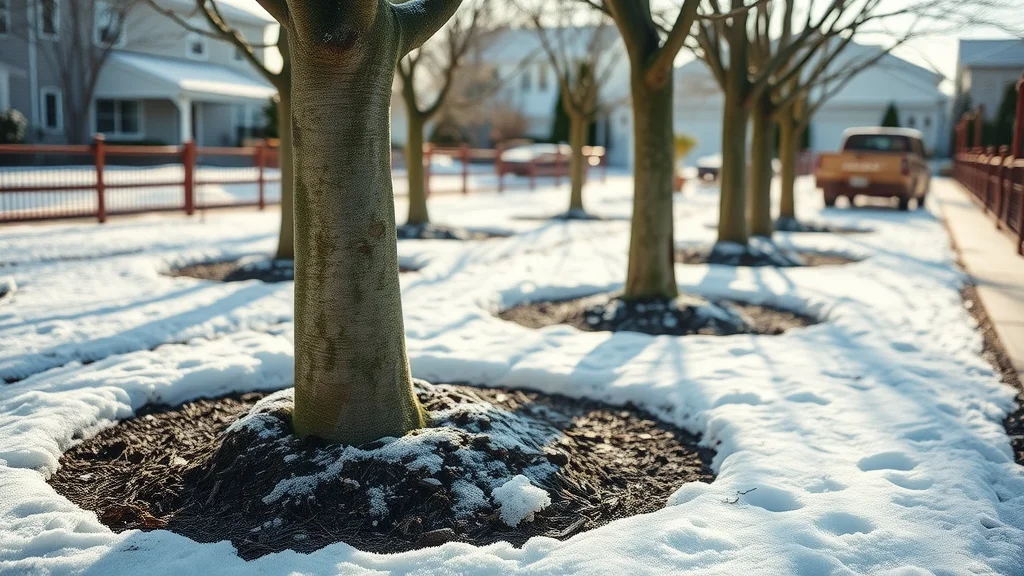
- Mulch trees for winter to insulate roots and retain moisture in the soil.
- Shield young tree trunks from wildlife with proper barriers or wraps.
Implementing the right winter tree care practices makes all the difference for your landscape. Start by thoroughly inspecting every tree and shrub on your property—look for cracked limbs, signs of disease, or bark injuries. Pay close attention to the tree trunk for any damage that could worsen with freezing temperatures. Early intervention, like removing vulnerable branches, means less to clean up in the spring and less risk to people and property below. Strategic winter watering before the ground freezes ensures dormant root systems have enough moisture to thrive, especially during dry winters.
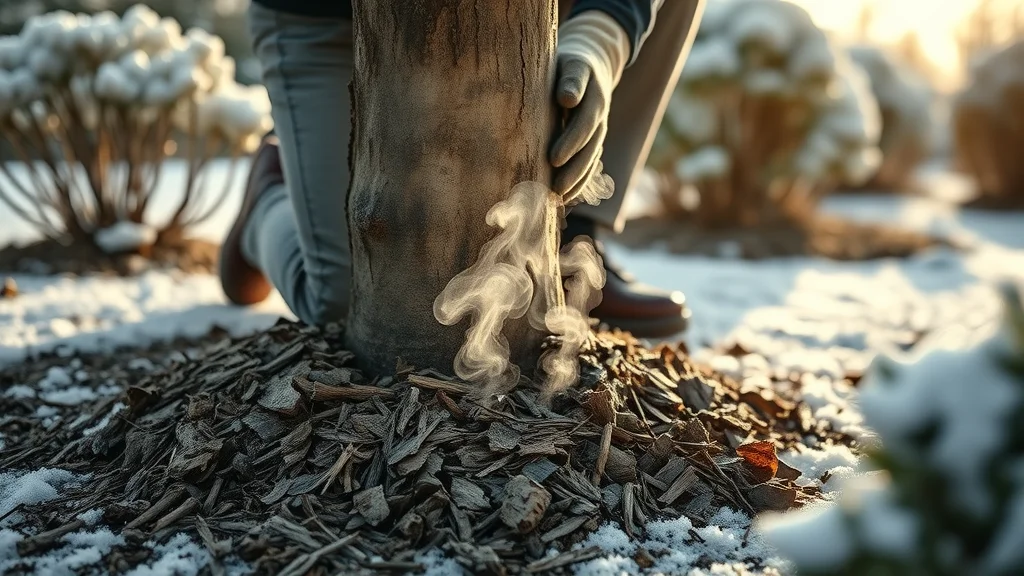
Mulching is one of the most effective ways to protect roots. A layer of mulch not only insulates against rapid temperature fluctuations but also helps retain moisture through the winter. For added protection, apply dormant oil just before temperatures dip. This proactive measure curbs overwintering pests that could attack once the warmth returns. Lastly, young trees are particularly vulnerable—not just to temperature swings but also to gnawing wildlife. Use tree guards or safe wraps to safeguard these new plantings from rodents and sunscald, preventing costly losses before spring.
Protecting Trees and Shrubs from Rock Salt and Salt Damage
Identifying and Preventing Salt Damage in Winter Tree Care
- Rock salt can harm roots and soil health, silently weakening your landscape each winter.
- Tips for minimizing salt exposure and nurturing resilient trees and shrubs even when treating walkways and driveways.
- Discover which trees for winter naturally tolerate salt for problem areas.
“The use of salt may keep your driveway clear, but can silently weaken your landscape all winter long.”
Salt is a winter essential for many homeowners, but it poses a hidden risk to your trees and shrubs. Rock salt runoff from roads and sidewalks can seep into the root zones, causing salt damage that isn’t always visible until late spring. Symptoms include browning needles, stunted growth, or entire branches dying off—classic signs that the salt has disrupted natural nutrient and water uptake. The best defense is to limit non-essential salt use around trees, opting for sand or safer de-icing products wherever possible.
For areas that must be salted, create physical barriers between walkways and plantings to prevent runoff. Apply extra mulch around the bases of affected trees and shrubs to reduce salt penetration and insulate roots. Consider planting salt-tolerant species—such as certain pines, birches, and dogwoods—near roads and driveways, as their natural resistance offers resilience where other varieties might struggle. Staying watchful for salt damage helps you intervene early and boosts your overall winter tree care strategy.
Pruning and Trimming: Is Late Winter the Best Time?
Are You Supposed to Trim Trees in Winter?
- Pruning during the dormant tree phase provides multiple advantages: less stress, reduced pest attraction, and easier detection of problem branches.
- Apply core tree care practices during late winter for robust, healthy spring growth.
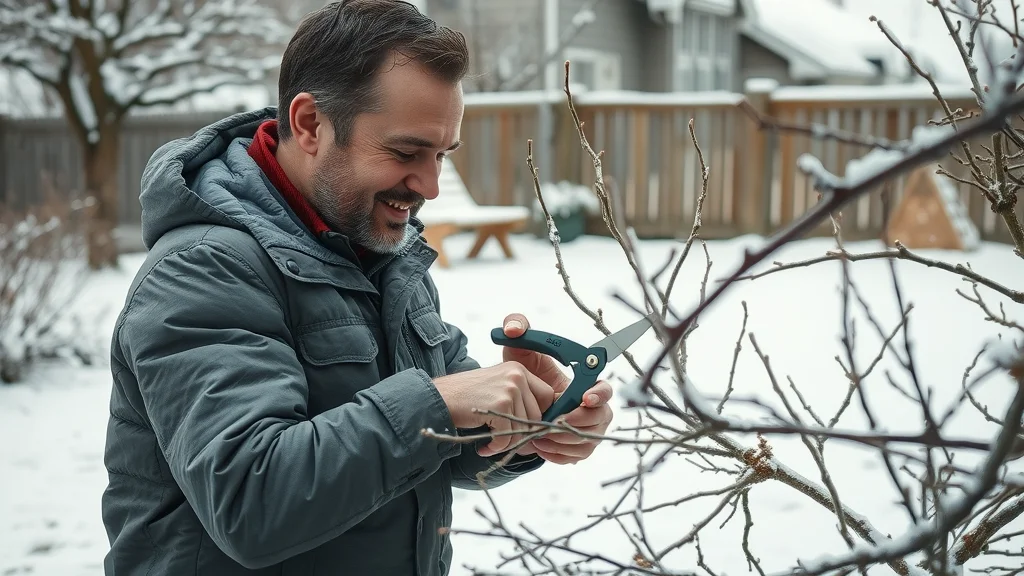
Winter, especially late winter, is the optimal period for pruning most trees and shrubs. With leaves gone, arborists and homeowners get a clear view of each tree’s structure, allowing targeted cuts and healthier shaping. Pruning during the dormant phase speeds up wound healing once growth resumes in spring because energy is then focused on new, healthy branches instead of repairing winter trauma or pest-inflicted wounds. In addition, cold weather limits the spread of diseases (like oak wilt) and pests that target fresh cuts in warmer seasons.
Use sharp, sanitized pruners or saws to remove branches that cross, rub, or show disease. This not only prevents future problems but helps channel vital nutrients to stronger parts of the tree. Don’t forget to properly dispose of all branches and leaves to avoid overwintering pests and disease spores. Homeowners see the best results when pruning is done just before buds swell—maximizing vigorous regrowth once the growing season starts.
Winter Tree Fertilization and Soil Health
Should I Fertilize My Trees Before Winter?
- Best timing and methods for fertilizing as part of effective winter tree care
- Choosing nutrients for durable winter growth and prepping for a healthy spring rebound
“Healthy soil in late winter sets the stage for vigorous spring growth.”
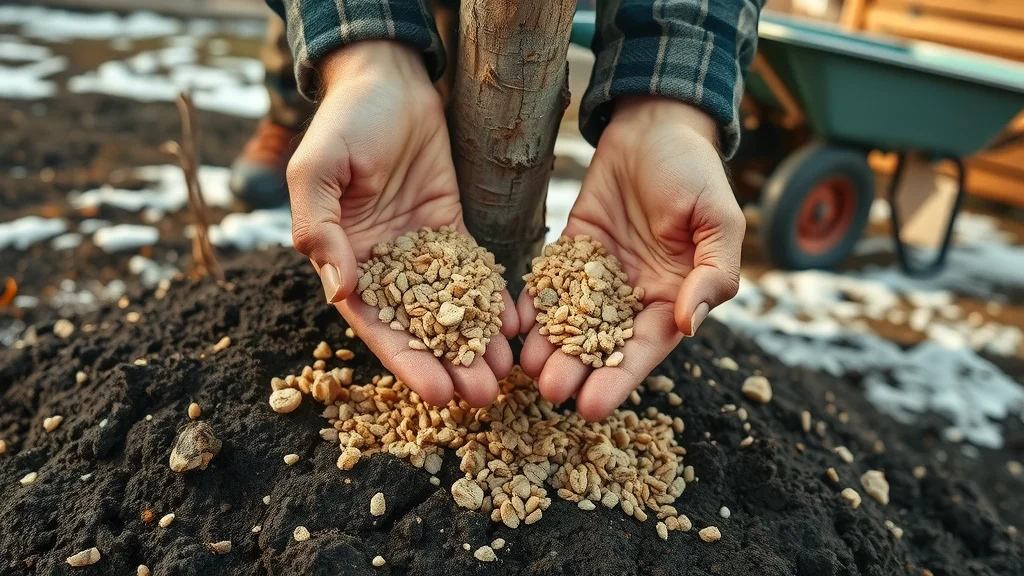
The right fertilization, done at the proper time, is an investment in long-term tree health and resilience. Applying slow-release, organic tree fertilizers in late fall or early winter helps roots absorb vital nutrients before the ground freezes. This process boosts the root system for surviving the winter and preparing for spring’s demands. Avoid high-nitrogen fertilizers before dormancy, as they can promote untimely growth easily damaged by freezing temperatures.
Prioritize soil health by enriching it with organic matter, such as compost or well-aged manure, to build a stronger nutrient base and improve moisture retention. This not only supports sturdy roots but also encourages beneficial microorganisms which keep trees strong through winter stress. Consult a certified arborist if you’re unsure about proper products or application methods—correct fertilization is a simple, year-round tree care tip with significant payoffs.
Tree Wraps, Saran Wrap, and Tree Trunks: Myths and Facts
Why Do People Put Saran Wrap Around Trees?
- Wrapping tree trunks protects against rodents, sunscald, and damaging winter weather.
- Modern alternatives offer superior results for optimal winter tree care without the drawbacks of plastic wrap.
Their main purpose? To guard against frost cracks, pest damage, and even sunscald—a condition where sunny winter days heat the bark, which then freezes and splits as temperatures drop
If you’re considering wrapping, remember it’s typically unnecessary for mature, thick-barked trees. Reserve wraps for young trees, thin-barked species, or specimens recovering from previous winters. Remove wraps in early spring to prevent trapping moisture against the bark as the growing season resumes. This approach keeps your trees protected but lets them breathe and grow when the time is right.
Selecting Trees for Winter Resilience
Best Trees for Winter and Late Winter Tree Care Tips
- Choose trees and shrubs bred for resilience against heavy snow and salt damage.
- Top picks for low-maintenance, winter-ready landscaping for busy homeowners.
Picking the right trees for winter is a winning move for low-effort, lasting curb appeal. Some species are naturally equipped to handle tough northern climates—offering strong branches, deep roots, and resistance to salt or wildlife damage. Pine, spruce, birch, and red twig dogwood are all strong candidates for regions prone to snow or ice accumulation. These species maintain their structure, color, and vitality even in the harshest months, meaning less maintenance and lower risk for you.
Integrating a mix of evergreen and deciduous varieties creates visual interest and ensures your yard looks great even in the off-season. New plantings should focus on already-proven winter survivors, particularly near driveways or salt-prone streets. For even greater resilience, select shrubs and groundcover that are also salt tolerant. The result: an attractive, hardy landscape that requires minimal intervention and delivers vibrant spring recovery year after year.
Winter Tree Maintenance Table: Quick Reference for Homeowners
| Task | Timing | Tools | Why It Matters |
|---|---|---|---|
| Inspect trees and shrubs | Early winter | Pruners, gloves | Identify issues before extreme cold |
| Apply mulch | Before first frost | Mulch, rakes | Insulate roots, retain soil moisture |
| Prune branches | Late winter | Pruners, saw | Encourage healthy growth in spring |
| Protect tree trunk | All winter | Tree wraps | Prevent damage from animals and sunscald |
| Avoid rock salt | All winter | Safe de-icers | Reduce risk of salt damage |
Watch as a professional arborist walks you through vital winter tree maintenance practices—from branch inspection and safe pruning to strategic mulching and steps to prevent salt damage. This video offers visually clear, step-by-step guidance homeowners can apply immediately for healthier, safer trees.
People Also Ask About Winter Tree Maintenance
How to care for a tree in winter?
- Follow this comprehensive winter tree maintenance guide applicable to all tree types.
- Focus on watering as needed (when ground is not frozen), mulching, strategic pruning, and protective coverings for best results.
Caring for trees in winter centers on four best practices: Inspect all trees and shrubs for damage or disease; water deeply before the ground freezes; lay down a generous mulch layer to insulate roots; and prune dead or weak branches during dormancy. For especially severe winters, consider using tree wraps as an extra precaution, particularly for young or newly planted trees. Proper winter watering and covering sensitive tree bases help minimize freeze-thaw damage and ensure healthy, vibrant growth when spring arrives.
Why do people put saran wrap around trees?
- Saran wrap and tree wraps are used to guard tree trunks against winter hazards such as frost cracks, pest infestations, and road salt damage.
- Knowing best practices—including which materials to use—ensures optimum winter tree care without harming bark health.
Most homeowners wrap trees in winter to protect them from stress caused by temperature swings, sunscald, and gnawing rodents. However, saran wrap isn’t the ideal material. Instead, breathable commercial tree wraps or specialized guards allow moisture to evaporate, preventing disease and decay. Wrapping is most crucial for young, thin-barked trees, while mature specimens rarely require the extra step unless recovering from earlier injury. Always remove wraps in early spring to avoid trapping moisture during the new growing season.
Are you supposed to trim trees in winter?
- Yes—dormant tree pruning lowers the risk of disease and shapes structure without interfering with the tree’s natural cycles.
- Late winter is considered the best time for most winter pruning needs, ensuring vigorous and healthy spring regrowth.
Late winter is the ideal time to trim most trees. During this dormant phase, trees are less susceptible to damage and the wounds heal quickly once growth accelerates in spring. Prune to remove diseased, damaged, or crossing branches, and shape the tree for healthier future growth. Avoid pruning just before severe freezes, as this can stress the tree. As always, use clean, sharp tools—and when in doubt, consult a certified arborist for expert job execution.
Should I fertilize my trees before winter?
- Fertilizing in late fall or early winter provides root-supporting nutrients that sustain trees through the coldest months.
- Choose slow-release fertilizers for a safe, sustainable boost to winter tree health.
Fertilizing before winter helps establish a reserve of nutrients in the soil, supporting root growth during dormancy. Opt for slow-release, balanced fertilizers and avoid those with high nitrogen. Healthy, nutrient-rich soil drastically improves your trees’ odds of not just surviving, but thriving through winter. For tailored advice—especially for older or uniquely vulnerable specimens—consult your local extension service or a tree care professional.
Short video tutorial: A certified arborist demonstrates real-world strategies for minimizing salt damage on susceptible trees and shrubs, including how to build physical barriers, select salt-tolerant plants, and use safe de-icers to keep landscapes healthy.
Seasonal Checklist: Winter Tree Maintenance for Homeowners
- Assess all trees and shrubs for structural weaknesses before snow arrives.
- Apply mulch to the base of trees for winter root protection and to retain moisture.
- Spray dormant oil where pests are a concern, following safety guidelines.
- Avoid applying rock salt near tree root zones; choose gentler alternatives.
- Prune trees during late winter to stimulate strong, healthy growth in spring.
Frequently Asked Questions About Winter Tree Maintenance
-
What is the best mulch for winter tree care?
Use organic mulch (like shredded bark, wood chips, or compost) for best insulation and moisture retention around your tree trunks. -
How often should I water my trees and shrubs in winter?
Water deeply before the ground freezes. Water only on dry winter days when temperatures are above freezing and the soil isn’t frozen. -
Is dormant oil safe for all types of trees?
Dormant oil is generally safe for most trees and shrubs, but always check the product label and avoid use on sensitive or non-dormant species. -
What are warning signs of salt damage to trees during winter?
Look for browned leaf tips, stunted spring growth, and white crust on soil or roots. Take preventive action if you notice any of these symptoms.
Key Takeaways for Effective Winter Tree Maintenance
- Proactive winter tree maintenance saves money and preserves landscapes.
- Prioritize care tips addressing late winter challenges, including heavy snow and salt exposure.
- Select trees and shrubs that are naturally adapted to winter stress for a lower-maintenance yard.
Start Protecting Your Trees: Discover Local Winter Tree Maintenance Professionals Today
Ready to shield your trees from winter’s worst? Connect with certified local tree care experts
If you’re eager to deepen your understanding of seasonal tree care and want to stay ahead of winter’s challenges, exploring broader strategies can make all the difference. The article on protecting your trees before frost offers a strategic perspective on long-term tree health, including expert insights on timing, preparation, and advanced maintenance techniques. By expanding your knowledge, you’ll be better equipped to nurture resilient trees year after year—ensuring your landscape thrives no matter what winter brings. Take the next step and discover how a proactive approach can transform your yard into a model of winter-ready beauty and strength.
To enhance your understanding of winter tree maintenance, consider exploring the following resources:
-
“Winter Tree Care Essentials for Property Owners”: This article provides a comprehensive guide on winter tree care, including tips on pruning, mulching, and protecting trees from harsh weather conditions. (coastalspray.com)
-
“Winter Tree Care Checklist: What Every Homeowner Needs to Know”: This checklist offers practical steps for homeowners to maintain tree health during winter, covering aspects like watering, mulching, and inspecting trees for damage. (shannonandsonstree.com)
By consulting these resources, you’ll gain valuable insights into effective winter tree maintenance practices, ensuring your landscape remains healthy and resilient throughout the colder months.


Write A Comment