Tree Guardian News
update
Tree Guardian News
update
  • Home
  • Categories
    • Storm Damage & Prevention
    • Tree Care Tips & Landscaping
    • Tree Disease Identification & Treatment
    • Insurance Intel
    • DIY Tree Care & Safety
    • Sustainable Tree Care & Eco Solutions
    • Professional Tree Services
    • Arborist Stories
    • Latest News
    • Industry Insights
Arborist Get Featured 
  • update
  • update
  • update
  • update
  • update
  • update
  • update
March 26.2025
1 Minute Read

Unlock ISA Certified Arborist Secrets Today!

Unlock ISA Certified Arborist Secrets Today!
"Elevate your expertise and stand out with an ISA Certified Arborist credential."

Discover the Value of Becoming an ISA Certified Arborist

Have you ever wondered what it takes to become an ISA Certified Arborist and how it can impact your career in arboriculture? The journey towards this prestigious credential opens a gateway to numerous professional opportunities and recognition in the field. As part of the International Society of Arboriculture (ISA), this certification is highly regarded globally.

  • Understand the prestige and advantages of ISA certification
  • Explore career opportunities enhanced by certification
  • Learn from experts in the field

What is an ISA Certified Arborist?

Defining the ISA Certified Arborist Credential

The ISA Certified Arborist credential demonstrates a high level of knowledge and expertise in tree care. This certification requires a thorough understanding of arboricultural practices, safety standards, and ethical obligations.

  • Explanation of ISA certification requirements
  • Overview of the certification process
  • Associated benefits and recognition

Steps to Become an ISA Certified Arborist

How Hard is it to Become an ISA Certified Arborist?

Earning the certification involves significant dedication and preparation. Candidates should have a background in arboriculture, such as work experience or education, to understand the complex nature of tree biology and care.

Preparation resources such as the official ISA study guide and practice exams are crucial for success. While challenging, the process is rewarding, offering valuable skills that exceed the standard expectations of arborists.

  • Necessary experience and educational background
  • Exam preparation tips and recommended resources
  • Common challenges and how to overcome them

How Much Does ISA Arborist Certification Cost?

Item Cost
Application Fee $135
Exam Fee $250
Study Materials $150
Retake Fee $75

Is ISA Certification Worth it?

For many, the investment in becoming an ISA Certified Arborist pays off significantly. Not only does it open doors to advanced career opportunities, but it also often leads to higher salary potential.

Personal testimonials from certified arborists highlight the increased credibility and satisfaction they experience in their profession.

  • Return on investment: career growth and salary implications
  • Personal stories and testimonials from certified arborists

What You'll Learn: Key Arborist Skills and Knowledge Areas

  • Safety standards and best practices
  • Tree biology and planting techniques
  • Pruning, surgery, and care methods

Realize the Benefits of Certification Renewal and Advanced Credentials

  • Staying updated with the latest arboriculture trends and practices
  • Opportunities for specialized certifications (e.g., Municipal Specialist, Utility Specialist)
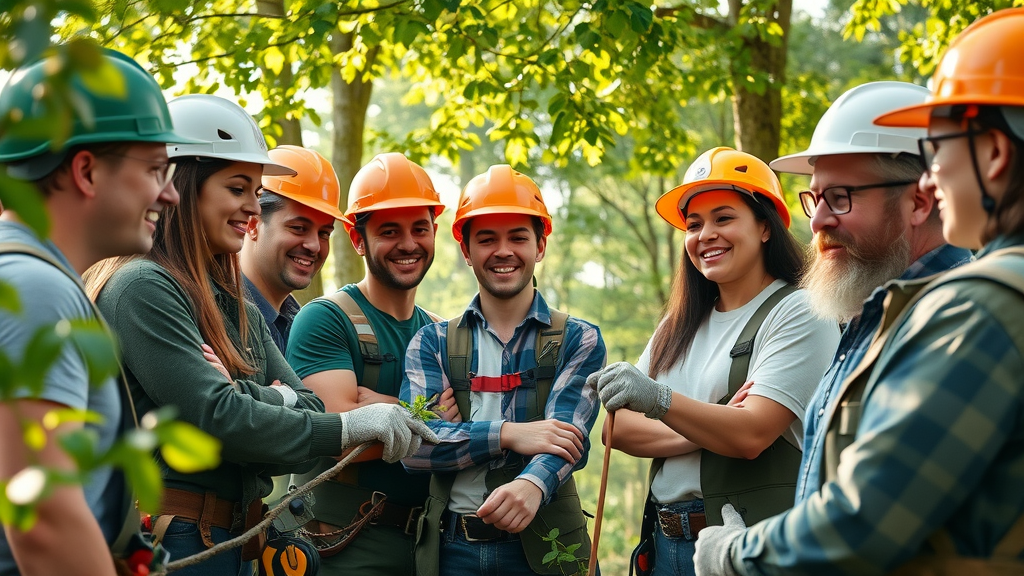
Key Takeaways from the Certification Journey

  • Summary of benefits and considerations
  • Encouragement to pursue the credential for professional advancement

FAQs: Addressing Common Queries

  • How is the ISA exam structured?
  • Can I take the exam online?
  • What if I fail the exam?

Join the ISA Certified Community Today!

  • Highlight the network of professionals and resources available
  • Invitation to sign up for a certification preparation course
  • CTA to visit the ISA website for more information and next steps
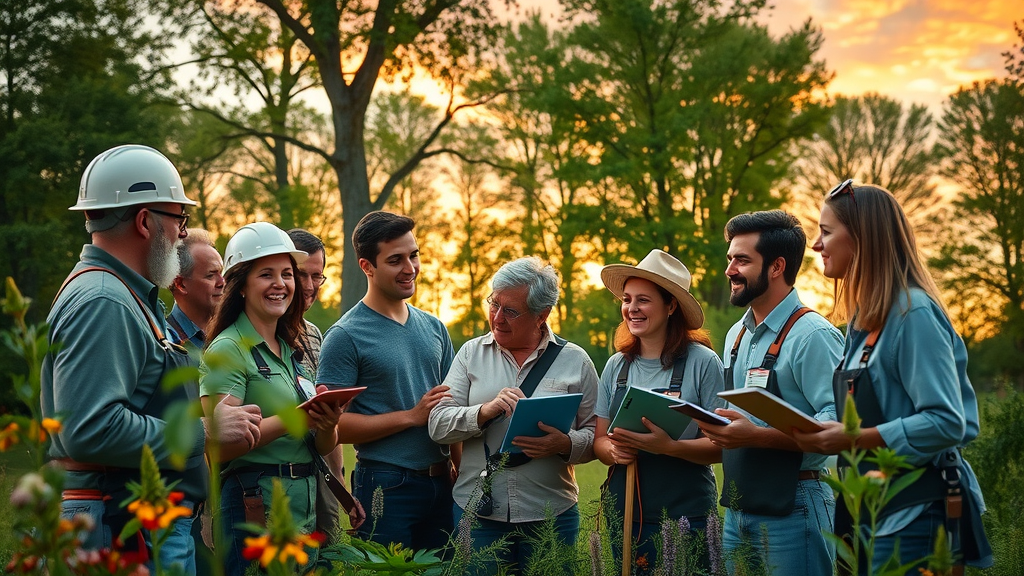
Conclusion

  • Recap the importance of ISA certification
  • Encourage readers to take action and pursue certification
External Links:
  • ISA Privacy Policy
  • ISA Organization
  • Forest Health Concerns After Hurricane Helene Explained
  • Hurricane Safety Tips for Homeowners and Businesses
Latest News

63 Views

Write A Comment

*
*
Please complete the captcha to submit your comment.
Related Posts All Posts
04.24.2026

When Is the Best Time to Prune Trees for Healthier Growth?

Explore the best time to prune trees to ensure their health and longevity with expert insights on seasonal pruning.

04.22.2026

Is Your Tree Showing These Signs It Needs Pruning? Find Out Now!

Discover the signs your tree needs pruning, including tree cutting tips and essential pruning signs to ensure healthy growth.

04.17.2026

What You Need to Know About Twig Canker and Diplodia in Little Elm, Texas

Update Understanding the Intricacies of Twig Canker and Diplodia In Little Elm, Texas, various environmental challenges pose significant threats to the health of junipers and Red Mountain Cedars. As residents witness increasing dieback in these much-loved trees, it's vital to grasp the depth of conditions like twig canker and Diplodia. Although these diseases often seem isolated, they reveal a broader narrative of environmental stressors endangering our local landscapes. What is Twig Canker and how does Diplodia Play a Role? Twig canker is caused primarily by the Diplodia fungus, a notorious opportunist in the world of tree ailments. This fungus typically resides in the environment, lying dormant on dead plant material, waiting for the moment a tree weakens under stress. With sufficient moisture and temperature conditions, it springs into action, invading the tree through minor wounds or natural openings. When the fungus takes hold, it disrupts the transport of water and nutrients within the tree, leading to symptoms such as browning branch tips and dieback. This is particularly perilous during drought conditions, like those seen throughout Texas in 2023, where the trees' defensive capabilities are compromised. The Invisible Enemies: Spider Mites While twig canker wreaks havoc internally, spider mites launch an offensive from the outside. These minute pests pierce the foliage, extracting vital chlorophyll and therefore energy. The visible result is often yellowing leaves and an easily recognizable webbing. This interaction illustrates a compound effect where the tree, already weakened by Diplodia, becomes even more susceptible to damage. Environmental Stress Factors Compounding Tree Health Issues The combination of twig canker and spider mites represents just one part of a larger story. Environmental stresses such as drought, soil compaction, and poor drainage exacerbate these tree diseases. Trees struggling with these conditions find it challenging to produce defensive compounds, thus allowing diseases to proliferate. As the tree loses its ability to fend off these threats, it enters a downward spiral, often leading to irreparable damage. Spotting the Signs: What Homeowners Should Look For For homeowners in Little Elm, awareness of early warning signs is crucial for tree maintenance. Keep an eye out for symptoms like yellowing leaves, sparse canopies, and fine webbing on branches, which often indicate spider mite visits. Addressing these issues promptly can increase the chances of tree recovery tremendously. Effective Treatment Strategies for Healthier Trees Mitigating the threats posed by twig canker and spider mites involves a strategic approach. Homeowners should consider consulting with arborists for personalized care strategies tailored to their trees’ specific needs. Regular watering, especially during drier seasons, along with timely pruning can play pivotal roles in managing tree health and preventing disease progression. Utilizing biological control options for spider mites can also help protect these evergreens. Understanding and assessing these conditions will empower local residents to better take care of their trees, promoting healthier, thriving landscapes throughout Little Elm. By emphasizing early detection and proactive strategies, homeowners can significantly enhance the resilience of their junipers and Red Mountain Cedars. Experience the benefits of professional tree care—contact a certified arborist today to support your local landscape!

Terms of Service

Privacy Policy

Core Modal Title

Sorry, no results found

You Might Find These Articles Interesting

T
Please Check Your Email
We Will Be Following Up Shortly
*
*
*