







Add Row
Add Element
Tree Guardian News
update
Tree Guardian News
update
Add Element
  • Home
  • Categories
    • Storm Shield
    • Roots & Routes
    • Disease Detective
    • Insurance Intel
    • DIY Arborist
    • Futureproof Foliage
    • Pro-Partner Spotlight
    • Arborist Stories
    • Tree Care Blog
    • Tree Guardian News Blog
SUBSCRIBE TO NEWSLETTER 
  • update
  • update
  • update
  • update
  • update
  • update
  • update
March 12.2025
3 Minutes Read

Hurricane Helen: Crucial Tips for Homeowners to Stay Safe

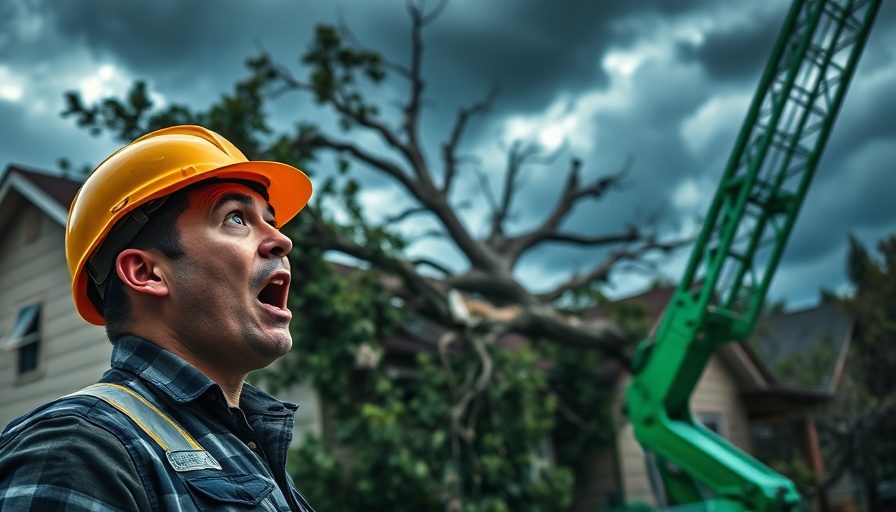
Worker reacts to storm damage during Hurricane Helene, vivid crane.

Get Prepared: Essential Hurricane Safety Tips

As Hurricane Helen approaches with fears of 150 mph winds, it's essential for homes and business owners to know how to protect themselves and their property. Guided by the expertise of Mark Russell, an ISA certified arborist and licensed insurance adjuster, we delve into safety precautions that can help you weather the storm.

In 'URGENT Hurricane Tips from Mark Russell, ISA Arborist & Insurance Adjuster | 770 Arborist', the discussion dives into hurricane preparedness, exploring key insights that sparked deeper analysis on our end.

Understanding Insurance Before the Storm Hits

It's crucial to understand your insurance policy before disaster strikes. Mark emphasizes that homeowners often underestimate or misunderstand their coverage, especially concerning fallen trees. Many believe they lack sufficient funds to manage tree removal or damage, leading to delays that can have dire consequences. Remember, if a tree falls on your property, your insurance may cover removing that tree, but you need to act quickly.

Key Preparations to Keep Your Family Safe

This hurricane season, Mark shares vital steps to ensure your family stays safe. He suggests prepping your home by:

  • Securing outdoor furniture and items that could become projectiles in high winds.
  • Finding shelter away from trees, especially large ones that can fall on your house.
  • Being prepared for power outages with backup generators and fuel.

Mark himself has stocked up on essentials including food and fuel, showcasing the proactive approach every family should take as they ready for a storm.

Stay Informed: Use Reliable Forecasts

Understanding the hurricane's trajectory is vital. Mark advises homeowners to keep an eye on weather updates from reliable sources such as NOAA for the latest storm information. Track the storm's speed and prepare accordingly. The installation of tools like Starlink can ensure communication remains intact during outages. Technology plays a crucial role when nature tests our limits.

Understanding the Risks of Trees

Trees can pose significant risk during hurricanes. Larger trees can easily fall and cause considerable damage. Mark explains that staying away from corners of the house where trees lean can save lives. In extreme weather, it is advised to stay on the ground floor to avoid injuries from falling debris.

The Importance of Quick Response After Damage

If damage occurs, Mark emphasizes that being proactive post-storm is part of your duty under insurance claims. Ignoring immediate needs can lead to denial of coverage. Quick action can also minimize damage, leading to more manageable claims. Always gather multiple estimates to ensure you get a fair deal for any necessary repairs.

Some Final Thoughts: Safety Comes First

In uncertain times, preparation and knowledge are your best allies. As Mark advises, never hesitate to hire professionals to deal with damage rather than attempting risky repairs yourself. Your safety is paramount. Prepare adequately, stay informed, and ensure your loved ones know how to act during the storm.

If you found these insights valuable, feel free to share this article with others in your community to foster more preparedness during hurricane season. Remember, safety is a shared responsibility!

Insurance Intel

50 Views

Write A Comment

*
*
Related Posts All Posts
02.03.2026

Court Restores Offshore Wind Projects: What Homeowners Need to Know

Update The Path to Progress: Court Restores Hope for Offshore Wind Projects In a recent ruling, all five offshore wind projects that were halted by the Trump administration can now resume construction, bringing a breath of relief to environmentalists, energy developers, and homeowners alike. This decision came from U.S. District Court Judge Royce Lamberth, who granted Danish company Orsted the right to continue work on its Sunrise Wind project located off the coast of New York. The halt, put in place due to purported national security concerns, created uncertainty for the multi-billion-dollar facilities, which are critical to meeting renewable energy goals. The Interior Department had paused these projects on December 22, 2025, causing considerable distress within the industry. Orsted invested over $7 billion in the Sunrise Wind initiative, which, when completed, is set to deliver clean energy to nearly 600,000 homes starting in October. Understanding the Implications for Homeowners For homeowners, especially those residing in the Northeast where these offshore wind farms are located, this ruling signifies more than just a legal win; it embodies the potential for cheaper energy bills and a commitment to sustainability. Renewable energy initiatives like these wind farms promise to decrease dependency on fossil fuels, paving the way for cleaner and more affordable solutions in the long run. The recent court decision not only protects the investments made by energy companies but also safeguards the long-term interests of homeowners who might benefit from lower energy costs. As more homeowners seek to reduce their carbon footprints, these projects represent a critical step toward sustainable energy consumption. The Ongoing Battle Over Energy Policy The ruling is a significant setback for the Trump administration, which has consistently pushed back against offshore wind development, labeling wind turbines as inefficient and unattractive. Despite these challenges, experts like Jacob Pedersen from Sydbank believe that the political landscape remains fraught with risk for these projects. "Even with the lifting of the construction freeze, there is an imminent risk that Sunrise Wind will face a very difficult and turbulent period in relation to the Trump administration’s obstruction," he noted. This ongoing tug-of-war between the pursuit of renewable energy and the policies of the administration highlights a key issue for homeowners who are eager to transition to more sustainable forms of energy. The ability to harness offshore wind power is not just about providing electricity; it's about fostering a resilient infrastructure that can withstand political upheaval. Looking Forward: Opportunities Amid Uncertainty As construction resumes on these key offshore projects, the emphasis shifts to the future implications not only for energy but also for the job market. Thousands of jobs are linked to construction and maintenance of offshore wind farms, promising economic rejuvenation in coastal communities. Furthermore, with the pressing need for renewable energy sources, resuming these projects could catalyze further investments in green technologies. For those interested in homeowner insurance, it’s important to recognize how these developments can influence property values and fiscal stability in regions transitioning to renewable energy sources. Insurance companies may also adjust coverage and rates, depending on the improvements in energy infrastructure and its implications for property safety and energy efficiency. Conclusion: A Bright Future Ahead The court's ruling signals a significant milestone for the U.S. offshore wind industry, underscoring the importance of legal protections for renewable energy projects. Homeowners should remain informed about these developments, as they have the potential to impact everything from energy costs to environmental sustainability. As these projects continue to emerge, staying proactive about energy options and preparing for the future can greatly benefit homeowners. Embrace the shift towards renewable energy and consider how such initiatives can enrich not only your home’s energy efficiency but also the community’s economic vitality.

02.02.2026

Nuclear Safety at Risk: What Homeowners Need to Know in Ukraine

Update Escalating Nuclear Risks in Ukraine: A Dire Concern for Homeowners As the war in Ukraine continues to rage, the ongoing attacks on its energy infrastructure not only plunge civilians into darkness and cold but also heighten the risk of a nuclear disaster. The recent special session of the International Atomic Energy Agency (IAEA) drew significant attention to the urgent threats facing Ukraine’s nuclear facilities, which are predominantly reliant on stable energy supplies. Ukrainian officials and diplomats are increasingly vocal about the dangers posed by Russian military actions. Netherlands Ambassador Peter Potman outlined this risk during the IAEA meeting, noting that the persistent bombings could easily lead to a catastrophe reminiscent of historical nuclear disasters. With four operational nuclear plants in Ukraine, any failure in their power supply systems could result in catastrophic meltdowns, impacting not only Ukraine but potentially reverberating across Europe. Nuclear Safety Infrastructure: Critical Operations Under Threat The technological backbone of Ukraine's nuclear facilities—its electrical infrastructure—is crucial for ensuring reactor cooling and preventing meltdown scenarios. IAEA Director General Rafael Grossi emphasized that disruptions to electrical substations as a result of Russian strikes directly undermine nuclear safety protocols. In response to these threats, Grossi confirmed that an IAEA expert mission is actively assessing ten critical electrical substations that are crucial to nuclear safety. The implications of this assessment extend beyond energy security; they touch upon the broader safety and health of homeowners who might live in proximity to nuclear facilities. The Historical Context of Nuclear Safety in Warfare Ukraine's history does not shy away from the painful lessons of a nuclear catastrophe. The Chornobyl disaster in 1986 remains a pertinent reminder of the devastating consequences of nuclear accidents. This historical context intensified focus on the current state of nuclear facilities amidst warfare, with Russia’s disregard for safety protocols in its offensive operations. According to reports from the Department of Energy, the systematic neglect by Russian forces of these safety assurances shows a troubling pattern that continues to jeopardize civilian safety. Global Implications of Local Nuclear Risks The potential for nuclear accidents in Ukraine raises global alarms, especially in the context of international stability and security. Homeowners, particularly those in Europe, should remain vigilant about how regional conflicts can endanger nuclear safety, making the topic of homeowner insurance especially relevant. Malpractice at one of these facilities could necessitate cross-border evacuations, insurance claims, and public health responses that could alter life as they know it. Proactive Measures Homeowners Can Take Awareness of nuclear risks is essential for homeowners, especially those residing near nuclear plants. Homeowners should consider evaluating their insurance policies to ensure adequate coverage against nuclear-related incidents. Engaging in community preparedness programs can also empower residents to feel equipped should they need to respond to emergency situations, underscoring the importance of being informed and ready. Calls for International Support and Vigilance Echoing the sentiments of leaders like Ukrainian Ambassador Yurii Vitrenko, it is crucial for the international community to keep nuclear safety in Ukraine under the spotlight. Continuous pressure on Russia to respect nuclear protocols remains vital to ensure the security of not just Ukrainians, but all of Europe. The collective action from supported nations like the U.S. and allies in the EU can be a key factor in mitigating the risks that linger as winter descends upon Ukraine. For homeowners, taking an active interest in nuclear safety measures and ensuring their insurance is up to date is not just about protection; it is a shared responsibility that extends to community well-being. As global citizens, we must remain informed and proactive as we navigate the current landscape of international conflicts and nuclear safety.

01.31.2026

California Accelerates EV Rules: What Homeowners Need to Know

Update California's Bold Move Towards Electric Vehicles California is stepping up its game in the fight against climate change by accelerating efforts to establish new electric vehicle (EV) regulations and tax incentives. Amidst ongoing battles with federal authorities, notably the Trump administration, the state is determined to uphold its environmental standards, a stance that could reshape the automotive industry and impact homeowners looking to transition to greener options. This week, California officials met with executives from leading automakers to lay out enhancements to greenhouse gas regulations for cars and trucks. A Response to Federal Tax Changes In light of federal budget changes that eliminated tax credits for new electric vehicles, California Governor Gavin Newsom is poised to announce a major EV incentive program worth $200 million. This program aims not only to support California's ambitious goal of phasing out gas-powered vehicles by 2035 but also to ease the financial burden on homeowners considering switching to electric cars, which could also lead to lower insurance premiums. Environmental Implications for Homeowners With California historically known for having some of the nation’s highest levels of air pollution, these emerging regulations are crucial. Homeowners, in particular, may see direct benefits if more residents opt for electric vehicles, as improved air quality can enhance property value and overall community health. The National Shift Towards Zero-Emission Vehicles California's leadership in environmental policy has often been a model for other states. Many states have adopted similar measures aimed at reducing emissions. The state has utilized its unique authority under the Clean Air Act to implement stricter emission standards that are often at odds with federal regulations. This confrontation has broader implications for national transportation policies and individual homeowners, as the push for greener vehicles could lead to increased property values and energy-efficient options. Challenges Ahead However, the road to a zero-emission future is fraught with challenges. The Trump administration has actively sought to roll back protective measures, including federal emissions standards. Automakers have varied responses to these regulations, with companies like GM expressing a desire for more interaction with regulatory bodies, while others find it financially advantageous to scale back their compliance efforts. As California advances its policies, the potential for federal backlash remains a significant concern for homeowners hoping to see improvements in their local environment. The Bigger Picture: Global Competition California's push for electric vehicles is not just about local air quality. It also represents a strategic move in the global market, where competition is heating up. As Sanchez noted, Trump’s attempts to undermine these initiatives risk ceding market leadership to countries like China. Embracing EV technology puts California in a position to lead innovation, impacting everything from homeowners' choices for sustainable living to the larger economy. As the state forges ahead with its ambitious plans, it's clear that the outcomes will resonate beyond just environmental statistics; they will influence homeowner insurance rates, property values, and the overall quality of life in communities across California. In light of these developments, homeowners would do well to stay informed and consider how transitioning to electric vehicles can not only benefit their own financial situations but also contribute to a cleaner, more sustainable environment for future generations.

Terms of Service

Privacy Policy

Core Modal Title

Sorry, no results found

You Might Find These Articles Interesting

T
Please Check Your Email
We Will Be Following Up Shortly
*
*
*