Add Row
Add Element
Tree Guardian News
update
Tree Guardian News
update
Add Element
  • Home
  • Categories
    • Storm Shield
    • Roots & Routes
    • Disease Detective
    • Insurance Intel
    • DIY Arborist
    • Futureproof Foliage
    • Pro-Partner Spotlight
    • Arborist Stories
    • Tree Care Blog
    • Tree Guardian News Blog
SUBSCRIBE TO NEWSLETTER 
  • update
  • update
  • update
  • update
  • update
  • update
  • update
March 18.2025
2 Minutes Read

Wind Advisory in West Texas: Prepare for Dangerous Driving Conditions

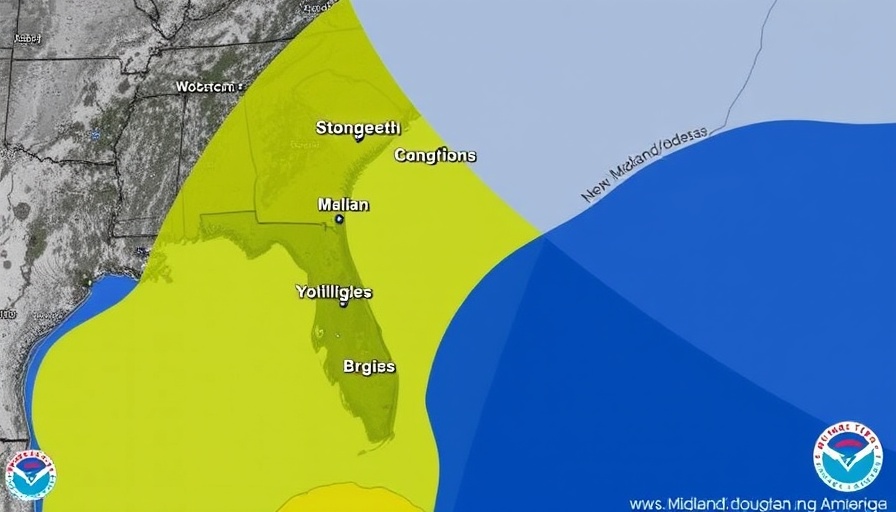
Wind Advisory issued March 17 at 9:59PM MDT until March 19 at 3:00AM MDT by NWS Midland/Odessa TX

Severe Winds Expected in West Texas: What You Need to Know

A wind advisory has been officially issued for portions of southwest and western Texas, detailing the expectation of strong west winds between 30 to 40 mph accompanied by gusts reaching up to 55 mph. The National Weather Service has indicated that these wind conditions will persist from noon on Tuesday through 4 AM CDT Wednesday. Residents should prepare for potentially hazardous situations, particularly on the roads.

Why This Matters: The Impact of High Winds

Such gusty winds can significantly affect outdoor activities and transportation. Unsecured objects may become airborne, increasing the risk of accidents. Particularly concerning are high-profile vehicles, which may find it challenging to navigate under these wind conditions. The potential for reduced visibility due to blowing dust is also a serious consideration for drivers.

Historical Context: A Pattern of Intense Winds

This advisory follows a pattern observed in recent weeks, where intense winds and critical fire weather conditions have plagued the Texas Panhandle and surrounding areas. On March 14, strong gusts reached historic levels, causing significant damage and transforming normal driving conditions into dangerous scenarios. It is essential for residents to stay informed and prepared for similar weather events.

How to Stay Safe During Wind Advisories

In the face of these wind advisories, there are several proactive measures residents can take. Secure outdoor items that might become projectiles, ensure vehicles are safely parked, and limit travel during the most impactful hours to avoid the dangers associated with low visibility and high winds. Additionally, staying tuned to local weather updates can help you react quickly to changing conditions.

What’s Next: Future Weather Trends

Weather patterns indicate an increase in severe weather events across regions, with wind advisories becoming more frequent. Residents should remain vigilant and consider signing up for weather alerts to receive timely notifications. Communities can also benefit from education on safety measures during wind events, reducing the overall impact of such weather patterns.

For ongoing weather updates and advice on how to prepare, visit the National Weather Service's website. Staying informed can empower you to make the best decisions when faced with severe weather conditions.

Storm Shield

43 Views

0 Comments

Write A Comment

*
*
Related Posts All Posts
01.20.2026

Why Arborists Should Monitor NOAA Weather Alerts for Tree Care Safety

Update Understanding the Importance of NOAA Weather Alerts for Arborists In the landscape of arboriculture, weather alerts play a critical role in ensuring the safety and sustainability of our green spaces. The recent test alert from the National Weather Service (NWS) highlights the vital importance of monitoring weather-related communications that can affect our trees, forests, and public landscapes. This is especially relevant for arborists who often work outdoors and must remain vigilant about changing weather conditions. Why Arborists Should Tune In: Weather Radio Saves Trees Arborists can gain immense benefits from using the NOAA Weather Radio system. This all-hazards network broadcasts vital information regarding severe weather events such as storms, floods, and the potential for insect infestations. Becoming acquainted with each alert type helps arborists prepare their trees for impending weather challenges. Access to data—especially in real-time—can enable proactive measures like reinforcing weak branches or rescheduling tree care activities to safer times. Test Alerts as a Necessity for Emergency Preparedness The recent test alert serves as a reminder that regular emergency test communications are crucial for public safety. The NOAA series of tests ensures that both equipment and protocols are functioning properly, preparing professionals and residents alike for actual emergencies. Arborists should stay informed about these tests and incorporate emergency preparation into their daily routine, ensuring that they are ready to take action for both personal safety and the care of their plants. The Bigger Picture: Impacts of Severe Weather As climate change continues to reshape weather patterns, the frequency and intensity of storms are increasing. Arborists should not only stay updated on current conditions but also study long-term forecasts available through NOAA resources. Understanding potential environmental threats can improve how professionals manage tree health in relation to severe weather, ultimately benefitting community landscapes. Take Action: Stay Alert and Engage with Communities Staying engaged with local weather updates isn’t just about safeguarding trees—it’s also about protecting communities. Arborists can establish relationships with local broadcast stations and participate in forums focused on weather awareness. By embracing these tools and resources, tree care professionals can elevate their practices in line with the evolving climate. Staying informed through these systems not only enhances an arborist's skill set but also contributes to broader community resilience amid climate uncertainties. Integrating a proactive weather awareness system into your professional toolkit is essential for successful arboriculture.

01.19.2026

Freezing Fog in Pendleton: A Critical Alert for Arborists

Update The Dangers of Freezing Fog: What Arborists Need to Know On January 18, a Special Weather Statement issued by the National Weather Service in Pendleton, Oregon, warned of freezing fog in specific areas along I-84. This low-visibility weather condition, dropping visibility to less than a quarter of a mile, poses significant hazards not just for motorists but also for professionals in tree care and management. Understanding Freezing Fog and Its Impact Freezing fog occurs when moisture condenses in the air and freezes upon contact with surfaces, leading to slick conditions on roads and potentially dangerous situations for all travelers. For arborists, these conditions can affect not only their safety but also the health of trees and the local environment. Visiting work sites in these conditions increases the risk of slips and falls, which can be hazardous when managing heavy equipment or climbing trees. Comparing with Historical Conditions Historically, Pendleton area has experienced similar weather events that resulted in significant travel incidents due to poor visibility and icy surfaces. For instance, previous conditions near Deadman Pass and Cabbage Hill have led to multiple vehicle accidents, highlighting the importance of cautious navigation during these weather advisories. Precautions and Best Practices For arborists and anyone working outdoors, it’s crucial to monitor weather alerts closely and to make informed decisions about traveling or working outdoors during freezing fog conditions. Here are some essential tips: **Always Check Weather Conditions:** Stay updated on local weather forecasts and heed any warnings issued by authorities. **Communicate with Your Team:** Ensure all team members are aware of the conditions and understand the risks involved. **Practice Caution While Driving:** If traveling is necessary, consider leaving earlier than planned and maintaining greater distances between vehicles to account for slippery conditions. By adhering to these tips, arborists can safely navigate the challenges posed by freezing fog while protecting not just their own safety, but the health of the trees they manage and the environment they work within.

01.18.2026

Emergency Alert Testing: Essential Insights for Arborists on Preparedness

Update Understanding the Importance of Emergency Alert Testing for Arborists As arborists, being in tune with emergency alert systems is crucial, particularly in situations that can impact tree care and safety. Recent tests conducted by the National Weather Service showcase the importance of these systems in preparing for unpredictable natural disasters that can threaten both urban and forested areas. On January 18, 2026, an official test alert was shared, underscoring the necessity for reliable communication channels when real emergencies arise. How Do Tests Improve Public Safety? The continuous testing of emergency warning systems—including the Wireless Emergency Alerts (WEA) and the Emergency Alert System (EAS)—plays a vital role in ensuring that these systems function as intended during crises. For instance, even a test alert serves to remind the public of the emergency systems in place and their importance. Regular tests help identify potential gaps, ensuring the message reaches everyone who needs it. Without these trials, any failure to deliver critical alerts during an actual emergency could pose severe risks. Best Practices for Emergency Systems Testing emergency systems effectively involves several best practices. Planners should communicate clearly with the public about when tests will occur, which minimizes confusion. Additionally, insights from past tests reveal that monitoring the effectiveness and reception of these alerts can lead to enhancements in how messaging is delivered, especially in areas traditionally less served by technology. Diverse platforms—from mobile apps to social media—should be integrated into the emergency response, further increasing communication efficiency. The Emotional Impact of Preparedness For arborists and all citizens, being prepared for emergencies goes beyond just knowing the protocols; it's about building trust in the systems that are there to protect us. The anxiety of a disaster can be overwhelming, but knowing that the warning systems are actively tested—and thus reliable—can instill a sense of comfort and community preparedness in even the busiest urban forests. This emotional assurance is not just beneficial—it can save lives. Keep Your Skills and Knowledge Sharp As we reflect on the importance of emergency tests, it's essential for arborists to stay informed about local emergency alert systems and engage with community preparedness initiatives. Understanding these systems can enhance your response strategies when tree care emergencies coincide with natural disasters. So, stay vigilant, participate in emergency planning, and keep your skills fresh. Ensuring that both our trees and communities are ready for anything is at the heart of effective arboriculture.

Terms of Service

Privacy Policy

Core Modal Title

Sorry, no results found

You Might Find These Articles Interesting

T
Please Check Your Email
We Will Be Following Up Shortly
*
*
*