









Did you know the average cost of tree removal in the US ranges from just $150 to as high as $2,000? Whether you’re looking to clear an unsightly branch blocker or tackle an enormous, hazardous oak, the tree removal cost can be one of the most unpredictable expenses for homeowners. If you’re considering hiring a professional, understanding tree removal costs today can save you stress, money, and safety headaches tomorrow. In this comprehensive guide, you’ll uncover what truly goes into the price of removing a tree and how to make a confident, informed decision for your property.
Revealing the Truth Behind tree removal cost: Surprising Facts and Figures
Most homeowners are caught off guard by how widely tree removal costs can fluctuate. The cost of tree removal depends not only on the size and location of your tree, but also on local labor rates, the type of tree, and even the time of year. While you might expect to pay a modest fee for a small tree, removing a large, challenging tree can push your final cost into the thousands. Understanding these variations now empowers you to avoid surprises—a critical step before you hire a pro for your next project.
Beyond the sticker price, other factors sneak onto your bill: clean-up fees, stump grinding, and costs for special equipment or navigating obstacles like power lines all impact your total cost. Knowledge is your best tool. By demystifying average pricing and the nuances that drive costs, you’ll position yourself to negotiate smartly and select a tree removal company that aligns with your budget and safety expectations. Let’s dig into the real numbers and hidden truths behind removing a tree.
As you evaluate your options, it’s also wise to be aware of common pitfalls that can inflate your expenses or lead to unsatisfactory results. For a deeper look at how to sidestep these issues, check out these essential strategies to avoid costly mistakes in tree removal and ensure your project stays on track.
Startling Statistics on Average tree removal cost
"Did you know the average cost of tree removal in the US ranges from $150 to $2,000?"
On a national scale, the average cost to remove a tree hovers between $400 and $1,200. These figures vary based on whether you’re facing a smaller tree at $150 or tackling a large tree—potentially $2,000 or more, especially if there are power lines, difficult access, or hazardous conditions involved. Notably, emergency tree removal can spike to $5,000 or higher due to the urgent nature and safety risks. Each detail—tree removal company experience, insurance, or the inclusion of services like stump removal—nudges your price up or down, making it crucial to evaluate every element in the quote.
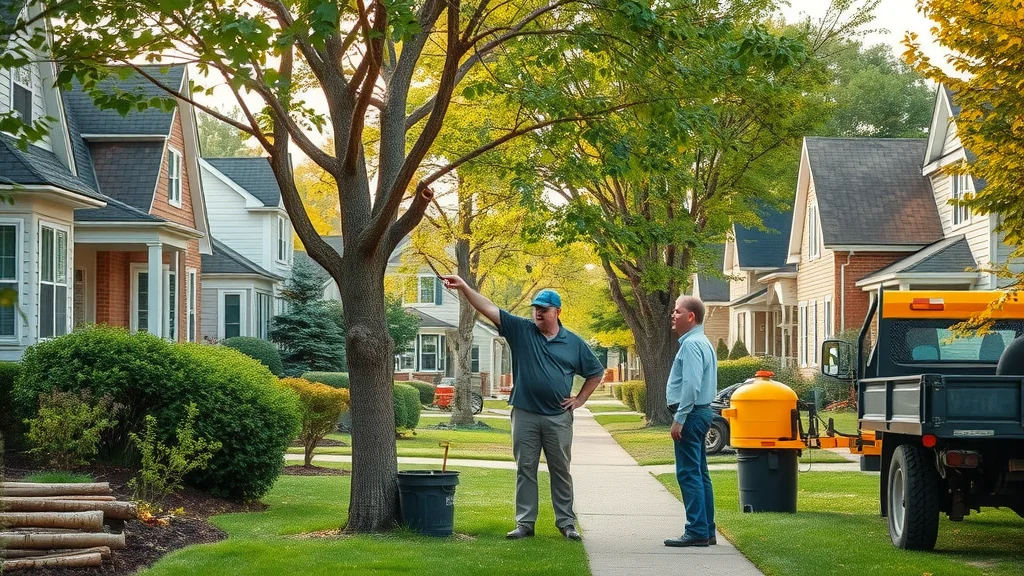
Comparing a healthy tree with clear surroundings versus one entwined with wires or leaning over a home illustrates the sharp contrast in the removal costs. Factors like height, diameter, species, and accessibility all intertwine. Homeowners should expect to pay at the lower end for a simple job, but more for complex removals, especially in urban settings with higher labor costs and stricter permits.
Why Understanding tree removal cost Before Hiring Matters
Grasping the full scope of tree removal costs arms you with the knowledge needed to avoid unexpected charges and make the best hiring choices. When you understand average pricing, what’s included in a standard estimate, and the extra costs that might appear on your final invoice, you’re far less likely to be blindsided by sticker shock. This is particularly essential if you have a large tree that is dead, damaged, or located in a hard-to-access area—situations where the cost of removal can escalate quickly.
The consequences of overlooking these factors are real: unexpected costs, incomplete jobs, or unlicensed operators that cut corners. By educating yourself before you hire a professional, you safeguard your home, finances, and peace of mind. Your investment in tree removal should enhance your property and ensure safety—never create more liabilities.
What You’ll Learn About tree removal cost and tree removal
- Comprehensive overview of tree removal costs, including removal cost factors
- Key elements impacting the cost of tree removal for both small and large tree jobs
- Comparison of removal costs for different types of trees
- Expert guidance on how to save on tree removal cost
Defining tree removal cost: The Basics of tree removal and removal cost
Tree removal is more than just cutting down a tree—it’s a multi-step process that blends skilled labor, specialized equipment, safety precautions, and responsible disposal. Understanding what’s included in a typical tree removal cost estimate—and what may be charged as an add-on—empowers you to budget realistically and choose a reputable company. The fundamental building blocks of a tree removal quote include labor, machinery, debris hauling, and stump grinding, though these may be itemized separately depending on company policies.
The cost of tree removal usually reflects the complexity of the task, location, and potential risks such as proximity to homes or power lines. Some companies roll clean-up or minor stump grinding into one price, while others provide à la carte pricing for each service. Asking for a detailed written estimate helps reveal what is—and is not—covered, limiting unwelcome surprises when the job is finished.
What is Included in a Standard tree removal cost Estimate?
A typical tree removal cost estimate covers the cost to remove a tree safely from your property. This generally includes labor for climbing, cutting, and lowering the tree; chainsaw work; travel and setup of safety equipment; and basic site clean-up, such as brush, small branches, and sawdust removal. However, not all companies automatically include stump removal, hauling large trunks, or thorough yard restoration. There may also be additional charges for moving debris far from the site, navigating structures like fences, or working near power lines or utility wires.
Clarifying up front whether you will be charged extra for stump grinding, wood chipping, log hauling, or debris cleaning is vital. These details dramatically affect your final cost and can differentiate one bid from another. Always ask for specifics before agreeing to a removal job, especially if you wish to keep firewood or mulch from the felled tree.
Breaking Down removal cost: Labor, Equipment, and Disposal Fees
The core of any removal cost estimate lies in three main components: labor, equipment, and debris disposal. Labor costs depend on how many trained professionals are required and the length and difficulty of the job. Equipment costs reflect the use of chainsaws, cranes, rigging, wood chippers, or stump grinders—necessities for safely handling large trees or reaching trees close to structures or power lines. Disposal fees are tied to the volume and type of tree material to be removed, whether logs, bulky limbs, or smaller branches and mulch.
Some jobs require extra planning and specialty machinery—especially in urban lots or when dealing with protected tree species, which can cause the cost of tree removal to surge. Site accessibility can also raise costs; tight spaces, slopes, or landscape features often slow the process, increasing labor hours and equipment usage. Each of these elements can appear as a separate line item, so reviewing your quote carefully is essential for managing your budget and expectations.
Key Factors That Influence tree removal cost: type of tree, large tree, and More
Every tree is unique, which is why tree removal costs can be so unpredictable. The biggest drivers behind the cost of tree removal are the species and size of the tree, its health, location, and logistical factors like proximity to structures, fences, or power lines. A healthy tree that’s easily accessible will cost much less to remove than a dying or hazardous tree leaning over a building or entangled in utility wires. The experience level of your tree removal company and the need for specialized equipment also have direct impacts.
Knowing these factors helps you avoid underestimating costs or falling for misleadingly low bids from contractors who cut corners. The most significant price jumps result from large tree removals, rare or protected species, emergency calls, or any situation that escalates risk for workers, property, or public utilities like power lines.
type of tree and Its Impact on tree removal cost
The species or type of tree on your property influences both how difficult and how expensive it will be to remove. Hardy, heavy hardwoods like oak, hickory, and walnut are typically more expensive to remove than softer, lightweight species like pine or poplar. Root structure, wood density, and cutting complexity all drive labor and equipment choices, which reflects in your tree removal cost. In some areas, protected or invasive species regulations may demand special handling or disposal steps, affecting the quote’s bottom line.
For example, palm trees have thick, fibrous trunks that can be simpler to cut, keeping their removal costs moderate. By contrast, older hardwoods or trees with multiple large trunks (like some maples) may require heavier cranes and take much longer to dismantle. These species differences often account for a $100 to $500 swing in the estimated cost of tree removal—critical to know before requesting bids.
large tree vs. Small Tree removal cost Differences
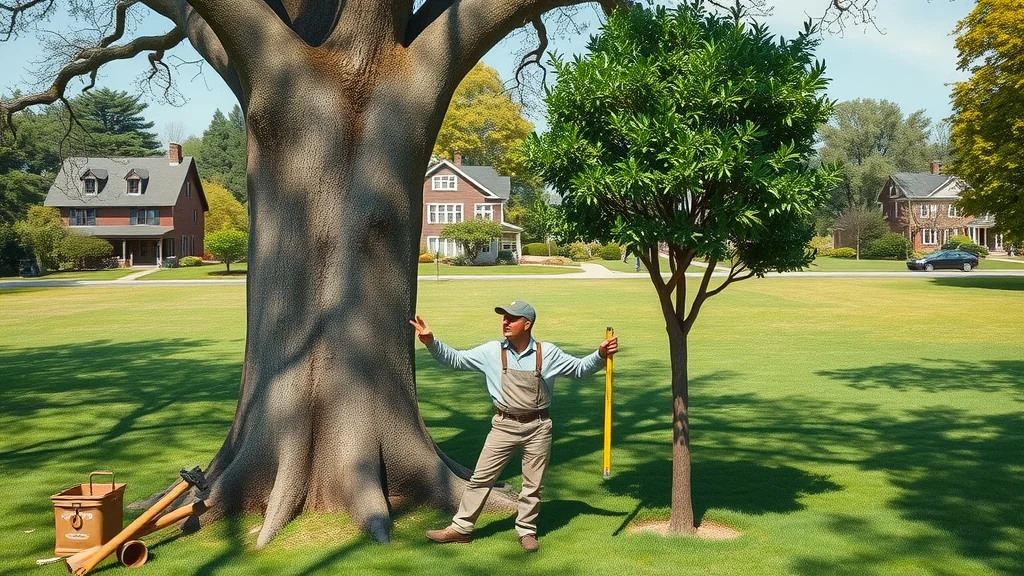
A large tree—think over 60 feet tall and stretching wide—presents entirely different removal challenges than a smaller tree. The labor intensity, safety precautions, and specialized gear required for removing a large tree increase the removal cost dramatically. Expect to pay as much as double or triple the rate for a similar project involving a smaller tree. Factors such as the need for cranes, traffic control, or working around power lines are much more common for large tree jobs, adding both time and risk, which boosts the final cost.
Don’t be surprised if a tree removal company charges $900 or more for a mature oak, while a simple pine removal stays in the $200–$400 range. Size is also tied to disposal expense: larger trunks and branches require more labor and recycling or landfill fees, each bumping up your total removal costs. Always get a detailed breakdown when comparing bids.
Site Accessibility and Additional removal costs
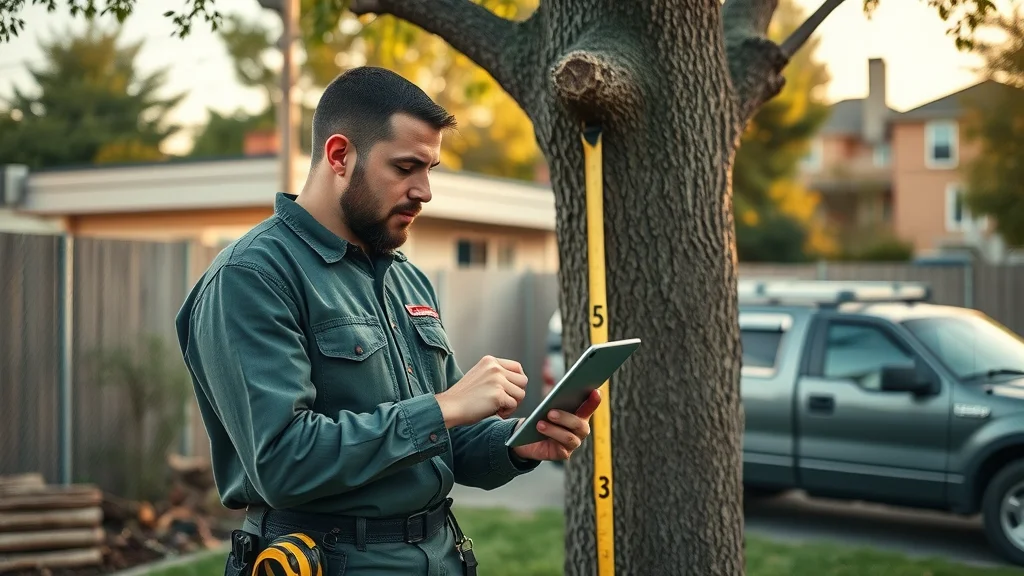
Beyond the type of tree and size, how easily your tree removal crew can access the work area also impacts removal costs. Tight urban yards, steep hills, retaining walls, nearby fences, and the proximity of power lines may necessitate additional equipment or labor to ensure safety. Hard-to-reach trees may require workers to scale roofs, remove sections in stages, or use high-reach cranes—each contributing to a higher cost of tree removal.
Other “hidden” expenses come into play if the site has difficult terrain, underground utilities, or landscaping that can’t be disturbed. Factor in higher debris removal charges if workers need to hand-carry logs across long distances. Being upfront about your property layout helps you collect accurate quotes that reflect your unique scenario.
Comparing tree removal cost: Cost of tree removal for Various Scenarios
The only way to truly understand tree removal cost is to see how costs play out in different scenarios. Whether you need to remove a tree for safety, landscaping, or construction, reviewing average prices for common situations helps you plan ahead and avoid budget surprises. The average cost for basic removals differs from complex jobs or emergencies, and add-ons like stump removal or clean-up services can quickly multiply your expenses.
Below, you'll find a detailed table showing the cost of tree removal broken down by scenario. Use these ranges as a starting point to gauge your own needs—adjusting estimates based on your tree's size, type, location, and urgency. Remember, geographic region and local arborist rates will always cause final costs to vary based on market pressures as well.
Detailed Table: average cost of Different Tree Removal Scenarios
| Scenario | Cost Range | Notes |
|---|---|---|
| Small Tree | $150–$500 | Less labor and equipment |
| Medium Tree | $400–$900 | Standard suburban removal cost |
| Large Tree | $900–$2,000 | Complex and risky |
| Emergency tree removal | $1,000–$5,000 | Priority service |
| Stump removal | $60–$350 | Typically an add-on |
How to Calculate tree removal cost Based on Your Needs
While the table offers valuable guidance, calculating your exact tree removal cost involves factoring in several personalized details. Here’s what most tree removal companies use to build your quote:
- Height and diameter: Tall, wide trees are more expensive to remove.
- Tree species: Hardwoods and protected species may raise costs.
- Location and accessibility: Obstacles, utility lines, and tight spaces boost labor rates.
- Urgency of removal: Emergencies or weekend requests may incur premium charges.
To arrive at a reliable estimate, provide your tree removal company with photos, measurements, and details on any complicating site features. Accurate communication prevents unexpected price hikes and ensures you pay a fair, market-based rate rather than a one-size-fits-all estimate.
When tree removal cost Increases: Expensive to Remove and Unique Situations
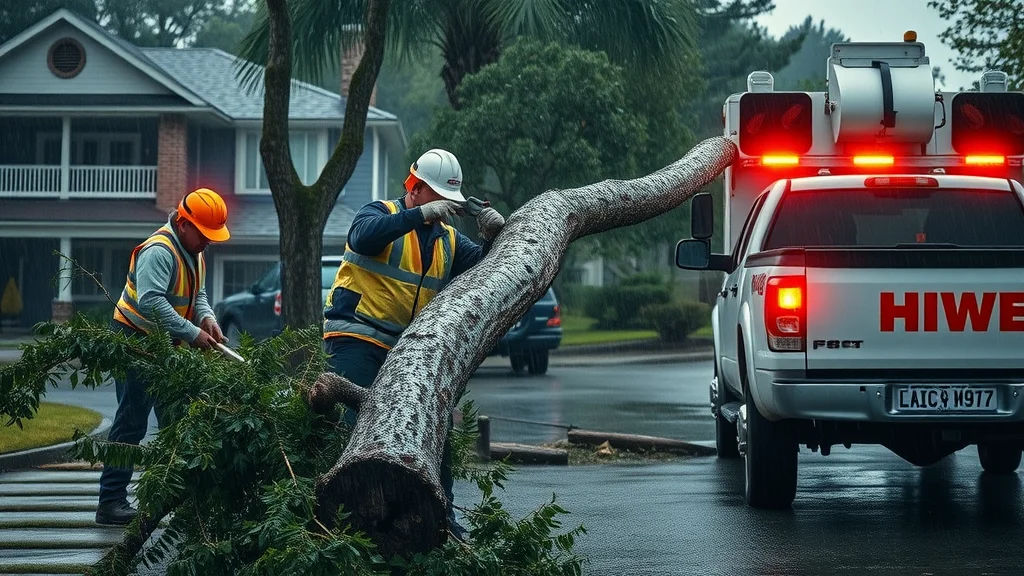
Some trees present extraordinary challenges, making them expensive to remove compared to standard jobs. Large, sprawling trees with wide canopies; trees leaning dangerously near homes or power lines; and removals in hard-to-access sites almost always involve more skilled labor and risk. Likewise, mature trees with complicated root networks or those intertwined with landscaping or underground utilities need extra care, raising the overall removal cost.
The highest prices usually appear in emergency tree removal cases—when trees must be cleared quickly after storms, or when there is imminent threat of property damage or power outage. In these urgent scenarios, emergency tree removal crews are dispatched after hours and must use advanced equipment, justify higher insurance costs, and comply with tight deadlines, making your final cost spike accordingly.
Why Is It Expensive to Remove a Tree?
The cost of removing a tree can be steep due to the hazards, skill, and equipment required—especially if working around power lines, multiple obstacles, or dealing with decayed wood that could fail unexpectedly. Insurance and licensing requirements further raise expenses, as only highly trained professionals are qualified to assume the risks involved. If a large tree is located close to structures, each step—branch by branch or lowering massive trunks—slows the job and multiplies labor hours.
Think of the process: cranes may be needed to prevent damage to roofs or electrical lines, road closures or traffic management for busy streets, and sometimes even coordination with local utilities to temporarily disable power lines. Every added complexity drives up the quote, making detailed communication with your chosen tree removal company an absolute must before work begins.
Emergency tree removal and Unexpected removal costs
Nature rarely waits for convenience. When storms topple branches or lightning strikes a large tree, getting the debris cleared safely and swiftly is critical. In these moments, quotes for emergency tree removal can be double or even triple standard rates, as companies prioritize urgent work, call in overtime crews, and deploy specialized trucks and gear under difficult conditions. Emergency tree removal jobs often require fast coordination with municipal services, insurance adjusters, and, at times, temporary power line shutdowns to protect public safety.
Unexpected extra costs arise if the tree is entwined in live power lines, blocks a main road, or falls on a structure, all of which dramatically complicate removal and disposal. Homeowners should ask about surge pricing for weekends, holidays, or severe weather events, and clarify which services (like clean-up and stump grinding) are included when booking urgent removals.
tree removal cost for Specialized Services: Stump removal, Permits, and Clean-Up
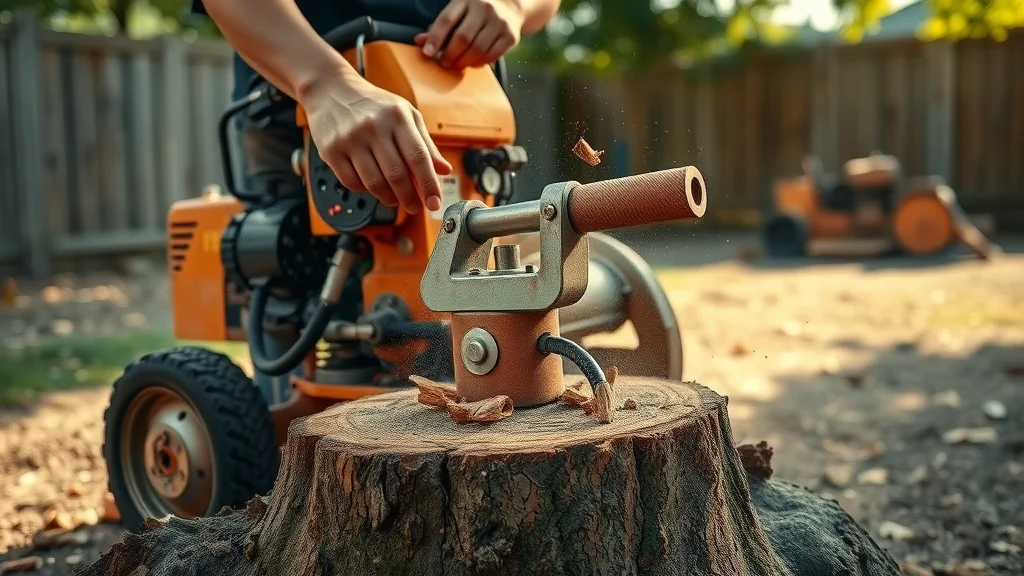
Beyond felling the tree, the cost of tree removal often hinges on add-ons such as stump removal, obtaining permits, and comprehensive clean-up. These services may be necessary to restore a yard’s function and appearance—but they also present additional fees not always included in basic quotes. Homeowners who skip these items risk having unsightly stumps, loose debris, or non-compliance with city regulations. Understanding which items are mandatory vs. optional can save substantial money and hassle in the long run.
Most tree removal companies will outline specialty services as separate line items, so homeowners can pick and choose based on budget and need. Failing to discuss clean-up or permitting can lead to hidden charges that inflate your removal cost after the job is underway.
Understanding stump removal as a tree removal cost Add-On
When a tree is cut, the remaining stump is often left behind—unless you specifically request stump removal from your contractor. Standard removal costs for stumps range from $60 to $350, with some companies charging by diameter or equipment hour. Stump grinding uses a large machine to pulverize the remaining wood below ground level, preventing unsightly regrowth and leaving yard space usable once again.
It’s easy to underestimate this part of the job, but be mindful: stump removal sometimes requires multiple passes or chemical treatments, especially for large trees with deep root networks. Be sure to clarify whether this is part of your estimate, as omitting the stump can save money up front but may detract from the overall look and safety of your yard long-term.

Permits, Regulations, and Hidden tree removal costs
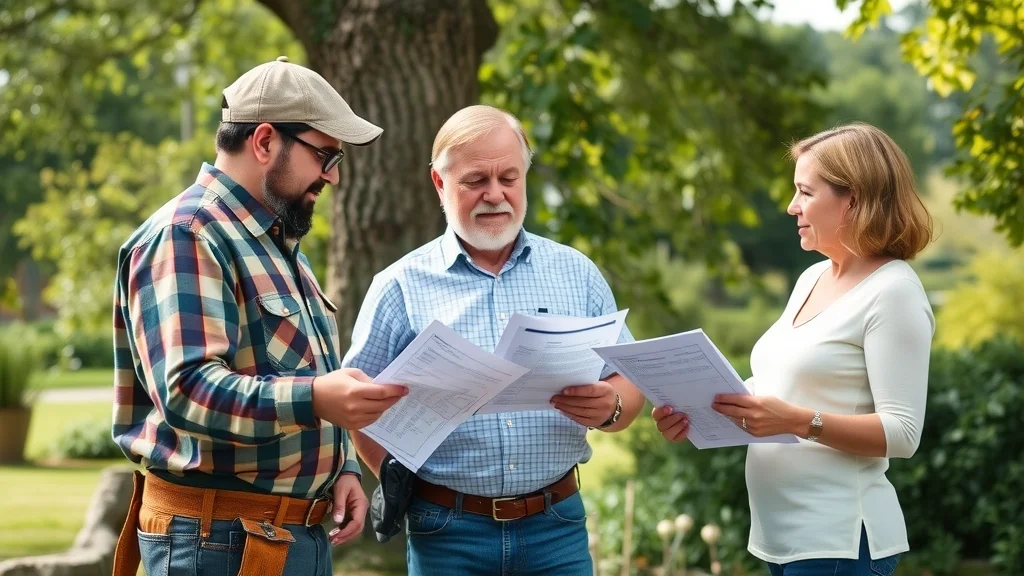
Many municipalities require permits for certain types of tree removal—especially when removing protected species, large trees, or those in public view. Permit costs can range from $25 to $150 or more, and are usually the responsibility of the homeowner or project initiator. Some cities issue fines for removing trees without the correct paperwork, so always confirm local regulations before work begins to avoid extra “hidden” costs.
Regulations may also demand specific disposal steps or the planting of a replacement tree. If your tree removal company handles permitting, make sure those charges are disclosed up front. Some contractors build these fees into the bid; others list them as separate costs. Reviewing your city’s website or calling your county supervisor can avert delays and costly compliance hiccups.
Clean-Up Services and Their Influence on tree removal cost
Post-removal clean-up represents another major variable. Some companies include a basic sweep of smaller branches and sawdust in their removal cost, while others charge for deep cleaning, wood hauling, mulching, or hauling away large trunk sections. The scale of debris—especially after taking out a large tree—can surprise homeowners, leaving unexpected piles of wood chips or logs scattered across the yard if not handled professionally.
Clarifying up front what level of clean-up is provided—full yard restoration, hauling of all material, or just a basic sweep—protects your investment. If you want mulch or firewood left behind, communicate clearly. Each clean-up tier impacts your total cost and ensures the job meets your expectations for both safety and aesthetics.

Ways to Save on tree removal cost Without Sacrificing Safety
- Obtain multiple tree removal cost estimates: Always compare at least three quotes to identify reasonable rates and avoid overpaying.
- Schedule tree removal during off-peak seasons: Arborists are less busy in late winter or early spring, increasing your bargaining power and possibly lowering prices.
- Ask about bundled services for removal and clean-up: Combining tree, stump, and debris services often nets discounts.
- Check for local grants or municipal programs: Some towns offer financial assistance for hazardous tree removal or replanting.
Prioritizing safety by hiring certified, insured professionals should never be compromised in the pursuit of savings. Nevertheless, savvy homeowners who follow these steps are best positioned to receive fair, comprehensive service at the most reasonable tree removal cost.
Expert Quotes on tree removal cost and Tree remova Decisions
"A well-informed homeowner can save up to 20% on tree removal costs by comparing estimates." — Arborist Eric L., Certified Tree Care Specialist
"Some tree removal costs are non-negotiable due to safety risks, especially with large trees." — Vanessa R., Tree Services Consultant
People Also Ask: Common Questions About tree removal cost
What is the average cost of tree removal in my area?
Depending on your region, tree removal cost can vary from around $200 for a small tree in a rural setting to more than $2,000 for a large, urban tree. Factors include regional labor rates, tree size, health, accessibility, and complexity of the project. Always seek local estimates for the most accurate pricing and take into account whether the removal company handles permits and debris disposal as part of the total quote.
What is the cheapest time of year for tree removal?
Typically, late winter and early spring are off-peak seasons for arborists, making this the best time to remove trees at a more competitive rate. Tree removal costs tend to dip when demand is lowest and companies offer more flexible scheduling or discounts. Planning ahead for non-emergency removals during these months can save both time and money.
How much will it cost to remove a large tree?
The removal cost for a large tree is usually between $900 and $2,000, but can reach higher depending on the species, diameter, and location. Additional factors like proximity to power lines, buildings, and the need for cranes or other specialized equipment will raise the quote. The more complex the removal, the higher your final cost will be.
How do you calculate the cost of cutting down a tree?
Tree removal cost is determined by several criteria: tree species, height, trunk diameter, current condition, and how difficult it is for professionals to access the work site. Add-ons such as stump removal or extensive debris clearing contribute to the overall price. Providing your removal company with accurate measurements and photos can result in a more precise, tailored estimate.
FAQs on tree removal cost, Removal cost, and tree removal Services
-
Does homeowners insurance cover tree removal costs?
In most cases, insurance covers tree removal cost if a tree damages a covered structure or blocks access after a storm. Removal just for prevention or aesthetics typically isn’t included—check your policy for details.
-
Do all tree companies charge the same tree removal cost?
No, tree removal companies set their own rates based on experience, equipment, insurance, and local rates. Comparing multiple quotes is the best way to ensure a fair price for similar scopes of work.
-
What permits are required for tree removal?
Permit requirements vary by city. Most areas require permits to remove large trees, protected species, or trees in regulated urban spaces. Fines for unauthorized removal can be significant, so confirm with your municipal office before hiring a contractor.
-
How long does typical tree removal take?
Most projects—excluding emergencies or unusually complex jobs—take a few hours to a full day, depending on the tree’s size, location, and weather. Stump removal, clean-up, and restoration may add extra time.
Summary of tree removal cost: Key Takeaways for Homeowners
- Tree removal cost is influenced by tree size, species, location, and complexity.
- Always request multiple estimates to compare removal cost.
- Account for additional removal costs like stump removal and clean-up.
- Choose certified and insured professionals for tree removal to ensure safety.
Ready to Make Informed tree removal cost Decisions?
Grow your landscaping expertise—call 203-271-7991 or visit TreeGuardianNews.com to subscribe.
If you’re looking to take your property care to the next level, understanding tree removal costs is just the beginning. For a broader perspective on maintaining healthy, beautiful trees year-round, explore our expert guide on top tree care tips every homeowner must know. Discover proactive strategies, seasonal advice, and professional insights that can help you prevent costly removals in the future. By investing in ongoing tree care, you’ll not only protect your landscape but also enhance your home’s value and curb appeal. Start building your knowledge and confidence as a homeowner—your trees (and your wallet) will thank you.
Understanding the costs associated with tree removal is crucial for homeowners to make informed decisions. The average cost to remove a tree ranges from $200 to $2,000, with factors such as tree size, species, location, and accessibility influencing the final price. (nerdwallet.com) For instance, removing a small tree up to 30 feet tall may cost between $150 and $500, while a large tree over 60 feet can range from $1,500 to $3,000. (invoicefly.com)
Additional expenses may include stump removal, which typically costs between $50 and $500 per stump, depending on its size and the removal method. (modernize.com) Emergency tree removal services, often required after storms or for hazardous situations, can significantly increase costs, sometimes exceeding $5,000 due to the urgency and complexity involved. (todayshomeowner.com)
To manage these costs effectively, it’s advisable to obtain multiple estimates from reputable tree removal companies, schedule services during off-peak seasons, and inquire about bundled services for potential discounts. Additionally, checking for local grants or municipal programs that assist with hazardous tree removal can provide financial relief.
By being well-informed about the various factors affecting tree removal costs and exploring available resources, homeowners can ensure they receive fair pricing and quality service for their tree removal needs.


Write A Comment