









Did you know that over 60% of winter tree damage is entirely preventable with the right care tips? While trees may look dormant and forgotten during cold months, winter is actually the season that determines their long-term health and beauty
Uncovering the Truth: Why Winter Tree Maintenance Matters
When the cold sets in and forests fall silent, it’s easy to assume trees no longer need attention. But the reality is, neglect during winter leads to the most severe damage—broken limbs from heavy snow, cracked trunks from sudden freezes, and lingering salt damage from de-icing products. Winter tree maintenance is not just about prevention; it’s about seizing a unique opportunity. With trees dormant, energy shifts from leaf growth to root system repair and preparation for spring. Proactive care now means stronger, more resilient trees when growing seasons return.
Whether you’re trying to preserve a shade-providing oak or keep your privacy hedge vibrant, winter tree care tips can save you from pricey removals and replacements. By inspecting, pruning, mulching, and protecting, you address threats before they become disasters. Plus, these actions boost tree health for the next growth cycle. In short, savvy homeowners use winter as a window to give their trees a survival edge—turning harsh months into an investment in beauty and property value.
What You'll Learn in This Winter Tree Maintenance Guide
- Why winter is both a threat and an opportunity for tree care
- Critical winter tree maintenance steps every homeowner should take
- How to identify and prevent winter-related tree damage
- Expert winter tree care tips for different species and landscapes
Understanding Winter Tree Maintenance: The Basics
The core of winter tree maintenance lies in understanding how cold weather affects trees and shrubs. When temperatures drop, trees enter a dormant phase—slowing growth and conserving natural resources. But dormancy doesn’t eliminate risk; instead, it changes it. Freezing temperatures can damage a tree’s bark and branches, disrupt the root system, and leave trees and shrubs more susceptible to pests and disease. The ground freezes, limiting a tree’s access to water, and heavy snow or ice can break even healthy branches.
Fundamental care tips include watching for signs of stress, such as cracks in the tree trunk or salt damage on lower branches. Mulching with organic matter provides important insulation for roots, helping retain moisture and regulate soil temperature. Proper pruning, especially in late winter, encourages a burst of healthy growth once spring arrives. Understanding these basics allows you to tailor your care throughout winter, giving each planted tree or shrub the best shot at thriving in the new year.
For a more detailed breakdown of how to prepare your trees before the first frost hits, you might find this comprehensive guide on protecting your trees before winter especially helpful. It covers additional preventative measures and timing strategies that complement the steps outlined here.
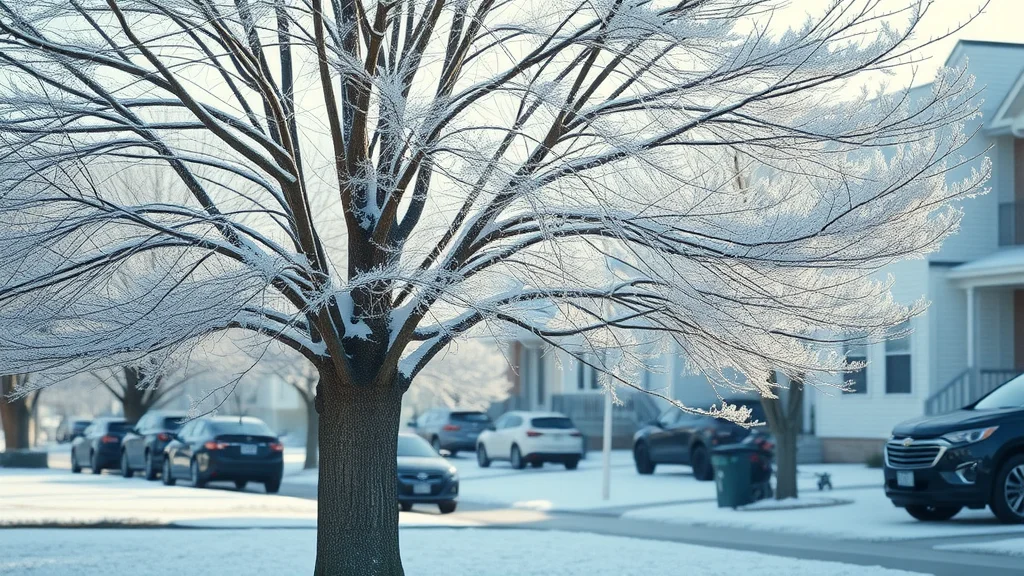
Top Winter Tree Care Tips: A Seasonal Checklist
- Inspecting trees and shrubs for hidden damage: Walk your property after storms and look for cracks, broken limbs, or signs of animal gnawing. Early detection means early intervention, keeping your landscape healthy.
- Mulching and insulating root zones: Spread a 2-4 inch layer of organic mulch, like wood chips, around the base of your trees—making sure to keep it away from the trunk. Mulch insulates the soil, reduces temperature swings, and helps retain moisture even when the ground freezes.
- Pruning: when and what to cut back: The best time for pruning is late winter, just before spring growth. Focus on removing dead, diseased, or crossing branches. Proper cuts reduce the risk of disease and help shape healthy tree growth.
- Watering trees during dry winter periods: Don’t assume dormant trees don’t need water—if the soil is dry and not frozen, winter watering helps trees avoid dehydration, especially in wind-prone or snow-scarce regions.
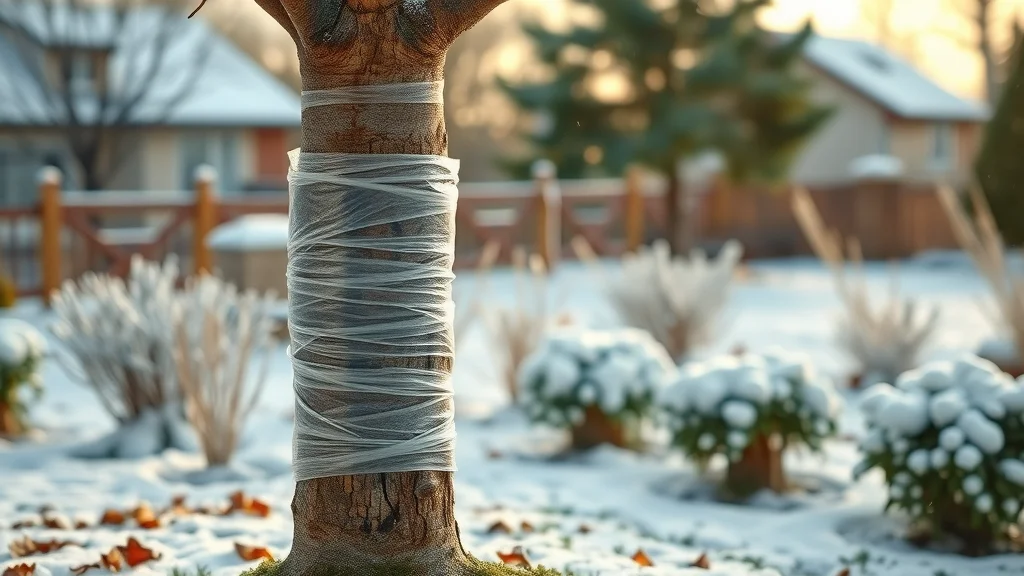
- Protecting tree trunks against frost and animals: Use tree wrap or plastic guards around young trees to prevent sunscald and rodent damage, both of which can destroy bark and compromise tree health.
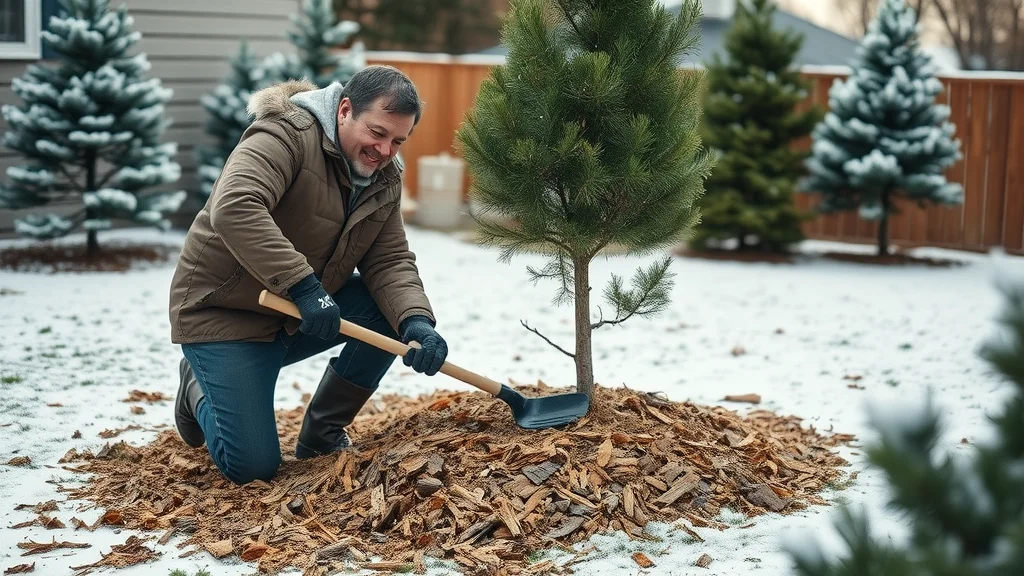
Demonstration of winter tree maintenance activities such as pruning, mulching, and trunk wrapping in a cold climate setting with narration.
Recognizing and Preventing Winter Tree Damage
Spotting Salt Damage and Salt Spray on Trees and Shrubs
Salt damage is a hidden winter threat for trees and shrubs, especially those near driveways, sidewalks, or roads where rock salt is used. When salt spray lands on branches or is absorbed by roots, it can dehydrate plant tissues, resulting in brown, scorched leaves and stunted spring growth. Sensitive species—like maples, dogwoods, and pines—show damage most vividly, but all trees are at risk if exposed long-term. To prevent salt damage, use burlap screening to shield susceptible trees from salt spray and avoid piling snow loaded with ice melt near their base. Choose calcium chloride as a less harmful alternative to sodium chloride rock salt, and always flush salty soil with plenty of water during thaws. Regular monitoring offers early warning, so you can take action before lasting harm occurs.
Heavy Snow & Ice: Minimizing the Risks
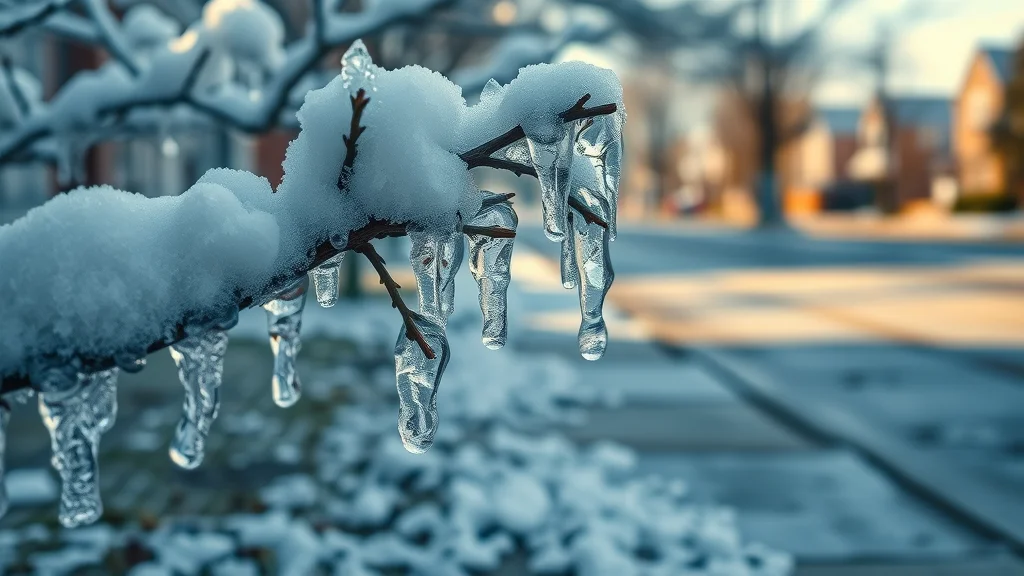
Heavy snow and ice are major culprits for winter tree damage. Branches can snap under excess weight, and icy buildup can crack bark or split trees entirely. Homeowners should resist shaking snow-laden branches—which may cause breakage if the wood is brittle from the cold. If heavy snow is expected, preemptively pruning thin, weak, or crossing branches helps reduce the burden. After storms, gently brush off light, powdery snow using a broom, always working upwards to avoid further strain. For established planted trees, installing tree guard support or staking young trees can add protection against extreme weather. Swift response to cracked limbs prevents pests and disease from entering these vulnerable openings. Ultimately, gentle intervention and thoughtful preparation are the best defenses against winter’s weighty challenges.
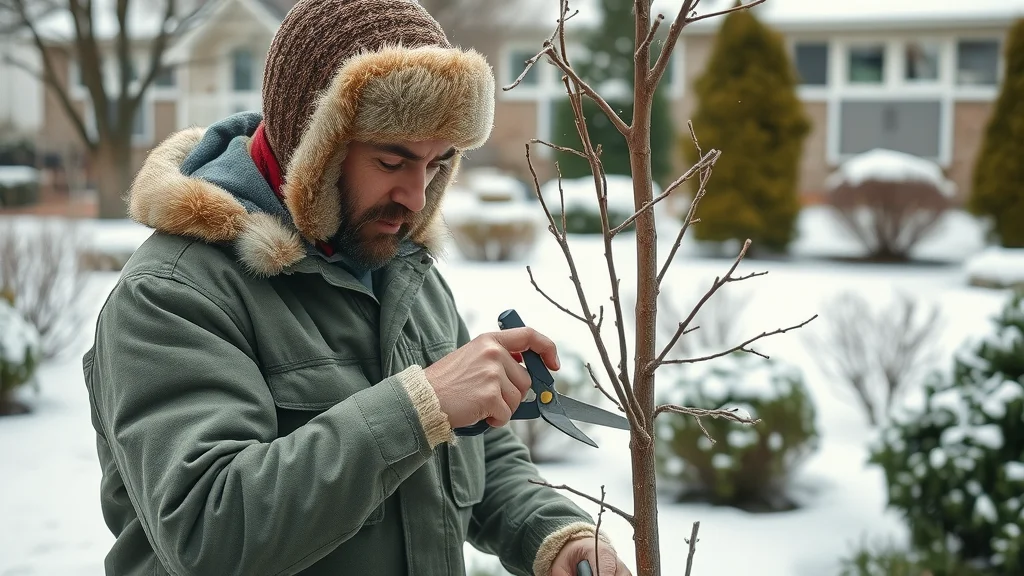
Winter Pruning: Timing and Techniques for Healthy Trees
“Pruning in late winter ensures wounds will be sealed quickly come spring, reducing the risk of disease.” — Certified Arborist
Pruning is one of the top winter tree care tips for maintaining a healthy tree, but timing and technique are everything. The best period is typically late winter, just before the first signs of spring growth. Pruning now allows wounds to heal rapidly as the growing season begins, minimizing the entrance points for pests and disease. Always use sharp, clean tools to make crisp cuts, and focus on removing dead, damaged, or crossing limbs. If you own oaks, avoid pruning in winter to prevent the spread of oak wilt—a devastating tree disease that takes hold when fresh cuts are exposed to cool, damp conditions.
Target pruning efforts on younger trees to shape future structure and on mature trees to eliminate weak wood that might collapse under heavy snow. Remove suckers emerging from the tree trunk’s base, as they drain natural resources from the core. Professional consultation from a certified arborist is best for large or hazardous limbs—especially near homes or power lines. With care and precision, well-timed winter pruning supports strong, beautiful trees throughout growing seasons ahead.
Protecting Tree Trunks and Young Trees in Winter
Young trees and thin-barked species are especially vulnerable in winter. Their tender tree trunk tissues can suffer from "sunscald," where sharp winter sun followed by cold nights causes bark splitting. Rodents and deer may also gnaw on bark when other food is scarce, leading to lasting scars or even girdling. To prevent these problems, wrap tree trunks in commercial tree wrap or protective plastic guards from ground level up to the first branches, especially for newly planted or prized specimen trees. Ensure wraps are snug but not tight, allowing air circulation while deterring pests. Remove them in early spring to avoid harboring moisture and disease.
A protective mulch layer—two to four inches thick and extending a foot out from the trunk—further shields roots and helps retain moisture. Always leave a mulch-free gap right around the trunk to discourage rot and rodents. For stretched winters, inspect young trees often and remove snow buildup gently. Taking these steps means giving your young trees their best chance to mature into sturdy landscape champions.
Choosing Trees for Winter Interest & Resilience
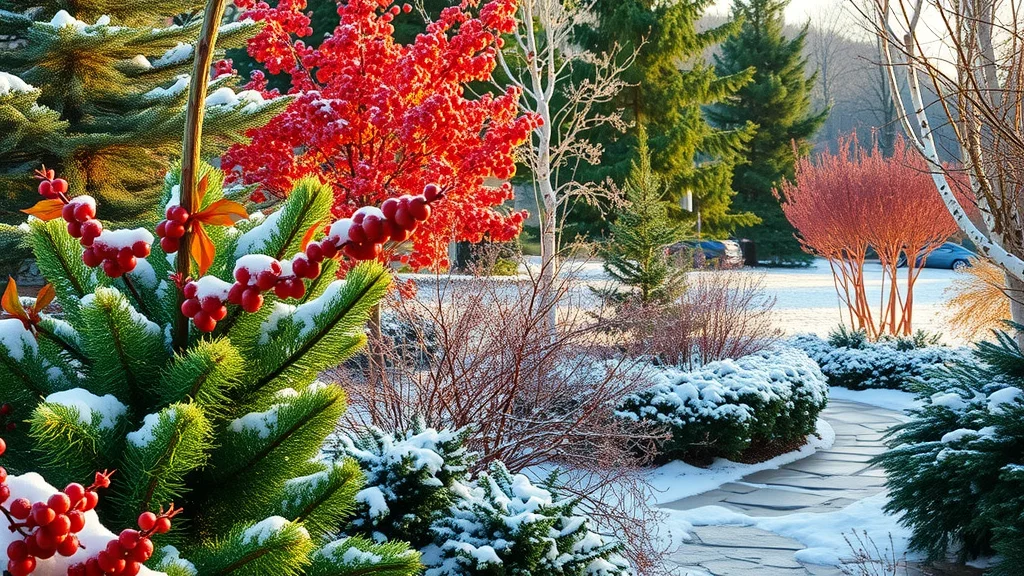
- Best trees for winter color: Consider red-twig dogwood, paperbark maple, and river birch for vibrant bark and texture; holly and winterberry for seasonal pops of color.
- Low-maintenance trees for cold climates: Try spruce, pine, or fir—these evergreens are tough, retain moisture well, and maintain color all winter long.
- Evergreen vs. deciduous options: Evergreens offer continuous screening and color, while deciduous trees like birches provide striking silhouette and bark interest even after leaves drop. Combine both for year-round landscape appeal and resilience.
Hear from certified arborists on proven methods for protecting your trees through the harshest months.
Addressing Common Homeowner Mistakes in Winter Tree Care
- Over-pruning in late winter: Removing too much can weaken trees and expose them to diseases, especially just before growing season.
- Neglecting to water trees in cold snaps: Even when trees are dormant, long dry periods can dry out the root system, especially for newly planted or young trees.
- Incorrect mulching techniques: Piling mulch against the tree trunk invites rot and rodents; always keep a buffer between mulch and bark.
- Failure to protect against salt damage: Not shielding vulnerable trees from de-icing rock salt can lead to lasting injury and poor spring recovery.
Winter Tree Maintenance Table: Do’s & Don’ts
| Action | Recommended? | Notes |
|---|---|---|
| Late winter pruning of most trees | Yes | Avoid pruning oaks in winter to reduce disease risk |
| Mulching tree roots | Yes | Use organic mulch, keep away from trunk |
| Fertilizing before winter | No | Best done in early spring unless advised otherwise |
| Watering during dry winter periods | Yes | Don’t let root ball dry out |
| Wrapping tree trunks with plastic | Sometimes | Effective for young or thin-barked species |
People Also Ask: Essential Winter Tree Maintenance Questions
How to care for a tree in winter?
Caring for a tree in winter means focusing on inspection, mulching, and protection. Ensure trees are healthy before harsh weather, prune in late winter for shape and disease prevention, and add mulch to retain moisture and insulate roots. Guard against rock salt exposure, and wrap young trunks to deter winter sunscald and animal damage. Regular attention through the coldest months preserves vigor for spring.
Why do people put saran wrap around trees?
Homeowners wrap tree trunks—sometimes using plastic, saran wrap, or commercial tree wraps—to shield thin-barked or young trees from sunscald, freezing temperatures, and animal gnawing. This protective barrier stabilizes bark temperature, prevents tissue splitting, and keeps rodents from nibbling prized trees during lean months. Wraps should be used only through winter and removed as soon as spring arrives to avoid moisture buildup and disease.
Are you supposed to trim trees in winter?
Yes—winter, particularly late winter, is often the ideal time for pruning most trees. Trees are dormant, meaning less sap flow and lower risk of pests or disease. Cuts made now will heal as spring growth begins. Always avoid pruning oaks or species known to harbor disease in winter, and focus on removing dead, damaged, or overcrowded branches for overall tree health.
Should I fertilize my trees before winter?
In general, fertilizing trees before winter is not recommended. Trees do not actively absorb nutrients while dormant, and excess fertilizer can leach away or even damage roots. The best time to fertilize is early spring, once trees begin to emerge from dormancy—unless a certified arborist suggests otherwise based on specific needs.
Winter Tree Maintenance FAQs
- How often should I water trees during winter? Water only during dry spells when soil is not frozen; newly planted and young trees may need monthly watering if weather is warm and dry.
- Is it safe to use de-icing products around trees? Many standard rock salt products can harm trees and soil. Look for plant-safe alternatives and use de-icers sparingly, shielding tree bases from spray and runoff.
- When should protective wraps be removed from young trees? Remove wraps as soon as winter ends and nightly temperatures remain above freezing. This prevents moisture buildup and allows healthy air circulation for the bark.
Key Takeaways for Effective Winter Tree Maintenance
- Prioritize regular inspections and prompt response to visible damage.
- Use proper mulching and pruning methods to enhance winter resilience.
- Protect tree trunks from sunscald and rodent attacks.
- Choose species suitable for your climate and winter goals.
Ready to Protect Your Landscape? Discover More Tree Care Tips Now
Your trees are your landscape’s greatest investment. Give them the winter tree care they deserve, and set up your property for vibrant spring and healthy growth all year round!
If you’re eager to deepen your expertise and explore advanced strategies for year-round tree health, our in-depth article on winter tree maintenance and protection before frost offers a broader perspective. Discover how proactive planning and seasonal adjustments can transform your landscape’s resilience, and gain actionable insights to keep your trees thriving through every season. Take the next step in mastering tree care and ensure your property remains a standout, no matter the weather.
To enhance your understanding of winter tree maintenance, consider exploring the following resources:
-
“Winter Tree Care Essentials for Property Owners”: This article provides a comprehensive overview of winter tree care practices, including pruning during dormancy, mulching, and soil care. It emphasizes the importance of proper timing and techniques to ensure tree health during the colder months. (coastalspray.com)
-
“Winter Tree Care Checklist: What Every Homeowner Needs to Know”: This checklist offers practical tips for homeowners, covering essential tasks such as mulching, watering, and the use of protective wraps to safeguard trees against winter damage. It also highlights the significance of regular inspections and timely interventions. (shannonandsonstree.com)
By consulting these resources, you’ll gain valuable insights into effective winter tree maintenance strategies, helping you protect your landscape and promote healthy tree growth throughout the year.



Write A Comment