







Add Row
Add Element
Tree Guardian News
update
Tree Guardian News
update
Add Element
  • Home
  • Categories
    • Storm Shield
    • Roots & Routes
    • Disease Detective
    • Insurance Intel
    • DIY Arborist
    • Futureproof Foliage
    • Pro-Partner Spotlight
    • Arborist Stories
    • Tree Care Blog
    • Tree Guardian News Blog
SUBSCRIBE TO NEWSLETTER 
  • update
  • update
  • update
  • update
  • update
  • update
  • update
April 12.2025
2 Minutes Read

Mastering Lawn Care: Strategies to Combat Crabgrass and Goosegrass

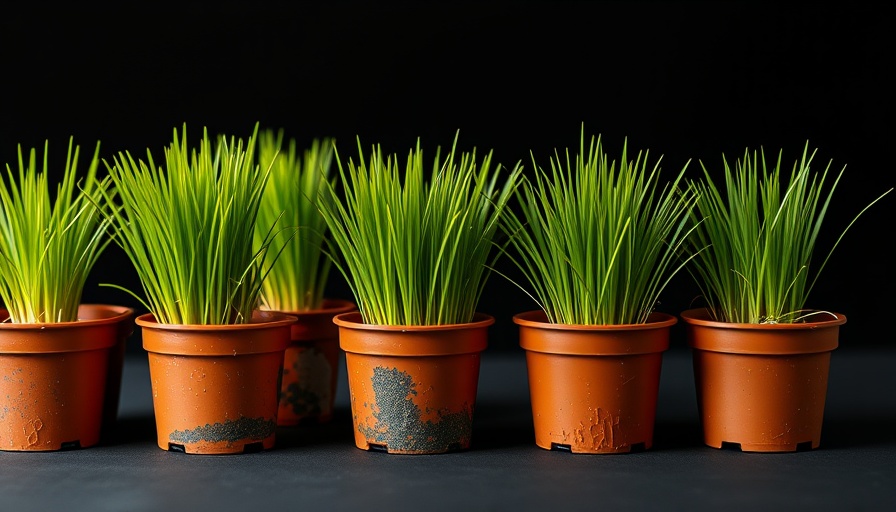
Experimental potted plants for crabgrass and goosegrass management

Crabgrass and Goosegrass: A Common Lawn Battle

For homeowners navigating the challenges of lawn care, identifying common weeds like crabgrass (Digitaria spp.) and goosegrass (Eleusine indica) is vital for maintaining healthy turf. These annual weeds germinate in spring and proliferate quickly, leading to potential infestations that can overwhelm your lawn if left unchecked. Jason James, owner of Turf 212 in Greenville, S.C., emphasizes their similarity, noting that to the untrained eye, both can seem like merely out-of-place grass.

Identifying the Enemy: Key Differences

While both weeds thrive in similar environments, they possess distinct characteristics. Crabgrass is typically clumpier, exhibits dense hairs on its leaves, and may present a purplish hue at the base. Goosegrass stands out with its flat, matted appearance and thicker, whiter root system that resembles a wagon wheel. Furthermore, James underscores the differentiating feature of dallisgrass, which showcases a unique black seed head, making identification easier.

Effective Strategies for Management

The key to triumph over crabgrass and goosegrass lies in a proactive approach. As James elaborates, the application of preemergent herbicides like prodiamine and dithiopyr is critical. He recommends using Barricade (prodiamine) for its versatility and cost-effectiveness—as a general rule, the effectiveness of these treatments hinges on understanding local soil temperatures. In regions where soil temperatures reach about 55 degrees Fahrenheit, typically around mid-February, homeowners can effectively combat these weeds before they take root.

Healthy Lawns, Healthy Weeds: The Best Prevention

Beyond chemical treatments, fostering a robust turf is the best preventive measure against weed invasions. James advocates for thick, healthy lawns, noting that a well-maintained turf outcompetes weeds naturally. Regular mowing heights and frequencies contribute significantly; for instance, allowing fescues to grow taller while maintaining shorter grasses like zoysia and bermuda can help ensure thriving lawns.

Conclusion: Take Charge of Your Lawn

By understanding the right weed identification, utilizing effective herbicide strategies, and committing to healthy lawn maintenance practices, homeowners can take proactive steps to protect their landscapes. A thick, lush turf not only creates a beautiful yard but also wards off troublesome weeds. So, let’s get ahead of the weeds—take action now to safeguard your green spaces!

Roots & Routes

58 Views

Write A Comment

*
*
Related Posts All Posts
01.26.2026

Unveiling the Secrets of Connie's Colorful Georgia Garden

Update Discover the Bounty of Connie's Colorful Garden Nestled in the heart of Georgia, Connie's thriving garden is a testament to the beauty that can emerge from passions nurtured over years. Homeowners interested in plants will find inspiration in her vibrant landscape, which bursts into life with a variety of flowers and foliage that bring joy throughout the seasons. Creating Your Own Oasis: Practical Insights One of the remarkable aspects of Connie's garden is its ability to reflect personal creativity while remaining grounded in practicality. Homeowners can emulate her lush expanse by selecting native plants that thrive in their local environments, reducing maintenance costs and water usage. Connie’s use of native species not only supports the local ecosystem but also increases resilience against pests and diseases. Strategies for Water Conservation In an era when water conservation is vital, Connie employs strategic planning in her garden design. Utilizing drip irrigation and mulching effectively retains moisture and minimizes waste. Gardeners looking to implement similar strategies can explore the installation of rain barrels, which collect runoff for later use, ensuring that your garden remains verdant even during dry spells. Gardening as a Therapeutic Endeavor Beyond aesthetics, Connie’s garden serves as a retreat for relaxation and reflection. Research suggests that gardening can have mental health benefits, reducing stress and promoting mindfulness. This emotional connection to our green spaces adds profound value to our lives, especially during challenging times. Conclusion: Cultivating Your Own Colorful Garden Connie's colorful garden exemplifies the joy and satisfaction that comes from nurturing a slice of nature. With strategic planning and a passion for plants, homeowners can create their own flourishing retreats. So, grab your gardening gloves and start exploring the vibrant possibilities!

01.24.2026

Transform Your Yard with Fast-Growing Plants for Mid-Atlantic Gardens

Update Fill Your Gaps: Fast-Growing Plants for Mid-Atlantic Gardens For homeowners in the Mid-Atlantic region, maintaining a vibrant garden year-round can be a challenge, especially when bare spots make your landscape look incomplete. Fortunately, shoring up these gaps can be done effortlessly with fast-growing plants that not only enhance aesthetic appeal but also contribute positively to the local ecosystem. Why Choose Fast-Growing Plants? Fast-growing plants offer immediate visual impact, which is critical for homeowners looking to foster a lively outdoor space. Additionally, these plants can provide vital resources for local wildlife. According to research, native plants serve as food and habitat for various insects, birds, and butterflies, essential for maintaining biodiversity. Top Choices for Your Garden When selecting plants, opt for natives that thrive well in local conditions. Notable options include: Eastern Redbud (Cercis canadensis): This beautiful flowering tree is perfect for shady spaces and grows quickly, blooming early in spring. Virginia Bluebells (Mertensia virginica): Known for their stunning blue flowers, these plants thrive in moist areas and offer a striking seasonal display. Black-eyed Susans (Rudbeckia hirta): These hardy perennial flowers are drought-tolerant and provide bursts of gold throughout the summer, attracting pollinators. Benefits of Native Plants Incorporating native plants into your landscape not only allows for easier upkeep but also gives back to nature. Many native plants, such as those listed above, require less water and grooming once established. Moreover, by filling your garden with these flora, you contribute to local conservation efforts and support essential pollinator populations. Actionable Tips for Success Start by assessing your garden's sunlight, water drainage, and existing plant types. Consider grouping plants with similar needs and create a mix of flowers that bloom in spring, summer, and fall to ensure constant activity and color in your garden throughout the year. Ultimately, surrounding yourself with nature shouldn't feel overwhelming. Fast-growing native plants can assist in easily elevating your garden’s vibrancy. Whether you're an experienced gardener or just starting, these plants will reward you with minimal effort and maximum beauty. Ready to Transform Your Garden? Now that you have some essential suggestions for fast-growing native plants, it’s time to make your gardening dreams a reality. Start exploring local nurseries and online resources today to fill those gaps and enjoy a stunning outdoor space!

01.23.2026

Discovering Tree Care and Landscaping Insights with Nate Jensen

Update Nurturing Landscaping Dreams: A Glimpse into Nate Jensen's Journey Nate Jensen, the owner of Jensen Gardens in Omaha, Nebraska, has always had a passion for nature that blossomed from childhood. Starting from a simple pumpkin seed planted in his backyard, his love for nurturing living things spiraled into a thriving landscaping business. Established in 2002, Jensen Gardens now provides a wide range of services, including design/build, lawn maintenance, and tree care. The journey has been rewarding, not just as a business but as a way to fulfill the community's need for beautiful and functional outdoor spaces. What the Future Holds for Landscaping Post-COVID The landscape industry, like many others, faced significant challenges during the COVID-19 pandemic. However, Jensen predicts that the next five to ten years may present both hurdles and opportunities as businesses transition back to customer-centric models after the surge in post-pandemic orders. Jensen recalls a wave of new projects, driven by homeowners reevaluating their outdoor spaces while spending more time at home. "COVID brought a windfall for landscapers. But as we shift back to more competitive conditions, excellent customer service and responsiveness will be paramount," he states. Cultivating Growth through Collaboration Joining a peer group can invigorate business growth, as Jensen discovered. Encouraged by his brother, he embraced this opportunity to benchmark his company's performance against others. This has sparked a friendly competitiveness and new perspectives on operational challenges. "When I see others excelling, it pushes us to refine our practices and focus on what truly matters," he notes, emphasizing that continuous learning is vital in this ever-evolving industry. The Joys of Landscape Creation For Jensen, the most fulfilling moments in his work stem from the tangible and heartfelt creations that come to life. He is particularly fond of when a newly installed waterfall magic comes together, underscoring the satisfaction of seeing a project completed and functional. These joyful experiences extend beyond work; sharing meals with the crew while reminiscing about the day’s achievements fosters a strong sense of community within his team. Finding Balance in Farming and Family Beyond his professional life, Jensen shares a passion for hobby farming with his high school sweetheart, Jaime. Amidst his busy landscape management responsibilities, tending to five cows and enjoying the solace of farm life provides a refreshing contrast to his business endeavors. This dual engagement in both landscaping and farming encapsulates the balance he strives for in his life: hard work entwined with the simple pleasures of nurturing life. Conclusion: Engage with Your Outdoor Spaces As homeowners reflect on the importance of their outdoor environments, investing in landscape design or tree care can significantly enhance the beauty and functionality of their properties. If you're inspired by Nate Jensen’s journey and the changing landscape industry, consider exploring landscaping options that resonate with your personal style and needs.

Terms of Service

Privacy Policy

Core Modal Title

Sorry, no results found

You Might Find These Articles Interesting

T
Please Check Your Email
We Will Be Following Up Shortly
*
*
*