








Add Row
Add Element
Tree Guardian News
update
Tree Guardian News
update
Add Element
  • Home
  • Categories
    • Storm Shield
    • Roots & Routes
    • Disease Detective
    • Insurance Intel
    • DIY Arborist
    • Futureproof Foliage
    • Pro-Partner Spotlight
    • Arborist Stories
    • Tree Care Blog
    • Tree Guardian News Blog
SUBSCRIBE TO NEWSLETTER 
  • update
  • update
  • update
  • update
  • update
  • update
  • update
1 Minute Read

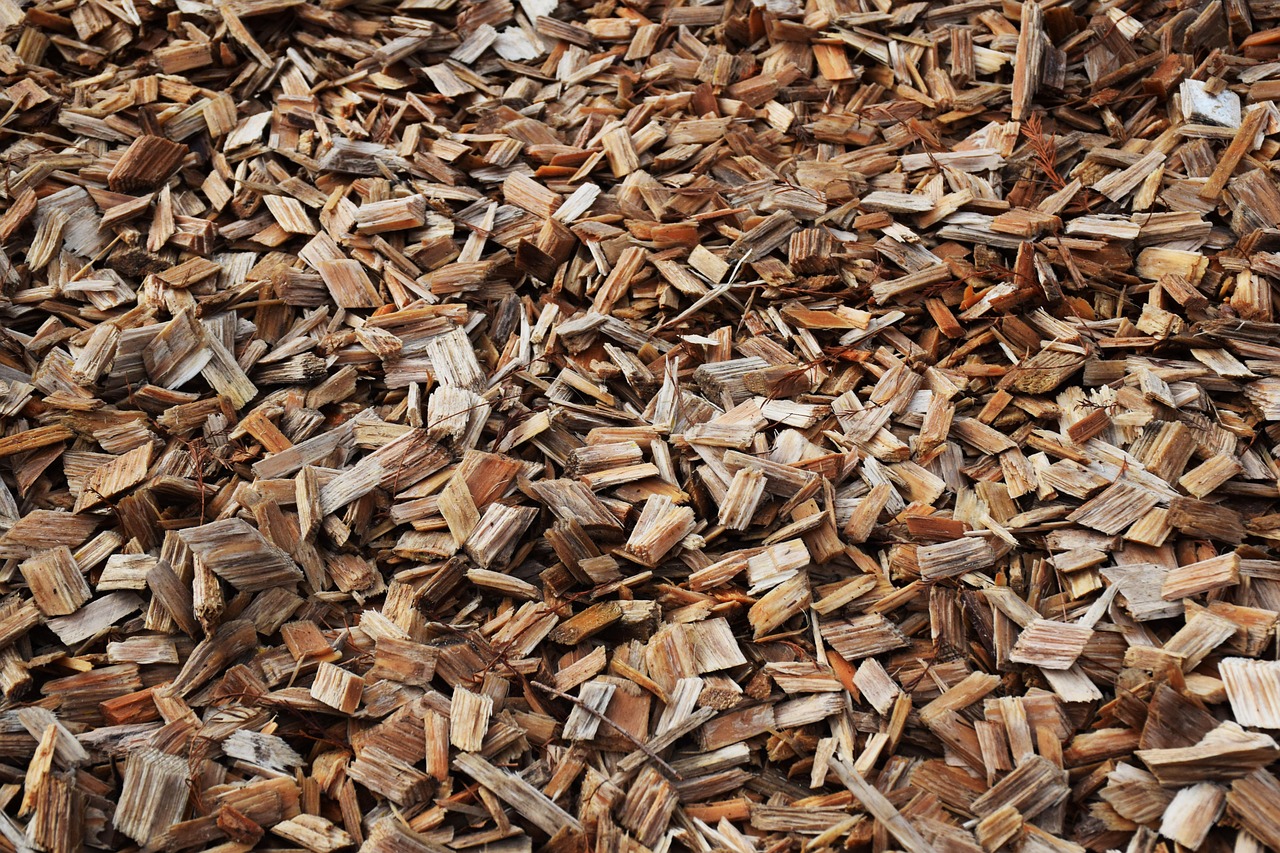
Are Pine chips good for my yard?


We know that it’s very common for arborists to recommend chipping wood on site and scattering the chips to retain the nutrients in the treatment area. However, if you are chipping pine, it’s important to not perform these procedures in the early spring through summer months as this may unintentionally attract bark beetles to the remaining pine trees on site. Best to do this in the late fall and winter months. Freshly cut pine releases volatiles that will attract bark beetles to the site. The beetles may not colonize the woodchips, but they will look for host trees nearby.


Click Here To Learn More

Tree Care Blog

58 Views

Write A Comment

*
*
Related Posts All Posts
03.05.2026

Exploring Juniper Decline in Mansfield Texas: Environmental Stressors and Solutions

Update Understanding Juniper Decline in Mansfield, Texas In Mansfield, Texas, a concerning trend is emerging among landscape junipers, with many exhibiting symptoms of rapid canopy decline. These once vibrant evergreen conifers are showing widespread bronzing, wilting, and necrosis, raising alarm bells among tree care professionals. This article delves into the symptoms observed, environmental factors at play, and the implications of these changes. Notable Symptoms of Juniper Stress The affected junipers in this region reflect signs of serious physiological stress. Sprouting tips begin to display foliar necrosis, where needles turn from a healthy green to a troubling tan or brown, leading to progressive internal wilting. These symptoms follow a pattern that moves inward towards the main stem, significantly compromising the tree's conductive tissue. Such browning is indicative of not only spider mite damage but also the detrimental effects of Diplodia fungal activity. Identifying Spider Mite and Fungal Issues The presence of dormant spider mite eggs has been confirmed on both foliage and stems. Spider mites, while not insects but arachnids, feed on plant cells, extracting essential nutrients through piercing. Their feeding leads to stippling and bronzing on foliage, which can diminish photosynthetic activity and contribute to further canopy thinning. Meanwhile, secondary to the mite damage, Diplodia species of fungi are compounding the issue by infecting the already stressed trees. This opportunistic pathogen tends to take hold in weakened plant tissues, highlighting the need for timely intervention as it quickly colonizes and leads to significant dieback. The Role of Environmental Stressors Root hypoxia, a key factor behind the decline of the junipers is primarily driven by environmental oversaturation. Prolonged periods of heavy rainfall and excessive irrigation have created waterlogged conditions around the roots, leading to low oxygen levels essential for root health. Without adequate aerobic respiration, roots struggle to take up nutrients, causing a cascade of physiological stresses that manifest in visible symptoms like wilting and discoloration. Why Junipers Are More Vulnerable Unlike broadleaf trees that utilize vessel elements for rapid water and nutrient transport, conifers like junipers depend on narrow tracheids. This slower water conduction system makes them particularly sensitive to soil water saturation. As water accumulates, roots not only face impaired respiration but also suffer from nutrient imbalances, structural stress, and increased susceptibility to pests. Corrective Actions for Tree Care To mitigate the ongoing decline, it is crucial for arborists to address the root environment by enhancing drainage around the affected junipers. This could involve aerating the soil or improving the overall drainage system to prevent future oversaturation. Regular monitoring and timely treatment interventions can preserve tree health and mitigate further decline. Looking Ahead: Future Insights for Tree Care As environmental patterns continue to change, understanding the complex interplay between water management and root health will be vital for maintaining the integrity of urban landscapes. Strategies for tree care must evolve to adapt to rising concerns, such as the adoption of innovative technologies like nanobubble irrigation systems, which promise to maintain adequate oxygen levels in soil while reducing water saturation risks. For those in the tree care sector, addressing tree health proactively can lead to not only enhanced growth but also a more resilient landscape capable of withstanding environmental stresses. In light of the conditions observed in Mansfield, a focus on education and implementation of effective care practices is crucial to stave off decline in junippers and similar species across regions prone to varying weather challenges.

03.04.2026

Unlock the Benefits of Tree Cutting: Why Stump Grinding Matters

Update Why Grinding Stumps is a Smart Choice for Homeowners When it comes to tree removal, many homeowners mistakenly believe the job is complete once the tree is down. However, the real benefits of stump grinding often come to light only after the unsightly stump is taken care of. Not only can stump grinding improve the visual appeal of your yard, but it can also enhance safety and prevent potential pest problems. Boost Safety and Convenience A stump can pose a significant tripping hazard, particularly in yards where kids play or guests traverse unfamiliar territory. Grass will grow around the stump over time, obscuring its edges and increasing the likelihood that someone could trip over it. By grinding the stump down, you effectively reduce injury risks and maintain the safety of your outdoor space. Plus, mowing around a stump can be a real headache—accidental collisions can lead to costly repairs for lawn equipment. Combat Pests and Keep Your Yard Healthy Decaying stumps can attract a variety of pests, including insects such as termites, beetles, and ants. These pests may not only damage the stump itself but can also move on to infest your home. By grinding the stump soon after tree removal, you eliminate a prime food source for these insects, greatly diminishing the chances of an infestation. This keeps your yard and home safe and healthy, providing peace of mind for you and your family. Enhance Curb Appeal and Landscape Opportunities One often-overlooked benefit of stump grinding is how it improves the curb appeal of your property. A clean, well-maintained lawn conveys that you take care of your home. Moreover, removing the stump opens up endless possibilities for landscaping. Whether you're looking to plant grass, lay sod, or create a garden bed, removing the stump enables you to revitalize your yard and also empowers you to take creative control over your landscape design. Avoid Tree Regrowth One of the frustrating aspects of tree removal is the chance of regrowth from the stump. Some tree species are notorious for sprouting new shoots if the stump remains in the ground. Stump grinding reduces the likelihood of these invasive sprouts taking over your garden, allowing you to maintain a tidy and attractive yard. Minimal Disruption and Clean-up Concern about messiness can deter some people from getting stumps ground. However, the grinding process creates wood chips that can be repurposed as mulch in your garden or composted. Plus, because stump grinding is less disruptive than complete stump removal, the surrounding area is largely unharmed. After a few hours, you can cover the ground with topsoil and reseed it, blending it seamlessly into your lawn. Efficient Timing and Cost-Effectiveness Timing is crucial in maximizing the benefits of stump grinding. Taking care of stump grinding soon after tree removal keeps your project moving efficiently and prevents you from dealing with an unnecessary obstacle in your yard for too long. On top of that, the cost of grinding is often much less than the potential expenses associated with pest control or safety-related injuries. Conclusion Grinding tree stumps provides numerous advantages, from enhanced safety to improving the aesthetic of your property. Don’t let stumps linger in your yard—consider the long-term benefits of grinding them down!

02.28.2026

Caring for Red Mountain Cedar: Managing Spider Mites and Diplodia Disease

Update Understanding the Decline of Red Mountain Cedar in WeatherfordThe Red Mountain Cedar (Juniperus pinchotii) is a beloved native tree in Parker County, Texas. Its resilience in harsh environments, particularly its drought tolerance, makes it an attractive option for local homeowners. However, a troubling trend has emerged: a decline in this species due to environmental stressors, particularly as the region has experienced prolonged rainfall since 2024.What Are the Main Causes of Decline?The decline of Red Mountain Cedar can be attributed to several key factors:Spider Mite Infestation: These tiny arachnids thrive on stressed plants, feeding on the tree’s tissues and leading to visible damage such as chlorotic stippling—a telltale sign of their presence.Diplodia Fungal Activity: This fungus typically infects weakened trees, especially when humidity levels are high.Root Hypoxia: Oversaturation of soil reduces oxygen levels around roots, impairing their ability to function properly.Spider Mites: The Tiny TerroristsSpider mites are not true insects; they belong to the arachnid family. When they infest Red Mountain Cedar, they can cause significant damage. The symptoms include:Loss of needle densityDiscoloration of foliageExtreme depletion of tree vigorUnderstanding why spider mites prefer stressed cedars is critical for effective management. As the trees’ defenses weaken, these pests thrive, creating a vicious cycle of decline.Diplodia: The Hidden FoeAnother antagonist in the decline narrative is Diplodia fungi, which primarily colonize stressed needle tissues and young shoots. The presence of this fungus can exacerbate the situation, creating browning tips and dieback of the tree. The initial stress, often caused by environmental factors, makes trees susceptible to such infections.Environmental Impact: Water Stress & Its EffectsOne of the critical factors contributing to the decline of Red Mountain Cedar is oversaturation of the soil, leading to root hypoxia. Unlike hardwoods, junipers have a unique vascular system that is sensitive to excess moisture. Over time, pooling water can:Encourage fungal growthReduce structural anchorageImpair nutrient uptakeStrategies for ManagementTo combat these issues, an integrated management strategy must be employed:Improve Drainage: Alter surface drainage to prevent water pooling around root flares.Pest Control: Implement an Integrated Pest Management (IPM) approach to keep spider mite populations at bay.Fungicide Application: Where necessary, the application of fungicides can help manage Diplodia infections.Enhance Soil Conditions: Adding organic matter can improve soil porosity and facilitate better root respiration.The Takeaway: Caring for Your TreesFor homeowners and arborists alike, understanding the challenges facing the Red Mountain Cedar is essential. With the right strategies, including appropriate irrigation, pest control, and soil management, the health of these trees can be maintained. As stewards of the land, it is our responsibility to be proactive about tree care, ensuring that these beautiful natives continue to thrive in our landscapes.

Terms of Service

Privacy Policy

Core Modal Title

Sorry, no results found

You Might Find These Articles Interesting

T
Please Check Your Email
We Will Be Following Up Shortly
*
*
*