









Did you know nearly 1 in 3 property damage claims after severe weather involve tree-related incidents? When massive storms strike, storm damage tree removal isn't just a matter of cleaning up your yard—it's an urgent safety necessity. After a storm, fallen branches, debris, and damaged trees pose real risks to families, property, and neighborhoods. If you're uncertain about the next steps or whether your insurance will help with tree cleanup, this comprehensive guide will walk you through restoring safety, saving money, and protecting your landscape for the long term.
Startling Insights: The Real Impact of Storm Damage Tree Removal
"Nearly 1 in 3 property damage claims after severe weather involve tree-related incidents. Immediate storm damage tree removal is not just safety, it's necessity." – Certified Arborist
Storm damage can change your backyard in minutes, transforming familiar trees into potential hazards. Large trees toppled by high winds or broken branches speared into roofs are not mere inconveniences—they are severe threats to both people and property. For homeowners, the implications extend beyond basic storm cleanup: failure to promptly address tree damage may result in costly repairs, extended power outages due to downed lines, and even denied insurance claims if hazards aren't managed effectively.
Understanding the true scope of storm damage tree removal is essential. It involves not just removing fallen trees but managing risks, coordinating with your insurer, and protecting your property from future storms. Whether you’re assessing structural impacts, handling major tree debris, or considering when to hire professional tree service, this guide gives you actionable insights to ensure safety and regain peace of mind.
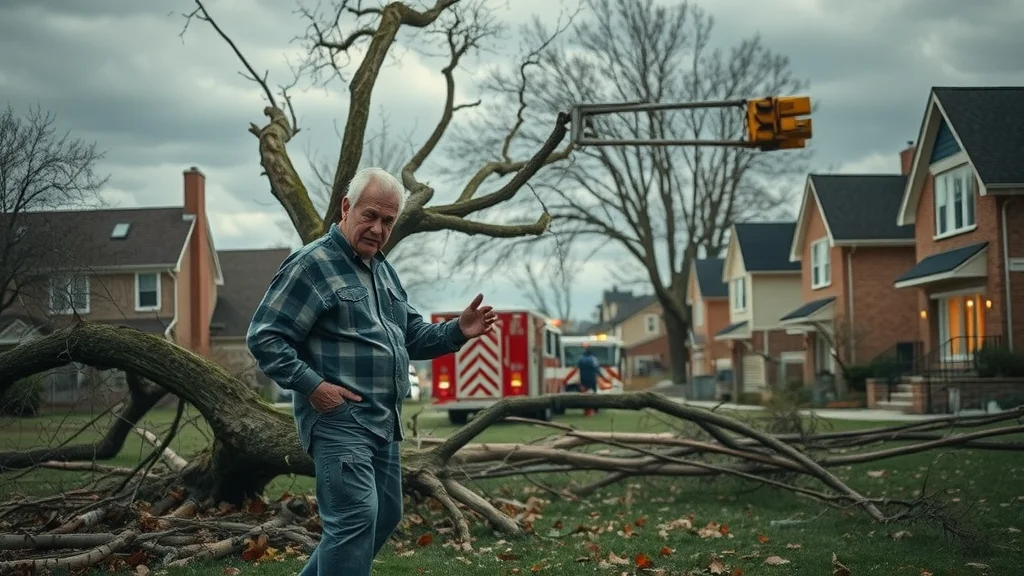
What You’ll Learn About Storm Damage Tree Removal
- How to assess a damaged tree after a storm
- Key steps and safety precautions for storm damage tree removal
- Understanding tree damage cleanup, insurance and FEMA coverage
- How to prevent future storm damage to trees
- When and how to hire a professional tree service
Understanding Storm Damage and Its Effect on Trees
The impact of a storm on your trees can be deceptive. At first glance, your landscape may appear largely untouched, but hidden damage to trees is common. Fallen branches and scattered tree debris are the most visible signs, but it’s the structural wounds—splintered trunks, exposed roots, or subtle cracks—that create the biggest risks.
After a major weather event, homeowners should perform a careful assessment of all trees on their property. Check for visible splits, broken limbs, uprooting, and leaning trunks. Keep in mind that what appears to be a stable tree may in fact be seriously compromised. Without appropriate attention or a prompt tree risk assessment, these disguised hazards can cause further injury or property damage in the days to follow. This knowledge lays the foundation for an effective risk management plan that addresses immediate dangers and future risks.
For a deeper dive into how insurance claims are handled after natural disasters, including the nuances of property damage and support resources, you may find it helpful to review the California Smoke Claims Task Force and its role in homeowner support. Understanding these processes can better prepare you for navigating storm-related tree removal claims.
Identifying Damaged Trees: Signs and Symptoms After Storm Damage
- Splintered trunks and major limb loss
- Exposed roots and unstable large trees
- Tree debris scattered over property
"After a storm, trees may look stable but hidden damage to trees often makes them hazardous." – Industry Expert
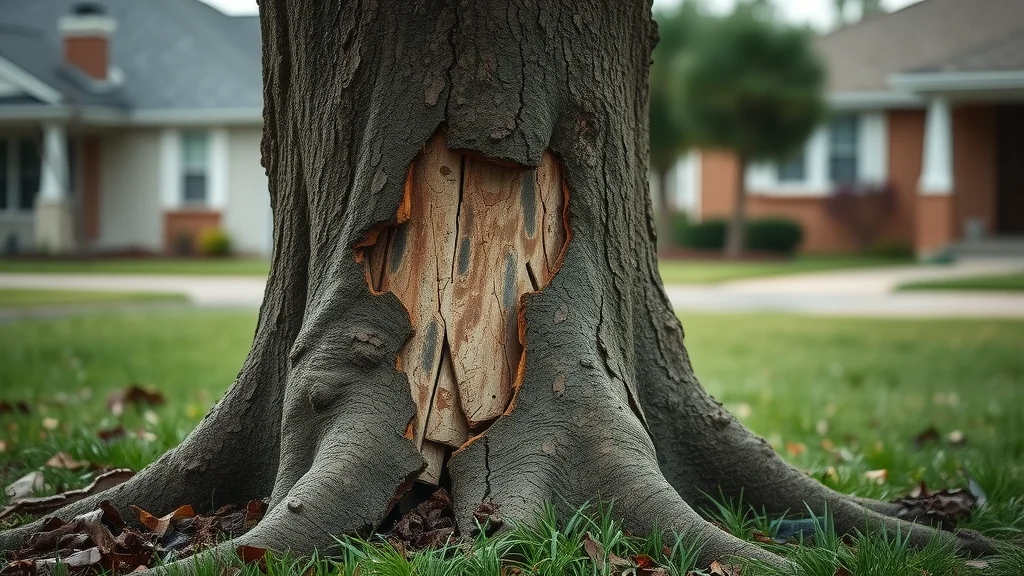
Recognizing the early warning signs of a damaged tree is crucial for both safety and successful storm damage tree removal. Large cracks running down the trunk, extensive bark loss, and limbs hanging high in the canopy are classic indicators of imminent failure. Additionally, be wary of any trees with uplifted soil or displaced roots, as these may be at high risk for falling—especially large trees close to your home.
Assessing Tree Damage and Determining Removal Needs
Before you reach for a saw or call in a tree service, it's essential to accurately evaluate the extent of the damage. Some damaged trees can be saved through targeted pruning, cabling, or other tree care interventions. Others, especially those with major trunk fractures, complete uprooting, or severe lean toward structures, represent a potential hazard and must be removed to ensure property safety. This assessment is the critical first step and shapes your overall risk management plan.
Understanding which trees can be treated versus which must be taken down is not just about preserving your landscape—it could also impact your insurance claim and the safety of everyone near the site. Ongoing risk assessment after a storm gives you the clarity needed to act decisively, prevent costly mistakes, and safeguard your home and family.
Evaluating the Extent of Tree Damage
- Partial vs. complete uprooting
- Broken limbs and trunk cracks
- Tree leaning toward structures
When inspecting for damage to trees after severe weather, start by differentiating between minor issues—like broken small tree branches—and major structural failures. A large tree uprooted and leaning or split into the main trunk often needs immediate attention. Factors like proximity to power lines, homes, or roads elevate the urgency, while extensive trunk cracks or detachment at the root base are clear removal triggers. Capturing photos of the scene aids in insurance documentation and supports your case for professional intervention if necessary.
Steps for Safe and Effective Storm Damage Tree Removal
Effective storm damage tree removal prioritizes safety above all. Whether you’re managing the aftermath yourself or coordinating with a tree service, your first objective is to reduce immediate risks. Storm-felled trees present unpredictable dangers: concealed power lines, shifting debris, or sudden collapses. Employing a step-by-step approach ensures professional-level safety and helps avoid common mistakes that result in injury or further property damage.
Remember, even qualified homeowners should leave high-risk tree cleanup to licensed experts—especially if the tree is entangled in power lines, leaning near structures, or shows signs of imminent collapse. For simple cleanups, always work with a partner and keep local emergency numbers handy in case new hazards emerge.
Prioritizing Safety During Tree Cleanup
- Wear protective gear before approaching the site
- Check for downed power lines
- Remove small limbs and tree debris first
- Engage licensed tree service for large tree removal
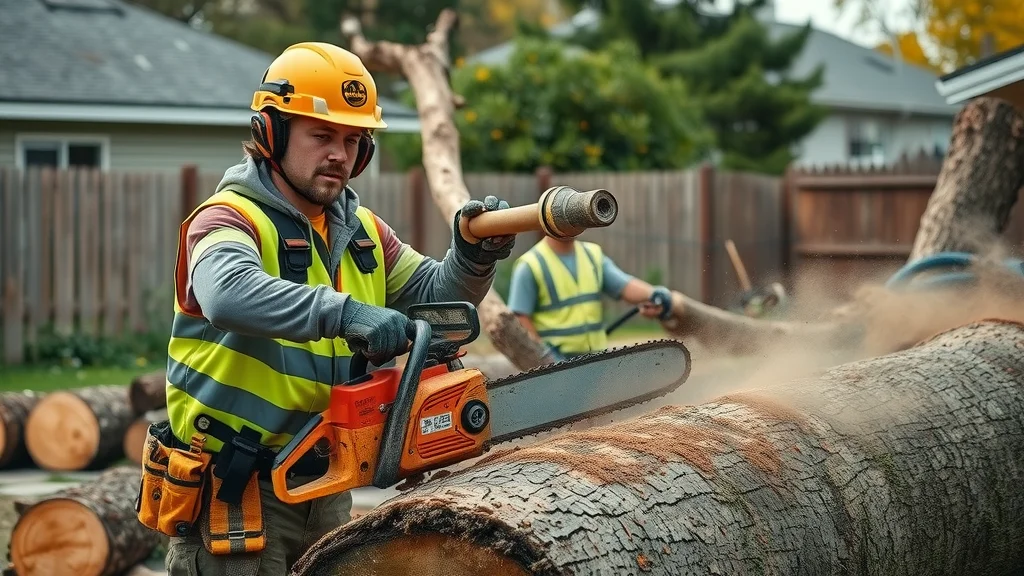
Modern tree services emphasize strict adherence to safety protocols, reducing your exposure to both known and unpredictable dangers. Even routine removal of a damaged tree requires PPE such as hard hats, goggles, sturdy gloves, and steel-toe boots to minimize injury risk. Before approaching the scene, always scan for downed or drooping power lines—contact your utility company or emergency crew if you see any, as these pose a life-threatening risk.
Storm Damage Tree Cleanup: Techniques and Best Practices
Effective tree cleanup after a storm isn't just about hauling away tree debris. It's a process involving the sorting, safe disposal, and, often, the treatment of both landscape and tools to prevent lasting harm. Efficient cleanup diminishes ongoing risks, restores your property’s look, and, importantly, preserves healthy trees from secondary infections or disease spread caused by contaminated saws and pruning gear.
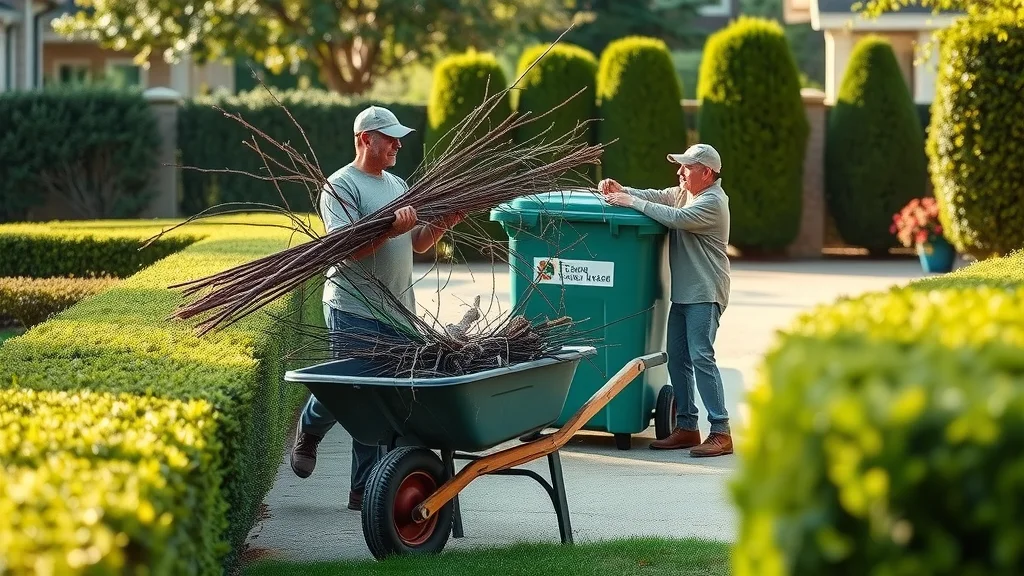
It’s also crucial to protect lawns, gardens, and other infrastructure during cleanup. Use wheelbarrows and tarps to minimize landscape damage when transporting branches or logs. Whenever possible, recycle wood waste through municipal programs, turning debris into mulch or compost, which feeds your future gardening efforts and helps your neighborhood become more resilient after storms.
Dealing With Tree Debris and Secondary Damage to Trees
- Proper disposal of storm debris
- Minimizing property and landscape impact
- Sanitizing tools to avoid spread of tree disease
Incomplete or improper cleanup can worsen damage to trees and lead to more persistent issues in your yard. Proper sorting and disposal of tree debris maintains tidiness and allows local municipalities to process waste efficiently. For your landscape, lay down plywood or boards to reduce lawn ruts and compacted soil. One often-overlooked best practice in tree care is cleaning and disinfecting cutting equipment between uses. This avoids introducing fungal or bacterial pathogens into healthy wood, which is especially important after large-scale storm cleanup operations.
| Aspect | DIY | Professional Service |
|---|---|---|
| Safety | High risk, especially with large trees and possible hidden hazards | Minimized risk; fully insured and trained professionals |
| Cost | Lower for minor jobs; may escalate with accidents or equipment rental | Higher upfront; often covered by insurance or FEMA for major jobs |
| Result | Basic cleanup, risk of incomplete removal or landscape damage | Thorough, efficient, and landscape-friendly cleanup |
When to Call a Professional Tree Service for Storm Damage Tree Removal
"Professional tree service ensures complex storm-damaged tree removal is fast, safe, and fully compliant with local codes." – Local Tree Safety Officer
There are situations when even the most confident DIYer should defer immediately to a tree service. If you encounter a large tree down near your house, power lines, or intersecting roadways, attempting removal on your own risks not just your safety but also legal and insurance complications. Certified arborists and professional crews have the equipment, training, and risk management expertise to tackle complex storm tree cleanup jobs.
Engage a licensed tree service when trees show extensive structural failure, rest precariously on utility lines or structures, or require high-climbing for removal. Be sure to document the damage for insurance, and request written estimates and proof of insurance from your contractor to protect your liability and investment during the recovery process.
Future Storm Protection: Preventing Further Tree Damage
Storm-proofing your landscape protects not only your investment but also the safety of those who use the property. A proactive approach—combining informed tree care, regular assessment, and expert intervention—forms your best defense against future storm risk. Incorporate annual pruning, removal of at-risk species, and a robust management plan to ensure storm-resistance.
Remember, mature and larger trees require ongoing monitoring. Even seemingly healthy specimens can be structurally weakened through root compromise or age. Don’t forget to check municipal guidelines and tree ordinances for recommendations or incentives supporting strong, storm-proof landscaping.
Proactive Tree Care to Minimize Future Storm Damage
- Annual tree inspections by certified arborists
- Storm-resistant pruning techniques
- Removal of vulnerable large trees before storm season
Routine professional evaluations catch problems before small weaknesses become dangerous. Pruning removes dead wood and promotes a strong branch structure, while strategic removal of damaged trees or species with high breakage risk reduces the likelihood of catastrophic tree damage during a future storm. Ultimately, creating a future-focused risk management plan is crucial for landscape sustainability and home safety alike.
Will Insurance Pay for Tree Removal After a Storm?
Insurance Coverage for Damaged Trees and Storm Damage Tree Removal
Most homeowners’ insurance policies include some level of support for storm damage tree removal when a damaged tree threatens covered property or blocks a driveway. It’s important to understand your specific coverage: some insurers distinguish between damage to the home itself and landscape-only claims, while others may limit payouts based on tree size or removal complexity.
Most insurance policies cover storm damage tree removal if the damaged tree poses an immediate hazard to the property; policy details vary.
Policy documents will detail exclusions and coverage caps. In most cases, you’ll need to supply photos, estimates, and possibly professional arborist reports to support your claim. Quick action—both in documentation and hazard mitigation—improves the odds that your tree cleanup costs will be reimbursed or paid directly.
How Much Is Tree Removal After a Storm?
Factors Affecting Storm Damage Tree Removal Costs
The cost of storm damage tree removal varies widely according to several factors. Size matters—removing a large tree is considerably more expensive than taking care of a small tree or simple branch debris. Other considerations include the difficulty of access, proximity to hazards like homes or lines, emergency response, and whether specialized equipment is required. If additional risk assessment is needed, or the tree poses an immediate danger, expect higher service fees or emergency surcharges.
Costs can range from $200 for minor tree cleanup to $2,000+ for large tree removal, depending on damage severity and tree size.
For basic storm cleanup—removing a fallen small tree or debris from a single spot—the price may be as low as $200 to $500. However, the average for major storm damage tree removal runs $800 to $1,500, with especially large or hazardous trees sometimes exceeding $2,000. Always request a detailed, itemized estimate before work begins to avoid surprises on your final bill.
Does FEMA Help Pay for Tree Removal?
Storm Damage Tree Removal and FEMA Assistance
In the wake of federally declared disasters, the Federal Emergency Management Agency (FEMA) may offer financial assistance for necessary storm damage tree removal. Assistance typically covers removal if the damaged tree is a threat to the main structure, access routes, or overall property safety.
FEMA may help with storm damage tree removal expenses if the damage is part of a declared disaster and presents a safety risk.
Always keep thorough documentation of the damage and any work completed. Visit FEMA’s website or contact your local emergency management office to determine current eligibility or start a claim if your area is included in a disaster declaration.
How Much Will Insurance Pay to Remove a Tree?
Limits and Conditions on Insurance Coverage After Storm Damage
Insurers often set caps on the amount reimbursable for storm-related tree removal. The limits may be per tree, per event, or tied to overall structural damage. Most policies exclude costs if the tree fell without impacting a covered structure or causing blockage, making clear communication and timely risk assessment critical for claims.
Insurance usually reimburses up to a stipulated amount per tree, often between $500 and $1,000, provided the tree removal is necessary for property safety.
Check your policy’s fine print for sub-limits, deductibles, and exclusions—for example, some policies only cover trees blown down by wind, not flooding. Proactive planning and quick documentation help maximize your recovery and ensure full utilization of available benefits.
FAQs: Storm Damage Tree Removal
-
Can I perform storm damage tree removal myself?
Minor cleanup—like picking up small branches or sawing off accessible broken limbs—may be safe for some homeowners. However, risks with large trees, leaning trunks, or power line involvement demand professional tree service to ensure safety and code compliance. -
How soon should I address storm-damaged trees?
Deal with damaged trees immediately: delay can lead to further peril if weakened trees fall unexpectedly or block access. Quick action also helps insurance coverage and accelerates the full restoration of your property. -
Are all fallen trees considered covered damage for insurance?
Not always. Most policies only cover tree removal if the damaged tree poses a threat to insured property (home, garage, driveway, etc.) or causes blockage. Always review your policy and supply necessary documentation for your claim.
Key Takeaways: Storm Damage Tree Removal
- Immediate storm damage tree removal is vital for property safety
- Always assess tree damage before cleanup
- Hire professionals for large tree or hazardous tree removal
- Check your insurance and local FEMA policies
Restore Your Landscape with Prompt Storm Damage Tree Removal
Grow your landscaping expertise—call 203-271-7991 or visit TreeGuardianNews.com to subscribe.
Act fast, stay safe, and protect your property for the future. Taking the right steps after a storm ensures rapid recovery and lasting peace of mind.
If you’re interested in expanding your knowledge about disaster recovery and the evolving landscape of homeowner support, consider exploring how statewide initiatives are shaping the future of property protection. The California Smoke Claims Task Force offers a compelling look at coordinated efforts to assist homeowners facing large-scale environmental challenges. By understanding these broader strategies, you’ll be better equipped to advocate for your property, navigate complex claims, and implement advanced risk management techniques for any disaster scenario.
When severe weather strikes, understanding how to manage storm-damaged trees is crucial for safety and property protection. The University of Minnesota Extension’s guide, Storm damage to landscape trees, offers comprehensive advice on assessing tree damage, implementing corrective pruning, and determining when to consult professional arborists. Additionally, the Wisconsin Department of Natural Resources provides a resource titled Storm Damage to Forests: What to do first, which outlines steps for conducting thorough damage assessments and considerations for salvage harvesting. These resources equip homeowners with the knowledge to effectively address storm-related tree issues and restore their landscapes safely.


Write A Comment