









But what if you could minimize or even eliminate these financial headaches by following proven strategies? This comprehensive guide to winter storm damage prevention delivers actionable, expert-backed advice that every homeowner needs, especially as severe winter weather becomes increasingly common across the United States
Startling Facts: The Real Cost of Ignoring Winter Storm Damage Prevention
The true costs of neglecting winter storm damage prevention can be staggering. According to recent insurance claims data, the average homeowner in the United States spends between $5,000-$12,000 on repairs following severe winter storms. Property damage from ice dams, burst pipes, and high winds not only disrupt daily life but can also decrease property value. As winter storms and wind damage incidents increase due to shifting weather patterns, skipping key prevention steps isn't just risky—it's costly.
"Did you know 1 in 5 homeowners faces expensive repairs due to preventable winter storm damage each year?"
Severe winter weather events also pose health hazards and stress, forcing families to seek temporary shelter and making homes uninhabitable for days or even weeks. The National Weather Service and insurance providers consistently warn that preparation is far less expensive—and less disruptive—than repair. In short: Acting now to prevent winter storm damage is an investment in your safety and financial peace of mind.
What You'll Learn About Winter Storm Damage Prevention
- Understand the causes and effects of winter storm and wind damage.
- Discover step-by-step winter storm damage prevention strategies for every home.
- Get expert-backed tips for preparing before, during, and after severe winter events.
- Gain essential advice on mitigating power outages, ice dams, and indoor air concerns.
Understanding Winter Storms and Their Impact on Homes
What Are Winter Storms? Definitions and Types Relevant to Winter Storm Damage Prevention
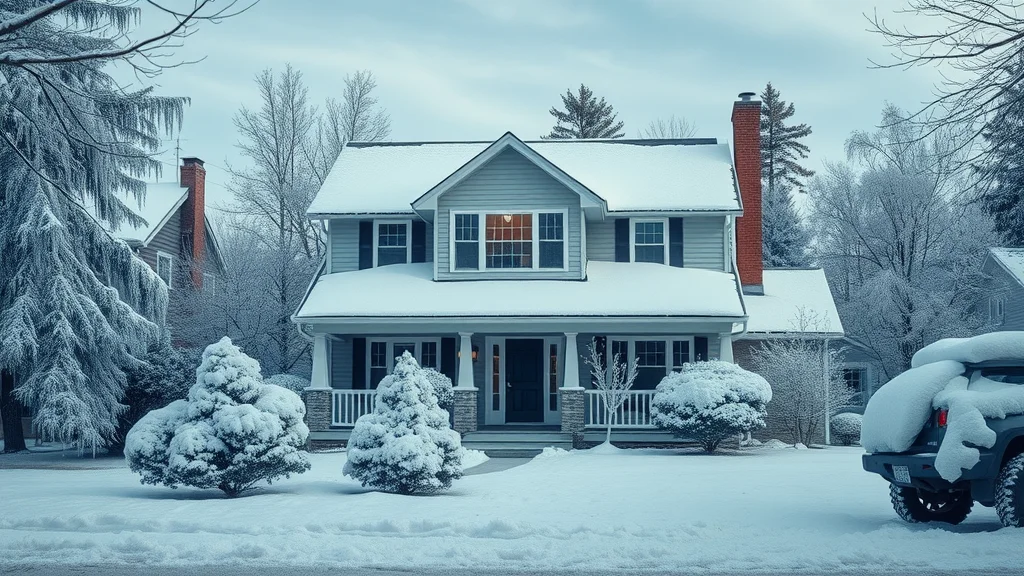
Winter storms are powerful weather events that can include heavy snow, freezing rain, sleet, and high winds. These conditions frequently lead to power outages, road closures, and structural damage. In the United States, winter storms are categorized by their intensity and the hazards they produce. For homeowners, understanding the different types—such as blizzards, ice storms, and nor'easters—can help tailor your winter storm damage prevention strategies.
For instance, blizzards bring strong winds and snow accumulation, increasing the risk of roof collapses and wind-driven property damage. Ice storms coat branches, power lines, and roofs with heavy ice, leading to ice dams and power outages. By learning the specific threats posed by each type of winter storm, you can take targeted steps to safeguard your home from both property damage and health risks.
The Science Behind Severe Winter Weather and Wind Damage
Severe winter weather results from a complex interplay between atmospheric pressure, arctic air masses, and moisture-laden systems. When warm, moist air collides with cold air near the ground, heavy snow, and freezing rain can occur—rapidly accumulating on surfaces and increasing weight loads. High winds during storms compound the issue, stripping shingles from roofs, toppling trees, and driving moisture into small gaps in siding and gutters.
Wind damage is particularly common during severe winter storms, often resulting in missing roof shingles and broken windows. Atmospheric agencies such as the National Weather Service and the National Oceanic and Atmospheric Administration (NOAA) provide information and alerts to help homeowners anticipate these risks. Integrating this knowledge into your household preparedness plan is a core component of winter storm damage prevention.
While understanding the science behind winter storms is crucial, it's equally important to stay informed about evolving insurance requirements and how they impact your ability to recover from weather-related losses. For a closer look at how insurance reform and industry changes can affect homeowners facing storm damage, explore the recent developments in New York's urgent insurance reform needs and what they could mean for your coverage.
Why Winter Storm Damage Prevention Matters: Statistics and Real-World Examples
Ignoring winter storm damage prevention has real-world consequences. Every winter, insurance companies process thousands of claims for water damage, burst pipes, and ice dams—costs that could have been avoided with simple preparedness. For example, families in South Carolina recently faced thousands in repairs after a rare ice storm, with many citing a lack of advance preparation as the main culprit.
Recent studies from state universities and government agencies confirm that proactively managing snow and ice buildup, reinforcing roofs, and insulating water pipes can cut risks—and repair bills—in half. With every severe winter season, more homeowners recognize that prevention isn't optional, especially as weather service alerts become more frequent and urgent.
| Type of Damage | Description | Prevention Method |
|---|---|---|
| Roof Leaks & Wind Damage | Missing shingles, leaks from snow/ice, structural compromise from high winds. | Inspect and reinforce roofing before winter; replace or seal damaged areas. |
| Ice Dams | Ice buildup along roof edges causing leaks and interior water damage. | Clear gutters, improve attic insulation, install roof heating cables. |
| Pipe Freezing/Burst Pipes | Water pipes freeze, expand, and rupture, causing major water damage. | Insulate exposed pipes, drip faucets during freezing temperatures. |
| Power Outages | Loss of electricity from downed lines or overburdened grids. | Stock emergency supplies; install backup generators; stay informed via NWS. |
| Poor Indoor Air | Trapped moisture/contaminants from closed windows and lack of ventilation. | Use air purifiers, allow fresh air exchange when possible, maintain HVAC. |
Winter Storm Damage Prevention: Essential Steps for Every Homeowner
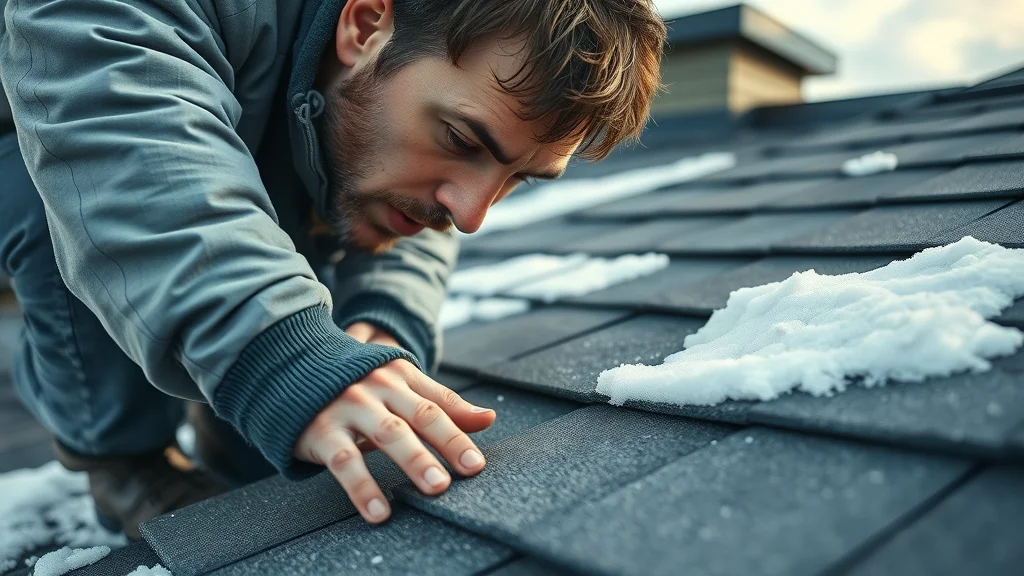
A strong, actionable winter storm damage prevention plan is your first line of defense against property and financial loss. As a homeowner, these essential steps address the core vulnerabilities exposed during every severe winter event.
- Inspect and reinforce your roof to prevent wind damage. Schedule a professional roof inspection each fall. Replace missing or damaged shingles and secure flashing. Strengthen structural supports and clear debris that could be propelled by high winds, which often cause the most costly repairs during winter storms.
- Seal windows and doors for winter storm damage prevention. Drafts and air leaks not only waste energy but allow snow and rain inside. Apply weatherstripping, caulk cracks, and upgrade to double-pane windows if possible. Sealing up your home's envelope is a critical way to prevent water and wind from sneaking in during storms.

- Protect pipes and plumbing to mitigate freezing risks. Insulate water pipes in vulnerable areas, such as basements, crawl spaces, and attics. On extremely cold nights, let faucets drip to prevent pressure build-up and check pipe insulation periodically for gaps or wear. Smart leak detectors can alert you before burst pipes cause extensive water damage.
- Clear gutters and address ice dams before storms hit. Clean your gutters each fall to prevent ice buildup and water backflow. Consider installing gutter guards or heated cables to keep roof edges clear. These steps are essential for avoiding the dreaded winter scenario of melting snow refreezing—and forcing water into your home.
National Weather Service Advice on Winter Storm Damage Prevention
"Stay informed: Follow National Weather Service updates for your area and act fast when winter weather warnings are issued."
The National Weather Service (NWS) offers critical alerts, forecasts, and storm tracking tools that empower homeowners to take timely action. Their advice is clear: proactive winter storm damage prevention hinges on up-to-the-minute information and rapid response. Monitoring NWS alerts can mean the difference between being prepared or caught off guard.
Understanding Winter Weather Alerts from the Weather Service
NWS issues several types of alerts: Watches, Warnings, and Advisories. A Winter Storm Watch means hazardous weather is possible—start preparing now. A Winter Storm Warning signals that dangerous conditions (such as heavy snow, ice, or high winds) are imminent or already happening. Advisories typically address lower-level but still dangerous conditions like sleet or freezing drizzle.
Staying tuned to the National Weather Service, via their website, mobile app, or local media, ensures you're alerted to rapidly changing weather. These updates are foundational for timely home protection, from pre-storm preparation to knowing when to implement safety measures for wind damage, power outage risk, or severe cold snaps.
How to Utilize National Weather Service Resources for Home Preparation
NWS provides resources beyond simple alerts. Their detailed storm tracking, hazard maps, and preparedness checklists are indispensable to homeowners seeking comprehensive winter storm damage prevention. When a major event is forecasted, use these resources to confirm which vulnerabilities—like roof integrity, pipe insulation, or emergency lighting—require immediate attention.
Sign up for your local NWS alert system, follow official social media channels, and bookmark the national site. This level of engagement ensures your information is accurate, timely, and actionable. Remember, FEMA and NOAA often update regional guidance in tandem with NWS, so leveraging all three resources is the safest approach.
Power Outage Preparedness: Reducing Winter Storm Damage Risks

A power outage during a winter storm can quickly become dangerous or even life-threatening. Without heat, lights, or the ability to cook, families must be able to rely on their emergency kit and contingency plan. Being prepared not only reduces risk of injury but also avoids secondary issues like frozen pipes or spoiled food, both of which contribute to winter property damage.
Creating a Power Outage Plan as Part of Winter Storm Damage Prevention
Every home should have a power outage plan. Start by identifying backup power options: portable generators, battery packs, and solar-powered devices all help keep essential items running. Review your heating system's resilience to outages and consider safe alternatives like propane heaters or wood stoves if traditional electric systems fail.
- Backup power options for homes during severe winter events. Invest in high-quality generators with automatic start features. Test them regularly, store fuel safely outside living areas, and install carbon monoxide detectors if using combustion-based heat sources.
- Battery-powered essentials for emergency preparedness. Flashlights, lanterns, radios, and battery-powered phone chargers keep you informed and illuminated even during extended outages. Store backup batteries and test devices monthly during winter.
Consult your local utility or state university extension office for guidance on generator safety and other community resources that offer further disaster preparedness support.
Protecting Against Ice Dams: Advanced Winter Storm Damage Prevention
How Ice Dams Form and Cause Wind Damage
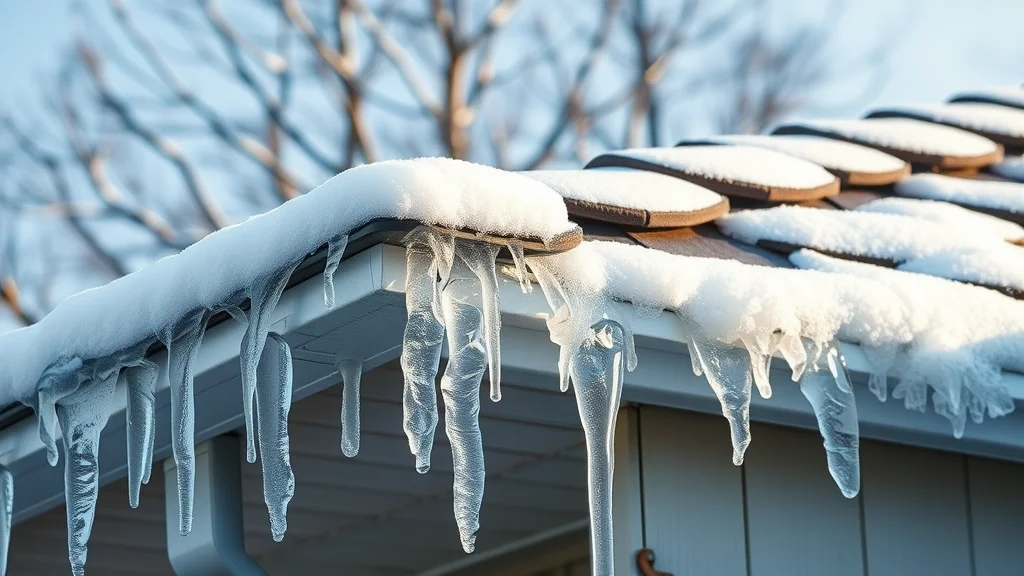
Ice dams are a notorious source of preventable winter storm damage. They form when melting snow refreezes at the cold roof edge, trapping water behind the ice. As more snow melts (often from heat escaping the attic), water is forced under shingles and into ceilings or walls—leading to leaks, ruined insulation, and mold.
In some cases, the weight of ice dams can also compromise the structural integrity of gutters and even roofs, increasing the risk of collapse, especially when combined with high winds from severe winter storms. This makes prompt action both a safety and property protection imperative.
Best Methods to Prevent and Remove Ice Dams
Prevention starts with keeping your attic cold and well-insulated, limiting heat escape. Verify your attic’s insulation and add more if temperatures exceed outside levels during winter. Additionally, ensure soffit vents and ridge vents allow for adequate airflow, reducing the risk of hot spots forming on the roof.
Install gutter guards and heated roof cables in high-risk areas to keep snow and ice moving. If you notice ice dams forming, use a roof rake to clear snow while standing safely on the ground. If dams persist, consult a professional—never chip away with sharp tools, which could damage roofing materials and create new points for water or wind damage. Addressing these issues actively is central to winter storm damage prevention.
Maintaining Indoor Air Quality During Winter Storms
Winter Weather Impact on Indoor Air: What Every Homeowner Should Know
During winter, homes are sealed tight against the cold—trapping pollutants, stale air, and excess humidity inside. This can lead to poor indoor air quality, exacerbating allergies and increasing the likelihood of mold if moisture levels rise.
Continuous use of heating systems, combined with infrequent fresh air exchange, allows dust, pet dander, and VOCs from cleaning or cooking to accumulate. Maintaining healthy indoor air quality shouldn’t be overlooked in your winter storm damage prevention plan—especially during prolonged storms or power outages when ventilation is limited.
Tips to Maintain Healthy Indoor Air Quality as Part of Winter Storm Damage Prevention

Use high-quality HEPA air purifiers in main living spaces to filter dust, particles, and allergens. Run exhaust fans in kitchens and bathrooms to reduce humidity and prevent mold, especially after you’ve sealed windows and doors for storm protection.
Whenever possible, crack a window for a short period during milder parts of the day to allow for fresh air circulation without significant heat loss. Regularly replace furnace filters and schedule HVAC maintenance in the fall to ensure heating systems don’t recirculate contaminants. Clean up moisture immediately and watch for hidden leaks after melting snow and ice to keep your home’s indoor air clean and healthy all season.
Checklist: Last-Minute Winter Storm Damage Prevention Tips
- Walk-through inspection points for winter storm readiness
- Supplies and emergency essentials homeowners shouldn’t overlook
Conduct a last-minute check before a storm strikes:
- Inspect your roof and attic: Look for damaged shingles, weak supports, or exposed areas prone to leaks or wind damage.
- Seal and insulate: Double check all entry points, windows, and pipes, especially in less-used rooms or crawl spaces.
- Gather emergency supplies: Stock flashlights, extra batteries, drinking water, shelf-stable food, prescription medications, communication devices, and multiple warm blankets or sleeping bags.
- Clear gutters and downspouts: Remove autumn debris to allow snow melt and rainwater to drain safely—preventing ice dams and backflow.
- Check heating system: Top up fuel supplies, clean vents and filters, and test for proper function ahead of a severe winter event.
An animated demonstration visually walks you through crucial techniques like roof inspection, sealing windows, clearing gutters, power outage preparedness, and protecting indoor air quality. Look for clear icons and smooth transitions that make it easy for homeowners to follow each step—even as you prepare your own emergency kit.
People Also Ask About Winter Storm Damage Prevention
What should I stock up on before a winter storm?
- Emergency food and water, batteries, flashlights, blankets, first aid, prescription medications, and warm clothing.
Before severe winter weather arrives, assemble a kit of non-perishable food, bottled water, LED flashlights, extra batteries, prescription medications, and first aid supplies. Add heavy blankets and insulated clothing to keep warm even if the power goes out. Don’t forget to include pet food and supplies for anyone in your home who might need extra assistance during a storm.
What are the 4 P's of winter safety?
- People, Pets, Pipes, and Plants: Protect all vulnerable areas from cold.
The “4 P’s” stand for People, Pets, Pipes, and Plants. This easy-to-remember guide helps you cover all major risk areas. Keep loved ones and animals indoors and warm, insulate or drip water pipes to avoid freezing, and bring or protect sensitive plants during freezing temperatures or severe winter weather.
Is it a good idea to put salt down before an ice storm?
- Yes, pre-treating paths with salt reduces ice buildup and makes shoveling safer.
Absolutely. Spreading salt or ice melt before a forecasted winter storm makes it harder for ice to bond with surfaces. This helps prevent dangerous slip hazards and reduces shoveling effort—making it an easy, proactive winter storm damage prevention tactic for driveways, sidewalks, and patios.
What are four items that should be in your winter storm survival kit?
- Flashlight and batteries, non-perishable food, water, and warm blankets.
Essentials for any winter storm kit include: a flashlight (plus spare batteries), bottled water, shelf-stable food (energy bars, canned goods), and heavy blankets. Add a battery-powered radio, first-aid supplies, and necessary medications for enhanced readiness in case of extended power outage.
FAQs on Winter Storm Damage Prevention
How can I prevent frozen pipes during a winter storm?
Insulate exposed water pipes in unheated areas like attics, basements, and crawl spaces. Open cabinet doors in the kitchen and bathroom to allow warm air to circulate around pipes. Let a small trickle of water run during freezing temperatures to prevent pressure build-up. For maximum protection, shut off and drain exterior water lines before winter arrives.
What are the warning signs of severe winter damage to a home?
Warning signs include water stains or dripping from ceilings, unusually cold spots on walls, cracked drywall near doors or windows, and the sound of running water or hissing from within walls. Warped floors, sagging gutters, and the appearance of ice dams outside are also red flags. If you notice any of these after a storm, call a professional for evaluation.
Key Takeaways for Winter Storm Damage Prevention
- Act before storms hit – prevention is easier than repair.
- Preparedness reduces stress and protects property value.
- Use authoritative national weather and local service alerts.
Conclusion: Stay Ahead With Proactive Winter Storm Damage Prevention
Protecting your home and family this winter starts now—use these expert winter storm damage prevention steps to keep your property safe, warm, and stress-free all season long.
As you continue to strengthen your home against winter’s toughest challenges, remember that staying informed about broader trends in insurance and risk management can further safeguard your investment. The landscape of homeowner protection is evolving, and understanding the intersection of weather events and insurance reform is key to long-term resilience. For a deeper dive into how industry shifts and legislative changes may influence your coverage and claims process, take a moment to review the comprehensive analysis on the impact of insurance reform in New York. Gaining this perspective will empower you to make smarter decisions and ensure your home is protected—no matter what the next storm brings.
Subscribe for More Winter Storm Damage Prevention Tips
Sources
- National Weather Service
- Ready.gov: Winter Weather
- National Oceanic and Atmospheric Administration (NOAA)
- Insurance Information Institute: Preparing for a Winter Storm
- National Fire Protection Association: Winter Storms
- Pennsylvania State University Extension: Be Prepared for Winter Weather
To further enhance your understanding of winter storm damage prevention, consider exploring the following authoritative resources:
-
The article “Protect Your Home from Snow Damage” by American Home Shield offers practical tips on winterproofing your home, including protecting pipes, sealing drafts, and cleaning gutters.
-
Mass.gov’s “Winter Storm Safety Tips” provides comprehensive guidance on preparing for winter storms, understanding weather alerts, and ensuring home safety during severe weather conditions.
These resources offer valuable insights and actionable steps to safeguard your home and family during the winter season.


Write A Comment