







Tree Guardian News
update
Tree Guardian News
update
  • Home
  • Categories
    • Storm Damage & Prevention
    • Tree Care Tips & Landscaping
    • Tree Disease Identification & Treatment
    • Insurance Intel
    • DIY Tree Care & Safety
    • Sustainable Tree Care & Eco Solutions
    • Professional Tree Services
    • Arborist Stories
    • Latest News
    • Industry Insights
Arborist Get Featured 
  • update
  • update
  • update
  • update
  • update
  • update
  • update
March 22.2025
2 Minutes Read

Navigating Equipment Purchases: New vs. Used Choices for Homeowners

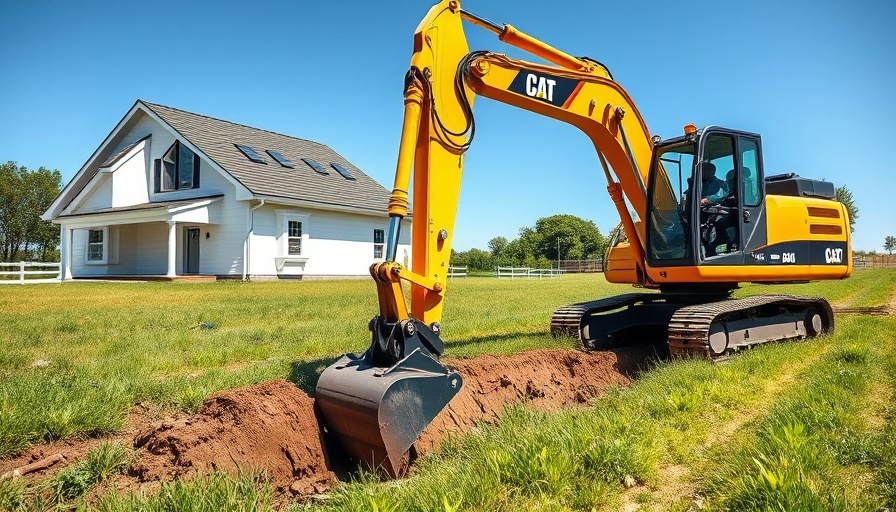
Excavator digging near new house, New vs Used Equipment Purchasing topic.

The Choice Between New and Used Equipment: An Informed Decision

When it comes to purchasing equipment for landscaping, homeowners face a significant decision: should they invest in new machinery or opt for used options? Each choice comes with its unique set of benefits and drawbacks that can influence not just upfront costs but long-term satisfaction and results.

Weighing the Financial Impact

The most apparent difference between new and used equipment lies in their price tags. New machinery often commands a hefty upfront cost, but manufacturers frequently offer attractive financing options and extended warranties, making them a viable investment for homeowners looking to ensure reliability. “New equipment typically requires a larger upfront investment, yet it provides better efficiency and less downtime, allowing for more focus on landscaping tasks rather than repairs,” explains industry professional Lee Padgett from Takeuchi-US.

However, the allure of savings from used equipment can be deceptive. While a cheaper price might seem appealing initially, hidden costs often arise, particularly maintenance issues that can quickly spiral. Justin Noland from Kubota highlights this risk: a used machine may be budget-friendly at the time of purchase but can incur hefty unexpected expenses over time unless properly maintained.

Technological Advancements

New equipment generally comes with cutting-edge technology that enhances job efficiency. Features like sophisticated telematics and advanced hydraulic systems can lead to significant savings on fuel and operational costs in the long run. In contrast, older models lack these advancements, potentially driving up costs due to inefficiency.

Making a Wise Equipment Decision

Ultimately, the choice between new and used equipment for landscaping tasks should not only be about the initial purchase price. Homeowners need to assess their budgets thoroughly, considering factors like maintenance costs, insurance, and financing options that can inflate overall expenses. Taking the time to evaluate these aspects will help in making an informed decision that supports both their immediate needs and long-term landscaping goals.

Know Your Needs

Understanding what equipment best suits your landscaping business and personal needs is essential. Whether you opt for new or used, ensuring that the machine aligns with your operational requirements can help maximize your return on investment.

In light of these considerations, homeowners are encouraged to evaluate their options carefully and consult with experts if necessary before making a final decision on equipment purchases.

Tree Care Tips & Landscaping

85 Views

Write A Comment

*
*
Please complete the captcha to submit your comment.
Related Posts All Posts
05.30.2026

Discover the Vital Secrets to Pollinator Gardening with Matthew Shepherd

Update Unlocking the Secrets of Pollinator Gardening As gardening enthusiasts gear up for another planting season, understanding the importance of pollinators has never been more essential. A recent virtual class hosted by Matthew Shepherd delves into the fascinating world of pollinator gardening, a thriving area of interest among homeowners and eco-conscious individuals. This class highlights not only the beauty but also the ecological importance of native pollinators, emphasizing how each individual can contribute to their survival. The Vital Role of Native Pollinators Native pollinators, such as bees and butterflies, do more than grace our gardens; they are instrumental in the growth of our food systems and the health of ecosystems. Understanding the biodiversity of these insects, as discussed in various gardening programs, is crucial. For example, recent initiatives in California and Florida have showcased how tailored gardening strategies can enhance the populations of these vital species. Classes like Shepherd’s aim to educate participants on how planting with native species facilitates a healthier garden environment, creating habitats that support these pollinators. Strategies for Pollinator-Friendly Gardening Participants in Shepherd's class learn actionable steps to enhance their gardens. Focusing on plant selection, attendees discover how native plants attract pollinators more effectively than non-native counterparts. Techniques discussed include clustering plants, providing sustainable food sources, and creating nesting habitats. By employing these methods, homeowners can cultivate vibrant greenery that sustains various pollinator species. Engaging Communities for Pollinator Health Classes dedicated to pollinator gardening are popping up across the country, reflecting a growing community interest. Events like the Gardening for Pollinators course offered by the University of Florida emphasize collaboration, equipping participants with the knowledge to create gardens that serve as supportive ecosystems for local pollinator populations. These courses not only foster individual stewardship but also encourage collective action within communities to tackle the pressing issue of pollinator decline. Importance of Pollinator Conservation As the decline of pollinator populations becomes increasingly concerning, every gardener can make a difference. By adopting practices that support local ecosystems, future generations of insects and the essential roles they play in our environment can be safeguarded. Whether suddenly inspired by a virtual class or driven by a passion for gardening, there is no better time to begin planting with purpose.

05.29.2026

Discover How Kimmi Thrives in Houston’s Hot and Humid Garden

Update Understanding Kimmi’s Houston Garden Experience Houston's notoriously hot and humid climate poses a unique challenge for homeowners passionate about gardening. Kimmi’s garden exemplifies how local residents adapt and thrive in these conditions by selecting the right plants and employing tailored gardening strategies. With two distinct growing seasons, gardening enthusiasts can cultivate a year-round garden that showcases resilience and adaptability. Choosing the Right Plants: A Key to Success In Houston, selecting plants attuned to the climate is crucial. According to experts from Houstonia Magazine, relying on varieties that thrive in warm summer temperatures and can withstand high humidity is essential for ensuring a vibrant garden. Kimmi’s choice of tropical and native plants not only contributes to a lush garden aesthetic but also supports local wildlife, making it a beneficial environment for pollinators like bees and butterflies. The Practical Benefits of Native Plants Incorporating native plants into her garden allows Kimmi to minimize maintenance while promoting biodiversity. Native species often require less water and are more resilient to pests and diseases, improving resilience against Houston’s fluctuating weather patterns. For those looking to create a similar environment, plants like Black-eyed Susans and Firewheel have been highlighted as excellent choices in the Almanac.com, known for their vibrant colors and ability to attract local fauna. Seasonal Gardening: Timing is Everything Timing is of utmost importance in gardening, especially in a region with a lengthy growing season like Houston. Experts emphasize the benefits of strategic planting in the spring and fall. This approach allows gardeners to enjoy full blooming during the sweltering summer months. Kimmi adeptly manages her garden by planting heat-tolerant varieties like Angelonia and tomatoes early in the season, promoting healthy growth before the temperature soars. Creating a Sustainable Garden Environment Kimmi's gardening practices also reflect a commitment to sustainability. By utilizing methods such as mulching and organic gardening techniques, she helps maintain soil health, retain moisture, and limit the need for chemical fertilizers. Insights from local gardening guides indicate that integrating sustainable practices enhances the garden's resilience against pests and minimizes environmental impact. Conclusion: Join the Gardening Movement in Houston While faced with challenges, gardening in Houston is highly rewarding when approached with the right knowledge and techniques. Kimmi's garden stands as a testament to the beauty and complexity of creating a thriving space in a hot and humid climate. It’s an invitation to homeowners to explore and cultivate their gardening passions. Ready to nurture your own garden in Houston? Discover the variety of plants that flourish in our unique climate, and start your gardening journey today!

05.27.2026

Explore the Colorful May Blooms from Minnesota Gardens This Season

Update Welcome the Blooms of May: A Celebration of Minnesota GardensAs spring progresses, Minnesota gardens burst into vibrant life, transforming local spaces into colorful sanctuaries. Homeowners are now presented with a wonderful opportunity to take part in this seasonal revival by planting and nurturing a plethora of stunning plants and flowers. In this article, we explore the influential blooms of May, showcasing both perennial favorites and annuals that enrich our gardens.Choosing the Right Plants for Minnesota’s ClimateMay marks a critical period for planting as the risk of frost diminishes. Whether you’re considering establishing a perennial garden or refreshing your annuals, understanding your local climate is essential. According to the Fine Gardening source, blooms like Meyer Lilac, intermediate Bearded Iris, and Peonies stand out this month. Moreover, the University of Minnesota Landscape Arboretum highlights the importance of selecting plants that not only thrive in Minnesota's climate but also add aesthetic value.Essential Planting Techniques for MayProper planting techniques can significantly influence the growth and health of your garden. When planting annuals, ensure to enrich your soil with organic matter and slow-release fertilizers. Methods such as gently loosening root-bound plants and strategically pinching flowers during initial planting encourage robust root development, as advised by local gardening experts. This approach not only fosters healthy plants but also maximizes blooming potential throughout the season.Preparing for Unexpected WeatherMay’s weather can be notoriously unpredictable in Minnesota, fluctuating between ideal spring conditions and the risk of late frosts. Homeowners should be ready to protect fragile plants during this transition period. Utilizing techniques like covering pots when temperatures dip or taking proactive measures such as moving plants indoors can safeguard your floral investments well into the summer.The Beauty of Both Annuals and PerennialsIntegrating both annuals and perennials in your garden enhances its visual appeal and longevity. Annuals, such as vibrant Canna and Dahlia bulbs, offer immediate color to your space, while perennials provide a reliable backdrop that returns each spring. Diverse plant choices contribute to an attractive garden that keeps evolving, captivating visitors throughout the seasons.As you dig your hands into the warming soil this May, remember to embrace the joy of gardening. Connecting with nature through nurturing plants can be a rewarding experience. Whether you’re a seasoned gardener or new to this art, spending time outdoors fosters not only a beautiful environment but also personal well-being.

Terms of Service

Privacy Policy

Core Modal Title

Sorry, no results found

You Might Find These Articles Interesting

T
Please Check Your Email
We Will Be Following Up Shortly
*
*
*