







Add Row
Add Element
Tree Guardian News
update
Tree Guardian News
update
Add Element
  • Home
  • Categories
    • Storm Shield
    • Roots & Routes
    • Disease Detective
    • Insurance Intel
    • DIY Arborist
    • Futureproof Foliage
    • Pro-Partner Spotlight
    • Arborist Stories
    • Tree Care Blog
    • Tree Guardian News Blog
SUBSCRIBE TO NEWSLETTER 
  • update
  • update
  • update
  • update
  • update
  • update
  • update
March 04.2025
2 Minutes Read

How NOAA Firings Risk Homeowners' Safety and The Economy

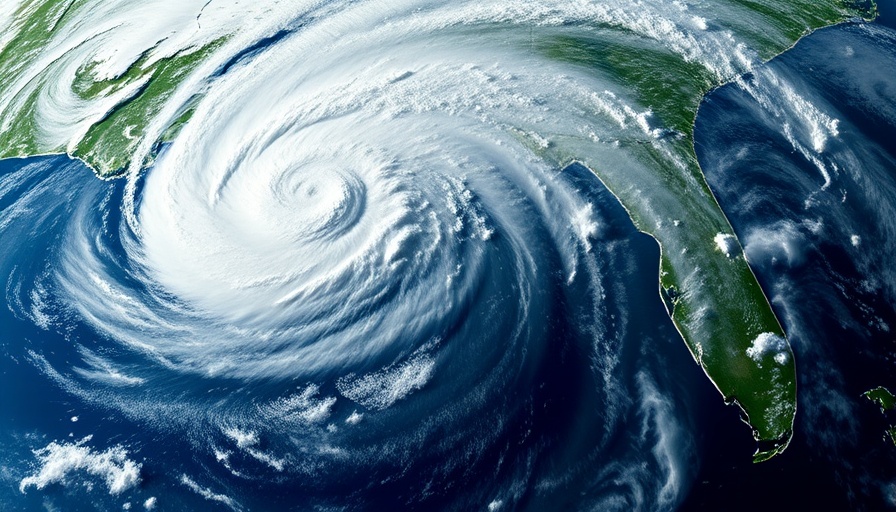
NOAA Firings Risk Homeowners: satellite view of a large hurricane over land.

Why Firings at NOAA Could Mean Danger for Homeowners

The recent firings at the National Oceanic and Atmospheric Administration (NOAA) have raised alarms among former agency heads and experts, warning that these cuts pose significant risks to public safety and the U.S. economy. Over 600 employees, including critical meteorologists, scientists, and data analysts, were laid off as part of a governmental effort to trim down federal agencies. This has left many questioning how such a decision will impact daily weather forecasting, emergency responses, and even agricultural practices.

Understanding NOAA's Critical Role

NOAA is essential for providing accurate weather forecasts that reach nearly every household in America. From hurricane warnings to daily climate updates, the agency's forecasts are integral to emergency preparedness and resource management. With the onset of prime tornado season and planting time in the Midwest, the timeliness and accuracy of NOAA's reports become even more critical. According to Rick Spinrad, former NOAA Administrator, without sufficient staffing, vital forecasting and safety functions could be compromised.

The Direct Impact on Homeowners

Every homeowner depends on NOAA's forecasts for guidance on whether to brace for severe weather, issuing warnings that can be the difference between safety and disaster. Termination of experts who monitor conditions could lead to a decrease in the quality and reliability of these forecasts. For instance, without adequate staffing, timely alert systems for tornadoes or hurricanes may be disrupted, leaving communities vulnerable during peak seasons.

Potential Economic Consequences

The effects of NOAA's downsizing go beyond mere inconvenience. The agency's oversight of fisheries and maritime activities supports billions of dollars in economic output. Furthermore, agricultural sectors rely on NOAA’s seasonal forecasts for planting strategies. The cuts could disrupt these industries, leading to economic losses that ripple through local and national economies.

A Call for Action

As former officials and current employees voice their concerns, it is becoming increasingly clear that these drastic layoffs jeopardize our safety during climate crises. The cuts cannot merely be viewed as bureaucratic numbers; they have far-reaching implications that can directly influence life quality and economic stability for homeowners. Staying informed and voicing your concerns to local representatives could help mitigate the impacts of these dangerous staffing cuts.


Conclusion: Why Your Voice Matters

Homeowners should be aware of how federal decisions can dramatically affect local lives. The firings at NOAA represent a critical moment for our safety and well-being. Engaging in discussions about public safety and environmental monitoring ensures that our concerns as homeowners are not lost in governmental reforms. Stand up, speak out, and ensure that the resources needed to keep our communities safe remain intact.

Insurance Intel

34 Views

Write A Comment

*
*
Related Posts All Posts
01.22.2026

Transform Your Homeowner Insurance with Data Analytics Benefits

Update Unlocking the Power of Insurance Data Analytics In today's data-driven world, homeowners can benefit immensely from understanding insurance data analytics. Not just for insurance companies, these analytics can empower clients to make informed decisions about their policies. This article delves into how data analytics enhances operational efficiency and fosters better interactions between homeowners and their insurance agencies. Understanding Data Analytics in Insurance Data analytics refers to the systematic computational analysis of data. In the insurance sector, it transforms raw data about policies, claims, and customer demographics into actionable insights. This process includes various types of analytics: descriptive, diagnostic, predictive, and prescriptive. Descriptive analytics answers, 'What happened?' by examining historical data, providing insights into trends such as a drop in policy renewals or new sales figures. Meanwhile, diagnostic analytics digs deeper into 'Why did it happen?' This can help agencies identify the reasons behind customer dissatisfaction or increased claims. Predictive analytics forecasts future events based on data patterns, essential for identifying potential risks or clients likely to switch providers. Finally, prescriptive analytics uses insights to recommend actions, guiding agencies in crafting personalized experiences that keep clients engaged and satisfied. Boosting Customer Experience Through Data Analytics Homeowners can expect improved experiences with insurance agencies leveraging data analytics. By understanding customer behaviors and preferences, agencies can tailor their offerings, making them more relevant. For instance, if data reveals that many clients are concerned about flood risks, insurers can proactively offer tailored flood insurance packages. This capability not only enhances customer satisfaction but also builds loyalty. When homeowners feel that their specific concerns are acknowledged and addressed with personalized service, they're more likely to stay with their current provider. Enhancing Operational Efficiency in Insurance Operational efficiency is where data analytics shines the most. Insurance companies can optimize their processes by identifying inefficiencies. For example, if data points to excessive time spent on claims processing, agencies can re-evaluate their workflows and embrace automation to speed up the process. Recent reports indicate that insurers utilizing data analytics report up to a 40% reduction in operational costs. By streamlining claims and underwriting processes through automated workflows, businesses can allocate their resources more effectively, ultimately benefiting the homeowner who expects expedient service. Risks and Challenges: The Other Side of Data Analytics While data analytics brings many benefits, it also poses challenges. Data quality is paramount; inaccurate or incomplete data can lead to misguided insights. Moreover, privacy risks associated with handling sensitive information must be diligently managed. Insurers are thus tasked with ensuring compliance with regulations while protecting consumer data. Agencies adopting these technologies must train staff adequately and integrate robust cybersecurity measures to prevent breaches that could undermine trust between homeowners and their providers. The Future of Homeowner Insurance Aided by Data Analytics As the insurance landscape evolves, homeowners should anticipate more innovative solutions driven by analytics. Insurers are increasingly adopting AI to enhance personalization, predict customer needs, and improve risk management, leading to better pricing models and more proactive customer service. These advancements will yield tangible benefits for homeowners, ensuring that they have not only coverage but also a tailored experience that meets their evolving needs. As data analytics continues to shape the industry, awareness among homeowners can empower them in their interactions with insurers. To fully leverage these benefits, homeowners can engage with their agents proactively. Understanding what data analytics entails can bridge the communication gap, allowing for more insightful discussions regarding policies, claims, and tailored coverage options.

01.21.2026

How Medical Abuse Impacts Your Homeowner Insurance Claims: What Every Homeowner Should Know

Update Understanding Medical Abuse in Homeowner Insurance Claims In the world of homeowner insurance, medical claims often refer to injuries sustained on the property. However, a significant issue that many homeowners need to be aware of is medical abuse within these claims. Medical abuse can take many forms, including excessive treatments, inflated billing, or unnecessary medical services. Homeowners might not recognize how these practices can raise their claim costs and affect their insurance premiums. What Constitutes Medical Abuse? At its core, medical abuse in liability claims refers to the behavior exhibited by healthcare providers or systems that deviates from accepted ethical norms in the delivery and billing of medical treatment. This includes practices such as billing for services not rendered or providing unnecessary treatments, which can inflate costs without delivering real value to the insured. Such actions not only impact the individual claims but also burden the broader insurance ecosystem. Common Types of Medical Abuse in Homeowner Insurance 1. False Billing: This occurs when providers charge for services that were never performed. For instance, a homeowner may be billed for medical evaluations following an accident on their property that are not supported by documentation. 2. Kickback Schemes: These schemes refer to arrangements where healthcare providers receive compensation for referring patients to specific treatments or clinics. Homeowners should be wary of referrals to high-cost providers or treatments that might not be necessary. 3. Misleading Assessments: Sometimes, independent medical evaluations may be crafted in a way that favors exorbitant treatment plans. This can lead to higher claim costs and potential disputes over liability. The Financial Implications for Homeowners The ramifications of medical abuse extend to escalating insurance premiums and increased claims costs. Insurers often adjust their rates based on historical data, which means if claims become inflated due to medical malpractice, these costs can trickle down to homeowners. As the cost of claims rises, insurance companies may respond by increasing premiums, leading to higher out-of-pocket expenses for policyholders. How Can Homeowners Protect Themselves? Understanding and recognizing the signs of potential medical abuse can help homeowners protect themselves. Homeowners should do due diligence by thoroughly reviewing medical bills for accuracy and ensuring that treatment aligns with documented injuries. Additionally, seeking second opinions on medical evaluations or treatments can provide clarity and curtail unnecessary expenses. Next Steps: Awareness and Advocacy As homeowners navigate their insurance claims, awareness of medical abuse is critical. Engaging with insurance adjusters, understanding claim processes, and advocating for fair treatment can all contribute to minimizing the risks associated with medical fraud. Homeowners should consider becoming involved in community advocacy to promote fairness within the insurance landscape. In conclusion, medical abuse is a pervasive issue within homeowner insurance claims, affecting both individual policyholders and the insurance industry as a whole. By staying informed and vigilant, homeowners can play an active role in combating these practices and ensuring a fairer claims process for all.

01.20.2026

Supreme Court Weighs Bayer’s Roundup Appeal: What Every Homeowner Should Know

Update Supreme Court Decision and Its Impact on Homeowners The U.S. Supreme Court's agreement to hear Bayer’s appeal regarding Roundup weedkiller marks a potentially pivotal moment for thousands of homeowners and users of the product. With a significant number of lawsuits alleging a link between Roundup's key ingredient, glyphosate, and cancer diagnoses, including non-Hodgkin's lymphoma, the implications of this case cannot be understated. For homeowners utilizing Roundup in their gardens or lawns, this case might determine not only their legal recourse but also how we understand accountability in chemical usage. Understanding the Legal Battle Over Roundup The case has origins in a Missouri court where a jury ruled in favor of John Durnell, who developed cancer after years of using Roundup. Bayer’s defense pivots on the argument that as per federal law, and after the Environmental Protection Agency (EPA)'s findings, they are not obliged to issue additional cancer warnings beyond the EPA-approved labels. This stance could potentially shield them from future liabilities if the Supreme Court rules in their favor. The Significance of Regulatory Decisions Many homeowners directly rely on products like Roundup for lawn care, often feeling secure in their usage due to EPA endorsements. Yet, with the International Agency for Research on Cancer classifying glyphosate as "probably carcinogenic to humans," there lies an inherent conflict between regulatory reviews and emerging scientific findings. Homeowners need to weigh these factors when choosing which products to trust in their gardens. The Landscape of Similar Lawsuits As Bayer faces over 181,000 claims related to Roundup, the outcome of this case could set a precedent for future lawsuits. The question that remains is whether state laws should govern the liability of a product that is federally approved. If Bayer’s position is upheld, it could restrict the ability of individuals to seek compensation for damages, raising serious concerns about consumer protection rights. The Emotional and Health Concerns for Homeowners The human element of this litigation cannot be overlooked. Many families may face the dire consequences of exposure to Roundup as they manage their home gardens. Emotional distress over health risks and concerns for family safety permeate discussions about the legalities of pesticide usage in domestic spaces. The Supreme Court's ruling will directly impact the narratives of those who claim they’ve suffered due to Roundup’s alleged risks. What Homeowners Should Know Moving Forward As the Supreme Court prepares to debate this case, it's pivotal for homeowners engaged in gardening or using herbicides to stay informed. Understanding both the legal landscape surrounding these products and the associated health risks is essential. Before purchasing any chemical treatment, homeowners should review the latest studies, consider alternative weed control methods, and consult with professionals in the field to ensure that they’re making the best choices for their health and safety. Given the complexity of these issues, it’s critical to comprehend how the outcome of Bayer's case may alter the landscape of homeowner insurance as well, potentially affecting claims related to health issues caused by such products. Stay tuned for updates and ensure you consult your homeowner's insurance policy regarding any claims you may need to file.

Terms of Service

Privacy Policy

Core Modal Title

Sorry, no results found

You Might Find These Articles Interesting

T
Please Check Your Email
We Will Be Following Up Shortly
*
*
*