







Add Row
Add Element
Tree Guardian News
update
Tree Guardian News
update
Add Element
  • Home
  • Categories
    • Storm Shield
    • Roots & Routes
    • Disease Detective
    • Insurance Intel
    • DIY Arborist
    • Futureproof Foliage
    • Pro-Partner Spotlight
    • Arborist Stories
    • Tree Care Blog
    • Tree Guardian News Blog
SUBSCRIBE TO NEWSLETTER 
  • update
  • update
  • update
  • update
  • update
  • update
  • update
March 12.2025
3 Minutes Read

Forest Health Concerns After Hurricane Helene: What Homeowners Must Know

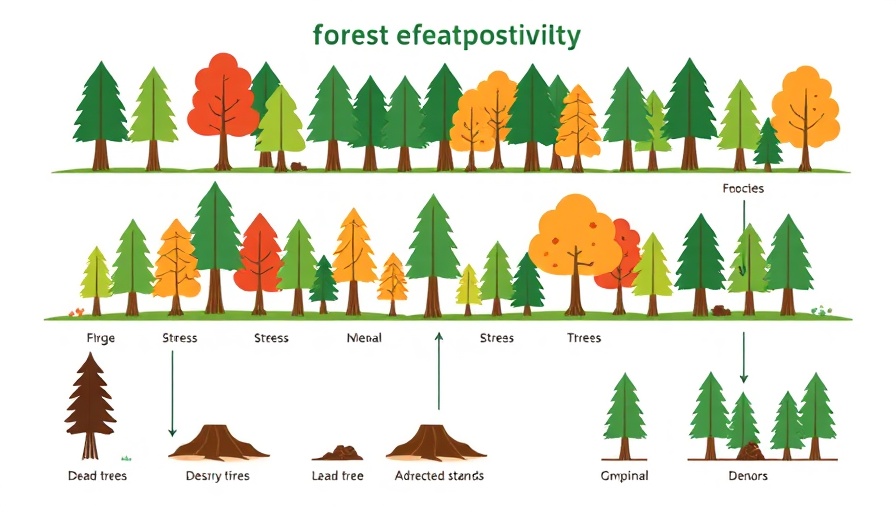
Diagram of forest health concerns post-Hurricane Helene.

Understanding Forest Health After Hurricane Helene

In the aftermath of major storms like Hurricane Helene, forest health presents a significant challenge not just for professionals, but also for homeowners and business owners who may be impacted. The loss of trees can dramatically change landscapes, and the subsequent emergence of pests like the Southern Pine Beetle can exacerbate these issues further. Knowing how to handle such situations can make a world of difference.

In 'Forest Health Concerns After Hurricane Helene', the focus is on the extensive timber damage left in the wake of the storm, prompting a deeper analysis of post-storm forest health for homeowners and business owners.

The Impact of Hurricane Helene on Forests

Hurricane Helene has left a trail of destruction with approximately $1.2 billion in timber damage across 1.5 million acres in Georgia alone. Many received firsthand accounts of the devastation as trees were uprooted or snapped, altering not only the aesthetic qualities of properties but also affecting biodiversity and local ecosystems. Storms like Helene create conditions ripe for bark beetles, which damage stressed trees and can spread quickly to healthy stands.

What Happens to Trees After a Storm?

When trees sustain damage, they often become stressed. A stressed tree is more vulnerable to pests like the Southern Pine Beetle, which is attracted to weakened trees. Understanding this cycle is essential for homeowners to see what might happen to their own trees. While not every tree will be affected, the fear is natural—many worry that their healthy trees will also succumb to pests.

Identifying and Managing Bark Beetles

Common beetle species to keep an eye on include IPS engravers and Southern Pine Beetles. The IPS engraver targets stressed trees first, acting like nature's scavengers, while the Southern Pine Beetle can cause economic devastation when they behave en masse. Identifying early signs of infestation—like pitch tubes or changed color in needles—can be crucial for intervention.

Proactive Steps You Can Take

To safeguard your property post-Hurricane Helene, it's critical to monitor tree health regularly. Engage deeply with the following practices:

  • Regularly assess tree health: Regular inspections help catch issues before they escalate. Look for changes in foliage color and signs of decay.
  • Consult with Experts: If seeing signs of pests, consulting with a certified arborist can provide tailored advice and management options.
  • Remove Threats: Sometimes, if a tree is beyond saving due to pest infestation or damage, timely removal is the best option to protect adjacent healthy trees.

Your Role and Community Impact

Homeowners and businesses play a crucial role in forest management. By taking proactive measures and working with professionals, you'll not only safeguard your own property but contribute to the overall health of the regional forest ecosystem. After storms like Helene, communal efforts can help alleviate widespread forest health issues, ensuring the future vitality of urban and rural woods alike.

Final Thoughts

Hurricane Helene reminds us of our forests' vulnerability and the actions we can take to mitigate impacts. Keeping abreast of the condition of our trees and understanding the risks associated with pests can empower individuals to become knowledgeable stewards of nature. Together, we can maintain healthier environments for generations to come.

DIY Arborist

50 Views

0 Comments

Write A Comment

*
*
Related Posts All Posts
01.13.2026

Unlock the Secrets of Pulling 1000 lbs: Essential Techniques for Tree Care

Update The Art of Pulling: Mastering Mechanical Advantage in Tree Work When it comes to landscaping and tree care, understanding the mechanics of pulling heavy loads can significantly elevate your skills. In the video titled 1 Man 4 Ways to Pull 1000 lbs, the focus is placed on using various mechanical advantage systems to lift and move weights safely and effectively. This article delves into these techniques and explores their benefits for homeowners and businesses, enhancing both safety and efficiency in landscaping tasks.In 1 Man 4 Ways to Pull 1000 lbs, the discussion dives into mechanical advantage systems used in tree care, exploring key insights that sparked deeper analysis on our end. Understanding Mechanical Advantage Mechanical advantage refers to the use of simple machines like pulleys or levers to make a task easier. In tree care, this principle allows one person to manage heavy loads without unnecessary strain or risk. The video highlights three main setups for achieving a pulling power of 1000 pounds: using the GRCS (Good Rigging Control System), a combined system with a 2:1 pulley arrangement, and a 6:1 compound pulley system. Each method has its unique applications, making it essential for anyone involved in tree maintenance or landscaping. Why Homeowners and Businesses Should Invest in These Techniques For homeowners, mastering the art of pulling heavy objects can significantly enhance the ease of maintaining their properties. This could include moving sizable tree branches or pulling out roots without damaging adjacent plants. For businesses, especially those that offer landscaping services, these skills translate into increased operational efficiency and client satisfaction by delivering jobs quickly and safely. Exploring the GRCS: The Gold Standard Among the tools discussed, the GRCS stands out as a reliable option for heavy lifting. Although it is one of the pricier choices, its intuitive design simplifies tensioning and reduces manpower needs. Investing in a GRCS not only optimizes performance but ensures safety during potentially hazardous lifting operations. Tree care professionals strongly recommend this method, especially for regular use. Pulley Systems Demystified Pulleys are magical devices, allowing us to control heavy materials with ease. The combination of a 2:1 pulley arrangement and a port-wrap can be particularly useful. This method provides a balanced approach that compensates for tree lean, a common situation in arboreal work. Understanding how to set up these systems effectively can empower employees in professional settings, sparking complex rigging solutions tailored to every job. Planning for Future Landscape Projects Thinking ahead is crucial for those planning major landscaping endeavors. The techniques demonstrated can be applied to not just tree removal or management, but also to rescuing equipment from hard-to-reach places. With proper knowledge, businesses can navigate diverse scenarios with ease, ensuring they provide several landscaping services proficiently. Staying informed about the latest practices in tree care technology maintains competitiveness in this industry. The Importance of Education and Resources As we embrace technology in forest care, continuous education is vital. Resources like the Strider Trees website highlight essential gear and techniques that bolster a tree worker's capabilities. By investing in appropriate gear and understanding the tools available, both homeowners and professionals can enhance their skills, leading to safer and more effective tree care practices. Final Thoughts and Actions If you’re looking to upgrade your landscaping skills with efficient tree care techniques, consider experimenting with the methods discussed. Explore resources and invest in tools like a GRCS. Not only will this improve your tree management skills, but it can also pave the way for creating beautiful outdoor spaces that meet your visions.

01.13.2026

Winter Protection Techniques for Trees and Shrubs You Must Know

Update Understanding Winter Threats to Trees and Shrubs Winter can be a harsh and unforgiving time for trees and shrubs, especially as extreme conditions like bitter cold, wind, and heavy snowfall can wreak havoc on even the most well-established plants. Minnesota’s harsh climate illustrates this vividly where the combination of winter sun, frigid temperatures, and the weight of snow and ice can lead to damage that threatens the health of trees and shrubs. Homeowners should take proactive steps to protect their landscape investments from these winter adversities. The Importance of Proper Tree Placement Preventing winter damage starts with smart plant placement. The U.S. Department of Agriculture advises avoiding locations that are prone to salt runoff from roads or shady areas that might receive icy downspout discharges. Planting your trees and shrubs in well-drained soil, away from potential winter hazards, not only ensures their hardiness but also makes them less susceptible to frost damage and other threats. Winter Moisture Management Keeping the soil consistently moist throughout the growing season plays an essential role in winter plant health. Well-hydrated soil acts as an insulator against extreme cold and allows for better root establishment before the ground freezes. Homeowners should aim to water their trees thoroughly in the late fall. Positioning a mulch layer around bases can further enhance moisture retention and protect roots from the biting cold. Aim for a three to four-inch layer of organic mulch, but avoid piling it against the trunks to prevent rot. Protecting Against Animal Browsing Rodents, rabbits, and deer can cause significant damage to young trees and shrubs during winter as they forage for sustenance. Protecting your plants starts by reducing habitats that attract these pests—this means cleaning up debris and leaving minimal cover where animals can hide. Installing protective fences or barriers around vulnerable plants, particularly in urban areas, can dramatically reduce damage from hungry wildlife. Understanding Sunscald and Preventive Measures One common winter injury is known as sunscald, especially prevalent in thin-barked tree species like maples and cherries. This occurs when the sun warms the bark during the day, only for frigid temperatures to shock the tree once the sunlight disappears. Homeowners can prevent sunscald by wrapping the trunks with commercial tree wraps or reflective materials like white latex paint. Such measures help maintain a more constant temperature in the bark, minimizing drastic changes that could potentially harm the plant. Strategic Layering for Summer Hydration According to Michigan State University Extension, a beneficial practice is to add an extra inch of mulch during the winter months for newly planted trees and shrubs—this layering helps safeguard against root injury and encourages health as spring approaches. Additionally, be mindful of pruning techniques in late summer; avoid any late-season cuts that may stimulate new growth as winter approaches. Fostering Community Resilience Through Tree Care As we brace for extreme winters, it is crucial for communities to rally around tree care and landscape health. From individually wrapping young trees to ensuring local parks are equipped with resources, community spirit plays a key role. Educating others about these protective methods—such as those shared here—helps build resilience against winter conditions that can damage our green spaces. Conclusion: Take Action Now With winter fast approaching, it’s time to act! By understanding the challenges our trees and shrubs face during this harsh season and following proactive measures, we can ensure our landscapes remain vibrant and thriving through the cold months ahead. Equip your garden today with these vital strategies to shield your trees and shrubs from winter harm. Together, we can nurture our green spaces for generations to come!

01.13.2026

Discover How the Tree Removal Assistance Program Can Help You

Update Understanding the Tree Removal Assistance Program For many homeowners and business owners, the health of trees on their property directly affects their environment and property value. The Tree Removal Assistance Program was designed to help those in need, whether their trees have fallen due to storms or are simply unhealthy and pose a risk to their surroundings. During a recent informational session, key insights were shared about how this program can be beneficial to the community.In the video 'Tree Removal Assistance Program Informational Session and Q&A', the discussion dives into the program's benefits for community members, exploring key insights that sparked deeper analysis on our end. Why Tree Care is Essential Trees provide shade, beauty, and even improve air quality. However, when trees become damaged or sick, they can become a safety hazard. Home and business owners sometimes need assistance in assessing tree health and making decisions about removal. The Tree Removal Assistance Program aims to address these concerns by providing resources and support to those struggling with tree care. How the Program Works The program offers guidance on tree diagnosis and potential removal services. Eligible participants can access expert evaluations that may include a site visit from arborists, who can recommend the best course of action. This is invaluable for those who are unsure about the health of their trees or the associated risks. Getting Involved: Steps to Take If you're a homeowner or business owner facing tree issues, finding out about the Tree Removal Assistance Program can be your first step toward ensuring your property remains safe. Interested individuals should check local announcements or visit community websites for upcoming informational sessions and application details. Keeping trees healthy benefits everyone! What’s Next for Tree Care in Our Communities By participating in programs like this, homeowners can ensure their trees are a positive part of their environment. It not only enhances their property but also contributes to the overall health of the community. This initiative encourages collaboration between community members and experts, fostering a solid understanding of tree care and management. As tree care continues to evolve with technology advancements, programs like this ensure that everyone has access to the necessary support. Local governments and organizations are working towards understanding the importance of trees in urban planning and individual landscapes. Take Action in Your Own Backyard Learning about tree care doesn’t just end with attending an informational session. Homeowners can take practical steps by evaluating their own trees' health, consulting qualified professionals, and engaging in local community events focused on tree care. Regular pruning, pest management, and timely removal of dead trees are all tasks that can significantly improve safety around homes and businesses.

Terms of Service

Privacy Policy

Core Modal Title

Sorry, no results found

You Might Find These Articles Interesting

T
Please Check Your Email
We Will Be Following Up Shortly
*
*
*