







Tree Guardian News
update
Tree Guardian News
update
  • Home
  • Categories
    • Storm Damage & Prevention
    • Tree Care Tips & Landscaping
    • Tree Disease Identification & Treatment
    • Insurance Intel
    • DIY Tree Care & Safety
    • Sustainable Tree Care & Eco Solutions
    • Professional Tree Services
    • Arborist Stories
    • Latest News
    • Industry Insights
Arborist Get Featured 
  • update
  • update
  • update
  • update
  • update
  • update
  • update
March 27.2025
2 Minutes Read

First Nations Brace for Oil Tanker Policy Changes if Poilievre Acts

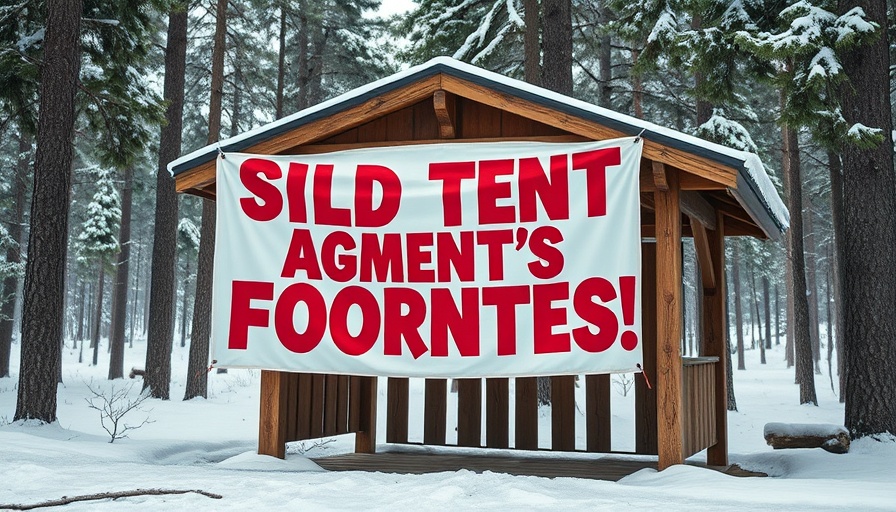
First Nations protest banner in snowy forest for oil tanker ban in Canada.

First Nations Take a Stand Against Oil Tanker Ban

As discussions intensify around Canada's oil transport regulations, some First Nations along British Columbia's northern coast are gearing up for a potential political showdown should Conservative leader Pierre Poilievre decide to lift the existing tanker ban. With a rich cultural heritage tied closely to the land and waters, these communities are determined to protect their ecosystems and livelihoods from the threat of oil spills.

Growing Concerns Over Environmental Impact

Arnie Nagy, a member of the Haida Nation and activist for sustainable fishing, expresses deep concern over what lifting the ban could mean for local wildlife, especially wild salmon. Historically, the region has seen significant ecological changes due to industrial activity, and the risks associated with increased tanker traffic could have dire consequences for the local ecosystem. "I’ll fight till my last breath," Nagy emphasizes, encapsulating the strong sentiment among First Nations leaders.

The Background of the Tanker Ban

The tanker ban in question was established to protect the fragile ecosystems of the Pacific waters. It emerged in response to thorough debates on the impact of oil transport on marine life and local fisheries. Changes to this regulation, as advocated by leaders like Poilievre, reignite fears of disastrous oil spills similar to the historic ones along North American coastlines. Keeping the ban intact remains crucial for preserving the ecological balance that supports local economies and traditions.

First Nations Ready to Mobilize

With national elections approaching, the actions and decisions taken by political leaders will be closely scrutinized. Local communities are prepared to mobilize against any moves to lift the ban. During a recent meeting, Alberta Premier Danielle Smith presented a number of demands, including the lifting of the tanker ban, which Poilievre supported. This response has spurred discussions among First Nations leaders on standing firm against perceived governmental injustices that threaten their way of life.

What’s Next for First Nations?

As the political landscape shifts with the upcoming federal election, First Nations communities are not only ready to defend their environmental rights but also showcase their willingness to collaborate with allies who share the same commitment to sustainable practices. The potential changes in oil transport regulations add urgency to their mission.

The outcome of these discussions will have lasting implications, not only for First Nations but for homeowners and communities across Canada that value environmental stewardship and sustainable resource management.

Sustainable Tree Care & Eco Solutions

81 Views

Write A Comment

*
*
Please complete the captcha to submit your comment.
Related Posts All Posts
06.22.2026

Why Tree Care Through Gender Equality is Crucial for Climate Action

Update The Disproportionate Impact of Climate Change on Women The ongoing climate crisis has revealed significant disparities in its impact on different segments of the population, particularly women and girls. Evidence shows that women are disproportionately affected by climate-related disasters, more so than men. They face unique challenges, especially in rural areas where access to basic necessities like healthcare, education, and employment is already limited. For instance, the United Nations has found that women, girls, and children are 14 times more likely to suffer fatalities during extreme weather events compared to their male counterparts. Research indicates that 80% of those displaced by climate impacts are women and girls, a statistic that highlights the urgent need for gender-sensitive approaches in climate action. Stories of Resilience: Women on the Frontlines Extreme weather events such as the 2022 floods in Pakistan provide a vivid example of the toll climate change takes on women's lives. Families like Sajida's, a young girl from Khairpur, found themselves without food for weeks, and many pregnant women had to deliver in unsafe conditions as healthcare facilities were rendered inaccessible. These experiences are not unique; they are becoming a grim reality for many women around the globe. As the UN Women's report emphasizes, access to reproductive health services is often compromised during disasters, leading to deeper long-term consequences for women and girls. Gender Inequalities Fueling the Climate Crisis The interplay between gender inequality and environmental degradation creates a vicious cycle. In many developing countries, women represent a significant portion of the agricultural workforce and are responsible for most food production—up to 80% in some regions. However, they often lack equal access to resources, technology, and information. This inequality hampers both productivity and their ability to adapt to climate impacts. A coordinated strategy integrating women into climate policies could mitigate these adverse effects significantly, as proven by multiple studies showing that nations with higher female political participation tend to implement more stringent environmental regulations. For vulnerable populations, recognizing women's contributions is not just an ethical imperative; it's essential for effective climate action. Men as Allies: Integrating Gender Perspectives in Climate Solutions Addressing gender inequalities also requires involving men as allies in the fight for climate justice. Research reveals that climate initiatives that include male perspectives alongside women's voices tend to yield better community outcomes. Men's involvement in climate discussions around tree care and sustainable agriculture practices is crucial. Women can drive change across sectors, but integrating men can broaden the reach of these initiatives, ensuring a holistic approach. A Call for Action: Elevating Women’s Voices To combat the climate crisis effectively, it is essential to elevate women's voices in decision-making processes. Governments should give women equal representation in environmental decision-making spaces to ensure a well-rounded, comprehensive approach toward sustainability. Implementation of policies that not only acknowledge but empower women can lead to more effective climate solutions that benefit all members of society. From local community meetings to international climate negotiations, women's involvement is crucial for both immediate response and long-term resilience against climate impacts. In light of these insights, consider engaging in community tree care initiatives or advocating for policies that support women in agriculture and disaster prevention. Supporting local movements can empower women who hold the key to sustainable practices and ecological resilience.

06.18.2026

Spirituality and Environmental Action: Key Insights from the Symposium

Update Reimagining Our Connection to Nature Amidst CrisisThe recent “Spiritualities of Resilience: Aligning with Earth” symposium, held at Hartford International University for Religion and Peace, highlighted the urgent need to change our perception of nature and our interconnectedness with it. As Lisa Dahill, a noted sustainability expert, emphasized, acknowledging the sacredness of the Earth is crucial in facing our climate challenges today.Understanding the Realities of Ecological CollapseEchoing concerns shared by other climate activists and scholars, keynote speaker Erik Assadourian articulated the complexities of our present-day “polycrisis.” He defined ecological collapse not as an instant event but rather a protracted process, one that affects our ability to sustain life on this planet. With human populations vastly exceeding the Earth’s ecological capacity, our patterns of consumption are leading to an inevitable tipping point. This collapse isn’t spontaneous—it’s been set in motion by years of systemic overconsumption, capitalism, and neglect.The Importance of Spiritual ResilienceContrary to popular belief, responding to the climate crisis requires more than just policy reforms or technological innovations; it demands a profound spiritual awakening. As articulated in the UU World Magazine, 'spiritual resilience' offers a roadmap through these turbulent times. It invites individuals and communities to embrace vulnerability, intentionality, trust, and awareness as vital practices. By fostering a deep connection to our environment, individuals can find hope even while facing overwhelming odds.Faith as a Catalyst for ChangeFaith communities worldwide, such as the Brahma Kumaris, are stepping to the forefront of climate action by promoting sustainable practices. Their teachings emphasize that a spiritual connection to nature can redefine our interaction with the environment. As highlighted in a Global Center on Adaptation report, mere technological tricks will not suffice. Instead, incorporating spiritual principles into our lives can actualize meaningful action, fostering a sense of communal responsibility towards shared resources like water and trees.Create a Personal and Community ShiftFor homeowners, this integration of spirituality and ecological awareness is especially vital. Simple practices, such as honoring trees and engaging in sustainable landscaping—known as tree care—can be your entry point into this larger movement. Consider applying eco-conscious principles to your property, creating a sanctuary that reflects your responsibility to the earth.The Power of Individual ChoicesEvery action counts in this climate narrative. As Valériane Bernard poignantly noted, the transformation must begin within; it requires a conscious reevaluation of our values and choices. As we engage with our local environments through gardening and tree care, we nurture not just plants but our connection to the Earth, laying the groundwork for future resilience.By looking towards our own practices in sustaining the environment, we help illuminate a pathway forward. Embracing eco-spirituality can evolve our homes and communities into thriving ecosystems that reflect a commitment to preserving our planet.

06.14.2026

Understanding the Hidden Impact of Extreme Heat on Homeowners and Communities

Update Understanding the Hidden Impact of Extreme Heat on Homeowners and Communities As summer heat waves become more frequent and intense, homeowners across the nation are confronted with a pressing question: how do we better understand the effects of extreme heat on our lives and those around us? While the advances in technology have vastly improved our ability to measure and predict heat, the narratives around its human toll often remain underreported. The Importance of Measuring Extreme Heat In recent years, innovative tools like the Centers for Disease Control and Prevention (CDC) and NOAA’s HeatRisk applications have emerged. These initiatives are essential as they provide health-based insights into heat exposure. This progress, however, seems overshadowed by media narratives that typically emphasize record-breaking temperatures rather than the serious health impacts these heat extremes have on vulnerable populations. This leads many to perceive extreme heat as merely a weather pattern rather than a profound threat that echoes throughout our communities. Who is Most at Risk? The human stories behind the statistics are crucial. For example, consider the recent report about a nursery worker in Florida who suffered debilitating health effects due to extreme heat. Such stories highlight the stark reality that not all segments of the population can adapt easily to heat waves. While advanced forecasting maps can alert us to climbing temperatures, they often fail to convey who will be most affected. The underreported aspects of health impacts focus on those lacking access to air conditioning, living in lower-income neighborhoods, or working in outdoor environments, consequently suffering more severe consequences. Understanding the Narrative Around Extreme Heat The gap between accurate measurement and public awareness remains concerning. Despite understanding that certain populations are more vulnerable, the media tends to focus on sensational temperature records instead of emphasizing preventive measures and support for those in need. This imbalance can perpetuate a disconnect between the public's view of heat as a seasonal phenomenon and the reality of its serious health implications. Actions You Can Take As homeowners, increasing awareness of extreme heat’s impacts can lead to more proactive measures. Simple actions, such as planting trees, can provide shade and reduce heat in immediate surroundings. Furthermore, communities should advocate for collective initiatives that ensure all residents have access to resources like air conditioning and cooling centers during critical heat events. By recognizing this, we can transform how we view extreme heat from a seasonal inconvenience to a year-round public health issue. The Future of Heat Awareness As climate change progresses, extreme heat is likely to become an even more significant challenge. The narrative around heat must shift from mere awareness to actionable insights, ensuring adequate safeguards for all community members. In addition to improving personal readiness, advocating for policies that support vulnerable populations, such as mandatory breaks for outdoor workers and better urban planning to include green spaces, can help shield more people from the dangers of extreme heat. Ultimately, while the technology to track extreme heat has improved significantly, our understanding and report on its impacts require equal attention. With a collective approach, we can ensure that no one suffers silently during these increasing heat waves.

Terms of Service

Privacy Policy

Core Modal Title

Sorry, no results found

You Might Find These Articles Interesting

T
Please Check Your Email
We Will Be Following Up Shortly
*
*
*