







Tree Guardian News
update
Tree Guardian News
update
  • Home
  • Categories
    • Storm Damage & Prevention
    • Tree Care Tips & Landscaping
    • Tree Disease Identification & Treatment
    • Insurance Intel
    • DIY Tree Care & Safety
    • Sustainable Tree Care & Eco Solutions
    • Professional Tree Services
    • Arborist Stories
    • Latest News
    • Industry Insights
Arborist Get Featured 
  • update
  • update
  • update
  • update
  • update
  • update
  • update
April 11.2025
2 Minutes Read

Discover if Cabling Can Save Your Trees: Essential Insights for Homeowners

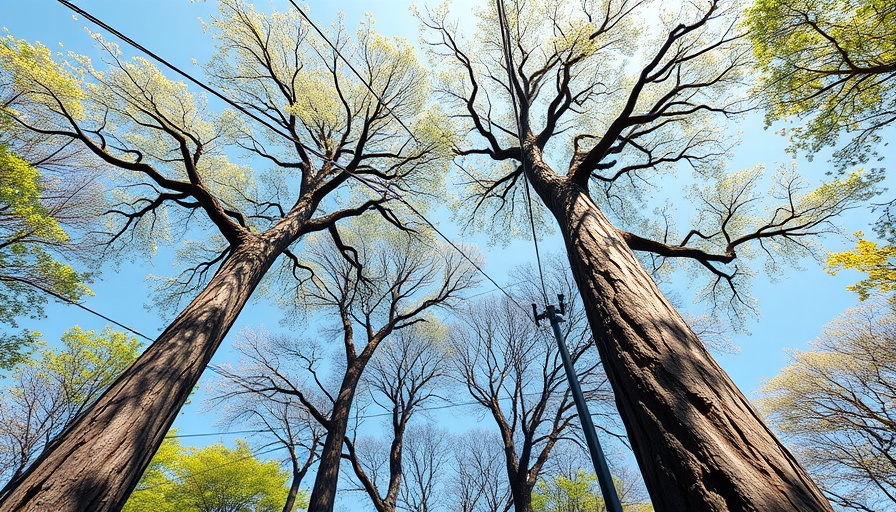
Tree cabling supports lush foliage against blue sky.

Understanding Tree Cabling: A Smart Choice for Sensitive Flora?

When managing properties and landscapes, homeowners often find themselves uncertain about the health of their trees. An instinctive concern might arise when observing branches that seem unstable or weak. This is where the concept of cabling comes in—a potentially effective solution for supporting ailing trees but one that warrants deeper understanding.

What is Cabling and When Should it be Used?

Cabling involves the installation of thick wires high up in a tree canopy, which acts to stabilize weak branches and prevent them from breaking away. It's typically employed as a short-term fix, addressing temporary weaknesses caused by environmental stressors or poor branch angles. This approach contrasts with bracing, which uses metal rods for additional support at lower branch unions.

Why Precision is Key: The Role of Certified Arborists

Cabling is not a DIY project; rather, it should be undertaken solely by certified arborists. Incorrect attempts to stabilize trees can lead to more significant issues, including the risk of tree failure. Annual inspections by an arborist are crucial to ensuring that cabling remains effective and does not become a hindrance to the tree's natural growth.

The Best Locations for Cabling: Not All Places Are Equal

Cabling can be beneficial in high-visibility areas like parks, playgrounds, and community centers where tree health impacts public safety. However, in less frequented rural settings, the investment in cabling may not be justifiable. Homeowners should assess both the proximity of people and the tree’s importance before opting for this intervention.

Long-Term Care: Beyond Cabling

While cabling provides immediate structural support, it should never be considered a permanent solution. Over time, decaying health or other environmental factors could necessitate more dire measures, including tree removal. Homeowners are thus encouraged to remain vigilant and proactive in the ongoing health of their trees.

In summary, cabling can be a valuable tool in tree care, but it comes with strings attached—namely, regular inspections and the involvement of certified professionals. As a homeowner, considering this insight can empower you to make informed decisions about the trees you oversee, ensuring both their health and surrounding safety.

Tree Care Tips & Landscaping

79 Views

Write A Comment

*
*
Please complete the captcha to submit your comment.
Related Posts All Posts
05.29.2026

Discover How Kimmi Thrives in Houston’s Hot and Humid Garden

Update Understanding Kimmi’s Houston Garden Experience Houston's notoriously hot and humid climate poses a unique challenge for homeowners passionate about gardening. Kimmi’s garden exemplifies how local residents adapt and thrive in these conditions by selecting the right plants and employing tailored gardening strategies. With two distinct growing seasons, gardening enthusiasts can cultivate a year-round garden that showcases resilience and adaptability. Choosing the Right Plants: A Key to Success In Houston, selecting plants attuned to the climate is crucial. According to experts from Houstonia Magazine, relying on varieties that thrive in warm summer temperatures and can withstand high humidity is essential for ensuring a vibrant garden. Kimmi’s choice of tropical and native plants not only contributes to a lush garden aesthetic but also supports local wildlife, making it a beneficial environment for pollinators like bees and butterflies. The Practical Benefits of Native Plants Incorporating native plants into her garden allows Kimmi to minimize maintenance while promoting biodiversity. Native species often require less water and are more resilient to pests and diseases, improving resilience against Houston’s fluctuating weather patterns. For those looking to create a similar environment, plants like Black-eyed Susans and Firewheel have been highlighted as excellent choices in the Almanac.com, known for their vibrant colors and ability to attract local fauna. Seasonal Gardening: Timing is Everything Timing is of utmost importance in gardening, especially in a region with a lengthy growing season like Houston. Experts emphasize the benefits of strategic planting in the spring and fall. This approach allows gardeners to enjoy full blooming during the sweltering summer months. Kimmi adeptly manages her garden by planting heat-tolerant varieties like Angelonia and tomatoes early in the season, promoting healthy growth before the temperature soars. Creating a Sustainable Garden Environment Kimmi's gardening practices also reflect a commitment to sustainability. By utilizing methods such as mulching and organic gardening techniques, she helps maintain soil health, retain moisture, and limit the need for chemical fertilizers. Insights from local gardening guides indicate that integrating sustainable practices enhances the garden's resilience against pests and minimizes environmental impact. Conclusion: Join the Gardening Movement in Houston While faced with challenges, gardening in Houston is highly rewarding when approached with the right knowledge and techniques. Kimmi's garden stands as a testament to the beauty and complexity of creating a thriving space in a hot and humid climate. It’s an invitation to homeowners to explore and cultivate their gardening passions. Ready to nurture your own garden in Houston? Discover the variety of plants that flourish in our unique climate, and start your gardening journey today!

05.27.2026

Explore the Colorful May Blooms from Minnesota Gardens This Season

Update Welcome the Blooms of May: A Celebration of Minnesota GardensAs spring progresses, Minnesota gardens burst into vibrant life, transforming local spaces into colorful sanctuaries. Homeowners are now presented with a wonderful opportunity to take part in this seasonal revival by planting and nurturing a plethora of stunning plants and flowers. In this article, we explore the influential blooms of May, showcasing both perennial favorites and annuals that enrich our gardens.Choosing the Right Plants for Minnesota’s ClimateMay marks a critical period for planting as the risk of frost diminishes. Whether you’re considering establishing a perennial garden or refreshing your annuals, understanding your local climate is essential. According to the Fine Gardening source, blooms like Meyer Lilac, intermediate Bearded Iris, and Peonies stand out this month. Moreover, the University of Minnesota Landscape Arboretum highlights the importance of selecting plants that not only thrive in Minnesota's climate but also add aesthetic value.Essential Planting Techniques for MayProper planting techniques can significantly influence the growth and health of your garden. When planting annuals, ensure to enrich your soil with organic matter and slow-release fertilizers. Methods such as gently loosening root-bound plants and strategically pinching flowers during initial planting encourage robust root development, as advised by local gardening experts. This approach not only fosters healthy plants but also maximizes blooming potential throughout the season.Preparing for Unexpected WeatherMay’s weather can be notoriously unpredictable in Minnesota, fluctuating between ideal spring conditions and the risk of late frosts. Homeowners should be ready to protect fragile plants during this transition period. Utilizing techniques like covering pots when temperatures dip or taking proactive measures such as moving plants indoors can safeguard your floral investments well into the summer.The Beauty of Both Annuals and PerennialsIntegrating both annuals and perennials in your garden enhances its visual appeal and longevity. Annuals, such as vibrant Canna and Dahlia bulbs, offer immediate color to your space, while perennials provide a reliable backdrop that returns each spring. Diverse plant choices contribute to an attractive garden that keeps evolving, captivating visitors throughout the seasons.As you dig your hands into the warming soil this May, remember to embrace the joy of gardening. Connecting with nature through nurturing plants can be a rewarding experience. Whether you’re a seasoned gardener or new to this art, spending time outdoors fosters not only a beautiful environment but also personal well-being.

05.26.2026

Mastering Dandelion Control: Essential Strategies for Homeowners

Explore effective dandelion control for lawns, including proactive strategies and management techniques tailored for homeowners.

Terms of Service

Privacy Policy

Core Modal Title

Sorry, no results found

You Might Find These Articles Interesting

T
Please Check Your Email
We Will Be Following Up Shortly
*
*
*