







Add Row
Add Element
Tree Guardian News
update
Tree Guardian News
update
Add Element
  • Home
  • Categories
    • Storm Shield
    • Roots & Routes
    • Disease Detective
    • Insurance Intel
    • DIY Arborist
    • Futureproof Foliage
    • Pro-Partner Spotlight
    • Arborist Stories
    • Tree Care Blog
    • Tree Guardian News Blog
SUBSCRIBE TO NEWSLETTER 
  • update
  • update
  • update
  • update
  • update
  • update
  • update
March 30.2025
1 Minute Read

Urgent: Ensure Safety with Hazardous Tree Removal

Urgent: Ensure Safety with Hazardous Tree Removal

Ever questioned the silent hazards surrounding you? This article unveils the potential dangers lurking in your backyard, emphasizing the urgency of hazardous tree removal for safety and property protection.

Identifying Hazardous Trees: Signs and Risks
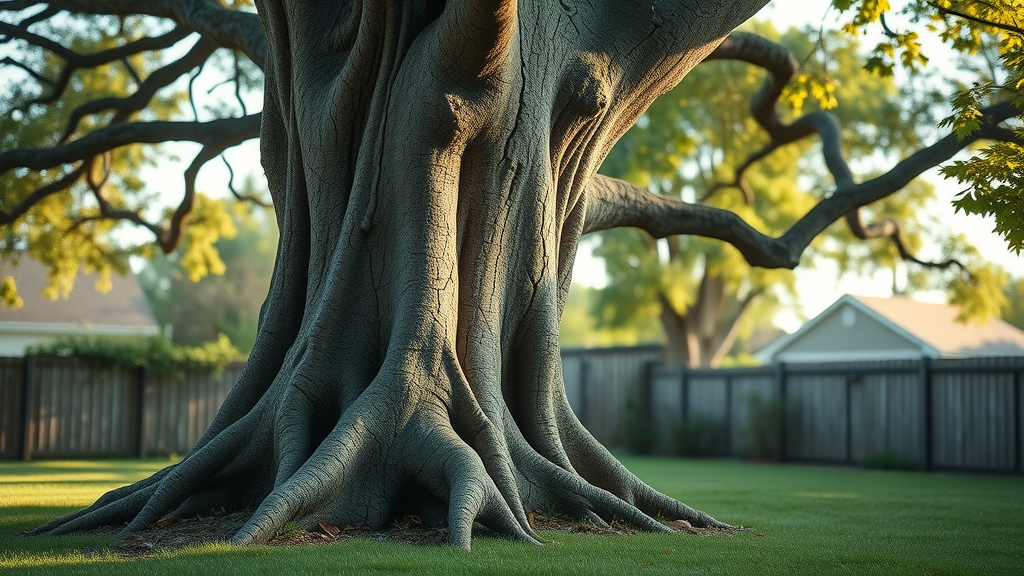
What is considered a hazard tree?

Hazard trees are those exhibiting structural faults that pose a significant risk to people or property. These trees can fall due to decayed roots, broken limbs, or being dead or dying. Trees near structures, power lines, or frequently used areas might present a hazard to people, amplifying the potential risk.

Common Indicators and Risks of Hazardous Trees

Signs of hazardous trees include cracked or dead branches, leaning trunks, and decay at ground level or higher. Damaged trees can lead to costly repairs or significant injuries if they fall unexpectedly. Regular inspections are crucial as affected branches or limbs exceeding ten feet above ground can become lethal projectiles during severe weather events.

Step-by-Step Guide to Hazardous Tree Removal
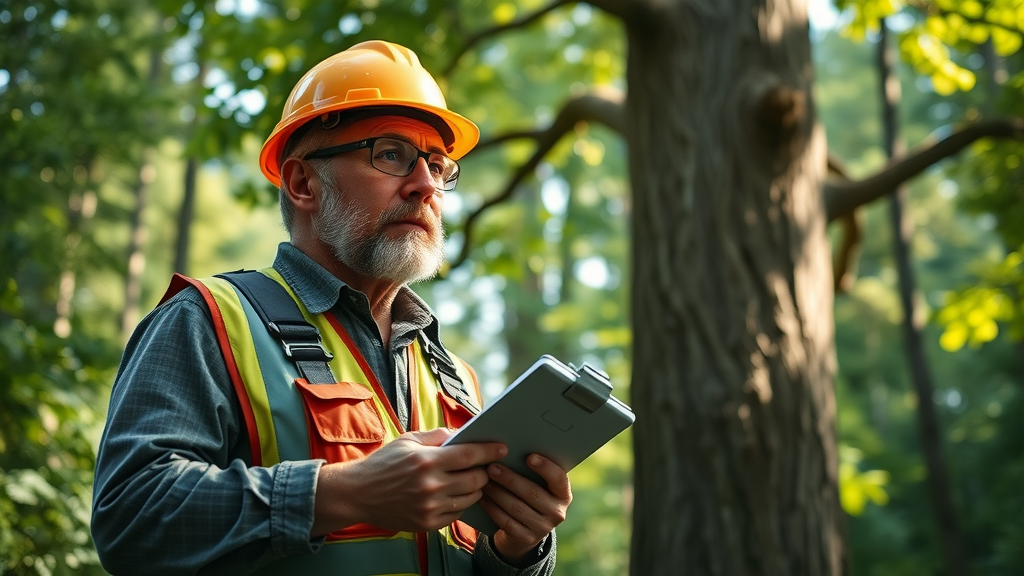
Pre-assessment and Safety Measures

Before removing a hazardous tree, professional arborists conduct thorough pre-assessments. This involves inspecting tree stability, and surrounding environmental conditions, and ensuring debris removal is feasible without endangering anyone. They might employ modern techniques and state-of-the-art equipment to enhance accuracy in hazard tree evaluations.
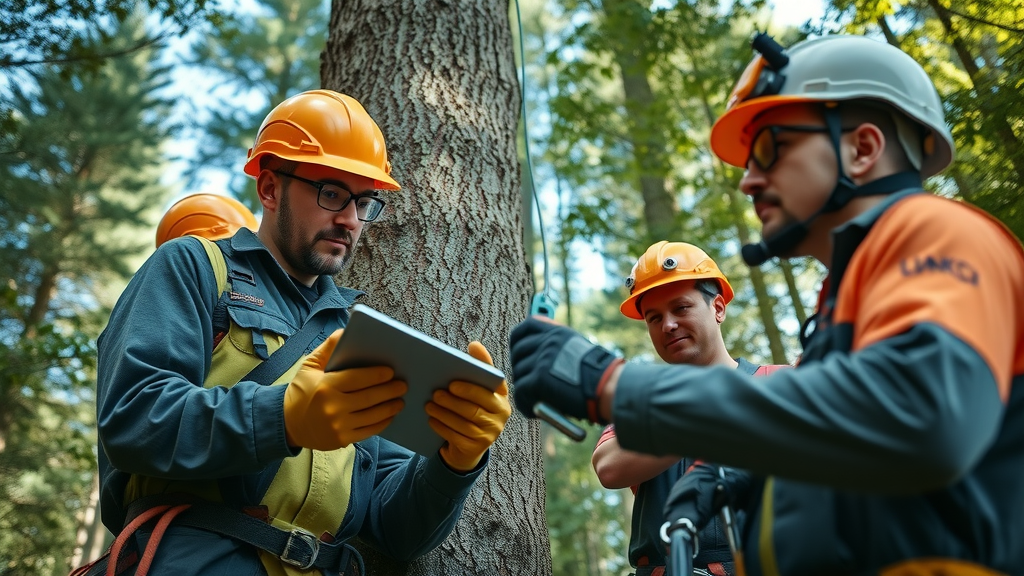
Emergency Tree Removal Costs and Considerations

The costs for emergency tree removal can vary significantly based on tree size, location, and complexity of removal. Typically, prices range from a few hundred to several thousand dollars. Organizations like FEMA may cover expenses through their assistance program under specific conditions, which homeowners are encouraged to explore. For more detailed budgeting tips, you can refer to Tree Services CT Cost: How to Budget for Professional Care.

Will insurance pay for dangerous tree removal?

Many homeowners’ insurance policies cover hazardous tree removal if a tree poses an imminent risk. However, each policy varies, and it is crucial to verify the coverage specifics, especially concerning trees that haven't yet caused damage to life and property. For further insights, check out Home Insurance Coverage for Fallen Trees: Key Insights.

Exploring Professional Tree Removal Services
Choosing a Certified Arborist or Tree Service Company

When selecting a tree removal service, opt for certified arborists who comply with safety regulations and possess extensive experience in hazardous tree extraction. These professionals leverage their expertise, ensuring dead trees or stumps are safely removed, minimizing hazard risk.

FEMA Assistance and Coverage for Tree Removal

FEMA may assist with removal costs following natural disasters under their Public Assistance Program. It is a beneficial resource for residents in the United States facing substantial tree clearing challenges post-disaster.

Will FEMA cover the cost of tree removal?

FEMA covers removal under specific emergency declarations. Eligible applicants must show that trees, as aftermaths of disasters, pose an immediate hazard and the cleanup is in public health's best interest.

Environmental and Legal Aspects of Tree Removal

Hazardous Tree Removal Regulations

Removal of dead or dangerous trees might involve local ordinances or state regulations. It's imperative to consult local government bodies or legal advice to ensure compliance and avoid penalties linked to unauthorized removals.

Environmental Impact of Tree Removal

Tree removal has environmental ramifications such as habitat loss and soil erosion, affecting biodiversity. Balancing human safety and ecological impacts requires strategic planning, possibly through reforestation efforts and careful site evaluations post-removal.
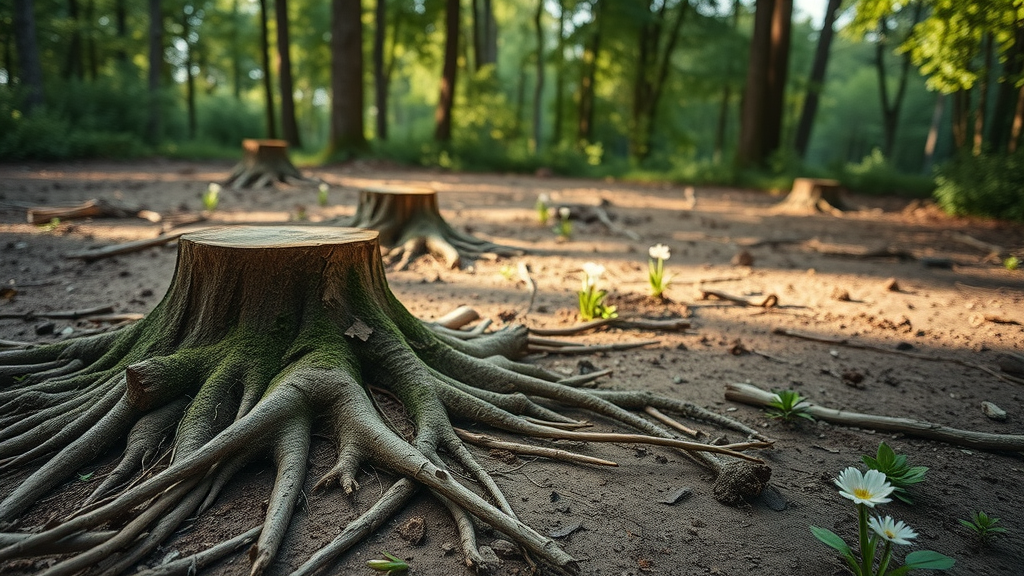
What You'll Learn

  • How to identify hazardous trees on your property
  • The costs and processes of tree removal
  • How insurance and FEMA can assist with removal costs
  • Choosing the right professional service for tree removal

Quotes on the Importance of Hazardous Tree Removal

"Removing hazardous trees is not just about protecting property, but safeguarding lives." - Arborist Expert
"Understanding tree risks can prevent potentially devastating accidents." - Safety Specialist

Frequently Asked Questions

  • What should I do if I suspect a tree on my property is hazardous?
  • How do I verify the credibility of a tree service provider?
  • What are the legal responsibilities of removing a tree on behalf of city councils?
  • How can sketches and photos help in tree risk assessments?

Key Takeaways for Efficient Hazardous Tree Management

  • Act promptly on tree risks to ensure safety
  • Understanding insurance coverage can reduce financial burdens
  • Regular maintenance and inspections can prevent emergencies

Conclusion

Reiterate the importance of timely tree removal for safety.

Encourage readers to assess their property's trees today for potential risks.

Explore professional services, policies, and support available for tree removal.

For more information on hazardous tree removal and related services, explore resources at LA County, FEMA, and the USDA.

Tree Care Blog
Facebook Twitter

132 Views

Write A Comment

*
*
Related Posts All Posts
01.30.2026

Avoid These Common Tree Care Mistakes in Granbury, Texas

Update Understanding the Importance of Proper Tree Planting in Granbury In Granbury, Texas, the success of newly planted trees often hinges on correct planting and post-planting practices, not just disease or pests. One key consideration is the root flare, also known as the root collar, which is essential for the tree's long-term health. When homeowners bury the root flare, it leads to what arborists call the 'telephone pole effect,' where the tree's trunk looks like a post driven into the ground. This issue typically arises from excessive mulch accumulation, referred to as a mulch volcano, which can create hypoxic conditions around the roots. The Dangers of Root Flare Burial The root flair should be visible above the soil to allow the tree to breathe properly. When this area is buried, it not only reduces gas exchange but also traps moisture against the bark, inviting decay and other complications. New trees are particularly vulnerable as they work to adjust to their environment — in Granbury's compacted clay soils, oxygen levels are already low, making proper mulch management even more critical. Correctly exposing the root flare can significantly enhance the tree's establishment speed and overall health. Best Practices for Mulching and Watering According to best practices established by the International Society of Arboriculture (ISA) and the Tree Care Industry Association (TCIA), proper mulching involves keeping a depth of just 2 to 3 inches, away from the trunk, while maintaining a donut shape rather than a cone. Proper watering, too, is an essential tactic for newly planted trees, which should receive 75-100 gallons of water, slowly, to promote deep root growth. Shallow watering encourages surface roots, leading to weaker overall tree structure. Signs of Trouble to Watch For Homeowners should be vigilant in watching for signs of trouble with their newly planted trees. Symptoms such as poor growth, thinning canopies, early leaf drop, or stress during summer heat may indicate improper planting practices. Addressing these issues early can save time and money, preventing long-term damage that can be far more costly to rectify. Local Resources for Tree Care For more information on maintaining healthy trees, Granbury homeowners can refer to resources from the Texas A&M Forest Service, which provides guides on tree care best practices that align with the region's specific needs. Remember, correct planting techniques not only foster successful trees but also contribute to the beauty and sustainability of the landscape. The importance of understanding common tree planting mistakes can't be overstated. By giving your new trees the best start possible, you enhance their chances of thriving and becoming a cherished part of your yard for years to come.

01.28.2026

Struggling With Winter Tree Removal in Bristol Connecticut? Here's Help

Did you know that over 60% of tree-related property damages in Connecticut occur during storms following winter neglect? Many homeowners wait until spring or summer, but the real experts act while the snow is still on the groundOpening Insights: The Best Time for Winter Tree Removal in ConnecticutWhen it comes to tree removal in Connecticut, timing is everything. Contrary to popular belief, winter is not just a viable option—it’s the optimal window for both safety and cost-effectiveness. Dormant trees are less susceptible to biological stress and their bare branches make it easier for professional tree service companies to detect and address structural issues. Plus, the hardened ground means heavy machinery won’t leave ruts or damage your well-kept lawn and driveway, ensuring your property stays pristine.With the bulk of tree-related emergencies stemming from neglected winter hazards, tackling the job before spring storms hit is the best way to protect your home, family, and budget. Tree care professionals, emphasize that winter offers unique clarity—and a proactive approach now means you won’t be scrambling for emergency tree removal when the next storm comes through. In short, if you value your property safe and want peace of mind this year, understanding the benefits of winter tree removal in Connecticut is crucial.What You'll Learn About Winter Tree Removal in ConnecticutWhy winter offers unique advantages for tree removal in ConnecticutHow to leverage professional tree service experience for your safetyWays to ensure your yard and valuables are protected with winter tree removalWhen to call for emergency tree removal or storm damage cleanupThe step-by-step process for hassle-free removal services—even in snowExpert Perspective: Why Winter Tree Removal in Connecticut WorksDormant Trees Are Safer: Stress Reduction and Efficient Tree Removal ServiceOne of the key advantages of winter tree removal in Connecticut lies in nature’s own sleep cycle. Trees are dormant during the colder months—their growth has paused, sap flow is reduced, and metabolic activity slows to a minimum. This state of dormancy allows a professional tree removal service to get the job done with less impact to the surrounding landscape and with greater efficiency. Without the leaves and the heavy uptake in sap, the tree is lighter, and its structure is easier to assess.When trees are not actively growing, they are much less likely to suffer from secondary stresses or diseases that can occur when wounds are made in warmer seasons. Removal services can operate with precision and minimal disturbance to healthy neighboring trees, which means that yard recovery time is faster and your property safe for spring. For homeowners, this results in high quality work and lower risk, making winter the ideal moment to seek out expert tree care.No Leaves, More Clarity: Spotting Problems Early With Professional Tree ServiceAnother hidden benefit of winter tree service is visual clarity. Without dense foliage in the way, a professional’s trained eye can quickly spot cracks in the bark, dead limbs, fungal growths, or structural weaknesses that are nearly invisible in the lush months. This heightened visibility means small issues are addressed before they turn hazardous, saving homeowners hundreds—often thousands—in emergency tree removal and storm damage repairs.Repeated winter inspections catch signs of disease or decay in the nick of time, making removal services not just about taking trees down, but preventing disaster. By prioritizing winter tree removal in Connecticut, you’re not only investing in immediate property safety but also in the long-term health of your remaining trees and landscape.Protect Your Property: Reduced Yard Damage During Winter Tree Removal in ConnecticutFirm Frozen Ground: Less Lawn and Driveway ImpactWinter isn’t just easier on trees—it’s kinder to your lawn, too. During cold months, the soil becomes firm or even frozen, acting as a natural buffer against heavy equipment. This is a crucial consideration for anyone investing in a high quality tree removal service in Bristol. Whether you have a long driveway, expensive landscaping, or delicate garden beds, frozen ground greatly reduces the risk of rutted grass, crushed roots, and unintended property damage.Homeowners who hire tree service companies in winter often find their yards emerge from the experience looking untouched, aside from the missing hazardous tree. This preservation of curb appeal is a big reason expert removal services—including stump grinding and cleanup—recommend scheduling in the colder months. Not only is your property safe, but your investment in your landscape remains protected for spring’s renewal.Why Winter Tree Removal Service Minimizes Landscape DisruptionWhen the ground is hard, removal services can bring in their state-of-the-art equipment without worrying about tearing up lawns or compacting soil—something that plagues tree service companies during rainy spring or the thawing season. Equipment stays on the surface, plants are less likely to be smooshed, and your garden beds can rest easy. This also means projects can be completed faster, with less cleanup and fewer headaches for both the crew and the homeowner.Tree removal services in winter, especially those operated by experienced and fully insured teams, say it’s the season with the most customer satisfaction. Minimal disturbance, efficient workflow, and beautiful post-removal results make winter tree removal in Connecticut the clear winner for any property owner seeking peace of mind and quality work.Storm Season Prevention: Emergency Tree Removal Before Disaster StrikesAddressing Storm Damage Risks With Professional Tree CareProactive winter tree care isn’t just about convenience—it’s about staying a step ahead of costly and dangerous emergencies. Every year, storm damage in Connecticut leads to sudden, expensive calls for emergency tree removal. Professional tree services, when engaged in winter, are uniquely positioned to identify and remediate hazardous situations early. Their certified arborists assess every tree for risky limbs, weakened roots, and structural instabilities that might give out when battered by ice or wind in late winter storms.Prevention is always less expensive and less stressful than cleaning up after a disaster. By using specialized equipment and an experienced eye, a quality tree care company offers not just a removal service, but insurance against nightmare scenarios—protecting families, homes, and valuables before trouble hits. For homeowners, that means greater peace of mind throughout storm season, all delivered with the assurance of fully insured, high quality professionals.Real Stories: When Delayed Tree Removal Led to Emergency Expenses"Storm-damaged trees cost Connecticut families thousands every winter. Removing them early prevents heartache—and headaches.It’s a story too often repeated: a homeowner spots a leaning or cracked tree but puts off removal, hoping it’ll hold until warmer days. Then, a surprise storm knocks it down, damaging roofs, vehicles, or worse—putting people at risk. Emergency tree removal after such incidents is always costlier and more disruptive than planned, winter work. Delayed decisions also complicate insurance claims, leaving families to shoulder unexpected out-of-pocket expenses. Early intervention is what truly sets savvy property owners apart.Choosing winter tree removal in Connecticut is a proactive investment that brings peace to your home and wallet. Don’t wait until disaster is at your doorstep—let professional tree service companies safeguard your property with timely, preventive care.How Professional Tree Removal Service Works in ConnecticutFree estimate with onsite consultationComprehensive tree services (including stump grinding, cleanup, and post-removal care)Licensed and insured removal service teamsFast scheduling even during winterMeticulous debris and damage cleanupServiceWinter RemovalSpring/Summer RemovalTree Removal CostOften lower (less demand)Standard or higherLandscape Damage RiskLow (frozen soil)Moderate to HighTimelineQuicker schedulingLonger wait timesHazard VisibilityHigh (leafless)PartialWhen you contact a professional Tree Service, the process begins with a free estimate and thorough on-site consultation. Our fully insured team assesses each tree, recommends the safest approach, and uses specialized equipment to guarantee quality work. Stump grinding, cleanup, and even post-removal seeding are part of our comprehensive offer, ensuring that your commercial property or residence looks its best—fast. Our winter scheduling is flexible, and our peace of mind promise means you can focus on enjoying your safe home, knowing experts are at work.People Also Ask: Everything on Winter Tree Removal in ConnecticutHow much to remove a tree in CT?Tree removal costs in Connecticut vary depending on size, location, and complexity, but winter rates are often lower due to decreased demand. Expect most standard jobs in Connecticut to range from $400–$1,200. For large or hazardous trees requiring specialized equipment or urgent service, prices may be higher—but a free estimate from a reputable removal service ensures transparency and no surprises.What is the cheapest time of year for tree removal?Winter is widely considered the most cost-effective season for tree removal in Connecticut because of dormant trees, frozen ground, and lighter demand for services. With professional tree services less busy and the ground better protected, homeowners can often secure quality work at the most competitive rates of the year.What is the tree law in Connecticut?Connecticut law holds property owners responsible for hazardous trees on their land. Removing risky trees—especially before major weather events—limits liability and financial exposure. This is why timely, winter removal services are recommended by local experts and tree service companies to keep both your property and your neighborhood safe.Is Connecticut affluent?Connecticut has a diverse economic profile, with median household incomes comparable to the state average, making cost-effective winter tree removal a priority for many homeowners. Whether your property is modest or luxurious, investing in proactive, winter services protects your home without breaking your budget—thanks to lower off-season pricing from local professionals.FAQs: Quick Answers on Winter Tree Removal in ConnecticutIs winter tree removal in Connecticut safe for pets and children?Yes. Professional crews use safety barriers and meticulous procedures to keep your family and pets out of harm’s way. All debris and hazardous materials are thoroughly cleaned up during damage cleanup.Can all species be removed in winter months?Most tree species can be safely removed in winter. Dormant conditions make the process efficient and minimize regrowth or spreading of certain diseases.How quickly can you respond to an emergency tree removal?Most licensed tree services offer rapid response, even in winter. Emergency tree service teams are on standby, with fully insured crews ready to address hazardous situations when time is critical.Do you handle stump grinding and full debris cleanup?Yes. Stump grinding, debris removal, and site restoration are included in every service offer, ensuring your property safe, clean, and ready for spring.What does a free estimate cover for winter tree removal services?A free estimate includes an onsite evaluation, detailed assessment of risks, recommended solutions, and a transparent breakdown of costs—so you know exactly what to expect from our removal services.Key Takeaways: Winter Tree Removal in ConnecticutWinter tree removal in Connecticut prevents costly storm damageDormant conditions allow for safer, less disruptive work by professional tree servicesLower demand in winter brings cost savings and flexible schedulingInspections are more accurate when trees are leafless

01.25.2026

What Every Burleson Homeowner Should Know About Live Oaks and Winter Freeze Damage

Update The Challenge of Winter Freezes for North Texas TreesWinter freezes, though infrequent in North Texas, present unique challenges for local trees like the southern live oak. Unlike their counterparts in colder climates, trees in this region struggle with sudden temperature fluctuations. This abrupt change can cause internal freeze injuries, as documented by the Texas A&M Forest Service, leading to delayed and severe damage in plants that are unaccustomed to such harsh conditions.Understanding Freeze Damage in Live OaksLive oaks are particularly affected by these weather extremes due to their large xylem vessels, which transport vital nutrients and water. When temperatures drop too low, the water inside these vessels can freeze, expand, and cause embolisms that block water flow. This process can critically impact the tree’s health, often first noticeable in the upper canopy where growth is most demanding.Common Signs of Freeze InjuryPost-freeze, homeowners may observe brown and wilting leaves, twig dieback, or even trunk splitting. These are signs that winter’s cold has stressed the tree. Many live oaks show delayed reactions, appearing healthy initially but showing symptoms later as the tree's internal health deteriorates. Understanding that these conditions can vary widely based on the tree's exposure and resilience is crucial.Evaluating Damage: What Homeowners Should AvoidAfter a freeze, you might feel the urge to take immediate action. However, Texas A&M advises against applying high-nitrogen fertilizers or heavy pruning too soon. Fertilizing can prompt rapid growth that the tree may not sustain, while cutting branches prematurely might remove healthy tissue capable of recovery.The Power of Patience and CareRather than acting hastily, take your time in assessing the tree's health. Monitor visual changes over several weeks and understand the importance of care. Proper watering and mulching can further assist a tree’s recovery, ensuring that soil conditions remain conducive to supporting root health.Future Proofing: Lessons From the 2021 Winter StormThe 2021 winter storm taught us many lessons about the resilience of our local ecosystems. Trees that looked fine initially suffered delayed declines, emphasizing that underlying injuries can often go unnoticed. Every freeze encounter highlights the need for understanding and preparedness among homeowners to scale back their actions to help their trees wisely.Seek Professional Arborist HelpIf you're uncertain about the condition of your live oaks or need recommendations for care, engaging a certified arborist is a smart choice. They can provide insights based on science and experience, offering methods tailored to the health of your trees and making an assessment of any damage that isn’t easily visible.Final Thoughts on Tree CareKeeping a watchful eye after a winter freeze can make all the difference for live oaks in Burleson and similar locales. As temperatures fluctuate, being proactive about tree health, knowing what to do and what to avoid can ultimately lead to a thriving landscape in the coming seasons.

Terms of Service

Privacy Policy

Core Modal Title

Sorry, no results found

You Might Find These Articles Interesting

T
Please Check Your Email
We Will Be Following Up Shortly
*
*
*