Tree Guardian News
update
Tree Guardian News
update
  • Home
  • Categories
    • Storm Damage & Prevention
    • Tree Care Tips & Landscaping
    • Tree Disease Identification & Treatment
    • Insurance Intel
    • DIY Tree Care & Safety
    • Sustainable Tree Care & Eco Solutions
    • Professional Tree Services
    • Arborist Stories
    • Latest News
    • Industry Insights
Arborist Get Featured 
  • update
  • update
  • update
  • update
  • update
  • update
  • update
1 Minute Read

More Real Aborist Stories

Ryan Sormilich Arborist LLC:

Ryan Sormilich Arborist LLC

Expert Witness and Tree Report Writing for law firms, insurance companies, and homeowners. Using a genuine love of trees and nature to give people the best advice and practices for tree health and vitality. Disease identification and treatment. Soil analysis. Pesticide Application. Love your trees? Hire an Arborist today!


Jonathan Quinn:


Gregg Corso:

Green Leaf Supply:

Jeffrey "Jack" Lambert:

Arborist Stories

311 Views

Write A Comment

*
*
Please complete the captcha to submit your comment.
Related Posts All Posts
05.06.2026

Expert Insights: The Future of Non-Invasive Tree Inspection Technologies

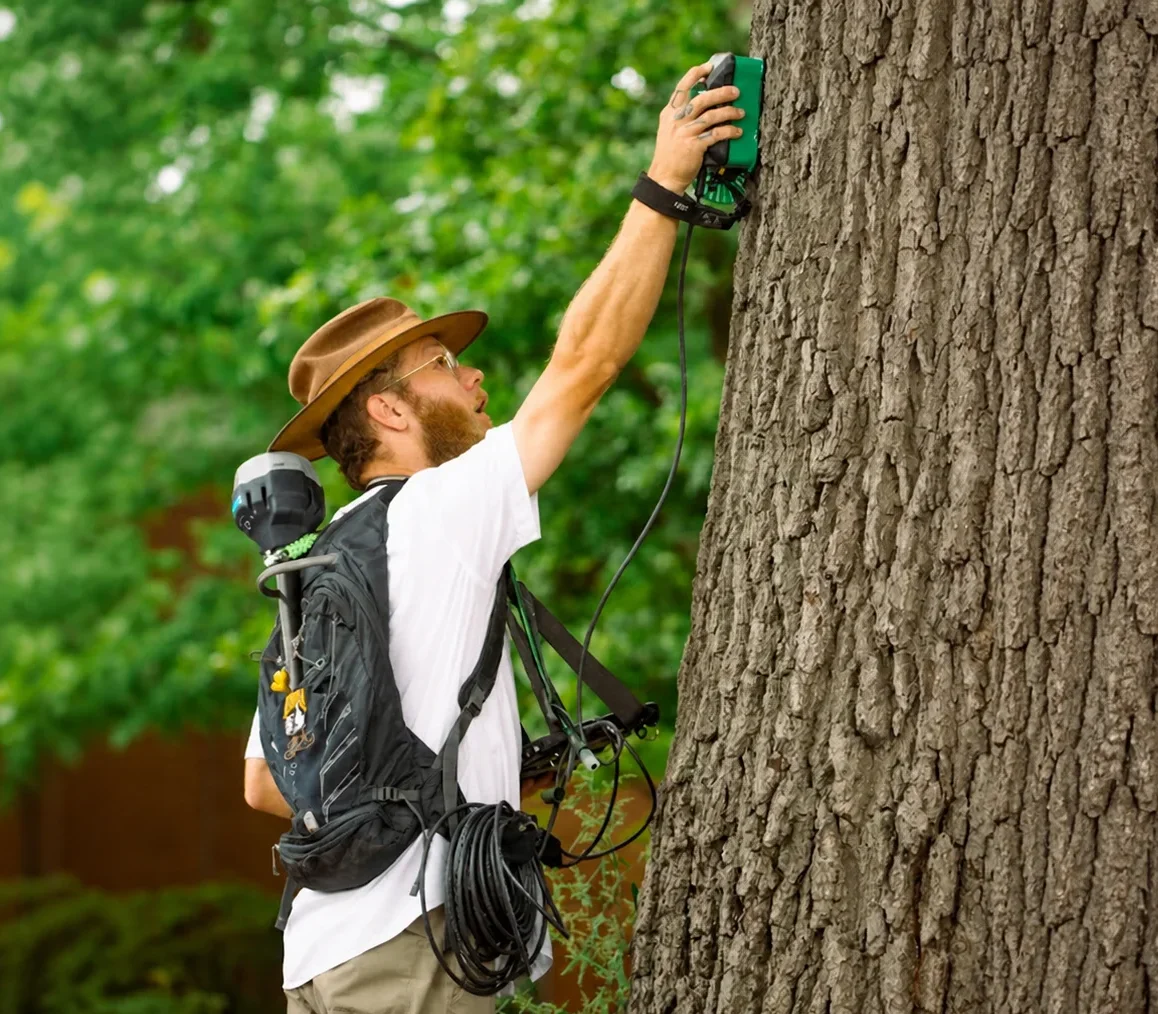
Imagine a world where tree health assessments are effortless, precise, and non-destructive—empowering property owners and urban planners to make informed decisions for safer and healthier trees. The future of tree inspection technology is rapidly evolving beyond traditional methods, driven by innovations like Ground Penetrating Radar (GPR) and sonic tomography. These breakthroughs arm arborists with unparalleled insights into tree structure and root health, enabling early detection of risks and promoting sustainable urban forestry.Joshua Horwitz, Certified Arborist and Founder of Xylo Logics, stands at the forefront of this transformation. By combining hands-on climbing experience with advanced digital tools and a deep passion for trees, Horwitz is pioneering ways to bring these technologies into everyday tree care and risk management. This article explores his expert insights, comparing cutting-edge non-invasive methods, and highlights their crucial role in urban forest and tree care management. Understanding the Future of Tree Inspection Technology: An OverviewThe future of tree inspection technology lies in integrating non-invasive tools that reveal the hidden health and structural integrity of trees without causing harm. Traditional visual inspections, while valuable, can miss critical internal decay or root issues invisible to the naked eye. This gap has fueled the rise of technologies such as Ground Penetrating Radar (GPR) and sonic tomography, which uncover these hidden problems efficiently and accurately.Joshua Horwitz, a certified arborist with extensive field and technical expertise, emphasizes the transformative potential of these methods. He explains, “GPR is non-invasive and non-destructive and wildly comprehensive in its ability to measure and then report collected data. ” With non-destructive inspection, property owners gain 'rock solid data' to make well-informed decisions on tree management plans, avoiding unnecessary removal or interventions.Practically, this technology benefits a wide range of users—from homeowners with singular trees in question to municipal managers overseeing public parks. Horwitz notes that scans can extend up to 12 feet on poles, even analyzing limbs while climbing, and ground scanning enables virtual excavation to understand root quality without disturbing the soil. This comprehensive approach signals a new era for arboriculture and urban forest management shaped by precise technology.Comparing Non-Invasive Tree Inspection Methods: Sonic Tomography and Ground Penetrating RadarAmong the revolutionary tools advancing the future of tree inspection technology, sonic tomography and Ground Penetrating Radar (GPR) stand out as leading non-invasive methods, each with unique capabilities and benefits. Their comparative examination helps determine the best applications and advantages for tree health diagnostics.Sonic tomography is generally considered a non-invasive or minimally invasive method of inspecting trees because it uses sound waves to evaluate internal decay. However, some systems require small pins or nails to attach sensors around the trunk. Sonic tomography operates by sending sound waves through the tree trunk and limbs to detect anomalies such as decay or cracks. It produces a detailed internal image based on the sound velocity, highlighting structural weaknesses. However, sonic tomography primarily evaluates the trunk and larger limbs and does not inspect root systems or soil conditions.Conversely, Ground Penetrating Radar (GPR) shines in its ability to scan both tree trunks and the root zone beneath the ground non-invasively using electromagnetic waves. It creates comprehensive 3D images, enabling arborists to detect root decay, disturbances, or soil-related risks that influence tree stability. Horwitz comments on GPR’s advantages: “While others like resistance drilling or sonic tomography are invasive, GPR is non-destructive and covers more ground, literally. ” This makes GPR ideal for detailed root system inspections that were previously cumbersome or damaging. Together, these technologies provide complementary insights. GPR and Sonic tomography excels at diagnosing trunk and limb structure, while GPR exclusively offers a broader picture, including roots and soil quality. Their combined use enhances tree risk assessments, enabling urban foresters and property owners to safeguard trees with more data and less guesswork.For property owners interested in the practical implications of tree health and risk, understanding the broader context of responsible management is essential. For example, being aware of potential legal and insurance considerations can be just as important as technical diagnostics. To explore how tree-related issues can intersect with homeowner responsibilities, see this overview on what homeowners must know after insurance fraud charges in Iowa.The Role of Tree Inspection in Urban Forest and Tree Care ManagementThe future of tree inspection technology is inextricably linked to the growing importance of urban forest management. Cities increasingly recognize the vital environmental, social, and economic benefits mature trees provide, from cleaner air to temperature regulation. However, maintaining these assets requires precise, proactive health monitoring to mitigate safety risks and maximize tree longevity.Advanced tree inspection technologies empower arborists and urban planners to take informed action. Horwitz explains, “The data and reports provide clients confidence to spend that money in the right areas.” This data-driven approach ensures resources are allocated wisely, prioritizing care and intervention where structural weaknesses or disease threaten urban trees.Applications extend across municipal parks, residential neighborhoods, and commercial properties, where continuous tree health monitoring supports public safety and landscape aesthetics. As Horwitz shares, “Whether it’s a forested area for a data center, a homeowner’s front yard tree, or an HOA managing hundreds of trees, this technology adapts. ” The ability to perform rapid trunk scans—up to 100 trees per hour in urban settings—strengthens urban forestry programs, keeping city trees healthy and safe. Applications in Municipalities, Residential, and Commercial PropertiesMunicipalities benefit from early detection of structural risks and root health issues in public parks and tree-lined streets, reducing hazards to pedestrians and infrastructure. Residential property owners gain peace of mind knowing critical issues are diagnosed before costly damage or tree removal becomes necessary. In commercial and industrial areas, proactive tree inspection helps protect valuable real estate investments and maintain compliance with safety codes.Horwitz notes the flexibility of non-invasive methods, stating, “You can either do hot spot checks in a 400-home HOA or individual tree assessments, all within a matter of days. ” This scalability positions advanced tree inspection technology as a critical component for urban tree care management across diverse environments and budgets.Expert Insights: Best Practices and Innovations in Tree Inspection TechnologyJoshua Horwitz of Xylo Logics brings unique expertise to tree inspection innovation by blending hands-on arborist experience with a passion for education and technology integration. His role as a certified tree climber, arborist, and TRAQ, combined with proficiency in GIS software and digital data analysis, equips him to lead technology adoption in the arboricultural industry.Horwitz highlights a key market gap: the commercial application of GPR in tree inspections is largely untapped despite its research foundations. “Nobody’s really figured out how to commercialize it and get it to really mean something on the main stage,” he notes. By developing streamlined non-invasive scanning processes, he aims to make detailed tree health data accessible to all stakeholders.He also underscores the role of clear reporting paired with client education. His 3D, color-coded reports of both trunk and root scans are complemented by conference calls to ensure clients fully grasp the health and structural data. This client-centered approach builds trust and encourages data-driven tree care decisions. Common Misconceptions and Challenges in Tree Inspection and Risk AssessmentDespite advances, misconceptions persist around tree inspection practices. Many assume invasive methods, such as resistance drilling, remain the only reliable means to assess internal decay or root health. However, these methods risk damaging the tree, sometimes accelerating decline or causing infection points.Non-invasive technologies like GPR challenge these assumptions by providing comprehensive internal and subsurface data without harm. Horwitz points out, “The collection process is very fast and non-destructive,” making it a superior alternative for proactive risk assessment.Challenges include the need for industry training and market education to adopt these new tools widely. Additionally, interpreting complex data requires skilled arborists fluent in both tree biology and technology. Joshua’s expertise exemplifies the ideal integration of technical ability and arboricultural knowledge necessary to overcome these barriers. Actionable Tips for Property Owners: When and How to Use Tree Inspection ServicesProperty owners should consider non-invasive professional tree inspections whenever there are concerns about a tree's structural integrity or unexplained health decline. Early intervention can prevent accidents, preserve valuable trees, and save money on costly removals or repairs.Call tree inspection experts if you notice cracked branches, hollow trunks, leaning trees, or soil disturbances near the root zone.Use inspections before property development or construction near tree roots to avoid unintended damage.Schedule routine scans for mature or heritage trees critical to your landscape or neighborhood.Choose services utilizing advanced, non-destructive technologies like GPR and sonic tomography for comprehensive assessments.Joshua Horwitz stresses the importance of data-backed decisions: “Whether a homeowner or a municipality, having comprehensive, non-invasive scanning reports provides confidence in next steps.” For professional consultations, contact Xylo Logics at (404) 716-8762 to learn more.What You'll Learn: Key Takeaways on the Future of Tree Inspection TechnologyThe advantages of non-invasive tree inspection technologies like GPR over traditional methods.How urban forest management benefits from advanced tree health and risk assessments.Expert recommendations for integrating technology into tree care and maintenance plans.Understanding the role of data-driven decision-making in tree risk assessment and removal.Frequently Asked Questions About Tree Inspection and CareWhat is the difference between sonic tomography and ground penetrating radar in tree inspections?Sonic tomography uses sound waves to assess internal trunk and limb conditions, while GPR scans both the trunk and roots non-invasively, providing a broader assessment including subsurface data.How can non-invasive tree inspection technology help in urban forest management?It enables early detection of structural flaws and root issues, supporting proactive care that maintains tree health and safety in urban environments.When should a property owner consider a professional tree inspection?Whenever there are signs of structural problems, health decline, or before construction near trees, inspections help prevent hazards and costly mistakes.Are these advanced tree inspection services available nationwide?Yes, experts like Joshua Horwitz can travel nationwide, as their portable equipment fits in airline storage, making services accessible beyond local regions.Conclusion: Embracing the Future of Tree Inspection Technology for Safer, Healthier TreesTo safeguard trees effectively, property owners and urban managers should embrace non-invasive, data-driven tree inspection technologies. Contact Xylo Logics, located in Atlanta Georgia, at (404) 716-8762 to harness expert-led innovations for confident, sustainable tree care decisions.

04.28.2026

Trends in Tree Health: What Arborists Want Homeowners to Know

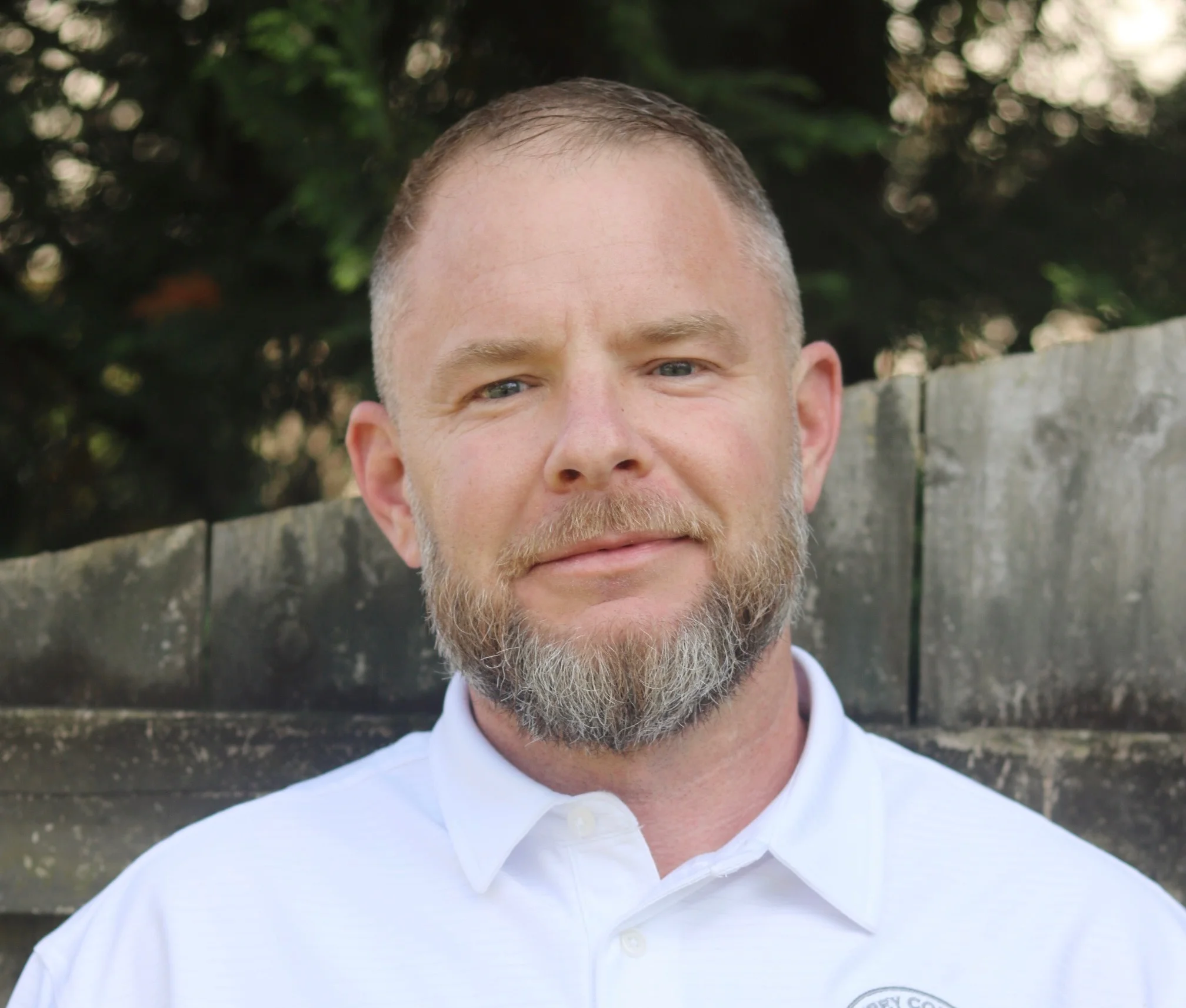
Imagine walking through your neighborhood, admiring the towering trees that provide shade, beauty, and clean air. But have you ever stopped to wonder about their health, or how early signs of trouble could be missed? Tree health trends are evolving rapidly due to urbanization and climate change, and understanding these changes is crucial for homeowners. In this article, Tim McDowell, Atlanta Branch Manager and ISA TRAQ Arborist at Pelfrey Tree Service, shares expert insights on protecting your home’s trees from common threats and mistakes most homeowners make. Understanding Current Tree Health Trends in Urban and Forest EnvironmentsThe state of tree health trends in today’s urban and forest settings reflects a complex interaction between environmental stressors and human impact. Trees in urban environments face stresses unlike those in natural forests, including soil compaction, pollution, restricted root growth, and exposure to pests. These conditions affect their vitality and longevity, making it vital to monitor their health regularly.Tim McDowell, Atlanta Branch Manager and ISA TRAQ Arborist at Pelfrey Tree Service, explains, “In cities like Atlanta, managing trees in urban settings is a big part of what we do. The challenge is that many people don’t recognize how urban conditions harm trees until the damage is extensive.” This highlights the importance of proactive tree care and public awareness.Meanwhile, forest environments are experiencing unprecedented challenges such as increased wildfire frequency and shifts in species viability due to changing climate patterns. These trends underscore the importance of understanding how trees respond to different environments. Keeping abreast of these trends helps homeowners and professionals alike protect tree populations for future generations.Defining Tree Health and Its Importance in Urban SettingsTree health refers to the overall condition and vitality of a tree, influenced by its growth, resistance to diseases and pests, and its ability to withstand environmental stresses. In urban settings, healthy trees are particularly valuable as they enhance property values, reduce air pollution, lower energy costs, and improve mental well-being.“Trees in urban areas require special management because they grow in less-than-ideal conditions,” Tim McDowell notes. “Homeowners should recognize that a tree’s health isn’t just about appearance, it’s about structural integrity, resilience to pests, and longevity.” Understanding what constitutes good tree health is the first step toward effective tree care.Regular assessment and maintenance can help detect problems early, preventing costly removal or loss of tree benefits. This knowledge empowers homeowners to protect their leafy investments in the concrete jungle.While understanding tree health is essential, it's equally important for homeowners to be aware of broader property risks, including those related to insurance. For example, learning from real-life cases such as the recent insurance fraud incident in Iowa can help you avoid costly mistakes and ensure your tree care practices align with legal and financial best practices.Impact of Climate Change on Tree Health TrendsClimate change has emerged as a significant driver influencing tree health trends. Rising temperatures, altered precipitation patterns, and extreme weather events place additional stress on trees, making them more susceptible to pests and diseases. Some species may struggle to survive as their traditional habitat zones shift.According to Tim McDowell, “Climate variability means the types of pests and diseases we see today differ from those a decade ago. Trees face new pressures, and this affects how homeowners need to care for them.” These changes call for adaptive landscaping strategies, including the selection of climate-resilient tree species and adjusting maintenance practices.As these challenges grow, understanding the intersection between climate and tree health becomes crucial for sustaining urban forests and natural woodlands alike.Common Health Conditions Affecting Trees and How to Identify Them EarlyPests and Diseases: The Leading Threats to Tree HealthPests and diseases remain the predominant threats to tree vitality, accounting for many cases of decay and mortality in both urban and forested settings. Insects such as borers and aphids, along with fungal infections, can rapidly compromise a tree’s health if untreated.Tim McDowell emphasizes, “The number one issue I wish homeowners caught earlier is healthcare concerning pests and diseases. Early intervention can save a tree from irreversible damage.” His experience underscores the value of vigilance and timely treatment to control outbreaks before they escalate.Effective management includes knowing the common pests in your area, recognizing early symptoms, and consulting professionals promptly. Ignoring infestations often leads to structural weakness, decline, and ultimate loss of the tree.Signs Homeowners Often Miss: Early Detection of Tree Health IssuesMany homeowners miss subtle but critical signs of tree distress. Symptoms like minor leaf discoloration, unusual leaf drop, sap oozing, or slight bark cracks can be early indicators of more serious underlying problems.“The average homeowner doesn’t always know what they’re looking for,” says Tim McDowell. “By the time visible damage becomes obvious, the problem might be too advanced to fix.” Educating yourself about early symptoms is key to preventing permanent damage.Regularly walking around your property to inspect your trees can reveal early warning signs. If anything seems off, changes in leaf color or texture, dead branches, or swelling—contacting an arborist should be your immediate step. Expert Insights: Tim McDowell on Tree Care and Maintenance Best Practices“The number one tree issue I wish homeowners caught earlier is healthcare concerning pests and diseases. Early intervention can save a tree from irreversible damage.” Tim McDowell, Atlanta Branch Manager and ISA TRAQ Arborist of Pelfrey Tree ServiceAnnual Tree Care: Why Regular Maintenance is CrucialOne of the biggest upkeep mistakes homeowners make is neglecting annual tree care. Regular maintenance, including inspections, pruning, and health assessments, can prevent many problems or mitigate their impact if detected early.Tim McDowell advocates, “Having arborists assess your trees annually is vital. This routine lets us catch pests, diseases, and structural issues early, saving time, money, and preserving your trees for years.” Scheduled care improves tree health trends by keeping them resilient to changing environmental pressures.Incorporating expert advice into a tree maintenance plan also helps homeowners avoid emergencies and costly removals down the road, making the investment worthwhile.When Should Homeowners Contact an Arborist?Knowing when to seek professional help can save trees and money. Tim McDowell advises that consulting an arborist should happen even before purchasing a new home. “Homebuyers often inspect houses thoroughly but overlook tree evaluations, which can lead to unexpected $15,000-$20,000 bills from hazardous or dying trees,” he warns.Beyond real estate transactions, homeowners should contact an arborist at the first signs of tree distress or when planning major landscape changes. Professional assessment ensures safe, healthy trees and reduces risks associated with weak branches or disease.This proactive approach is a fundamental step in smart tree ownership aligned with current tree health trends. The Role of Tree Species and Native Species in Tree Health TrendsSelecting Appropriate Tree Species for Urban EnvironmentsThe success of urban forestry depends heavily on choosing tree species suited to local environmental conditions. Selecting trees that are resilient to climate and urban stresses improves overall tree health trends and reduces maintenance needs.“Urban planners and homeowners should prioritize species that tolerate pollution, compacted soil, and restricted root zones,” says Tim McDowell. The right selection ensures trees flourish, providing shade and ecological benefits without costly interventions.Careful species choice also helps reduce vulnerability to pests and diseases, contributing to a healthier urban canopy over time. Benefits of Native Species for Sustainable Tree CareNative species offer significant advantages for sustainable tree care because they are adapted to local climates and ecosystems. They generally require less water, fertilizer, and pesticide interventions, reducing environmental impacts and upkeep costs.Incorporating native trees into landscaping supports biodiversity and strengthens ecological resilience. “Native trees contribute to a balanced environment, making them a cornerstone of sustainable tree health trends,” notes Tim McDowell.Encouraging native plantings fosters healthier urban forests and promotes a greener future with less resource strain.Community Involvement and Its Impact on Forest and Tree HealthLocal Initiatives Supporting Tree Health and Greener FuturesCommunity engagement plays a crucial role in advancing tree health trends. Neighborhood tree planting events, educational programs, and volunteer-driven maintenance contribute to vibrant urban and forest ecosystems.“Communities that actively involve residents in tree care see tangible benefits. It raises awareness and spreads responsibility for tree stewardship,” explains Tim McDowell. These collective efforts support sustainability goals and enhance local environmental quality.Participation in local initiatives nurtures a culture of care, ensuring urban forests thrive for generations to come. Technological Advances in Monitoring Tree Health TrendsRemote Sensing and Data Sources for Forest Health AssessmentAdvances in technology, such as remote sensing and GIS data, allow arborists and researchers to monitor tree health trends at large scales. Satellite imagery, drones, and handheld devices gather detailed information on tree canopy health and forest disturbance.Tim McDowell highlights, “Using modern tools, we can detect stressed or diseased trees before in-person inspections identify problems. This data-driven approach increases efficiency and accuracy in tree management.”These technologies empower more proactive and informed interventions, helping preserve trees before issues escalate. Enhanced Techniques for Inspecting Tree HealthBeyond remote sensing, new inspection equipment like advanced moisture meters, resistographs, and aerial imaging is enhancing the ability to assess tree conditions thoroughly.These tools allow specialists to detect internal decay, measure sap flow, and evaluate structural integrity, refining maintenance and treatment plans. Such innovation represents the future of arboriculture and better tree health trends for homeowners.Integrating these enhanced techniques ensures longer, healthier lifespans for trees in challenging urban and natural environments.Common Mistakes Homeowners Make Regarding Tree Health and How to Avoid ThemNeglecting Annual Tree Care and InspectionsOne of the most frequent errors is neglecting routine care. Without annual inspections, trees suffer from undetected pests, diseases, and structural issues that could have been prevented or treated early.Tim McDowell points out, “Homeowners often wait too long, thinking trees can manage on their own. But healthy trees require ongoing attention to thrive.” Scheduling regular professional assessments is essential to avoid this mistake.Consistent tree maintenance correlates directly with positive tree health trends and landscape value retention.Failing to Assess Tree Health Before Purchasing a PropertyAnother costly oversight is skipping a tree health evaluation during home buying. Trees can present hidden hazards such as unstable limbs or root decay, posing safety risks and expensive repairs.“I believe everyone should contact an arborist before purchasing a home to avoid costly surprises related to hazardous or dying trees,” Tim McDowell, Atlanta Branch Manager and ISA TRAQ Arborist at Pelfrey Tree Service emphasizes.Including tree inspections along with home inspections ensures buyers make safer, informed property choices, protecting investments and family well-being.Actionable Tips for Homeowners to Improve Tree HealthSchedule annual tree health assessments with a certified arboristLearn to identify early signs of pests and diseasesChoose native and climate-resilient tree species for plantingEngage with local community tree care initiativesUtilize technological tools for monitoring tree health when availablePeople Also AskWhat are 10 ways to save trees?Saving trees involves proactive care and environmental stewardship. Key methods include:Regular watering during droughtsAvoiding soil compaction around rootsPruning dead or diseased branches promptlyPlanting native, climate-appropriate speciesManaging pest and disease infestations earlyMulching to retain moisture and regulate soil temperatureAvoiding damaging construction activities near treesPreventing root damage by careful landscapingEngaging community efforts for tree health awarenessConsulting professional arborists regularlyWhat are the new changes in forestry?Forestry is adapting to climate change, remote sensing technology, and increased public involvement. Innovations include improved monitoring systems, shifts toward planting climate-resilient species, and sustainable management strategies to mitigate forest disturbances and pests.What can I spray on my trees to keep them healthy?Depending on the issue, arborists may recommend fungicides, insecticides, or organic treatments to manage pests and diseases. However, proper diagnosis is critical before application, so always consult a tree care professional for tailored advice.How to improve tree health?Improving tree health involves regular maintenance, proper watering, mulching, pest and disease control, and selecting suitable species. Educating yourself and partnering with an arborist ensures the best care tailored to your specific trees and environment.Tree Health IssueSigns to Watch ForRecommended ActionPests and DiseasesDiscolored leaves, holes, sap oozingConsult an arborist, apply treatments earlyRoot DamageLeaning tree, poor growthAvoid soil compaction, inspect roots regularlyDrought StressWilting leaves, leaf dropIncrease watering, and mulch the soilNutrient DeficiencyYellowing leaves, stunted growthSoil testing, fertilization as advisedSummary of Key Takeaways on Tree Health TrendsEarly detection and regular maintenance are critical for healthy treesClimate change is influencing new challenges in tree healthHomeowners should consult arborists before property purchaseCommunity involvement enhances urban and forest tree careTechnological advances improve monitoring and managementFinal Thoughts on Embracing Tree Health Trends for a Greener FutureBy adopting proactive tree care and leveraging expert knowledge like Tim McDowell’s insights, homeowners can protect their trees amidst evolving challenges and contribute to a healthier, greener tomorrow.Call us at (770)524-9412 for expert tree health assessments and advice tailored to your home and community.

04.15.2026

Top 5 Reasons Homeowners Should Schedule an Arboriculture Consultation Before Tree Removal

Jorge L Rivera’s Core Insight: Why Your Arboriculture Consultation Is More Than Just Paperwork"The biggest misconception is that consultation will lead to an automatic approval from the governmental agency." – Jorge L Rivera, Agronomist / ISA Certified Arborist, ISA Tree Risk Assessment Qualification, ISA - FL Chapter Tree Pruning Prescription Qualified, FIU Horticulture Certified, FNGLA Certified Horticulture Professional, LIAF Certified Landscape Inspector, Urban Forest SolutionsArboriculture consultation has quietly become one of the most strategic steps any homeowner, property manager, or commercial landowner can take before removing a tree. According to Jorge L Rivera of Urban Forest Solutions, relying on an assessment as mere bureaucracy is a costly misunderstanding. The true value of the process goes far beyond paperwork—delivering clarity, protection, and insight when navigating tree removal. Rivera’s insights reveal why an expert arboriculture consultation is both a legal requirement and a strategic investment for your property.Many property owners mistakenly assume an arboriculture consultation is just another rubber-stamping exercise before removal. This slip-up often leads to overlooked legal risks, unnecessary expenses, and missed opportunities for healthier landscapes. In truth, as Rivera emphasizes, this consultation is a protective shield and diagnostic lens—empowering property stakeholders to make decisions that are both compliant and strategically sound.Understanding the Critical Role of Arboriculture Consultations in Tree Removal Permitting"Most municipalities in Florida require an ARB report and ordinances protect specimen trees by requiring permits before removal." – Jorge L Rivera, Agronomist / ISA Certified Arborist, ISA Tree Risk Assessment Qualification, ISA - FL Chapter Tree Pruning Prescription Qualified, FIU Horticulture Certified, FNGLA Certified Horticulture Professional, LIAF Certified Landscape Inspector, Urban Forest SolutionsFor anyone contemplating tree removal, local tree protection ordinances and permitting processes are unavoidable realities. According to Jorge L Rivera, municipalities across Florida have implemented strict regulations: removal of specimen trees from both private and public properties cannot proceed without a formal permit and an ARB (Arborist) Report. Ignoring this requirement can lead to legal challenges, project delays, or even financial penalties that far exceed the cost of expert guidance.The ARB report isn’t simply legal red tape. It’s the documented expert assessment of your tree’s health, structural integrity, and public safety implications. As Rivera notes, without this, your application could be rejected, forcing you into expensive mitigation or replacement plantings. In essence, arboriculture consultations aren’t just regulatory checkboxes—they’re your best defense against unnecessary risk, ensuring your tree removal aligns with municipal codes and environmental standards.Key Regulatory Context for Property Owners and Managers In Florida’s major cities—especially throughout Miami-Dade and Broward—municipal codes are deeply protective of mature, healthy, and specimen trees. Permitting ordinances often require not only documentation of the tree’s condition but also a detailed justification for removal. This context places a premium on arboriculture consultation and a meticulous approach to compliance. Rivera observes that many property owners are caught off-guard by the necessity of thorough documentation and end up facing avoidable setbacks.According to Rivera, engaging a credentialed arborist early in your planning process will allow you to gather essential documents, conduct risk assessments, and anticipate regulatory curveballs—potentially saving you weeks or even months in application and review stages. This regulatory maze is best navigated with someone who combines technical arborist knowledge with a keen understanding of local codes.For those looking to further streamline their tree care and removal process, practical guidance on optimizing your outdoor environment can be invaluable. You may find actionable strategies and expert tips in this comprehensive guide to tree service tips for transforming your outdoor space, which complements the consultation process by focusing on proactive tree management and landscape enhancement.Real-World Example: Navigating Miami’s Strict Tree Removal Requirements"In Miami, you must provide an arboriculture report to justify tree removal or face costly mitigation requirements." – Jorge L Rivera, Agronomist / ISA Certified Arborist, ISA Tree Risk Assessment Qualification, ISA - FL Chapter Tree Pruning Prescription Qualified, FIU Horticulture Certified, FNGLA Certified Horticulture Professional, LIAF Certified Landscape Inspector, Urban Forest SolutionsMiami stands out as a premier example of how stringent urban arboriculture consultation laws can shape the tree removal process. According to Jorge L Rivera, submitting an application without a supporting arborist report is fruitless for both homeowners and developers. Municipal reviewers demand a full narrative: Why is the removal justified? What alternatives have been considered? Was the tree evaluated for disease, hazard, or irrecoverable damage?Jorge L Rivera shares, “If the city finds your justification inadequate, you are compelled to comply with mitigation—either by planting new trees or paying a mitigation fee. These costs can be substantial, especially if the tree in question is large, rare, or has ecological significance. ” In other words, the consultation isn’t just a hoop to jump through, but a set of keys to unlock the most cost-effective, timely, and legally protected outcome.How Proper Arboriculture Consultation Saves Time, Money, and Compliance Risks A thorough arboriculture consultation pays for itself many times over in risk reduction and cost avoidance. As Rivera describes, failing to secure expert analysis can lead to repeated application denials, costly delays, and expensive municipal mitigation orders. The city’s focus is not on ease of removal but on the overall health and benefit each tree contributes to the environment.By opting for a qualified consultation, homeowners gain robust risk assessment, precise diagnostics, and tailored advice on whether to prune, treat, or remove a tree. As a result, you’re not simply ticking a box, but creating a foundation for informed decision-making, speedier approvals, and minimized financial exposure. This approach translates to peace of mind for property owners throughout the permitting process and beyond.Top 5 Reasons to Secure an Arboriculture Consultation Before Tree RemovalAvoid legal obstacles from local tree protection ordinancesGet expert tree risk assessment and diagnosticsEnsure compliance with permitting via ARB reportsAccess professional advice on tree health and pruning specificationsCompare multiple consultation quotes to make an informed decisionEach reason above is rooted in practical protection for property owners. As Rivera advises, avoiding legal issues by proactively understanding local regulations is step one. Next is the diagnostic edge an arborist brings: from hazard assessment to disorder detection, expert guidance leads to the right intervention at the right time. Most importantly, ensuring compliance via an ARB report keeps you firmly within the law, sparing you costly red tape and administrative headaches.The final two reasons—professional advice and competitive quotes—are about maximizing value. Arborists provide recommendations not just for removal, but for advanced pruning, health management, and even strategic species replacement. By gathering multiple quotes, homeowners put themselves in a position to compare service levels, credentials, and pricing, ensuring the optimal fit for their trees and their budget.Expert Tip from Jorge L Rivera: Always Obtain Multiple Quotes "To truly benefit, homeowners should obtain at least three different consultation quotes before proceeding." – Jorge L Rivera, Agronomist / ISA Certified Arborist, ISA Tree Risk Assessment Qualification, ISA - FL Chapter Tree Pruning Prescription Qualified, FIU Horticulture Certified, FNGLA Certified Horticulture Professional, LIAF Certified Landscape Inspector, Urban Forest SolutionsThe expert’s perspective is that comparing at least three quotes is not just smart shopping; it’s your best safeguard against unnecessary costs and subpar service. Rivera strongly recommends this approach, as it compels consultants to present their credentials, detail their scope of work, and offer their most competitive terms.Too often, homeowners rush the process—hiring the first arborist they find or defaulting to the lowest price. As Rivera cautions, “A professional arborist’s report isn’t a commodity. ” Instead, it’s a strategic investment; gathering multiple assessments enables you to discern differences in diagnostic thoroughness, proposed interventions, and compliance guarantees. Informed comparison leads to better decisions and higher return on investment.Beyond Permits: How Arboriculture Consultation Advances Tree Health and Property ManagementTree disorder diagnostics, including decay sonic tomography analysisRoot pruning and soil decompaction techniquesVertical mulching to enhance soil healthCustom specifications for tree pruning and transplantingA high-value arboriculture consultation extends far beyond paperwork and permitting. According to Rivera, the diagnostic toolkit includes advanced methods like decay sonic tomography analysis, an innovative way to detect unseen weaknesses inside tree trunks. Arborists also provide guidance on root pruning and soil decompaction—two crucial steps in improving tree vigor and longevity. For many properties, the payoff isn’t just a safe removal but a revived, thriving landscape. Rivera underscores the importance of vertical mulching as a method to renew soils suffering from compaction or nutrient deficiency, especially in urban settings. Moreover, professional consultation equips property owners with tailored specifications for tree pruning and transplanting. This level of expertise ensures that removals are justified, alternatives are explored, and your urban forest is managed with a view to sustainability and growth.Common Misconceptions About Arboriculture Consultations DebunkedWhy Consultation Doesn’t Mean Guaranteed Permit ApprovalOne of the most persistent myths, per Jorge L Rivera’s experience, is that hiring an arborist guarantees permit approval. In reality, local agencies prioritize ecological value and public safety; the arborist’s report is only one piece of the permitting equation. Sometimes, removals are denied if mitigation isn’t viable or if the tree is considered irreplaceable. Rivera stresses that the arborist serves as your advocate, presenting a defensible case without ever overriding municipal authority.This means that property owners must enter the consultation process with a mindset of transparency and readiness for alternative outcomes. Jorge L Rivera recommends discussing potential scenarios openly with your arborist—examining evidence, mitigation routes, and whether preservation might ultimately provide greater long-term value.How Consultations Actually Empower Property Owners According to Jorge L Rivera, far from being a bureaucratic hurdle, consultation places power in the homeowner’s hands. It creates a transparent record of your tree’s health and your intent, providing documented justification if your removal faces challenges. Consultation also shines a light on better alternatives—such as advanced pruning, disease mitigation, or soil therapies—that can turn a tree at risk into a renewed asset for your property.This is where aha moments come in: arboriculture consultation gives homeowners tools to challenge agency assumptions, reframe project goals, and proactively address regulatory pushback. By making the consultation process a core strategy—rather than a last-minute checkbox—you transform risk into opportunity and put your property at a distinct advantage.Conclusion: Make Your Tree Removal Decision with Confidence and ComplianceSummary of Why Scheduling an Arboriculture Consultation Is EssentialArboriculture consultation is the smartest step any property owner can take before tree removal. Jorge L Rivera of Urban Forest Solutions has shown us that, beyond regulatory compliance, expert consultation unlocks diagnostic accuracy, risk management, and value-maximizing solutions for both residential and commercial properties. From Miami’s rigorous permitting process to state-wide ordinances, the path to safe, legal tree removal starts and ends with proper expert guidance.Next Step: Contact Urban Forest Solutions for Expert Arboriculture ServicesDon’t leave your property or project to chance. Whether you’re facing complex municipal rules or want to ensure the long-term health of your landscape, schedule your arboriculture consultation with a recognized authority. Reach out to Urban Forest Solutions today at (786)387-4445 for comprehensive, professional arboriculture consultation, permitting guidance, and long-term tree health strategies. Take the next step with confidence—empower your decisions, safeguard your investment, and set a new standard for property management.If you’re inspired to take your property’s tree care to the next level, there’s a wealth of practical advice available to help you maximize the beauty and health of your outdoor space. Explore a broader range of tree service tips and transformative strategies by visiting Tree Guardian News’ expert guide on outdoor space transformation. Whether you’re planning proactive maintenance or envisioning a complete landscape upgrade, these insights will empower you to make informed, sustainable choices for your trees and your property’s future.


Terms of Service

Privacy Policy

Core Modal Title

Sorry, no results found

You Might Find These Articles Interesting

T
Please Check Your Email
We Will Be Following Up Shortly
*
*
*