









Did you know that nearly 90% of tree-related accidents could have been avoided with proper arborist intervention? In urban and suburban neighborhoods, poorly managed trees can cause property damage, safety risks, and unexpected costs. Whether you’re dealing with ancient oaks, storm-damaged limbs, or simply aiming to boost your curb appeal, hiring an arborist is critical—but rushing the decision or skipping vital checks can cost you dearly. This in-depth guide will arm you with the knowledge you need to hire a tree care professional and protect your home, landscape, and wallet.
Startling Facts: Why Knowing How to Hire an Arborist Matters
Finding the right professional for tree care isn’t just about aesthetics—your choice impacts the safety of your household and the long-term health of your trees. Every year, thousands of property owners experience costly setbacks due to improper pruning, unsafe removals, and poorly managed tree work. These incidents often lead to downed power lines, injuries, and even legal issues related to insurance or property disputes.
Researching how to hire an arborist goes far beyond selecting the first “tree guy” you find online. ISA certified arborists undergo rigorous training to understand disease issues, hazardous removals, safety protocols, and best practices laid out by the International Society of Arboriculture. Without such expertise, you may face dead trees, pest infestations, or city code violations. Don’t gamble with your investment—wise hiring protects your landscape, ensures regulatory compliance, and keeps your family safe.
"Nearly 90% of tree-related accidents could have been avoided with proper arborist intervention." – International Society of Arboriculture
What You'll Learn About How to Hire an Arborist and Tree Care Professionals
- Key criteria for choosing a certified arborist
- The difference between an arborist, a tree care professional, and a consulting arborist
- Important questions to ask before hiring an arborist
- Common mistakes to avoid during the hiring process
- Understanding certification such as ISA Certified Arborist
Understanding the Role of an Arborist in Professional Tree Care
What Does an Arborist Do? Tree Care & Consulting Arborists Explained
A professional arborist specializes in tree care, including pruning, removal, disease diagnosis, and overall health assessment. Unlike a typical landscaper or tree worker, a certified arborist is trained and experienced in biology, safety training, and both local and national regulations for urban forest management. Arborists work with a range of clients—from private property owners to city planners—helping to preserve natural resources while enhancing property value and safety.
Consulting arborists, on the other hand, offer expert guidance through site evaluations, tree risk assessments, and legal dispute resolution. They may not perform physical tree work themselves but bring crucial objectivity and advanced knowledge, especially when dealing with insurance claims, construction projects, or ongoing urban forest planning efforts. Having a certified arborist or a consulting arborist on your side means having an advocate for the long-term health and aesthetics of your landscape, with the credentials to back up their recommendations.
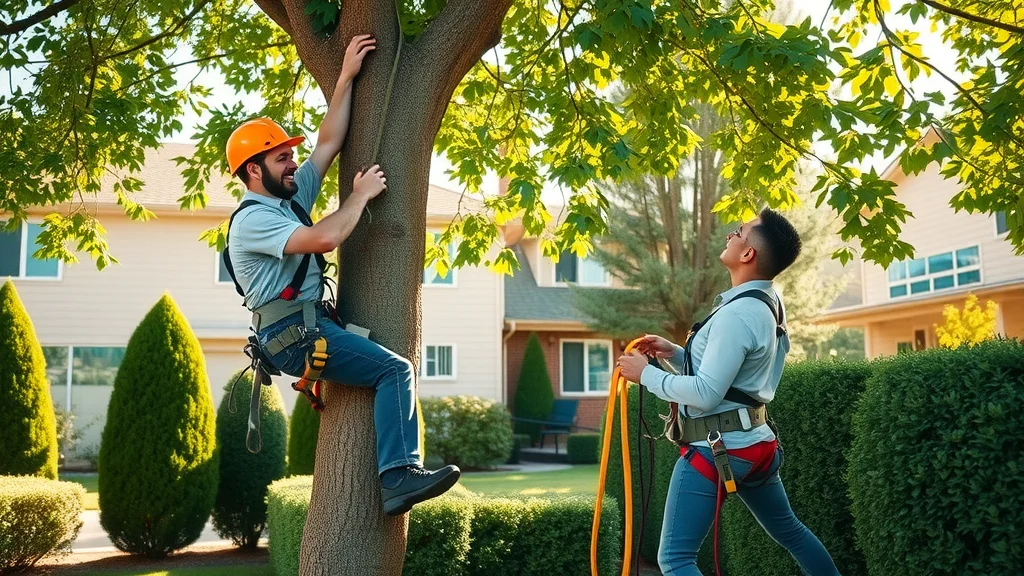
Tree Care Professional vs. Certified Arborist: Key Differences
It’s easy to confuse a tree care professional, a tree worker, and a certified arborist. While they all perform tree-related services, their training, expertise, and roles differ in crucial ways. A tree care professional may represent a tree care company offering general maintenance or removals but may lack rigorous, standardized training. By contrast, an ISA certified arborist must pass comprehensive exams, maintain continuing education, and adhere to a strict code of ethics set forth by the International Society of Arboriculture.
This distinction impacts the quality of care your trees receive. Certified arborists are trained to recognize disease issues, manage risk in the urban forest, and implement advanced methods that benefit both property owners and the local ecosystem. When hiring an arborist, credentials matter—always verify ISA certification to ensure you’re entrusting your trees to a true care professional, not just a general contractor.
As you evaluate potential tree care providers, understanding the nuances of insurance and liability is just as important as checking credentials. For a deeper look at how insurance claims and arborist reports intersect—especially in the wake of property damage—explore the insights in California’s new smoke claims task force and its impact on homeowners. This resource highlights the critical role of expert documentation in protecting your interests.
Why Hiring an Arborist is Essential for Your Urban Forest
Risks of DIY Tree Work: Protecting Your Landscape and Safety
Tackling tree work on your own might seem cost-effective, but it carries significant risks. Inexperienced removals, lack of proper equipment, and misunderstanding of tree biology can lead to large tree failures, property damage, or serious injury. DIY tree work is a leading cause of preventable accidents in residential neighborhoods, and insurance often won’t cover damages from unlicensed or improperly performed removals.
Even with smaller trees, the absence of professional assessment means you may miss early disease signs or structural weaknesses. Certified arborists and tree care professionals apply science-based techniques, ensuring that pruning or removals don’t compromise your landscape’s future. Remember, your urban forest is an investment—entrust its care to those who have the training, safety protocols, and insurance coverage to protect both your property and the natural resources within it.
Urban Forest Management & the Role of the ISA Certified Arborist
Urban forests—comprised of the trees and natural vegetation within a city or town—play a vital role in community wellbeing, stormwater control, and property value enhancement. Effective urban forest management hinges on the expertise of ISA certified arborists, who are trained to inventory tree populations, diagnose disease issues, and implement long-term care strategies.
ISA certified arborists don’t just perform tree work—they help shape city policy, consult on infrastructure projects, and advocate for sustainable green spaces. Whether you manage a commercial property or care for a single shade tree, collaborating with a credentialed professional ensures your landscape supports both aesthetic goals and environmental health, giving property owners peace of mind about their investment in urban nature.
| How to Hire an Arborist: Professional Type | Credentials & Certification | Typical Services | Best Use Case |
|---|---|---|---|
| Certified Arborist | ISA Certified, Ongoing Education | Tree diagnosis, pruning, removals, health assessments | General tree care, high-risk removals, best practices |
| Tree Care Company | Varies; may not have ISA certification | Trimming, emergency clean up, removals | Routine maintenance, cost-effective projects |
| Consulting Arborist | ISA Certified, American Society of Consulting Arborists | Expert reports, risk assessments, dispute mediation | Legal issues, real estate, city or HOA planning |
How to Hire an Arborist: Step-by-Step Guide
- Research local tree care professionals and consulting arborists.
- Verify ISA certification and membership in the International Society of Arboriculture.
- Evaluate credentials and past tree work experience.
- Request estimates and compare services.
- Ask about insurance and safety protocols.
- Check references and review customer feedback.
Questions to Ask When Hiring an Arborist or Tree Care Professional
Before you hire an arborist, arm yourself with the right questions to ensure you land a care professional who prioritizes safety, success, and satisfaction:
- Are you an ISA certified arborist? Can you provide documentation?
- Do you have proof of insurance (liability and worker’s comp) for all employees who will perform tree work?
- Can you provide recent references for similar projects in my area?
- What safety training and ongoing education do your team members receive?
- Will you provide a written estimate and detailed contract outlining services, timelines, and warranties?
- Do you follow best practices set by the International Society of Arboriculture and the American Society of Consulting Arborists?
Watch demo on verifying ISA credentials
Avoiding Common Mistakes When You Hire an Arborist
- Not verifying if the arborist is ISA certified
- Overlooking comprehensive insurance coverage
- Ignoring reviews and references
- Selecting based solely on the lowest price
"A certified arborist is more than a tree worker—they’re a care professional invested in your landscape’s health." – American Society of Consulting Arborists
Cost Considerations: How Much to Budget When Hiring an Arborist

Understanding Pricing Structures for Tree Work and Consulting Arborists
The cost of hiring an arborist can vary widely based on factors like job complexity, local rates, emergency response, and whether you hire a certified or consulting arborist. Tree care professionals often charge by the hour, by the job, or per tree—costs might increase for dangerous removals, extensive storm cleanup, or specialized consulting reports. Emergency tree work and hazardous removals often command premium fees due to increased risk and equipment needs.
Consulting arborists, meanwhile, may charge hourly or by project for site inspections, expert witness testimony, or detailed risk assessments. When comparing estimates, make sure to look beyond the bottom line; factor in their credentials, proof of insurance, written evaluations, and post-service care. Always request a detailed, itemized estimate and clarify who will perform the work—a certified arborist or a general tree care worker within the company.
| Service Type | Average Fee Range (USD) | Includes |
|---|---|---|
| General Tree Pruning/Trimming | $200 – $800/tree | Assessment, pruning, clean-up |
| Hazardous Tree Removal | $500 – $2,500/tree | Safety setup, removal, debris haul |
| Consulting Arborist Report | $150 – $400/hour or $500+/project | Site evaluation, written documentation |
| Emergency Storm Response | $350 – $1,500+ | Priority dispatch, risk mitigation, extra labor |
Certifications, Credentials, & Associations: What They Mean for Tree Care
What Does ISA Certified Arborist Signify?
An ISA Certified Arborist has demonstrated advanced knowledge and skills in all aspects of tree care by passing a rigorous examination developed by the International Society of Arboriculture. This distinction requires significant professional experience, adherence to a code of ethics, and ongoing education to stay current with the latest best practices, safety procedures, and scientific developments in arboriculture.
When searching for how to hire an arborist, prioritize those with visible ISA credentials. Certified arborists prove their commitment to continual improvement, property owners’ safety, and stewardship of the urban forest. This status also assures clients that the arborist is well-versed in regulations, safety training, and tree health management—far beyond what’s required of a typical tree worker.

International Society of Arboriculture & American Society of Consulting Arborists
The International Society of Arboriculture (ISA) and the American Society of Consulting Arborists (ASCA) are two leading professional organizations for tree care professionals. Membership and certification through these organizations set the standard for safety training, industry ethics, and technical expertise. The ISA provides certification for arborists globally, ensuring consistency in knowledge and service quality. Meanwhile, ASCA focuses on advanced consulting, offering training in legal testimony, report writing, and expert diagnosis of complex landscape issues.
If you’re facing a high-stakes situation—such as tree-related disputes, real estate development, or community urban forest planning—engaging a consulting arborist with ASCA membership adds another layer of credibility and technical guidance. Both organizations maintain searchable online directories, making it easier for property owners to find and hire an arborist with the right credentials for any project.
People Also Ask: Essential Arborist Hiring FAQs
How much do arborists charge?
The cost to hire an arborist typically ranges from $150 for basic consultations up to $2,500 or more for large tree removals or hazardous work. Factors include tree size, location, difficulty, emergency response, and whether you’re working with a consulting arborist or ISA certified tree care professional. Always request a detailed, written estimate to understand the full scope of services before hiring.
Is hiring an arborist worth it?
Yes—hiring an ISA certified arborist or a reputable tree care professional ensures your trees receive expert care, can prevent expensive mistakes, and reduces safety risks. Arborists are trained to diagnose issues, recommend the right solutions, and use proper safety protocols, which can save you money and heartache in the long run.
What is the best pay for an arborist?
Arborist salaries vary by region and specialization. Certified arborists often earn more—$40,000 to $70,000 per year—while consulting arborists can command higher fees for expert testimony and complex reports. The best pay reflects advanced certification, years of experience, and involvement with professional organizations such as the ISA and ASCA.
When should you hire an arborist?
You should hire an arborist whenever you notice dying branches, storm damage, signs of disease, or before major landscaping or construction. Regular assessment from a certified arborist can also prevent problems before they start, ensuring the continued health and beauty of your landscape.
Interview With an Experienced ISA Certified Arborist on Tree Work and Client TipsWatch the interview
FAQs: How to Hire an Arborist and Tree Care Professional
- What insurance should an arborist have? A reputable arborist must provide proof of general liability and worker’s compensation insurance to protect both you and their crew during tree work.
- How do I confirm an arborist’s credentials? Use the online verifier tools at the ISA website and request official documentation during your consultation.
- Can a tree care professional handle hazardous removals? Only if they have the proper training, insurance, and equipment. For dangerous jobs, always use an ISA certified arborist with demonstrated experience.
- What is a consulting arborist’s role during disputes? Consulting arborists provide unbiased assessments, formal reports, and expert testimony, making them invaluable in insurance or legal situations.
- How do I find an ISA certified arborist near me? Search the ISA database or ask your local extension educator for reputable recommendations.
Key Takeaways: Avoid Costly Mistakes When You Hire an Arborist
- Always confirm credentials, insurance, and references.
- Prioritize ISA certified arborists and reputable tree care professionals.
- Understand pricing, contracts, and post-service support.
Enhance Your Tree Care Expertise Today
Don’t leave your landscape to chance. Grow your landscaping expertise—call 203-271-7991 or visit TreeGuardianNews.com to subscribe and stay ahead on tree care best practices.
Tree care is an evolving field, and staying informed about broader homeowner protections can make a significant difference when unexpected events arise. If you’re interested in how coordinated efforts are shaping support for property owners—especially in the face of environmental challenges—discover how initiatives like the California Smoke Claims Task Force are providing vital resources and advocacy. Exploring these developments will help you anticipate future risks, understand your rights, and leverage expert guidance for both routine tree care and complex claims. Take your knowledge further and empower yourself to make the best decisions for your property and community.
When hiring an arborist, it’s crucial to ensure they are qualified and reputable to avoid costly mistakes. The Tree Care Industry Association offers a comprehensive guide titled “Hiring a Tree Care Company,” which outlines essential steps such as verifying credentials, checking for insurance, and understanding the scope of work. (treecareindustryassociation.org) Additionally, the Better Business Bureau provides a resource called “BBB Tip: How to hire a reputable arborist or tree service company,” emphasizing the importance of obtaining multiple estimates, signing detailed contracts, and being cautious of unsolicited offers. (bbb.org) By consulting these resources, you can make informed decisions and ensure the health and safety of your trees and property.


Write A Comment