









Devin Savoy’s Core View: Winter Tree Pruning Is Essential for Property Protection
Oftentimes, homeowners assume that arborists don't prune trees in the winter. Trees are just dormant then, but dormant pruning can minimize risk — especially with the added weight of snow and ice here in New England.
- Devin Savoy, CT Licensed Arborist, ISA TRAQ

Having an arborist assess your trees in winter is crucial because, without leaves, it's easier to see their structure and potential hazards in the wind.
- Devin Savoy, CT Licensed Arborist, ISA TRAQ
When it comes to winter tree pruning services, misconceptions abound. As Devin Savoy, a seasoned Arborist, clarifies, many believe that tree care stops cold when the temperature drops. In truth, winter is a prime opportunity for proactive property protection. Because winter tree care occurs while trees are dormant—especially in climates like New England—arborists can minimize risk from snow and ice, assess structural health with unprecedented clarity, and prepare your landscape to thrive when spring arrives.
According to Devin, “winter is the ideal time for an arborist to evaluate your property, mitigate seasonal hazards, and perform critical pruning that sets your trees up for long-term success. ” Homeowners and property managers who rely only on summer or fall maintenance miss out on the many protective and restorative advantages offered by expert winter services.
For those interested in maximizing the benefits of seasonal tree care, exploring the latest gardening trends for homeowners in 2025 can provide additional strategies to complement your winter pruning efforts and keep your landscape thriving year-round.
Why Winter Is the Optimal Season for Tree Pruning Services
Clear Visibility of Tree Structure Enhances Pruning Precision
A key advantage of winter tree pruning services is the unobstructed view arborists gain when trees shed their leaves. This clarity not only allows a better structural assessment but also makes hazardous branches easier to identify and remove. According to Devin Savoy, “when the trees don't have leaves, it's almost easier to see their structure in the wind. ” Dormant trees display their architecture, helping arborists plan precise cuts to improve both safety and aesthetics.
Pruning during dormancy is also less stressful for most species. With no active growth occurring, dormant pruning encourages faster healing once the growing season resumes. Studies confirm that cuts made in winter close rapidly in spring, reducing opportunities for pest or pathogen entry. In regions susceptible to oak wilt or Dutch elm disease, for example, winter pruning further minimizes the risk because these maladies typically spread through wounds made during warmer, insect-active months.
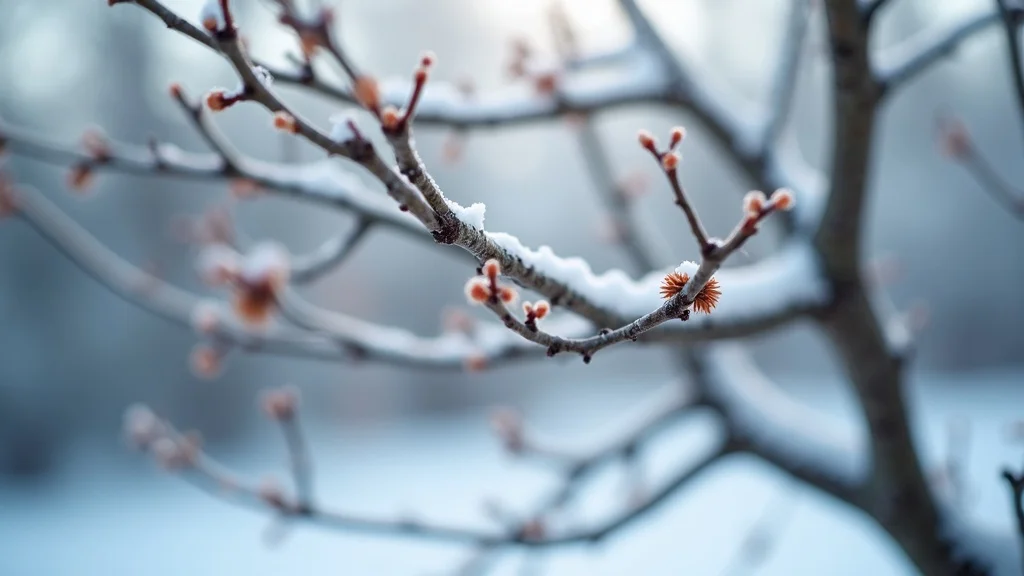
Dormant pruning stresses the tree less, allows faster wound healing in spring, and helps prevent diseases that spread in warmer months.
- Devin Savoy, CT Licensed Arborist, ISA TRAQ
Reduced Lawn Damage and Safer Arborist Access During Winter
Winter doesn't just benefit your trees—it also protects the landscape itself. As Devin Savoy notes, “in the winter, it may be easier for arborists to climb, or there could also be less damage to your lawn. ” When the ground is frozen, heavy equipment and foot traffic cause far less soil compaction and turf disruption. This is particularly crucial for clients who value a pristine yard or have delicate garden beds under the canopy.
Arborists also find winter an opportune time due to enhanced safety. Icy limbs are more predictable once the foliage is gone, and clear ground often means ladders, saws, and climbers can operate with improved stability. The result is a streamlined, safer workflow that benefits both property and professional.

Proactive Risk Management to Prevent Spring Hazards
One of the most significant benefits of winter tree pruning services is the ability to address risks before they escalate. As Devin explains, “taking out crossing and hazardous branches in the winter helps alleviate some issues in the spring as well. ” Heavy snows and winds can exploit weaknesses that go unnoticed when branches are leafed out. By tackling these concerns now, you can avoid dangerous breakage and costly emergency calls once severe weather hits.
According to industry best practices, proactive winter tree care includes removing deadwood, thinning crowded canopies, and preparing trees for adverse weather by strengthening their structure. In regions like the Northeast US, where winter storms are routine, these measures can make the difference between minor cleanup and major property damage.
Removal of dead, diseased, or weak branches
Reduction of crossing branches that cause damage
Thinning dense canopies for better airflow and light
Preemptive storm damage preparation

Choosing the Right Licensed Arborist for Winter Tree Pruning Services
The key takeaway is to find a licensed arborist who fits with your personality — someone knowledgeable who understands your property goals.
- Devin Savoy, CT Licensed Arborist, ISA TRAQ
The Value of Personalized Consultation During the Slower Winter Season
Winter’s slower pace gives homeowners and property managers a rare chance to engage deeply with their arborist. Devin Savoy highlights that “in the winter, tree companies are a little bit slower. So they may have more time to spend with you discussing options and risks. ” This means your trusted expert can conduct a thorough assessment, weigh your landscape goals, and recommend the winter tree pruning services that will provide maximum benefit over the long term.
Whether you’re managing a commercial property or a residential backyard, finding an arborist who listens and adapts to your vision is key. These conversations can drive better outcomes and build a relationship that supports your landscape all year round. According to Devin, “you want to work with somebody who's really knowledgeable and well-rounded, but also understands your goals and ideas for your own property. ”

Tips for Vetting and Selecting a Trusted Professional Arborist
Selecting the right partner for your winter tree pruning services isn’t just about credentials. It’s about trust, communication, and getting answers that matter for your property. Start by verifying your arborist’s licensing and insurance—these are non-negotiables. Next, check for ISA (International Society of Arboriculture) certification and seek recommendations specifically from neighbors with similar trees or properties.
Arrange an in-person consultation, assess their knowledge, and ensure they’re attentive to your concerns. Ask about their winter experience, past projects, and safety practices for the season. A reputable professional should not only provide transparent pricing and references but also demonstrate passion for their work—just as Devin Savoy brings, ensuring you feel confident and cared for through every winter season.
Key FAQs: What Homeowners and Property Managers Must Know About Winter Tree Pruning
Is dormant pruning safe for all tree species?
How does winter pruning affect tree health in spring?
Can winter pruning prevent storm damage effectively?
What are the signs that winter tree pruning is needed?
Summary: Invest in Professional Winter Tree Pruning Services to Safeguard Your Property
Winter pruning is a strategic, low-risk investment for healthier trees and reduced property hazards.
According to Devin Savoy, winter is far from a dormant season for your landscape. Taking proactive steps now with winter tree pruning services strengthens tree structure, limits storm risks, and sets the stage for dramatic improvement in spring. Homeowners and property managers who partner with skilled, licensed arborists secure both their property and peace of mind, reaping benefits for years to come.
Consult a local licensed arborist like Devin Savoy to tailor winter tree care plans that protect your landscape through harsh seasons.
The expert’s perspective is that finding the right professional ensures your investment yields health, safety, and lasting value. Don’t wait for spring surprises—invest in your trees’ future with expert care now.
Take Action: Secure Expert Winter Tree Pruning for Your Property Today
Ready to protect your property this winter? Reach out to a trusted, licensed arborist for a personalized consultation. Call 959-895-0110 today and take the first step toward a safer, healthier landscape.


Write A Comment