







Tree Guardian News
update
Tree Guardian News
update
  • Home
  • Categories
    • Storm Damage & Prevention
    • Tree Care Tips & Landscaping
    • Tree Disease Identification & Treatment
    • Insurance Intel
    • DIY Tree Care & Safety
    • Sustainable Tree Care & Eco Solutions
    • Professional Tree Services
    • Arborist Stories
    • Latest News
    • Industry Insights
Arborist Get Featured 
  • update
  • update
  • update
  • update
  • update
  • update
  • update
April 08.2025
2 Minutes Read

How Kioti's New Flow+ Technology Benefits Homeowners in Construction

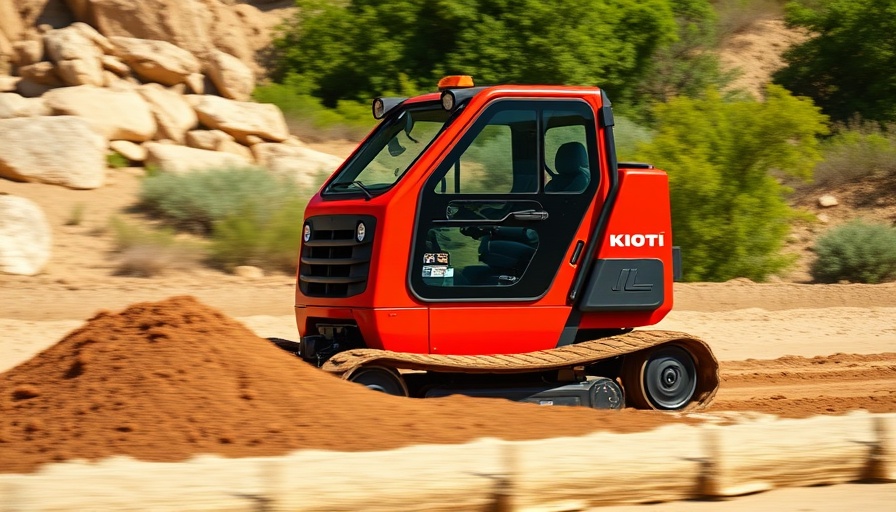
Kioti Flow+ technology compact construction equipment in action

Introducing Flow+ Technology: A Game-Changer for Homeowners

For homeowners looking to tackle medium-duty projects requiring serious power, Kioti Tractor has launched its innovative Flow+ technology for its construction equipment lineup, particularly in its compact track loaders and skid-steer loaders. This advancement is opening up exciting possibilities for DIY projects and landscaping improvements that demand robust performance.

Enhanced Performance Meets Efficiency

With Flow+, Kioti is addressing the need for hydraulic power in a way that doesn’t lead to unnecessary expenses. The compact track loader (TL750) and skid-steer loader (SL750) models now offer a hydraulic flow of 34.0 gpm, significantly higher than standard models without overwhelming power costs. The technology optimizes engine functionality, allowing homeowners to efficiently use various attachments, whether it's rotary cutters or trenchers, providing the versatility needed for different landscaping tasks.

Why Homeowners Should Care

This innovation extends beyond just the machines; it represents a shift in how homeowners can approach their projects. By providing higher hydraulic flow while reducing heat and wear on the machine, Flow+ ensures that equipment runs smoother over longer periods, which translates to better outcomes in time-sensitive projects. Imagine being able to switch attachments quickly and seamlessly while conserving fuel—this is precisely what Kioti is offering.

Cost-Effective Solutions for DIY Enthusiasts

As homeowners become increasingly involved in DIY projects, the practicality of owning equipment with Flow+ technology becomes evident. By bridging the gap between standard and high-flow systems, Kioti provides a cost-effective option that maximizes utility without the higher fuel consumption associated with conventional high-flow models. Homeowners can handle tougher jobs without the burden of excessive costs or equipment downtime.

Investing in the new Kioti equipment with Flow+ technology could fundamentally change how you approach your DIY landscaping and construction efforts. As you consider your next projects, think about the enhanced efficiency and versatility that this advancement brings to your toolkit.

Tree Care Tips & Landscaping

58 Views

Write A Comment

*
*
Please complete the captcha to submit your comment.
Related Posts All Posts
06.03.2026

Transform Your Gardening Experience with Ergonomic Tools That Prevent Strain

Update The Importance of Ergonomic Gardening Tools Gardening can be a delightful pursuit, but for many homeowners, spending extended hours digging, weeding, and planting can lead to physical discomfort. This challenge often deters new gardeners or discourages seasoned enthusiasts from enjoying their hobby. The solution? Ergonomic gardening tools. These specially designed tools not only enhance comfort but also improve efficiency in your gardening tasks. By reducing strain on your body, they pave the way for longer, more enjoyable gardening sessions. Understanding Ergonomic Garden Tools Ergonomic gardening tools minimize stress on your joints and muscles, allowing for extended use without discomfort. For instance, ergonomic hand tools feature cushioned, contoured grips that fit naturally in your hands, reducing the likelihood of developing repetitive strain injuries. As noted by ECOgardener, specific types of ergonomic tools, such as pruners with ratcheting mechanisms, reduce the physical effort required and consequently limit fatigue during intensive tasks. Top Ergonomic Tools Every Gardener Should Consider Investing in ergonomic tools can significantly enhance your gardening experience. Here are some recommended items: Garden Kneelers: A cushioned kneeler provides support while tending to low plants, which can be flipped for comfortable seating during breaks. Stand Up Weed Puller: This long-handled tool allows users to stand while weeding, eliminating the need to bend over and risk back strain. Power Pruners: These battery-operated tools make pruning less taxing on the hands, providing a smooth cut with less effort, ideal for those with joint pain. Durable Gardening Gloves: Protect your hands from injuries while enhancing grip, making it easier to handle tools. Yard Clean-Up Caddy: This wheeled caddy allows you to transport debris without the need to bend excessively or drag heavy bags. Choosing the Right Tools for Your Garden When selecting ergonomic tools, consider your specific gardening tasks. Whether you're primarily handling containers, raised beds, or traditional gardens will influence your choices. The tools' weights, grips, and adjustability should align with the type of gardening you do. High-quality materials and proven brands, such as those highlighted in Gardening Know How, assure durability and effectiveness in the garden. Conclusion Gardening should be a source of relaxation and joy, not discomfort. By investing in ergonomic gardening tools, you'll reduce physical strain and enhance your time spent cultivating plants. Whether you're a veteran gardener or just starting, these tools will help you get more done while keeping you comfortable.

06.02.2026

Creating Your Own Tranquil Woodland Garden: Expert Tips Inside

Update Discovering the Magic of Woodland Gardens Steve’s journey of creating his Atlanta woodland garden is a testament to the beauty and tranquility that nature can offer in urban settings. As more homeowners look to merge their living spaces with the outdoors, the allure of woodland gardens emerges—providing a peaceful retreat filled with native plants and wildlife. Why Choose a Woodland Landscape? Woodland landscapes resonate with homeowners for several reasons. They invite a sense of harmony with nature, requiring less maintenance compared to traditional gardens. According to experts from Atlanta Turf & Tree, a successful woodland garden design starts by assessing the light conditions, soil quality, and moisture levels. This aligns with Steve’s approach, focusing on utilizing the native flora that thrives under Georgia's unique climate. Plan Your Space Wisely Steve emphasizes the importance of planning as he transforms his backyard. He notes that the existing trees define how he lays out garden beds and paths. This insight echoes the guidance provided in Woodland Landscape Design and Tips for Georgia, where the significance of using curves instead of straight lines in pathways enhances the natural aesthetic. This method not only fosters a whimsical feel but also respects the organic layout of the landscape. Building a Wildlife-Friendly Environment Creating spaces that attract birds, butterflies, and beneficial insects is another crucial aspect. Homeowners can encourage wildlife by adding native plants that provide food and nesting opportunities. In the early stages of his garden, Steve plans to plant berry-producing shrubs, which serve as a food source for local fauna. This thoughtful, eco-friendly approach reflects the best practices highlighted in both reference articles, ensuring that the garden is not just beautiful but also sustainable and lively. Challenges and Considerations Despite the beauty that wooded gardens promise, challenges are inherent in their maintenance, including managing invasive species and ensuring proper drainage. Homeowners must be prepared to adjust their strategies and embrace the wildness that these settings bring. Learning from Steve's experience, a commitment to understanding the local ecosystem allows you to create a landscape that feels genuine and flourishing. Conclusion: Your Woodland Adventure Awaits Steve's Atlanta woodland garden represents a rich blend of creativity, conservation, and cultivation. As garden enthusiasts, you have the opportunity to dive into this rewarding project, enriching your own living spaces and fostering connections with the local environment. Start your journey today by exploring what your own woodland space can become!

06.01.2026

Unlock the Secrets to Growing Cold-Hardy Cacti in New Mexico

Update Discover the Joy of Cold-Hardy Cacti in Your GardenIn the sun-soaked landscapes of New Mexico, Karen's passion for cacti exemplifies the beauty and resilience of these unique plants. Known for their stunning colors and shapes, cacti not only thrive in arid climates but also offer an ideal choice for homeowners looking to cultivate low-maintenance gardens. With the right care, cold-hardy cacti can withstand not only summer heat but also winter chills, making them a wonderful addition to any garden.Understanding Cacti: More Than Just Desert PlantsWhile many people associate cacti with the dry desert, it's a common misconception that these plants cannot thrive in varying climates. Cold-hardy cacti, in particular, have adapted to survive in regions with lower temperatures, making them perfect for homeowners in areas like Northern New Mexico. For example, the Echinocereus triglochidiatus, also known as the Claret Cup Cactus, is renowned for its hardiness and striking flowers, making it a captivating centerpiece in any garden.Creating a Beautiful Cacti GardenDesigning a garden with cacti requires incorporating principles of good garden design. One effective technique is to plant clusters of the same species in groups of three to five. This not only enhances the visual appeal but also establishes a cohesive look that can stand against the typically harsher elements. When considering placement, seek areas with full sun exposure, ideally with some protection from strong winds. Integrating other hardy plants can enhance biodiversity, which benefits local wildlife.Best Practices for Caring for Your CactiCaring for cacti is relatively straightforward, but attention to detail is vital. Soil preparation is crucial; cacti prefer well-draining soils composed of sand and gravel rather than nutrient-rich layers that hold moisture. Regular watering is necessary during hot summer months, but it’s best to err on the side of dryness to prevent root rot. As summer ends, homeowners should prepare their cacti for winter by reducing watering to allow them to acclimate naturally.Harnessing the Beauty of Cacti Year-RoundCacti are more than just summer residents in your garden. With proper planning, the shape and colors of these resilient plants can add visual interest throughout the seasons. Consider adding companion plants or creating microclimates in your garden to extend the variety of your plant palette. A well-designed cacti garden not just beautifies your space but serves as a versatile environment for local wildlife throughout the year.ConclusionAs the interest in sustainable and resilient gardening grows, cacti become a fantastic focus for many homeowners. Their ability to thrive in harsh conditions fascinates not only seasoned gardeners but also beginners eager to cultivate an eco-friendly garden. Whether you're in New Mexico or beyond, consider bringing cold-hardy cacti into your landscaping for a visually stimulating and sustainable gardening experience.

Terms of Service

Privacy Policy

Core Modal Title

Sorry, no results found

You Might Find These Articles Interesting

T
Please Check Your Email
We Will Be Following Up Shortly
*
*
*