







Add Row
Add Element
Tree Guardian News
update
Tree Guardian News
update
Add Element
  • Home
  • Categories
    • Storm Shield
    • Roots & Routes
    • Disease Detective
    • Insurance Intel
    • DIY Arborist
    • Futureproof Foliage
    • Pro-Partner Spotlight
    • Arborist Stories
    • Tree Care Blog
    • Tree Guardian News Blog
SUBSCRIBE TO NEWSLETTER 
  • update
  • update
  • update
  • update
  • update
  • update
  • update
December 12.2025
1 Minute Read

Hiring an Arborist? Avoid These Common Pitfalls Now

Did you know? Improper tree work causes nearly $1 billion in property damage every year in the U.S. alone. Hiring an arborist may seem straightforward, but your choice can impact your trees, safety, and investment for years. This comprehensive guide reveals expert strategies to confidently hire a professional arborist, sidestep costly mistakes, and ensure the long-term health and safety of your trees.

Eye-Opening Facts: Why Choosing the Right Professional Arborist Matters

Trees in your yard do more than enhance curb appeal—they help manage stormwater, enrich home landscapes, and can even boost property values. However, poor tree care from an untrained or uncertified care professional not only undermines these benefits but can also expose property owners to serious risks, such as property damage, personal injury, or unhealthy tree loss. That’s why hiring an arborist—specifically one with credible certifications and proven expertise—is crucial for responsible tree care.

The difference between an amateur and a certified arborist is significant. Arborists are trained to diagnose tree health issues, recommend appropriate tree care techniques, and safely perform tree work, including large tree pruning and tree removal. Their understanding of local tree species and eco-friendly practices safeguards your landscape and natural resources. With so much at stake, being informed and cautious when hiring a tree care company isn’t just wise—it’s necessary for responsible property management.
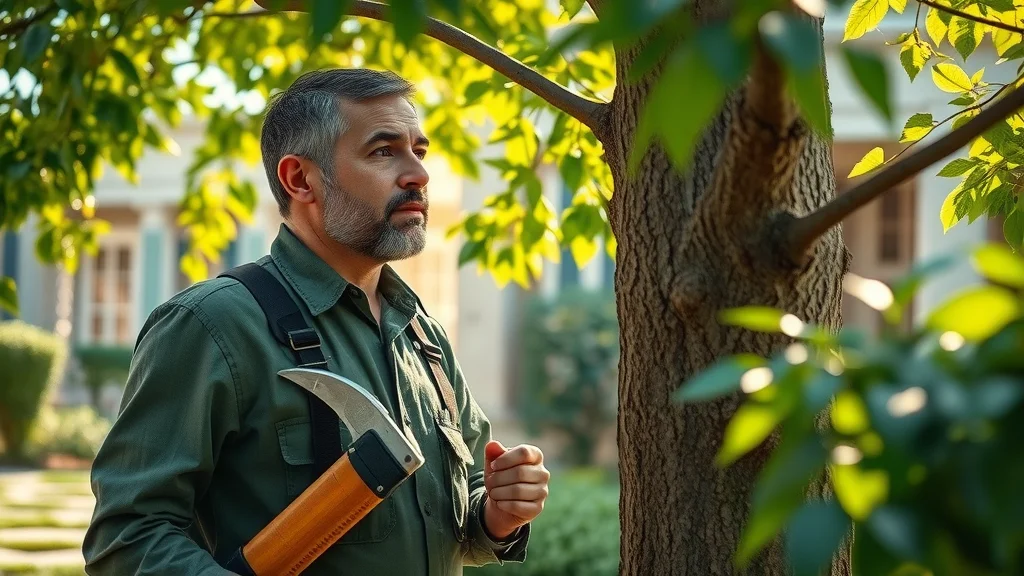
Professional arborist inspecting a mature tree in a residential garden, examining bark and branches with arborist tools and sunlight filtering through leaves
    What You'll Learn:
  • How to identify reliable care professionals when hiring an arborist
  • Common mistakes to avoid before, during, and after tree care
  • The role of industry credentials, such as those from the International Society of Arboriculture
  • Expert tips for effective communication with consulting arborists and care professionals
  • Key questions to ask your potential professional arborist

Understanding the Importance of Hiring an Arborist for Tree Care

The health of your property’s mature trees often depends on decisions you make when hiring an arborist. Quality tree care supports your yard’s ecosystem and guards against unnecessary expenses, while poor tree work can result in unpredictable damage. Certified tree professionals use science-backed techniques and administer tree care with safety, sustainability, and aesthetics in mind. For these reasons, understanding what professional arborists really do, and the importance of hiring ISA certified arborists, will empower you to choose wisely and maintain a flourishing landscape.

Beyond performing routine tree service, a professional arborist assesses tree health, develops care plans, and responds to emergencies such as storm damage or disease outbreaks. Accredited certifications, like those from the International Society of Arboriculture or American Society of Consulting Arborists, signal a commitment to industry standards, ongoing education, and ethical business practices—essentials for safe, reliable tree work.

When evaluating potential tree care providers, it’s helpful to understand the broader impact a qualified arborist can have on your landscape’s vitality. For a deeper look at how professional expertise directly contributes to healthier, longer-living trees, explore why hiring an arborist ensures your trees thrive and discover the science behind expert tree care.

What Does a Consulting Arborist Do? Roles and Qualifications

Consulting arborists provide more than hands-on services. As tree care professionals with advanced credentials, they perform detailed assessments, draft formal reports, help resolve disputes, and serve as expert witnesses in legal cases. Their training covers risk assessment, disease diagnosis, proper pruning, and effective communication with property owners. Many consulting arborists maintain memberships in the Society of Consulting Arborists, a mark of distinction that sets them apart from general care professionals.

To ensure you are working with a true professional, always check for relevant certifications, experience, and affiliations. Many reputable arborists will prominently display their International Society of Arboriculture or American Society credentials, as these indicate a strong understanding of both the science and art of modern tree care. Experience is equally important, as seasoned care professionals are more likely to recognize complicated issues with mature trees and recommend safe, effective solutions.

    Credential Checks for Consulting Arborists
  • International Society of Arboriculture certification
  • Membership in the Society of Consulting Arborists
  • Years of experience as a care professional
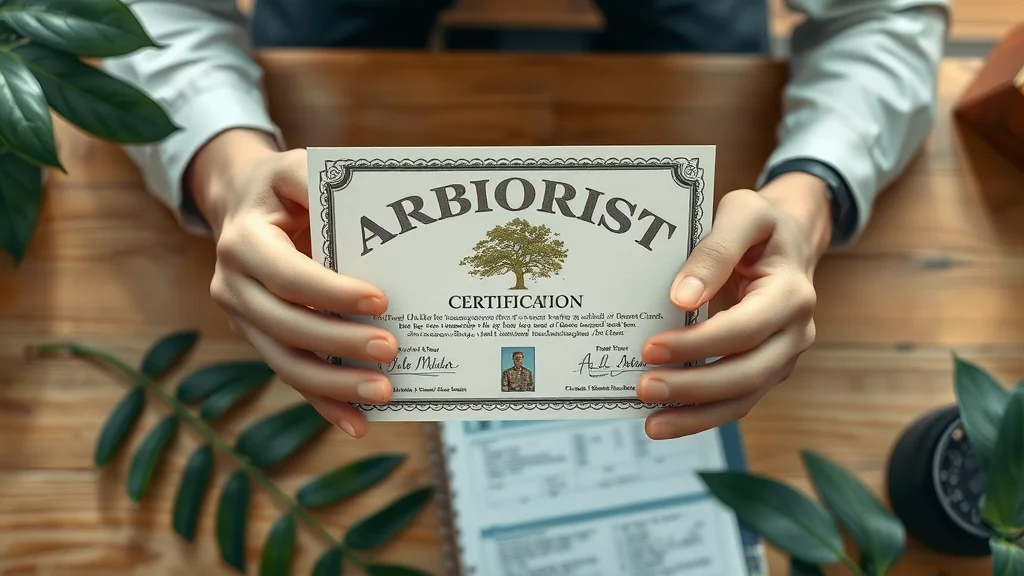
Close-up of official arborist certification badge held by confident hands, displaying certification details and ID on a clean wooden desk
Comparison Table: Professional Arborist Certifications & Their Reputations
Certification Body Recognized Level Key Advantages
International Society of Arboriculture Industry Standard Comprehensive knowledge
American Society of Consulting Arborists High Extensive consulting skills
Society of Arboriculture Moderate Specialized in local care

7 Mistakes to Avoid When Hiring an Arborist

Many property owners rush into hiring a tree care company without proper due diligence. Failing to verify an arborist’s credentials, skipping insurance checks, or choosing based solely on the lowest estimate can lead to disappointing results—or even expensive disasters. Here are the most common mistakes to steer clear of when seeking a care professional, based on industry expertise and real-world cases.

Consulting arborists and certified care professionals consistently warn that improper tree work can scar or even kill healthy trees, jeopardize personal safety, and trigger avoidable liability issues. An ISA certified arborist, by contrast, will provide proper documentation, transparent contracts, and responsible recommendations tailored for your landscape.

  1. Overlooking Care Professional Credentials
  2. Ignoring Insurance and Liability
  3. Failing to Request References
  4. Neglecting to Get a Written Estimate
  5. Choosing Based Solely on Cost
  6. Forgetting to Check Tree Care Techniques
  7. Skipping Consultation with a Consulting Arborist
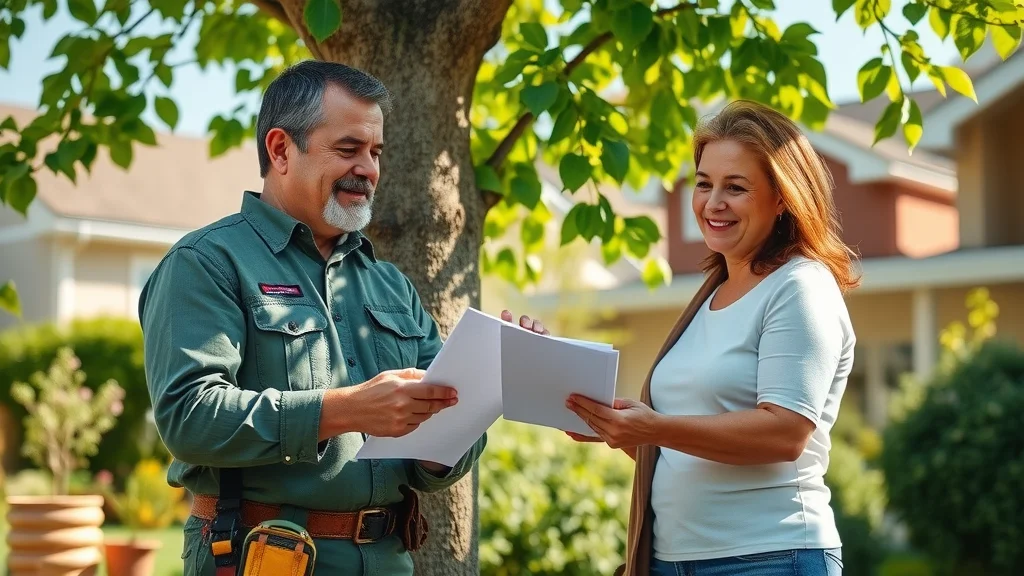
Homeowner consulting with arborist, both displaying warm, friendly expressions, standing near a leafy tree with a clipboard and safety equipment
"A certified professional arborist ensures not just the safety of your trees, but also your property and family." – International Society of Arboriculture

Red Flags When Interviewing Consulting Arborists for Tree Care

Spotting warning signs early saves stress and money. An unprofessional arborist may demonstrate poor communication, lack proof of insurance, or dismiss your questions about certifications. They may also pressure you for immediate commitment or lack clear answers about the best tree care techniques. Reliable consulting arborists, on the other hand, are transparent about their expertise, share references, and offer detailed explanations of how they’ll perform tree work based on your property’s unique needs.

Be wary of any care professional unable or unwilling to put recommendations in writing, or those who appear rushed or make sweeping guarantees. Members of the International Society of Arboriculture or the Society of Consulting Arborists will typically maintain high standards in both client interaction and hands-on tree service. Always trust your instincts—professional appearance, demeanor, and respect for safety protocols are hallmarks of a qualified consulting arborist.
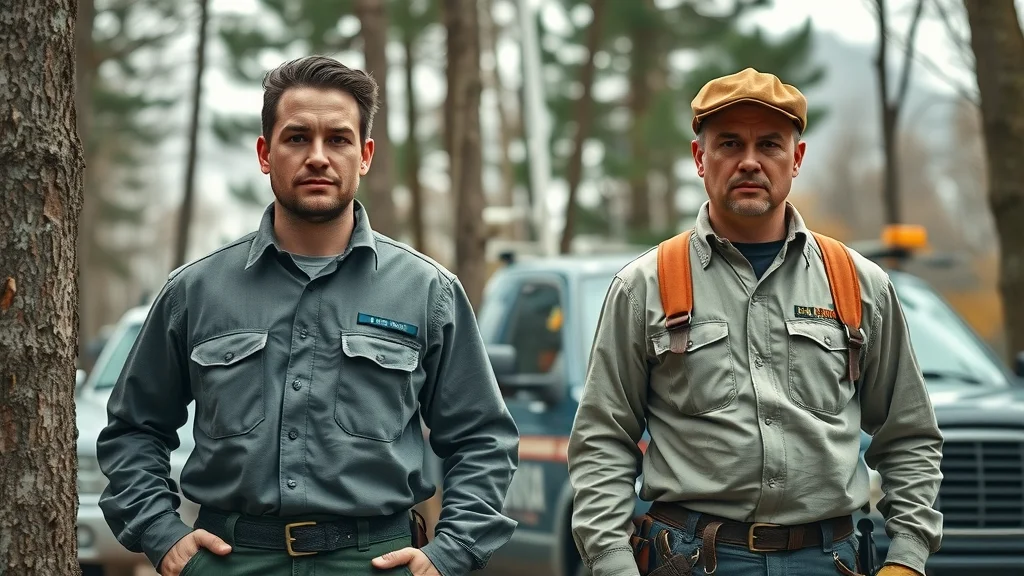
Two arborists, one appearing confident and professional, the other unsure and disheveled, standing among trees and work vehicles showing visible difference in uniform and equipment

People Also Ask About Hiring an Arborist

Is hiring an arborist worth it?

Hiring an arborist is often worth it for complex tree care tasks requiring certified care professionals. Arborists offer specialized knowledge, ensuring healthy tree management and safety—outweighing the risks and costs of improper or amateur work.

When should you hire an arborist?

You should hire an arborist when you notice disease symptoms, hazardous branches, after storms, or for any large-scale planting or removal task. Consulting arborists and other care professionals can advise on the best timing and approach for tree care.

How much does it cost to get an arborist out?

The cost of hiring an arborist varies by service, location, and tree size, typically ranging from $150 to $800. Always obtain multiple estimates from consulting arborists and check their credentials through the International Society of Arboriculture or related bodies.

FAQs About Hiring an Arborist and Tree Care Professionals

  • How do you verify a professional arborist’s credentials?
    Always ask to see current certification cards—ideally from the International Society of Arboriculture—or membership documentation from the Society of Consulting Arborists. Many professionals also appear on official organization websites or offer references to validate their status.
  • What is the difference between a consulting arborist and a field care professional?
    Consulting arborists provide expert advice, documentation, and reporting, often supporting legal cases or complex diagnostics. Field care professionals focus on hands-on tasks like pruning, removal, and general maintenance, working under recommendations made by consulting arborists.
  • What organizations certify arborists and consulting arborists?
    Leading bodies include the International Society of Arboriculture, American Society of Consulting Arborists, and Society of Arboriculture. Each organization emphasizes ongoing education, safety, and adherence to best industry practices.
  • Should you sign a contract when hiring an arborist?
    Absolutely. A written agreement protects both you and the care professional, spelling out the tree service scope, costs, insurance, and safety protocols. Never proceed without a signed, detailed contract in place.
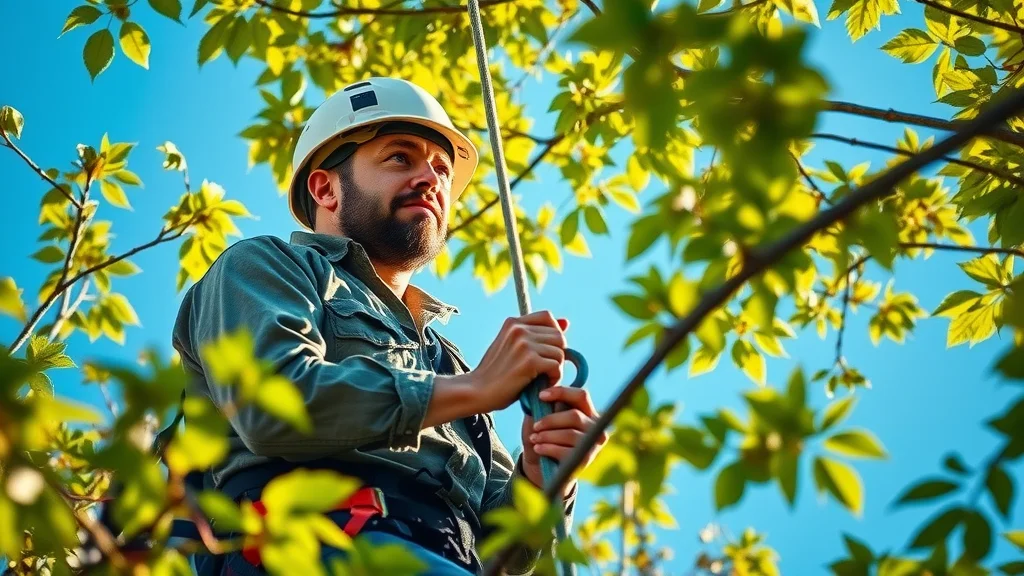
Arborist working high in a tree canopy, calm and focused while using safety harness and rope for pruning, with leafy branches and vivid blue sky

Key Takeaways for Hiring an Arborist with Confidence

    The Do’s of Hiring a Professional Arborist
  • Always request proof of insurance and certification
  • Seek advice from international society members
  • Compare estimates and services, not just prices
  • Insist on clear, written agreements for all tree care

Ready to Grow Your Landscaping Expertise?

Investing the time to hire the right professional arborist will reward you with safer trees, protected property value, and peace of mind. For more expert tips and in-depth resources, take your knowledge further!

Grow your landscaping expertise—call 203-271-7991 or visit TreeGuardianNews.com to subscribe.

Conclusion: Hire smart, check certifications, and trust only reputable arborists—your trees and property deserve the best care.

If you’re ready to take your tree care knowledge to the next level, don’t stop here. Understanding the pitfalls of hiring an arborist is just the beginning—discover how a skilled professional can transform your landscape and ensure your trees truly flourish. For a comprehensive perspective on the long-term benefits and science-backed results of expert tree care, visit why hiring an arborist ensures your trees thrive. Unlock advanced insights and empower yourself to make the best decisions for your property’s natural assets.

When hiring an arborist, it’s crucial to select a qualified professional to ensure the health and safety of your trees and property. The International Society of Arboriculture (ISA) is a globally recognized organization that certifies arborists, demonstrating their commitment to industry standards and ongoing education. To find a certified arborist in your area, you can use the ISA’s Find an Arborist tool.

Additionally, the Tree Care Industry Association (TCIA) offers an accreditation program for tree care companies, ensuring they meet stringent criteria for professionalism, employee training, and customer satisfaction. Hiring a TCIA-accredited company provides assurance of quality service. You can search for accredited companies through the TCIA’s Find Qualified Tree Care page.

By consulting these resources, you can confidently select a reputable arborist who will provide expert care for your trees.

Tree Care Blog

25 Views

Write A Comment

*
*
Related Posts All Posts
02.20.2026

Understanding Stump Grinding Services: Safe and Affordable Tree Care

Update SEO Keyword: Stump Grinding Services When it comes to maintaining a safe and beautiful yard, stump grinding services are often overlooked. After a tree is cut down, many homeowners think the hard work is done. However, what's left behind – the stump – can become a significant problem over time. Not only can a stump look unsightly, but it can also invite pest infestations, create safety hazards, and complicate gardening plans. Why Stump Grinding is Essential for Homeowners Many people may not realize that old stumps can attract unwanted insects like termites and beetles. These pests can quickly spread to nearby wooden structures, including your home. By addressing the issue early with professional stump grinding services, you can protect your property from infestations and ensure the safety of your family. The Danger of Leaving a Stump in Your Yard A stump is more than an eyesore; it poses a real danger, especially to children at play. It can easily become a tripping hazard. Additionally, mowing the lawn around it can be cumbersome, increasing the risk of damaging your mower if you accidentally hit it. Stump grinding services eliminate these hazards and redefine your yard's safety. How Stump Grinding Works Stump grinding differs from complete stump removal; it grinds the stump down below ground level without disturbing the surrounding landscape. Specialized machinery breaks the wood into small chips while leaving the roots intact underground. This minimizes disruption to your lawn, allowing your yard to recover more quickly. And if it's done right after the tree removal, you can keep your project on schedule! The Cost-Effective Solution Many homeowners are surprised to find that stump grinding services are generally more affordable compared to complete stump removal. Most professionals charge based on the stump's diameter and accessibility. Also, while DIY options exist, renting a stump grinder without experience can lead to safety risks and potential damage to your property. Timing Matters The best time to opt for stump grinding is right after the tree has been cut down. However, it’s worth noting that it’s never too late to handle a leftover stump! Many people realize the importance of stump removal only when they start new landscaping projects. By then, the stump can become a glaring issue that’s hard to ignore. The Takeaway: Safe, Affordable, and Effective For homeowners looking to keep their yards clean and safe, stump grinding services provide an essential solution. Not only does it safeguard the aesthetics of your home, but it also prevents insect infestations and safety hazards. Whether you're planning to maintain your lawn or thinking about new landscaping, stump grinding is a vital step in ensuring a beautiful and safe outdoor space.

02.20.2026

Critical Need for Tree Risk Assessment Services in Colleyville, TX

Update Understanding Tree Risk Assessment in Colleyville, TXThe importance of tree risk assessment cannot be understated, especially in high-traffic areas like public parks in Colleyville, Texas. A recent evaluation of a mature Texas Ash (Fraxinus texensis) revealed several structural weaknesses that could put pedestrians, especially children, at risk. Conducted according to the International Society of Arboriculture (ISA) Tree Risk Assessment Qualification (TRAQ) methodology and ANSI A300 standards, this assessment uncovers potential hazards before they result in serious accidents.The specific tree examined had a significant basal wound measuring about six feet by two feet, which is a major point of concern. Utilizing the CODIT (Compartmentalization of Decay in Trees) principles, it became evident that the tree’s defensive walls had largely failed, allowing decay to spread rapidly. This demonstrates a critical lesson: just because a tree appears healthy externally does not mean it is safe internally.The Serious Risks and ConsequencesThis assessment indicated a moderate to high likelihood of failure combined with severe consequences. With a noted lean of approximately 30 degrees, the tree posed a notable danger, primarily due to the heavy pedestrian traffic in the park. Should the tree fail, serious outcomes such as bodily injury, property damage, and potentially fatal accidents could occur.Moreover, a second significant defect was identified at the scaffold branch union, showing signs of structural compromise likely due to windstorm damage or a lightning strike. The resulting torsional stress on this weak point could lead to catastrophic failure, reinforcing the urgency of regular tree evaluations in public spaces.Proactive Measures: Why Tree Risk Assessments Are EssentialTree risk assessments are not just preventative measures; they are vital for maintaining safety in communal environments. With Texas Ash trees becoming more common, especially in areas prone to soil shifts and severe storms, proactive evaluations can help mitigate risks before they escalate into serious issues. These assessments can reveal hidden dangers — like internal decay that goes unnoticed until it’s too late.Furthermore, for homeowners and property managers, these evaluations provide invaluable insights into tree health that enable informed decisions about necessary interventions. Recommendations may include pruning, bracing, or in severe cases, even removal of trees that pose a risk.Final Recommendations for Tree CareGiven the serious structural deficiencies identified in this Texas Ash, the expert recommendation is clear: removal of the tree is imperative to eliminate risks and liability concerns associated with public safety. Following the recommendation entails cutting the tree down to ground level, grinding the stump, and ensuring all protruding roots are addressed.This approach aligns with ISA best management practices and reflects a long-term commitment to maintaining safe public environments. The focus here is on the fine balance between preserving nature and ensuring the safety of the community.Your Role in Tree SafetyAs community members, it is essential to recognize the role we all play in tree safety. Be proactive and consider scheduling tree risk assessments regularly, especially after severe weather events. Becoming informed about tree care and maintenance can safeguard not just personal property but also public spaces. With services like those offered by certified arborists, maintaining safe and healthy trees is within reach!For residents in Colleyville seeking to understand more about tree care or to schedule a professional assessment, reach out to a certified arborist today. Proactive tree assessments will enhance safety and prolong the health and vitality of trees in your neighborhood.]]>

02.19.2026

Essential Care Tips for Healthy Southern Magnolias in Fort Worth

Update Understanding Southern Magnolias and Their Needs Southern magnolias (Magnolia grandiflora) are stunning broadleaf evergreens native to the southeastern U.S. They thrive in places like Fort Worth, Texas, but managing their care requires an understanding of their unique biology. Southern magnolias develop shallow, fibrous roots that are sensitive to their environment, making it crucial to protect these roots from stressors like compacted soil, intense heat, and harsh chemicals. Why Exposed Roots Are Problematic Exposed roots can lead to significant issues for southern magnolias. These roots depend on stable soil moisture and temperature. When they are exposed to direct sunlight, particularly from the afternoon sun, they can dry out. This desiccation makes it difficult for the tree to breathe and absorb necessary nutrients. Over time, this can weaken the tree, leading to decline and increased vulnerability to pests and diseases. Effective Mulching Practices To help prevent issues with exposed roots, proper mulching is essential. Experts recommend a 2–3 inch layer of organic mulch placed over the root zone while keeping a distance of at least 12 inches from the trunk to ensure air circulation. This practice provides numerous benefits: It helps moderate soil temperature. It retains moisture in the soil. It protects roots from sunlight and trauma. It encourages beneficial microbial life that aids plant health. However, avoid piling mulch against the trunk as it can cause decay conditions. The Impact of Freezing Weather The freeze event in February 2021 was a wake-up call for many tree owners in North Texas, including those with southern magnolias. Many trees suffered damage due to prolonged freezing temperatures. Fortunately, with the right care strategies, these trees can recover well. For instance, using amendments like dried molasses can enhance soil quality and help promote root regeneration without over-stimulating growth. Avoiding Herbicides: A Smart Choice One of the most critical aspects of maintaining magnolia health is being cautious with herbicides. Southern magnolias are particularly sensitive to glyphosate-based products, which can lead to root damage and long-term decline. Instead, focus on mechanical weed control methods and mulching to manage weeds effectively without risking the health of your magnolias. Monitoring Soil pH for Ongoing Health Soil pH can dramatically influence the health of southern magnolias. Improper pH levels can hamper the absorption of essential nutrients, which may, in turn, heighten the risk of diseases like anthracnose. Regular soil testing is an invaluable tool to ensure your magnolias receive balanced nutrition and remain disease-resistant. Professional Arborist Support for Magnolia Care For those looking to ensure the long-term health of their southern magnolias, consulting with a certified arborist is a wise decision. An arborist can help assess the condition of your trees and recommend comprehensive care strategies that include soil management, mulching practices, and natural fertilization techniques. If you're in Fort Worth and seeking expert guidance, reliable services are just a phone call away. Conclusion: Keep Your Magnolia Thriving Southern magnolias can flourish in Fort Worth with proper care. Focus on protecting their root systems, managing moisture, avoiding harmful chemicals, and monitoring soil health. For further assistance in tree care, don't hesitate to schedule an inspection with a local expert. Early detection and supportive care can be the difference between a thriving magnolia and one in distress.

Terms of Service

Privacy Policy

Core Modal Title

Sorry, no results found

You Might Find These Articles Interesting

T
Please Check Your Email
We Will Be Following Up Shortly
*
*
*