









Did you know that unpredictable spring weather can cause up to 30% of tree damage annually in urban areas? Understanding the spring weather impact on trees is crucial for every homeowner wishing to protect their leafy investments. As the season shifts from harsh winter to warmer days, trees face a critical renewal phase but also confront numerous environmental challenges.

In this article, Clear Choice Tree Service Certified Arborist owner Douglas Kantrowitz shares his expert insights into how spring weather affects tree health and offers practical advice for homeowners, helping you proactively maintain vibrant, safe trees in your yard.
For Doug, good tree care starts long before there’s a fallen limb or an emergency call. He wants homeowners to slow down, “look up,” and notice their trees before problems become dangerous or expensive. That mindset is captured in what he calls the 5‑15‑90 rule—a simple way of understanding how few people are actually thinking about their trees at any given moment:
“In tree care, the 5‑15‑90 rule means only 5% of homeowners are ready to act right now, 15% know they should, and 90% aren’t thinking about their trees at all. Our job is to help people move from not noticing to taking smart, preventive action.” - Douglas Kantrowitz
Overview of Spring Weather Impact on Trees and Signs of Spring
Definition and importance of spring weather's impact on trees
Common signs of spring in trees and shrubs
How cold temperature fluctuations affect tree health
The spring weather impact on trees refers to the range of environmental changes typical of early to mid-spring that affect tree physiology and health. This period is characterized by fluctuating temperatures, thawing snow and ice, and increased moisture levels. These changes are pivotal as trees exit dormancy and begin important processes such as bud break, leaf emergence, and root system reactivation.
Identifying the earliest signs of spring in your trees and shrubs is a crucial step in understanding their health status. Homeowners typically notice fresh buds swelling, new leaves beginning to unfurl, and early blossoms appearing on native tree species. These indicators signal the tree’s transition towards an active growth phase, but also highlight a period of vulnerability, especially when sudden cold snaps or late frost occur.
Douglas Kantrowitz, Certified Arborist Owner of Clear Choice Tree Service, explains, "Spring is a time of renewal for trees, but it also brings challenges that homeowners must be aware of to maintain tree health and safety. " He emphasizes that understanding these springtime effects can help homeowners take timely actions to safeguard their trees against damage.
Recognizing Signs of Spring in Your Trees and Shrubs

Early spring reveals itself through multiple subtle yet significant changes in trees and shrubs. Buds begin to swell and crack, the branches show a gradual green hue from emerging leaves, and flowers may start blooming, signaling the awakening life. Monitoring these changes provides critical information about a plant’s recovery from winter stresses and helps forecast care needs for the coming growing season.
For homeowners in the New York area, observing these visual cues often coincides with noticing the return of small birds and insects, which thrive around the fresh foliage and blooms. This natural activity also supports local ecosystems and signals that spring’s warmer and wetter patterns are underway – all factors influenced by the season’s weather patterns.
While spring weather is a major factor in tree health, it’s also important to recognize how broader environmental changes can influence the plants and insects in your landscape. For example, recent research on how Bt corn affects corn earworm moths’ wing shape and migration highlights the interconnectedness of agricultural practices, pest populations, and the overall health of your garden ecosystem.
Effects of Cold Temperature and Extreme Temperatures on Trees
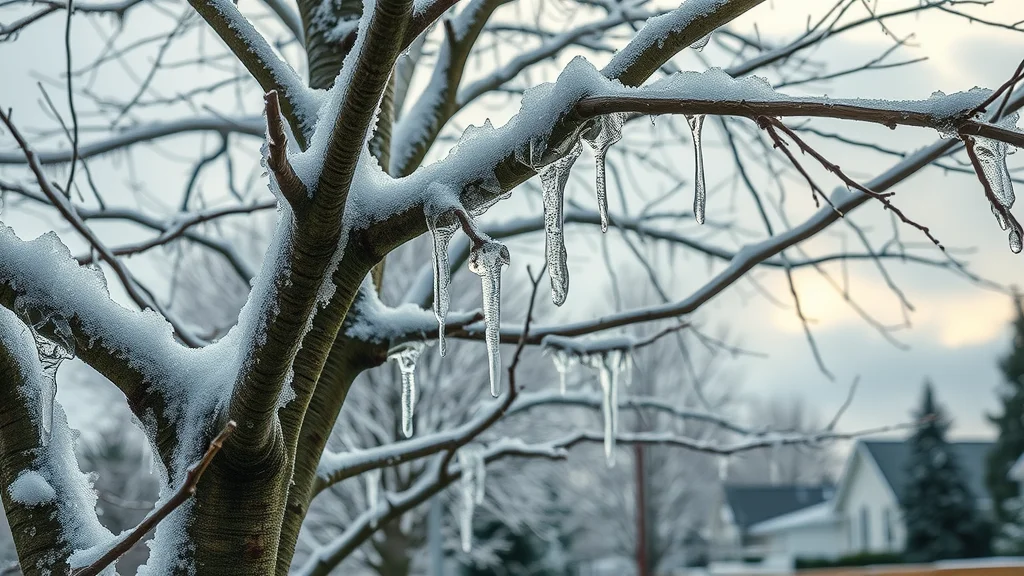
During spring, trees face the challenge of sudden temperature swings, particularly cold spells that follow brief warming trends. These late frosts can damage young buds and tender leaves, significantly affecting growth and potentially reducing flowering and fruiting for the season. Moreover, the residual snow and ice melting can saturate soils, leading to waterlogging, which stresses tree roots.
Douglas Kantrowitz highlights, "In spring, trees are especially susceptible to temperature fluctuations. While warmer days encourage growth, unexpected cold snaps can cause stress that shows up as reduced leaf development or weakened branches later on. "
Extreme temperatures—both cold and heat—can reduce cellular function in tree tissues, delay bud break, and increase susceptibility to diseases. Homeowners should be vigilant about these risks during spring and be prepared to engage expert help if they notice signs of frost damage or other stress.
Essential Tree Care Practices During Spring to Mitigate Weather Impact on Trees
Routine inspection and 'look up' approach to identify tree health issues
Prioritizing safety and health tasks for trees in spring
Professional tree care services and their role in spring maintenance
One of the simplest yet most overlooked tree care practices is what Douglas calls the ‘look up’ approach. He advises homeowners to regularly walk around their property and literally look up at the trees to monitor their health status. Early identification of issues such as broken branches, discolored leaves, or pest infestations can prevent costly damage later on.
Prioritizing tree health tasks in spring involves removing deadwood, pruning for structure and vigor, and mulching to retain soil moisture. Safety is paramount, especially after harsh weather events when branches can weaken or fall unpredictably. Catching these hazards early helps protect both property and people.
Douglas Kantrowitz, Certified Arborist, Owner of Clear Choice Tree Service, emphasizes, "People often miss early signs of tree stress because they don't take the time to look up. Regular observation is key to preventing damage from spring storms. "

Spring often brings patches of melting snow and ice lingering in shaded areas of yards. Homeowners should carefully inspect trees affected by this residue for signs of damage, such as broken twigs or bark fissures caused by freezing conditions. Gentle pruning and avoiding heavy foot traffic near the root zones can help stressed trees recover slowly yet steadily.
Using garden gloves and proper pruning shears prevents unnecessary harm during maintenance. Additionally, clearing snow build-up around the tree bases encourages normal soil respiration and reduces the risk of fungal diseases common in wet conditions, such as powdery mildew.
Managing the Effects of Extreme Temperatures on Tree Health
When spring temperatures exhibit extremes—either severe frosts or unseasonal heat waves—it stresses trees by disrupting their natural growth cycles. Mulching around the base helps moderate soil temperature swings, while consistent watering supports recovery during dry periods. Protective coverings can shield sensitive saplings from frostbite.
Professional arborists can assess tree damage from these extremes and provide treatment plans that include nutrient support, pest management, and corrective pruning to foster resilience. This care ensures trees remain healthy and continue to grow new leaves robustly despite challenging spring weather.
Selecting and Planting Trees in the New York Climate: Expert Advice
Importance of choosing tree species suited to the local climate and soil drainage
Planning for tree growth to avoid conflicts with utility lines
Encouraging beneficial wildlife through appropriate tree selection
Choosing the right tree species for New York's spring climate is essential for long-term success. Trees must be matched to local soil drainage conditions, exposure, and environmental factors. For example, native species generally provide better adaptation to climate variations and attract beneficial wildlife, enriching biodiversity in your yard.
According to Douglas Kantrowitz, "When planting, always plan ahead. A tree that looks perfect now can cause problems if it grows into power lines or structures. " Thus, anticipating a tree’s mature size is critical when selecting a planting site near utility lines or buildings.
Well-chosen trees not only beautify a property but also boost local ecosystems by providing habitat and food sources for birds, pollinators, and other wildlife. Thoughtful planting enhances sustainability and keeps your landscape resilient to climate fluctuations.
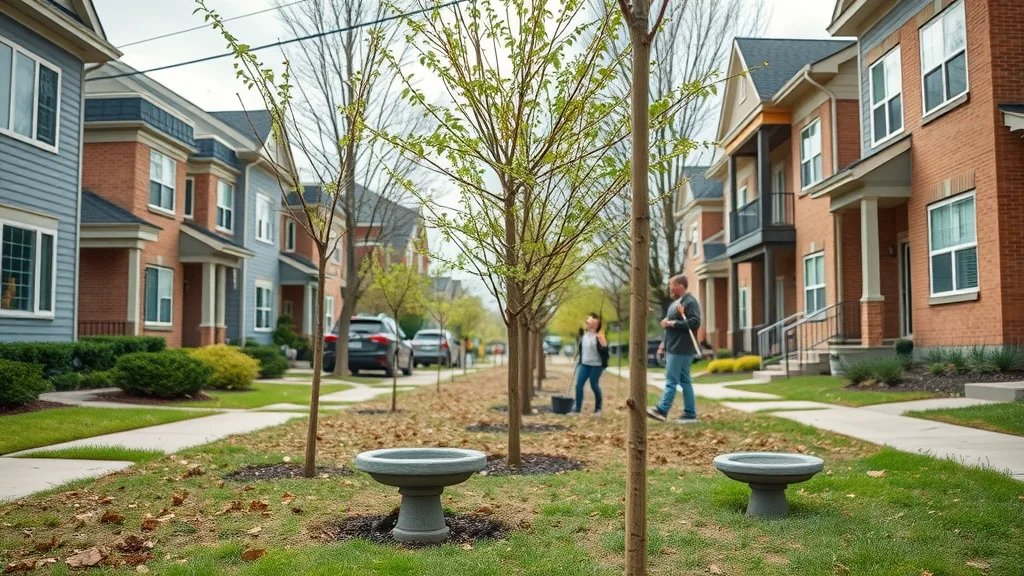
Shifting weather patterns mean more unpredictable temperatures, altered rainfall, and increased storm frequency. Homeowners must consider drought resistance, heat tolerance, and pest resistance when selecting trees now.
Proactive care includes watering during dry spells, regular monitoring for invasive pests thriving in warmer conditions, and adaptive pruning to encourage strong branch structure. Douglas advises integrating climate awareness into landscaping decisions to future-proof your trees.
Consulting with certified arborists helps in choosing species and care strategies that align with the changing environment, optimizing tree health for years to come.
Common Misconceptions and Mistakes in Spring Tree Care
Avoiding unqualified advice from friends and neighbors
Misunderstanding the 5-15-90 rule for tree felling
Ignoring early signs of tree stress after winter
Many homeowners fall prey to well-meaning but misinformed advice. Douglas Kantrowitz strongly advises against taking tree care tips from unqualified sources, as inappropriate pruning, improper planting locations, or ineffective pest remedies often cause more harm than good.
The rarely understood 5-15-90 rule for tree felling, about how to safely cut trees in relation to the lean and notch, illustrates why professional arborist expertise is essential. Mistakes here can endanger property and safety.
Post-winter stress signs such as bark splitting, dead branches, or bud damage should never be ignored. Early intervention can save trees from decline, preserving their beauty and safety through the season.
Actionable Tips for Homeowners to Protect Trees from Spring Weather Damage
Regularly inspect trees and shrubs for damage or disease
Consult certified arborists for professional advice
Implement preventive measures before extreme weather events

To combat spring weather impacts effectively, Douglas Kantrowitz recommends that homeowners perform regular inspections to detect issues early—looking for broken limbs, unusual leaf discoloration, or signs of pests and disease.
Engaging a certified arborist ensures expert diagnosis and care. Professionals guide you in implementing preventive measures such as staking young trees, applying mulch, and pruning damaged parts to reduce vulnerability.
Before forecasted storms or temperature hazards, preparatory actions like securing weak limbs or adjusting irrigation schedules help prevent significant tree stress or injury.
People Also Ask: Addressing Common Questions About Spring Weather Impact on Trees
What happens to trees in the spring season?
In spring, trees exit dormancy and initiate new growth. They begin to develop buds, leaves, and flowers after the resting winter months. This period is crucial for replenishing energy and preparing for the growing season.What are the effects of spring weather?
Spring weather brings temperature fluctuations, rain, and storms that influence tree health positively and negatively. These conditions can promote growth but also cause stress through cold snaps, flooding, or physical damage.How did the tree change after spring comes?
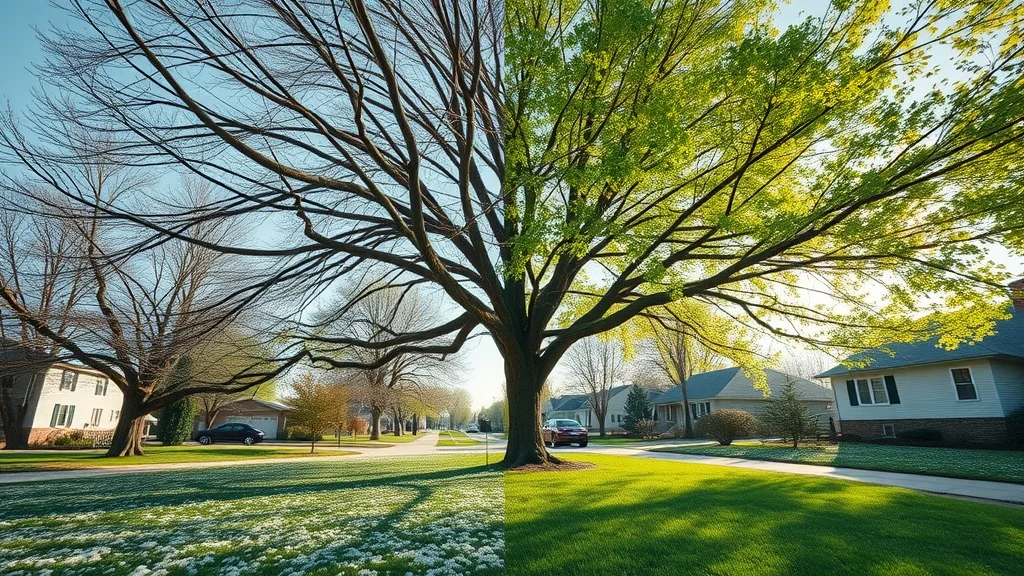
After spring arrives, trees shift from a dormant state to active growth. They develop fresh foliage, strengthen roots, and support wildlife activity, fundamentally transforming the winter-bare branches into vibrant canopies.
Key Takeaways
Spring weather significantly influences tree health and requires proactive care.
Regular observation and professional consultation are essential.
Proper tree selection and planting prevent future problems.
Avoid relying on unqualified advice to protect your trees.
Conclusion: Ensuring Tree Health Through Understanding Spring Weather Impact
Douglas Kantrowitz, Certified Arborist, Owner of Clear Choice Tree Service, concludes, "Spring is a critical time for trees. With the right knowledge and care, homeowners can ensure their trees thrive despite the challenges of spring weather. " Start today by observing your trees, consulting experts, and applying preventive care to keep your landscape healthy and safe.
Contact Us for Professional Tree Care Assistance
Call us at (518) 470-6705 for expert advice and services
Schedule a consultation to protect your trees this spring


Write A Comment