









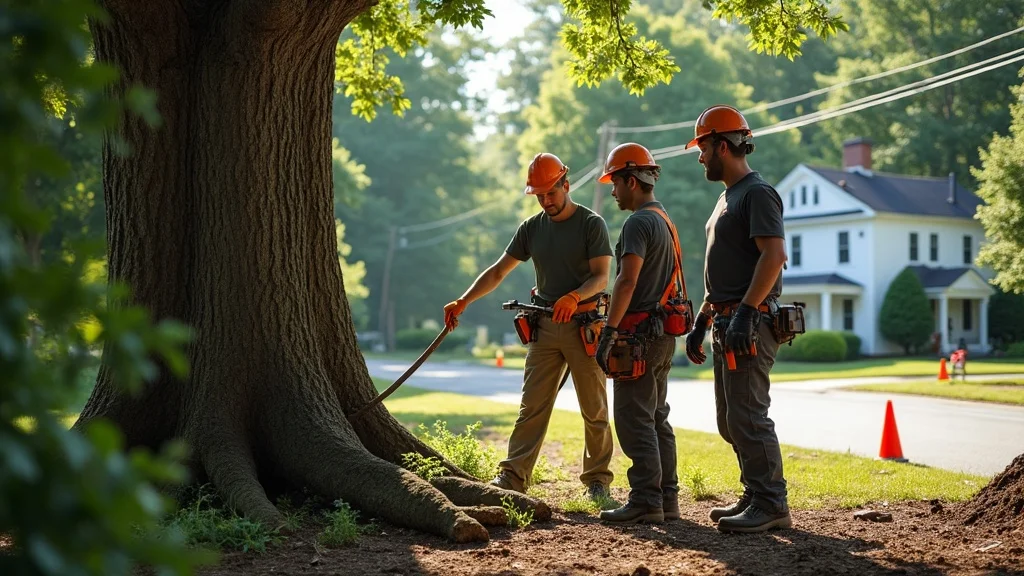
Large tree removal is more than just cutting branches and hauling away timber; it's a highly technical, safety-critical operation that demands expert preparation, compliance, and vigilance. For Lenox, MA property managers, homeowners, and industry professionals, understanding what separates a safe, liability-free removal from a potential disaster is vital. But what protocols, standards, and practices truly set the best in the business apart?
Enter Noah Kelley, Owner and Arborist of Kelley Brothers Tree Service, LLC., a leader whose team is recognized for its safety, speed, and community trust across Massachusetts. Noah’s experience and deep-rooted commitment to industry best practices offer a rare, behind-the-scenes perspective on the protocols that keep people, property, and reputations protected, every single time.
Noah Kelley on Why Large Tree Removal Safety Is Non-Negotiable
Many property owners underestimate the complexity of large tree removal. According to Noah Kelley, the greatest misconception is that removal services are straightforward, when in reality, they demand strict adherence to comprehensive safety protocols. This misunderstanding can put both property and lives at risk if left unchecked. Noah’s expertise stems from over a decade of hands-on experience in both commercial and residential settings, consistently putting community safety at the forefront.
As Noah shares in his own words, the entire structure of professional tree care hinges upon a commitment to standards far stricter than most clients realize. These standards cover everything from the moment equipment arrives on-site to daily safety briefings to the precise techniques used during a removal, all designed to eliminate accidents, prevent property damage, and ensure every team member returns home safely.
"People usually don't know about ANSI, which is the enforcement agency over the tree care industry. We work within these standards to make sure not only all of our employees are safe but the job is done correctly."
— Noah Kelley, Owner and Arborist of Kelley Brothers Tree Service, LLC.
Understanding ANSI Standards: The Backbone of Safe Large Tree Removal
How Adherence to ANSI Z133 Protects Property and People
The American National Standards Institute’s (ANSI) Z133 is the ultimate blueprint for safe large tree removal projects. According to Noah Kelley, this standard lays out not just the “how” but the “why” of safety, connecting the dots between proper technique, equipment use, and overall job security. For clients, it translates into peace of mind: knowledgeable crews reduce risk and improve outcomes, especially when removing massive trees near homes, utilities, or public areas.
From precise pruning cuts that optimize healing to the use of cranes and heavy machinery, ANSI Z133 dictates strict operational boundaries. Safety protocols involve daily equipment checks, clear worksite perimeter markings with cones and caution tape, and even guidelines for how cuts are made so that neither workers nor property are jeopardized during or after removal. These protocols build a safety net that less-experienced or uncertified operators may completely lack.
For those interested in the technical side of tree care, exploring the latest updates to ANSI Z133 standards for tree removal safety can provide deeper insight into the evolving best practices that top professionals follow.
"Pruning cuts are made up to the standard of ANSI so the tree has the best chance of healing after it's been pruned or trimmed. They cover many areas, cranes, heavy equipment, securing the worksite, and daily safety meetings."
— Noah Kelley, Owner and Arborist of Kelley Brothers Tree Service, LLC.
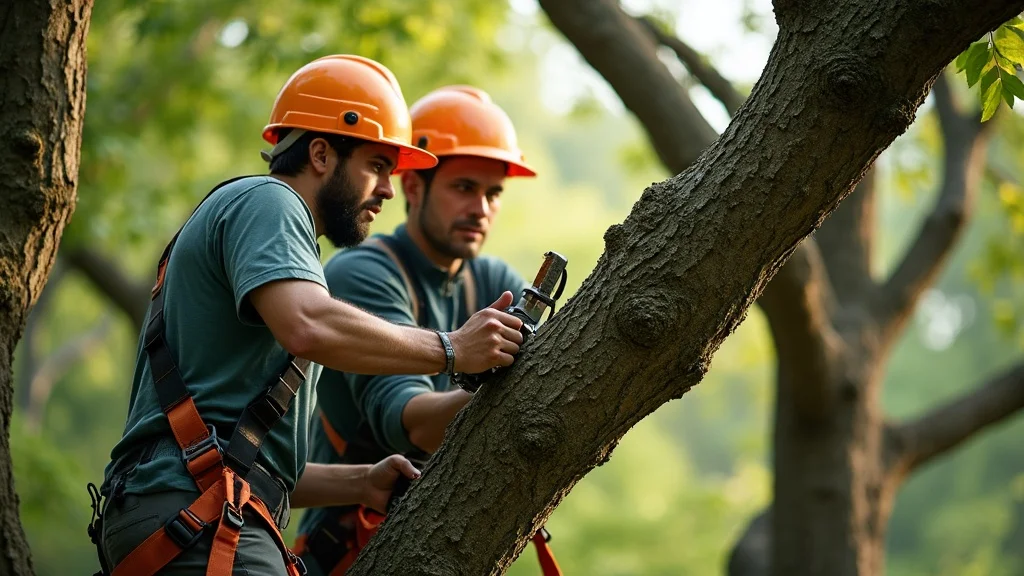
Real Risks When Cutting Corners on Safety Protocols
The temptation to seek the lowest price in large tree removal can backfire in dangerous ways. As Noah Kelley points out, not every provider takes safety and certification seriously; some may be sole proprietors or crews operating without the rigorous training or insurance required to handle high-risk trees and equipment. “Cutting corners” doesn’t just mean less quality—it can mean disaster.
When protocols are neglected, homeowners and managers may become liable for accidents, injury, or major property damage. Noah’s experience uncovers a harsh reality: one wrong move, one overlooked protocol, and a project can spiral out of control. This is why understanding and demanding ANSI compliance isn’t just best practice—it’s essential protection for all involved.
"The cheapest price can be pretty risky. There are plenty of sole proprietors who may not know about these standards or train their employees properly. It can become dangerous and homeowners can end up liable for property damage or injury."
— Noah Kelley, Owner and Arborist of Kelley Brothers Tree Service, LLC.
Critical Safety Practices in Large Tree Removal: Lessons from Kelley Brothers Tree Service
The Importance of Crane Swing Radius and Site Security
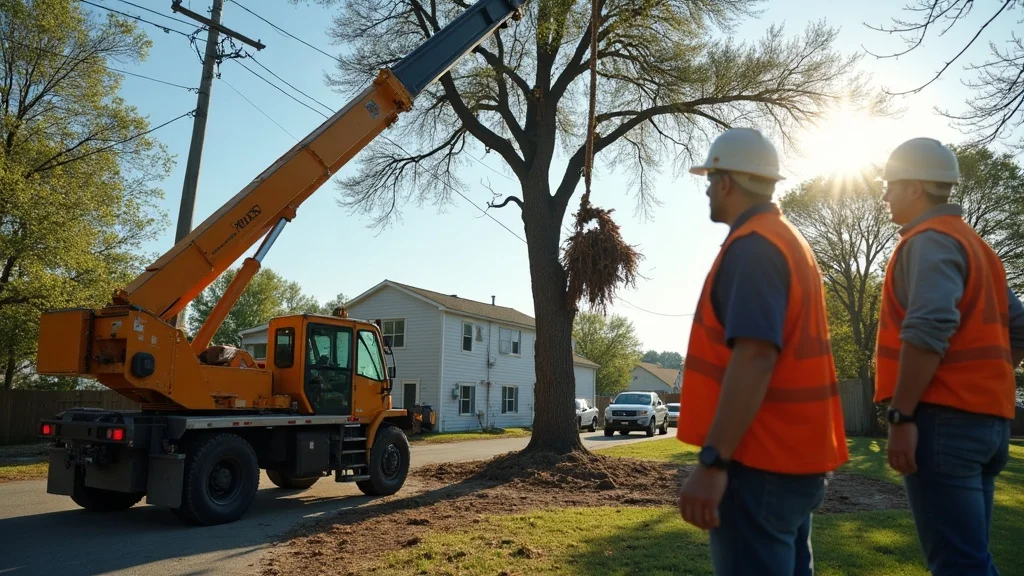
One of the most overlooked but life-saving protocols in large tree removal is maintaining distance from a crane’s swing radius. According to Noah, this simple but vital rule is non-negotiable and ensures no worker is in harm’s way when massive limbs or trunks are being maneuvered overhead. The expert’s perspective is that a consistent culture of “outside the radius” discipline is what has kept his team incident-free throughout challenging removals.
Site security doesn't stop at machinery. Crews must establish clear perimeters using cones, caution tape, and signage, while also staying vigilant against unforeseen risks like falling debris. By strictly following these safety zones and procedures, not only is the crew protected, but so are onlookers, clients, and property. For commercial managers and homeowners, insisting on this level of professionalism is a must.
"When a crane lifts any piece of a tree, you must stay outside the swing radius. Limbs or objects can snap or fall. Our crew’s adherence to these protocols has kept us incident-free."
— Noah Kelley, Owner and Arborist of Kelley Brothers Tree Service, LLC.
Daily and Weekly Safety Meetings: Building a Culture of Safety
According to Noah Kelley, a “culture of safety” is built one day at a time, anchored by open communication and up-to-date training. Each morning, Kelley Brothers Tree Service gathers its crew for site-specific safety briefings that address unique hazards, equipment checks, and updated protocols. These meetings are more than routine—they set the tone for accountability and vigilance throughout the day.
Beyond daily check-ins, weekly company-wide sessions every Monday ensure every team member is aware of the latest changes in ANSI standards, equipment maintenance updates, and lessons learned from recent projects. This rhythm of continuous education and feedback not only prevents complacency but fosters a shared responsibility for everyone’s well-being, keeping large tree removal projects in Lenox, MA, operating at peak safety.
Daily job site safety briefings to address day-specific risks
Weekly company-wide safety reviews every Monday morning
Training focused on updates to ANSI standards and equipment use
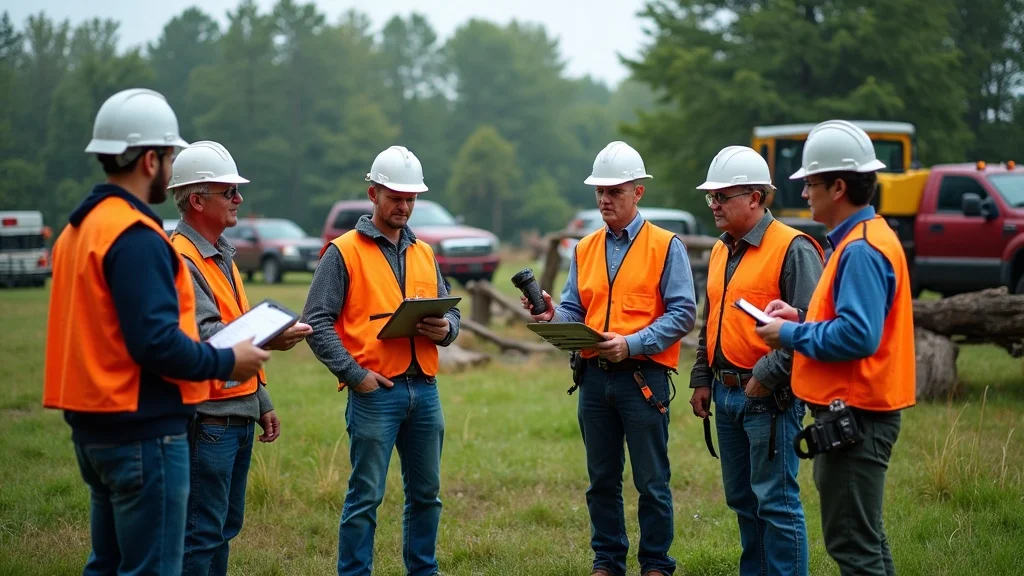
Why Commercial & Residential Clients Must Prioritize Certified Large Tree Removal
Avoiding Liability: Insurance and Certification Are Key
Liability is not just a legal buzzword; it’s a fundamental reason certified large tree removal matters. According to Noah Kelley, property owners can be held financially responsible if an uninsured or uncertified provider causes injury or damage during a project. The ripple effects of neglecting this due diligence can be catastrophic both financially and reputationally.
By requiring proof of insurance and up-to-date certifications, clients shield themselves from risk. Vetted professionals not only deliver safer outcomes but also maintain meticulous documentation, ensuring regulatory compliance for both commercial and residential jobs across Massachusetts.
Ensuring Expertise for Complex Tree Projects Near Structures
According to Noah Kelley, jobs that require large tree removal in proximity to buildings, power lines, or public spaces need a level of precision and adaptability only the most qualified teams can provide. Experience with crane-assisted removals, a robust safety record, and familiarity with both ANSI and local regulations are must-haves—not options.
The expert’s perspective is that thorough vetting is what enables clients to choose not just a removal service, but a long-term partner for their property’s safety and value. When stakes are high, there’s simply no room for shortcuts; every credential, record, and reference counts.
Verify certifications and insurance before hiring
Request proof of experience with crane-assisted removals
Understand the company’s safety and equipment maintenance records

Final Expert Advice from Noah Kelley: Do Your Homework for Safe Large Tree Removal
Key Takeaway: Research Before You Hire
After years of seeing what happens when corners are cut versus when protocols are followed to the letter, Noah Kelley urges every client to do their due diligence. Researching prospective companies doesn’t just safeguard property—it protects livelihoods, reputations, and even lives. When it comes to removing large trees, especially those near public spaces or structures, there is no substitute for expertise backed by the right credentials.
According to Noah, investing a little extra time upfront to check insurance, certifications, and proven experience pays off enormously in avoided headaches and hazards. It is the ultimate act of stewardship—ensuring both the property and those entrusted with its care are in the best hands possible.
"People should do their research if they're going to hire a company, especially for large trees near public areas or structures. Make sure they have the right certifications, insurance, and experience to do the job safely and efficiently."
— Noah Kelley, Owner and Arborist of Kelley Brothers Tree Service, LLC.
Next Steps: Secure Your Property and Peace of Mind with Expert Tree Care
Large tree removal in Lenox, MA is a high-stakes responsibility—one that demands close attention to expert protocols and unwavering professionalism. As you weigh your tree care and property management options, remember these non-negotiables: insist on ANSI-compliant safety methods, demand full insurance and certification documentation, and partner only with teams who treat your project as high-priority from quote to clean-up. With guidance from leaders like Noah Kelley and the Kelley Brothers Tree Service team, you’re not just removing a tree—you’re investing in long-term safety, reliability, and peace of mind.
For a free expert estimate, emergency response, or insight into how professional protocols can protect your property, contact Kelley Brothers Tree Service today, and see what a true safety-first tree care partnership can accomplish for you, your team, and the community.
If you’re looking to expand your knowledge beyond safety protocols, the Tree Guardian News platform offers a wealth of landscaping insights, industry trends, and advanced strategies for property managers and homeowners alike. Dive deeper into expert advice and discover how a holistic approach to tree care can elevate the safety, beauty, and value of your landscape for years to come.


Write A Comment