







Tree Guardian News
update
Tree Guardian News
update
  • Home
  • Categories
    • Storm Damage & Prevention
    • Tree Care Tips & Landscaping
    • Tree Disease Identification & Treatment
    • Insurance Intel
    • DIY Tree Care & Safety
    • Sustainable Tree Care & Eco Solutions
    • Professional Tree Services
    • Arborist Stories
    • Latest News
    • Industry Insights
Arborist Get Featured 
  • update
  • update
  • update
  • update
  • update
  • update
  • update
March 07.2025
2 Minutes Read

Unlock Your Lawn's Potential: How Plant Growth Regulators Will Benefit Homeowners in 2025

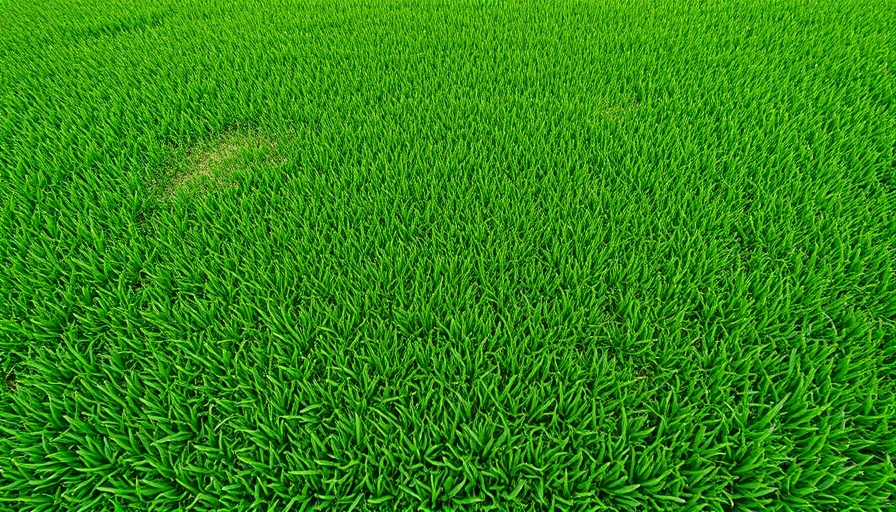
Healthy, vibrant lawn illustrating effective plant growth regulators for homeowners.

Unlocking Hidden Benefits: How Plant Growth Regulators Can Transform Your Lawn

As we move into 2025, homeowners might be unaware of a powerful yet underutilized tool in lawn care: Plant Growth Regulators (PGRs). These versatile products are not just for professional landscapers; they hold significant potential for homeowners looking to improve their turf health and save time and money.

What Are PGRs and How Do They Work?

PGRs essentially act as traffic controllers for plant growth. They help regulate vital activities like cell division and elongation, making it possible to manage turf without stunting its overall health. Instead of forcing your grass to grow faster, PGRs promote greater density and resilience, enhancing both aesthetics and functionality.

Labor-Saving Solutions for Busy Homeowners

With labor shortages impacting the landscaping industry, PGRs present a significant opportunity. Imagine cutting your mowing frequency in half! Not only does this save on fuel costs and emissions, but it also reduces the time your crew spends maintaining your lawn. Matt Giese, a technical services manager with Syngenta, emphasizes that diminishing crew sizes necessitate smarter strategies, and PGRs fit the bill perfectly.

Beyond Mowing: Comprehensive Turf Management

PGRs extend their benefits beyond just grass. They can be effectively applied to shrubs and hedges, reducing trimming from bi-weekly to monthly. In regions experiencing rapid growth, such as Florida, homeowners will appreciate how PGRs can lighten the load of routine yard work while maintaining a vibrant aesthetic.

The Environmental Edge of PGRs

Homeowners concerned about environmental sustainability will find that PGRs contribute positively by promoting deeper root growth, which reduces irrigation needs and cultivates a healthier ecosystem. This means that not only will you have a beautiful lawn, but you’ll also be conserving resources and contributing to a greener planet.

Conclusion: Elevate Your Lawn Care with PGRs

As homeowners, adapting to innovative solutions like PGRs can lead to significant improvements in lawn care efficiency and aesthetics. With a focus on time savings, reduced environmental impact, and healthier grass, now is the time to consider leveraging this tool in your home landscaping efforts. Don’t miss out on the opportunity to elevate your lawn care game in 2025!

Tree Care Tips & Landscaping

65 Views

Write A Comment

*
*
Please complete the captcha to submit your comment.
Related Posts All Posts
04.28.2026

Trends in Tree Health: What Arborists Want Homeowners to Know

Imagine walking through your neighborhood, admiring the towering trees that provide shade, beauty, and clean air. But have you ever stopped to wonder about their health, or how early signs of trouble could be missed? Tree health trends are evolving rapidly due to urbanization and climate change, and understanding these changes is crucial for homeowners. In this article, Tim McDowell, Atlanta Branch Manager and ISA TRAQ Arborist at Pelfrey Tree Service, shares expert insights on protecting your home’s trees from common threats and mistakes most homeowners make. Understanding Current Tree Health Trends in Urban and Forest EnvironmentsThe state of tree health trends in today’s urban and forest settings reflects a complex interaction between environmental stressors and human impact. Trees in urban environments face stresses unlike those in natural forests, including soil compaction, pollution, restricted root growth, and exposure to pests. These conditions affect their vitality and longevity, making it vital to monitor their health regularly.Tim McDowell, Atlanta Branch Manager and ISA TRAQ Arborist at Pelfrey Tree Service, explains, “In cities like Atlanta, managing trees in urban settings is a big part of what we do. The challenge is that many people don’t recognize how urban conditions harm trees until the damage is extensive.” This highlights the importance of proactive tree care and public awareness.Meanwhile, forest environments are experiencing unprecedented challenges such as increased wildfire frequency and shifts in species viability due to changing climate patterns. These trends underscore the importance of understanding how trees respond to different environments. Keeping abreast of these trends helps homeowners and professionals alike protect tree populations for future generations.Defining Tree Health and Its Importance in Urban SettingsTree health refers to the overall condition and vitality of a tree, influenced by its growth, resistance to diseases and pests, and its ability to withstand environmental stresses. In urban settings, healthy trees are particularly valuable as they enhance property values, reduce air pollution, lower energy costs, and improve mental well-being.“Trees in urban areas require special management because they grow in less-than-ideal conditions,” Tim McDowell notes. “Homeowners should recognize that a tree’s health isn’t just about appearance, it’s about structural integrity, resilience to pests, and longevity.” Understanding what constitutes good tree health is the first step toward effective tree care.Regular assessment and maintenance can help detect problems early, preventing costly removal or loss of tree benefits. This knowledge empowers homeowners to protect their leafy investments in the concrete jungle.While understanding tree health is essential, it's equally important for homeowners to be aware of broader property risks, including those related to insurance. For example, learning from real-life cases such as the recent insurance fraud incident in Iowa can help you avoid costly mistakes and ensure your tree care practices align with legal and financial best practices.Impact of Climate Change on Tree Health TrendsClimate change has emerged as a significant driver influencing tree health trends. Rising temperatures, altered precipitation patterns, and extreme weather events place additional stress on trees, making them more susceptible to pests and diseases. Some species may struggle to survive as their traditional habitat zones shift.According to Tim McDowell, “Climate variability means the types of pests and diseases we see today differ from those a decade ago. Trees face new pressures, and this affects how homeowners need to care for them.” These changes call for adaptive landscaping strategies, including the selection of climate-resilient tree species and adjusting maintenance practices.As these challenges grow, understanding the intersection between climate and tree health becomes crucial for sustaining urban forests and natural woodlands alike.Common Health Conditions Affecting Trees and How to Identify Them EarlyPests and Diseases: The Leading Threats to Tree HealthPests and diseases remain the predominant threats to tree vitality, accounting for many cases of decay and mortality in both urban and forested settings. Insects such as borers and aphids, along with fungal infections, can rapidly compromise a tree’s health if untreated.Tim McDowell emphasizes, “The number one issue I wish homeowners caught earlier is healthcare concerning pests and diseases. Early intervention can save a tree from irreversible damage.” His experience underscores the value of vigilance and timely treatment to control outbreaks before they escalate.Effective management includes knowing the common pests in your area, recognizing early symptoms, and consulting professionals promptly. Ignoring infestations often leads to structural weakness, decline, and ultimate loss of the tree.Signs Homeowners Often Miss: Early Detection of Tree Health IssuesMany homeowners miss subtle but critical signs of tree distress. Symptoms like minor leaf discoloration, unusual leaf drop, sap oozing, or slight bark cracks can be early indicators of more serious underlying problems.“The average homeowner doesn’t always know what they’re looking for,” says Tim McDowell. “By the time visible damage becomes obvious, the problem might be too advanced to fix.” Educating yourself about early symptoms is key to preventing permanent damage.Regularly walking around your property to inspect your trees can reveal early warning signs. If anything seems off, changes in leaf color or texture, dead branches, or swelling—contacting an arborist should be your immediate step. Expert Insights: Tim McDowell on Tree Care and Maintenance Best Practices“The number one tree issue I wish homeowners caught earlier is healthcare concerning pests and diseases. Early intervention can save a tree from irreversible damage.” Tim McDowell, Atlanta Branch Manager and ISA TRAQ Arborist of Pelfrey Tree ServiceAnnual Tree Care: Why Regular Maintenance is CrucialOne of the biggest upkeep mistakes homeowners make is neglecting annual tree care. Regular maintenance, including inspections, pruning, and health assessments, can prevent many problems or mitigate their impact if detected early.Tim McDowell advocates, “Having arborists assess your trees annually is vital. This routine lets us catch pests, diseases, and structural issues early, saving time, money, and preserving your trees for years.” Scheduled care improves tree health trends by keeping them resilient to changing environmental pressures.Incorporating expert advice into a tree maintenance plan also helps homeowners avoid emergencies and costly removals down the road, making the investment worthwhile.When Should Homeowners Contact an Arborist?Knowing when to seek professional help can save trees and money. Tim McDowell advises that consulting an arborist should happen even before purchasing a new home. “Homebuyers often inspect houses thoroughly but overlook tree evaluations, which can lead to unexpected $15,000-$20,000 bills from hazardous or dying trees,” he warns.Beyond real estate transactions, homeowners should contact an arborist at the first signs of tree distress or when planning major landscape changes. Professional assessment ensures safe, healthy trees and reduces risks associated with weak branches or disease.This proactive approach is a fundamental step in smart tree ownership aligned with current tree health trends. The Role of Tree Species and Native Species in Tree Health TrendsSelecting Appropriate Tree Species for Urban EnvironmentsThe success of urban forestry depends heavily on choosing tree species suited to local environmental conditions. Selecting trees that are resilient to climate and urban stresses improves overall tree health trends and reduces maintenance needs.“Urban planners and homeowners should prioritize species that tolerate pollution, compacted soil, and restricted root zones,” says Tim McDowell. The right selection ensures trees flourish, providing shade and ecological benefits without costly interventions.Careful species choice also helps reduce vulnerability to pests and diseases, contributing to a healthier urban canopy over time. Benefits of Native Species for Sustainable Tree CareNative species offer significant advantages for sustainable tree care because they are adapted to local climates and ecosystems. They generally require less water, fertilizer, and pesticide interventions, reducing environmental impacts and upkeep costs.Incorporating native trees into landscaping supports biodiversity and strengthens ecological resilience. “Native trees contribute to a balanced environment, making them a cornerstone of sustainable tree health trends,” notes Tim McDowell.Encouraging native plantings fosters healthier urban forests and promotes a greener future with less resource strain.Community Involvement and Its Impact on Forest and Tree HealthLocal Initiatives Supporting Tree Health and Greener FuturesCommunity engagement plays a crucial role in advancing tree health trends. Neighborhood tree planting events, educational programs, and volunteer-driven maintenance contribute to vibrant urban and forest ecosystems.“Communities that actively involve residents in tree care see tangible benefits. It raises awareness and spreads responsibility for tree stewardship,” explains Tim McDowell. These collective efforts support sustainability goals and enhance local environmental quality.Participation in local initiatives nurtures a culture of care, ensuring urban forests thrive for generations to come. Technological Advances in Monitoring Tree Health TrendsRemote Sensing and Data Sources for Forest Health AssessmentAdvances in technology, such as remote sensing and GIS data, allow arborists and researchers to monitor tree health trends at large scales. Satellite imagery, drones, and handheld devices gather detailed information on tree canopy health and forest disturbance.Tim McDowell highlights, “Using modern tools, we can detect stressed or diseased trees before in-person inspections identify problems. This data-driven approach increases efficiency and accuracy in tree management.”These technologies empower more proactive and informed interventions, helping preserve trees before issues escalate. Enhanced Techniques for Inspecting Tree HealthBeyond remote sensing, new inspection equipment like advanced moisture meters, resistographs, and aerial imaging is enhancing the ability to assess tree conditions thoroughly.These tools allow specialists to detect internal decay, measure sap flow, and evaluate structural integrity, refining maintenance and treatment plans. Such innovation represents the future of arboriculture and better tree health trends for homeowners.Integrating these enhanced techniques ensures longer, healthier lifespans for trees in challenging urban and natural environments.Common Mistakes Homeowners Make Regarding Tree Health and How to Avoid ThemNeglecting Annual Tree Care and InspectionsOne of the most frequent errors is neglecting routine care. Without annual inspections, trees suffer from undetected pests, diseases, and structural issues that could have been prevented or treated early.Tim McDowell points out, “Homeowners often wait too long, thinking trees can manage on their own. But healthy trees require ongoing attention to thrive.” Scheduling regular professional assessments is essential to avoid this mistake.Consistent tree maintenance correlates directly with positive tree health trends and landscape value retention.Failing to Assess Tree Health Before Purchasing a PropertyAnother costly oversight is skipping a tree health evaluation during home buying. Trees can present hidden hazards such as unstable limbs or root decay, posing safety risks and expensive repairs.“I believe everyone should contact an arborist before purchasing a home to avoid costly surprises related to hazardous or dying trees,” Tim McDowell, Atlanta Branch Manager and ISA TRAQ Arborist at Pelfrey Tree Service emphasizes.Including tree inspections along with home inspections ensures buyers make safer, informed property choices, protecting investments and family well-being.Actionable Tips for Homeowners to Improve Tree HealthSchedule annual tree health assessments with a certified arboristLearn to identify early signs of pests and diseasesChoose native and climate-resilient tree species for plantingEngage with local community tree care initiativesUtilize technological tools for monitoring tree health when availablePeople Also AskWhat are 10 ways to save trees?Saving trees involves proactive care and environmental stewardship. Key methods include:Regular watering during droughtsAvoiding soil compaction around rootsPruning dead or diseased branches promptlyPlanting native, climate-appropriate speciesManaging pest and disease infestations earlyMulching to retain moisture and regulate soil temperatureAvoiding damaging construction activities near treesPreventing root damage by careful landscapingEngaging community efforts for tree health awarenessConsulting professional arborists regularlyWhat are the new changes in forestry?Forestry is adapting to climate change, remote sensing technology, and increased public involvement. Innovations include improved monitoring systems, shifts toward planting climate-resilient species, and sustainable management strategies to mitigate forest disturbances and pests.What can I spray on my trees to keep them healthy?Depending on the issue, arborists may recommend fungicides, insecticides, or organic treatments to manage pests and diseases. However, proper diagnosis is critical before application, so always consult a tree care professional for tailored advice.How to improve tree health?Improving tree health involves regular maintenance, proper watering, mulching, pest and disease control, and selecting suitable species. Educating yourself and partnering with an arborist ensures the best care tailored to your specific trees and environment.Tree Health IssueSigns to Watch ForRecommended ActionPests and DiseasesDiscolored leaves, holes, sap oozingConsult an arborist, apply treatments earlyRoot DamageLeaning tree, poor growthAvoid soil compaction, inspect roots regularlyDrought StressWilting leaves, leaf dropIncrease watering, and mulch the soilNutrient DeficiencyYellowing leaves, stunted growthSoil testing, fertilization as advisedSummary of Key Takeaways on Tree Health TrendsEarly detection and regular maintenance are critical for healthy treesClimate change is influencing new challenges in tree healthHomeowners should consult arborists before property purchaseCommunity involvement enhances urban and forest tree careTechnological advances improve monitoring and managementFinal Thoughts on Embracing Tree Health Trends for a Greener FutureBy adopting proactive tree care and leveraging expert knowledge like Tim McDowell’s insights, homeowners can protect their trees amidst evolving challenges and contribute to a healthier, greener tomorrow.Call us at (770)524-9412 for expert tree health assessments and advice tailored to your home and community.

04.27.2026

How Razor Tracking's OEM-Embedded Telematics Enhances Tree Care Services

Update Razor Tracking Enhances Fleet Management with TelematicsRazor Tracking is stepping up its game in commercial fleet management by integrating OEM-embedded telematics from CerebrumX. This innovative enhancement not only streamlines operations but also provides significant insights that can transform how fleet managers operate on a daily basis.Understanding OEM-embedded TelematicsOEM-embedded telematics refers to technology that comes pre-installed in vehicles by original equipment manufacturers. This means that fleet managers can access vital data without any additional hardware installation. For homes and businesses investing in services that rely on vehicles, such as tree care, understanding this technology is crucial. According to industry experts, fleet management is becoming increasingly data-driven. These integrated systems allow for real-time monitoring of critical metrics like fuel consumption, driving behavior, and vehicle health. This level of detailed insight leads to more informed decision-making, ultimately saving time and money.The Benefits for Homeowners and Local ServicesFor homeowners interested in tree care and related services, the advancements in telematics can result in better service delivery. With enhanced monitoring capabilities, service providers can optimize routes, reduce downtime, and manage their resources more effectively. This can directly lead to improved service quality at potentially lower costs.Future of Fleet Management and Tree CareAs telematics technology continues to evolve, it is likely that the tree care industry will see significant benefits. By leveraging OEM-installed telematics, companies can become more responsive to customer needs while reducing their operational footprint. Homeowners can look forward to quicker response times and possibly enhanced environmental benefits through optimized routes that reduce fuel consumption.Conclusion: Embracing Innovation for Better ServicesIn conclusion, the adoption of OEM-embedded telematics by Razor Tracking represents an exciting shift in fleet management. For homeowners, this innovation could mean more efficient tree care services that are not only faster but also more eco-conscious. Stay informed about these changes in technology, as they pave the way for better service options in your neighborhood.

04.26.2026

How United Land Services Became a $285M Powerhouse with Tree Care Focus

Update United Land Services: Transformation Through Strategic Acquisitions In the evolving landscape of the commercial landscaping industry, United Land Services (ULS) stands out with its remarkable achievement of becoming a $285 million powerhouse via 25 targeted acquisitions. Based in Jacksonville, Florida, ULS has become a leading name in landscape maintenance, tree care, design/install, and more, recently securing the 17th spot on Landscape Management’s 2025 LM150 list of top firms. Building a Strong Foundation Since 2020, ULS has not only increased its revenue from $40 million to over $285 million but has also expanded its geographical reach across several states, including Florida, Alabama, Louisiana, Georgia, and the Carolinas. CEO Ray Leach emphasizes that the company has concentrated on aligning its acquisitions with its mission and corporate culture. This approach has ensured a seamless transition, allowing newly acquired companies to integrate smoothly into ULS’s operations through comprehensive onboarding programs. Adapting to Change: A Key to Growth ULS's growth strategy reveals an essential lesson: adaptability is crucial. Leach comments on the importance of understanding that a one-size-fits-all strategy is ineffective in a diverse market. The company has maintained its core values while also being flexible, ensuring sustained growth amidst economic uncertainties. By focusing on operational efficiencies and prioritizing customer relationships, ULS aims to navigate fluctuating market conditions while bolstering its service offerings, particularly in tree care and landscaping. Fostering a Culture of Excellence Bringing together 25 different companies requires a concerted team effort. Leach attributes ULS’s success to the exceptional talent across their organization. The company's directive is clear: prioritize employee welfare and empower them to deliver genuine value to customers. Understanding customer needs and maintaining a close connection to the business are fundamental aspects of ULS's operational philosophy, enabling it to make informed decisions that drive growth. Strategic Growth Ahead Looking forward, Leach shows no signs of slowing down. Eager to continue acquiring suitable partners, ULS is committed to its aggressive growth strategy. Leach states, “We’re proud of what we’ve built, and our commitment to growth reflects the pride our teams take in their work every day.” As ULS advances toward becoming one of the top players in landscaping, it’s clear that its journey is supported by a foundation built on strategic partnerships and operational excellence.

Terms of Service

Privacy Policy

Core Modal Title

Sorry, no results found

You Might Find These Articles Interesting

T
Please Check Your Email
We Will Be Following Up Shortly
*
*
*