Add Row
Add Element
Tree Guardian News
update
Tree Guardian News
update
Add Element
  • Home
  • Categories
    • Storm Shield
    • Roots & Routes
    • Disease Detective
    • Insurance Intel
    • DIY Arborist
    • Futureproof Foliage
    • Pro-Partner Spotlight
    • Arborist Stories
    • Tree Care Blog
    • Tree Guardian News Blog
SUBSCRIBE TO NEWSLETTER 
  • update
  • update
  • update
  • update
  • update
  • update
  • update
March 28.2025
2 Minutes Read

Understanding the Impact of State Farm's $2.5 Billion Wildfire Payouts

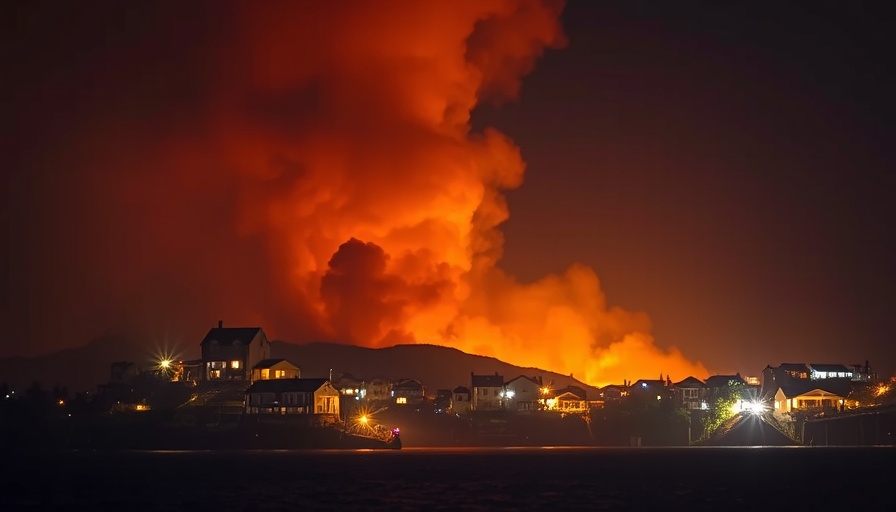
Dramatic wildfire over coastline by night, by State Farm wildfire payouts.

The Cost of Wildfires: Understanding the $2.5 Billion Payout

This January, devastating wildfires swept through Los Angeles, triggering significant insurance claims and payouts. State Farm alone reported payouts exceeding $2.5 billion to its policyholders, indicating the severe impact these fires had on the community. Originally estimating around $1 billion in payments just weeks earlier, the latest figures have doubled, reflecting the scale of destruction. The fires affected over 12,300 claims, connected to the destruction of homes and businesses. The California Department of Insurance emphasizes the critical phase of recovery, noting the ongoing nature of claims as rebuilding efforts begin.

Financial Implications for Homeowners: What’s Next?

The fire incidents in LA exemplify broader financial implications for homeowners. With State Farm being California's largest homeowners insurer, many residents find themselves directly affected not only by the fires but also by potential rate increases. In the aftermath, State Farm has proposed a 22% rate hike to offset the loss, pending approval by the California Insurance Commissioner. This raises an important question for homeowners: how will increased premiums affect affordability and the market dynamics for insurance in the state?

The Broader Context: Insurance Industry Responses

The recent wildfires underline a growing trend within the insurance industry regarding climate risk assessment. With multi-billion-dollar payouts and the increase in extreme weather events, insurers like State Farm are reassessing policies and risk management strategies. As claims reach unprecedented levels, a wave of changes may follow. Californian residents should remain vigilant about unclear insurance coverage and seek clarity on what their policies entail as recovery progresses.

A Community on the Rebound: Resilience and Recovery

In crisis comes community resilience. The wildfires sparked an outpouring of support and collective action among residents and local organizations focused on recovery efforts. The rebuilding process is expected to take time, but with strong ties in the community, there is optimism for a collective rebound. Homeowners are encouraged to engage with local recovery programs and explore resources available through state initiatives aimed at aiding those affected.

As California faces increasing wildfire risks, understanding your insurance policy is crucial for navigating uncertainties. For homeowners in areas prone to wildfire, considering policy evaluations and re-assessing coverage adequacy may offer peace of mind.

Insurance Intel

59 Views

Write A Comment

*
*
Please complete the captcha to submit your comment.
Related Posts All Posts
03.23.2026

Iran Threatens Gulf Power Plants: What Homeowners Should Know

Update The Threat of Escalation in Gulf Tensions The current geopolitical landscape is rapidly evolving as Iran threatens to strike power plants in the Gulf region. This alarming declaration comes amidst heightened tensions between Iran and the United States, particularly following President Trump’s ultimatum to Tehran to open the vital Strait of Hormuz. The Revolutionary Guards issued a stern warning: if Iran’s electricity infrastructure is attacked, they will retaliate against the electricity supply lines of U.S. bases throughout the Gulf and against Israeli energy assets. The Importance of Energy Security Energy security remains paramount for Gulf nations and the broader international community, as the Strait of Hormuz is a critical passageway for global oil and liquefied natural gas shipments. In fact, this strait accounts for approximately one-fifth of the world's energy supply. The International Energy Agency’s executive director highlighted that the resulting energy crisis from the ongoing tensions exceeds the combined effects of previous oil shocks experienced in the 1970s and the gas supply crisis triggered by Russia’s invasion of Ukraine. The Humanitarian Impact Experts are increasingly concerned about the potential humanitarian consequences of these military threats, particularly the targeting of vital civilian infrastructure. Iran’s Defence Council has made it clear that they view any aggressions towards their country as justification for similarly destructive actions, directly threatening the civilian populations in the region. Attacks on essential utilities such as power grids and water desalination facilities could precipitate widespread suffering and shortages, exacerbating an already precarious humanitarian situation. General Public Response and Fear for Stability Homeowners in the Gulf region should be increasingly aware of the potential implications of these threats. Disruptions to power supplies not only impact everyday activities but can also lead to concerns over safety and property protection. Fluctuations in the energy market due to ongoing conflict heighten inflationary pressures that can negatively affect homeowners by increasing costs for essential goods and services. Informed Decisions for Homeowners Given this volatile scenario, it is crucial for homeowners to stay informed about geopolitical developments as they can directly impact insurance costs, property values, and overall safety. Understanding how conflicts like these can lead to disruptions in energy supply may help in making more informed decisions regarding homeowner insurance policies and necessary precautions in preparation for potential emergencies. As the situation in the Gulf unfolds, continued observation and preparedness will remain essential for residents within these affected zones. Homeowners are encouraged to reassess their insurance coverage to ensure it provides adequate protection against unforeseen national crises. In the face of uncertainty, remaining informed is a powerful tool for homeowners. Consider reviewing your homeowner insurance options to ensure you're prepared for any eventualities that may arise due to ongoing regional tensions.

03.21.2026

Rising Concerns: NHTSA's Tesla Probe Over Self-Driving Crashes

Update The Growing Scrutiny of Tesla's Self-Driving Technology The National Highway Traffic Safety Administration (NHTSA) is ramping up its investigation into Tesla's Full Self-Driving (FSD) technology, which covers 3.2 million vehicles. This escalation follows concerns that the software may fail to alert drivers to critical visibility issues caused by glare, fog, or airborne debris. Initially, NHTSA opened a preliminary evaluation in October 2024 for around 2.4 million vehicles. Now, the move to an engineering analysis signifies the severity of potential risks associated with Tesla's autonomous driving ambitions. Understanding the Concerns: How Visibility Affects Safety The core issue at stake here is safety. NHTSA has documented nine incidents linked to the FSD software, including a fatal crash, raising alarms about its reliability under adverse conditions. The agency’s findings indicate that the system often misses critical alerts when visibility degrades, potentially leading drivers to be unprepared for dangerous road conditions. The scrutiny is heightened as more reports might emerge, given that NHTSA's inquiry now encompasses six additional incidents not accounted for in the original investigation. The Role of Technology and Regulatory Oversight The shift away from radar to a camera-only system, termed Tesla Vision, raises questions about the software’s dependability. As NHTSA investigates, it is crucial to understand how Tesla’s updates to the degradation detection system fare against real-world highway conditions, where glare and fog are common. Using traditional methods of sensor technology, coupled with the randomness of weather, creates a perfect storm for potential accidents. Future Implications: What This Means for Tesla's FSD Aspirations This investigation is more than just an oversight check. It represents a pivotal moment for Tesla as it pushes to establish a fleet of robotaxis, a fantastical vision challenged by these findings. The intersection of technological aspiration and regulatory compliance will likely determine Tesla’s future. With the increasing scrutiny, there are risks that could lead to recalls, significantly affecting their operational strategy and public perception. Insights for Homeowners: The Importance of Vehicle Safety As homeowners and consumers, this escalating inquiry into Tesla's self-driving technology bears significance for everyone, especially in terms of safety and insurance. Knowing the potential risks associated with autonomous vehicles emphasizes the need for comprehensive homeowner insurance that includes vehicle protection. Understanding the limits of technology can lead to better decision-making regarding personal safety and investments in autonomous technology. The Emerging Landscape: Eyeing the Future of Self-Driving Vehicles NHTSA has indicated they will closely monitor the effectiveness of updates to Tesla’s system, yet the revelations about a failure in communication between the software and drivers raises alarm bells. As Tesla navigates this critical juncture, it highlights the broader implications for the autonomous vehicle industry, including reliability, trust, and accountability. The trend towards greater regulation of self-driving technology will likely shape how these vehicles operate in the future. As electric vehicles and self-driving technology gain traction, staying informed about safety measures and regulatory updates is vital. Homeowners should assess their homeowner insurance to ensure they are well-covered for evolving transportation technologies. Now is the time to ask your insurance provider how recent developments might impact your coverage and what steps you can take to stay ahead of potential safety concerns.

03.19.2026

Why Bulk Terminations Matter for Homeowner Insurance Care

Update Understanding Bulk Terminations and Their Importance in InsuranceIn the often complex world of insurance operations, managing agent appointments is a critical function. While terminations normally happen one at a time, there are significant scenarios that can benefit from bulk terminations. These situations not only streamline the process but also reduce risk and ensure compliance with ever-changing regulations.Combatting Appointment Renewal Seasons with EaseEach year, insurance companies face an appointment renewal season that can be particularly chaotic. States have different deadlines and procedures, which necessitate a systematic approach to terminations. Unfortunately, without an integrated system for bulk terminations, employees may spend countless hours poring over records.But with systems that support bulk terminations, it becomes possible to automate the process, letting companies focus on maintaining productive relationships with their agents. Automating this function allows for timely action that can alleviate the stress of last-minute rushes to meet state deadlines.Navigating State Appointment Rule Changes SmoothlyChanges in state regulations can significantly impact how insurance companies operate. For instance, Kansas recently undertook a major revision in its appointment rules, eliminating renewal periods and creating perpetual appointments. Such shifts mean that the risk landscape can change overnight for carriers.By utilizing bulk termination strategies, carriers can proactively respond to these evolving regulations, thereby mitigating the potential for non-compliance and enhancing operational stability amidst changing state mandates.Streamlining Agency Offboarding ProcessesInsurance carriers often struggle with managing relationships across multiple branches of the same agency. When an agency must be offboarded entirely, whether due to subpar performance or other factors, handling this efficiently can minimize disruption. By employing bulk termination capabilities, organizations can more easily manage the entire offboarding process, ensuring all necessary terminations are executed seamlessly.Why Homeowners Should Care About These ProcessesHomeowners may wonder why insurance companies' agent management processes matter to them. The answer is straightforward: Efficient management leads to better service. When insurance companies can quickly adapt to changing regulations and streamline operations, it results in more reliable insurance providers who can better meet the needs of their clients. Moreover, effective use of bulk terminations could ultimately translate to more competitive rates and improved offerings for homeowners.Conclusion: A Call for Strategic Innovations in Insurance As the insurance industry evolves, adopting modern solutions for managing agent appointments—like bulk terminations—will become increasingly vital. Homeowners stand to benefit from these innovations, as they lead to more responsive and effective service. It's time for companies to embrace these strategic approaches and ensure their operations are as efficient as possible.

Terms of Service

Privacy Policy

Core Modal Title

Sorry, no results found

You Might Find These Articles Interesting

T
Please Check Your Email
We Will Be Following Up Shortly
*
*
*