







Tree Guardian News
update
Tree Guardian News
update
  • Home
  • Categories
    • Storm Damage & Prevention
    • Tree Care Tips & Landscaping
    • Tree Disease Identification & Treatment
    • Insurance Intel
    • DIY Tree Care & Safety
    • Sustainable Tree Care & Eco Solutions
    • Professional Tree Services
    • Arborist Stories
    • Latest News
    • Industry Insights
Arborist Get Featured 
  • update
  • update
  • update
  • update
  • update
  • update
  • update
April 21.2025
2 Minutes Read

Transform Your Yard with Meadow Lab's Wildflower Sod: A Sustainable Landscaping Solution

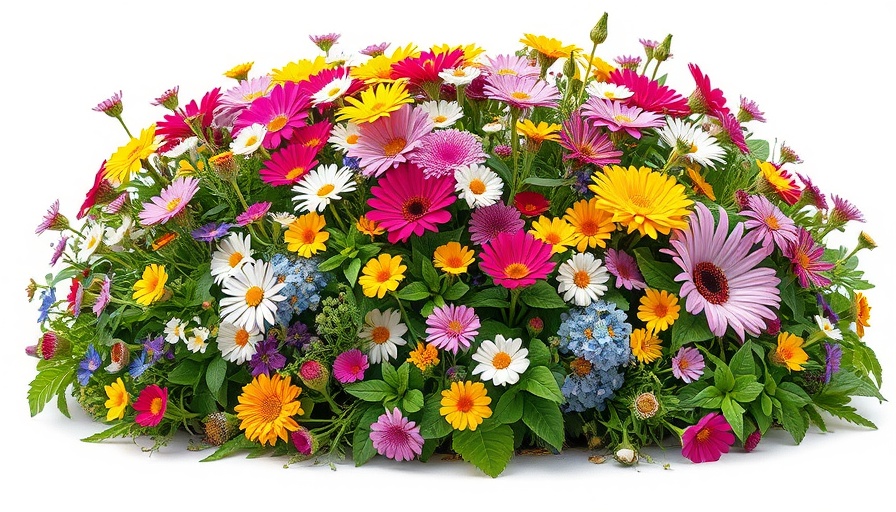
Vibrant wildflower sod on white background, showcasing blooms.

A New Era of Landscaping with Wildflower Sod

Homeowners are increasingly seeking sustainable options for their gardens and outdoor spaces, and Meadow Lab's Wildflower Sod is stepping up to meet this demand. Launched in April 2025, this innovative product provides a simpler, eco-friendly alternative to traditional turfgrass by incorporating native wildflowers and grasses, making it not only visually appealing but also beneficial for the environment.

Benefits of Wildflower Sod

Meadow Lab's founder, Claire Chambers, emphasizes that Wildflower Sod supports biodiversity and ecological health. Unlike conventional sod, Wildflower Sod establishes quickly, with a dense root mat that suppresses weeds better than conventional seeding methods. This feature not only streamlines the installation process but also fosters faster growth, allowing homeowners to enjoy vibrant flowers sooner.

Eco-Friendly Choice for Homeowners

One of the pressing concerns for homeowners today is the environmental impact of their landscaping decisions. Traditional lawns often require excessive water, herbicides, and fertilizers, which can lead to harmful runoff. Wildflower Sod, however, minimizes these requirements, providing a more sustainable approach. By encouraging native pollinators and wildlife, homeowners can foster a thriving ecosystem right in their backyards.

Transform Your Space

For those looking to enhance their outdoor spaces while being kind to the planet, Wildflower Sod offers a practical solution. It’s an invitation to embrace landscapes that harmonize with nature, thanks to its low maintenance and ecological benefits. As more individuals recognize the importance of biodiversity, options like Meadow Lab's Wildflower Sod become essential for future landscaping endeavors.

“We hope to inspire many more professionals to create spaces that are functional, resilient, and ecologically sound,” Chambers noted, encapsulating the vision behind this groundbreaking product.

Act Now to Green Your Garden

Now is the perfect moment for homeowners across the nation to rethink their landscaping choices. By embracing innovative products like Wildflower Sod, you can make a positive environmental impact while enjoying a beautiful outdoor space. Consider making the switch today—your garden and the planet will thank you!

Tree Care Tips & Landscaping

79 Views

Write A Comment

*
*
Please complete the captcha to submit your comment.
Related Posts All Posts
06.17.2026

Transform Your Outdoor Space: Tips for Cohesive Garden Design with Color and Texture

Update Understanding Cohesive Garden DesignCreating a harmonious garden design is akin to composing a piece of music. It requires thoughtful repetition of elements to achieve a unified aesthetic that captivates and calms the senses. This approach combines vivid colors, varied textures, and thoughtful shapes to create an inviting outdoor sanctuary. Homeowners interested in plants can elevate their gardens from chaotic to cohesive with just a few design principles.The Power of Color in Your GardenColor is one of the most powerful tools in a gardener's arsenal. It can transform an uninspired space into a vibrant display. Consider employing repetition of specific colors throughout your garden. For example, bright yellows and reds can draw the eyes forward, while softer pastels can create a sense of calm in the background. Consistently using a few selected hues can unify the space, giving it a professional look.Textures: A Hidden Ingredient in DesignTextures play an equally significant role in a garden's visual appeal. By repeating plants with varying leaf textures, you can create depth and interest. For instance, pairing the smooth leaves of a glossy azalea with the fuzzy foliage of lamb's ear not only highlights contrast but also enhances tactile appeal. Using diverse textures encourages engagement, making the garden feel alive and dynamic.Incorporating Shapes for Visual CohesionShapes are essential to maintaining a balanced garden design. Uniformity in plant shapes—whether using the broad-leaved hostas or rounded boxwoods—creates a sense of continuity. Introducing geometric elements, like circular garden ornaments, can echo the forms of the plants and reinforce the garden's overall design theme. This thoughtful balance contributes to visual harmony.Why Repetition MattersThe principle of repetition isn’t just about aesthetics; it is about fostering a sense of peace in your space. Much like musical notes, which build upon one another to create a melody, plant repetition creates a flow in garden design. When you repeat certain elements—be it a color, shape, or texture—you guide the viewers' eyes, leading them on a visual journey through your garden.Practical Tips for HomeownersFor homeowners eager to implement these principles, start small—choose two or three colors and a few plant varieties. Place them in strategic locations throughout your garden to see how they interact with each other. Pay attention to the balance of textures and shapes, creating harmony where necessary. Most importantly, be patient; great gardens take time to evolve!

06.15.2026

Enhance Your Garden: 5 Eye-Catching Alternatives to Japanese Barberry

Update Eye-Catching Alternatives to Japanese Barberry That Every Homeowner Should Consider Japanese barberry, once a popular ornamental shrub, has faced increasing scrutiny due to its invasive nature. Homeowners looking to enhance their gardens while prioritizing sustainable choices can achieve beautiful landscapes with various alternatives. Here are five stunning options that not only rival the aesthetic appeal of Japanese barberry but also promote environmental health. 1. American Cranberrybush The American cranberrybush (Viburnum trilobum) offers lush foliage and attractive clusters of white flowers in spring, followed by vibrant red berries in the fall. These berries provide a food source for birds, enhancing local wildlife. 2. Winterberry Holly This deciduous holly (Ilex verticillata) is ideal for winter interest, displaying bright red berries that last long into the colder months. Notably, Winterberry requires both male and female plants to produce fruit, making it a delightful addition for those who wish to support pollination. 3. Red-Twig Dogwood Known for its striking red stems, red-twig dogwood (Cornus sericea) adds a pop of color throughout the year, especially in winter when its stems stand out against the snowy backdrop. It is also beneficial for erosion control, thanks to its extensive root system. 4. Oregon Grape The Oregon grape (Mahonia aquifolium) is an evergreen option that showcases attractive yellow flowers in spring, followed by blue berries in summer. This native plant thrives in shady areas, making it a versatile addition to your garden. 5. Spicebush Spicebush (Lindera benzoin) is a fantastic companion for those wanting to introduce native plant species into their landscaping. It offers fragrant yellow flowers in spring, followed by aromatic berries that attract pollinators and songbirds. Its foliage also turns a vibrant yellow in the fall. Cultivating a Sustainable Garden Choosing alternatives to Japanese barberry not only enhances the beauty of your garden but also supports local ecosystems. By selecting plants that provide food and shelter for wildlife, homeowners can make a significant impact on their environments. Join the Movement for Sustainable Gardening As homeowners increasingly understand the importance of biodiversity and native plant species, it's essential to make informed choices regarding landscaping. Consider one of these alternatives today to create a flourishing garden that respects the environment.

06.14.2026

Discover Why Golden Currant Is Essential for Pollinator Gardens

Update Why Golden Currant Is a Must-Have for Your Garden Golden Currant (Ribes aureum) is a remarkable native shrub that captivates both homeowners and pollinators alike, establishing itself as a perfect choice for environmentally conscious gardening. This drought-tolerant plant is not only beautiful but also functional, attracting a variety of beneficial wildlife to your garden. A Versatile and Resilient Addition This upright shrub typically reaches a height of 6-10 feet and can spread 5-10 feet wide, making it a prominent feature in any landscape. Its glossy green leaves provide a vibrant backdrop for the stunning golden flowers that bloom from April to June, often emitting a faint yet delightful fragrance reminiscent of cloves or vanilla. Beneficial insects, such as hummingbirds, butterflies, and bees, are drawn to these flowers, further enhancing the biodiversity of your garden. Moreover, Golden Currant produces small edible berries in late summer that attract birds and small mammals. Support for Pollinators and Other Wildlife By planting Golden Currant in your backyard, you're not just adding aesthetic appeal; you're creating a sanctuary for pollinators. This plant's flowers are especially important for the early spring flyers, while its fruits serve as a food source in late summer when other resources become scarce. Through its unique design and ecological benefits, Golden Currant also cultivates an interest in sustainable gardening practices. As more homeowners become aware of the importance of supporting local ecosystems, this shrub provides the perfect solution, easily thriving in various conditions from full sun to partial shade. Ready to Grow Your Pollinator Garden? In addition to its resilience against drought, Golden Currant is also forgiving of poor soil conditions, making it a low-maintenance choice for homeowners. The shrub can flourish in a range of soil types, from dry to wet, and is known to adapt well to changing climates, ensuring your garden will remain vibrant despite future environmental challenges. Consider intermingling this shrub with evergreens in hedgerows or using it as a focal point in your pollinator garden. Its bushy stature can also serve as a natural privacy screen, giving you both beauty and utility in your outdoor space. As you explore ways to enhance your garden, remember the crucial role plants like the Golden Currant play in supporting local ecosystems. Start incorporating this native gem into your landscape today to create a thriving habitat for both plants and pollinators!

Terms of Service

Privacy Policy

Core Modal Title

Sorry, no results found

You Might Find These Articles Interesting

T
Please Check Your Email
We Will Be Following Up Shortly
*
*
*