







Tree Guardian News
update
Tree Guardian News
update
  • Home
  • Categories
    • Storm Damage & Prevention
    • Tree Care Tips & Landscaping
    • Tree Disease Identification & Treatment
    • Insurance Intel
    • DIY Tree Care & Safety
    • Sustainable Tree Care & Eco Solutions
    • Professional Tree Services
    • Arborist Stories
    • Latest News
    • Industry Insights
Arborist Get Featured 
  • update
  • update
  • update
  • update
  • update
  • update
  • update
April 12.2025
2 Minutes Read

Mastering Lawn Care: Strategies to Combat Crabgrass and Goosegrass

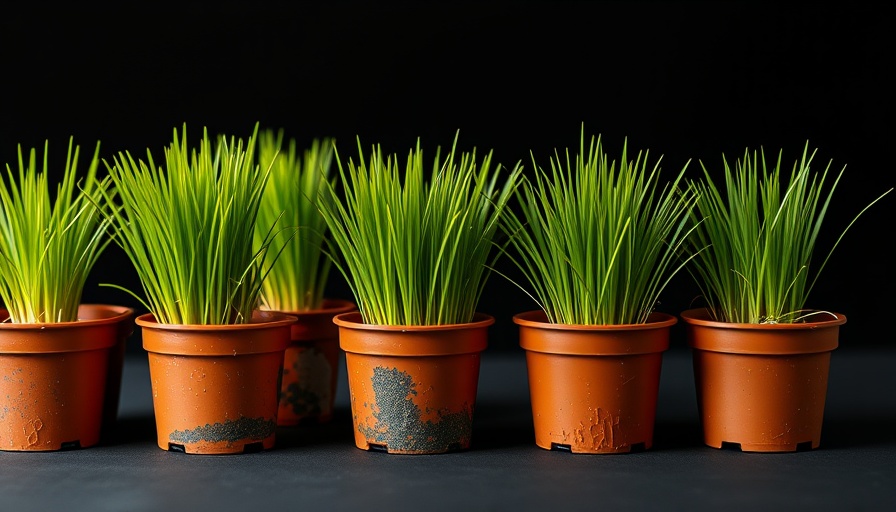
Experimental potted plants for crabgrass and goosegrass management

Crabgrass and Goosegrass: A Common Lawn Battle

For homeowners navigating the challenges of lawn care, identifying common weeds like crabgrass (Digitaria spp.) and goosegrass (Eleusine indica) is vital for maintaining healthy turf. These annual weeds germinate in spring and proliferate quickly, leading to potential infestations that can overwhelm your lawn if left unchecked. Jason James, owner of Turf 212 in Greenville, S.C., emphasizes their similarity, noting that to the untrained eye, both can seem like merely out-of-place grass.

Identifying the Enemy: Key Differences

While both weeds thrive in similar environments, they possess distinct characteristics. Crabgrass is typically clumpier, exhibits dense hairs on its leaves, and may present a purplish hue at the base. Goosegrass stands out with its flat, matted appearance and thicker, whiter root system that resembles a wagon wheel. Furthermore, James underscores the differentiating feature of dallisgrass, which showcases a unique black seed head, making identification easier.

Effective Strategies for Management

The key to triumph over crabgrass and goosegrass lies in a proactive approach. As James elaborates, the application of preemergent herbicides like prodiamine and dithiopyr is critical. He recommends using Barricade (prodiamine) for its versatility and cost-effectiveness—as a general rule, the effectiveness of these treatments hinges on understanding local soil temperatures. In regions where soil temperatures reach about 55 degrees Fahrenheit, typically around mid-February, homeowners can effectively combat these weeds before they take root.

Healthy Lawns, Healthy Weeds: The Best Prevention

Beyond chemical treatments, fostering a robust turf is the best preventive measure against weed invasions. James advocates for thick, healthy lawns, noting that a well-maintained turf outcompetes weeds naturally. Regular mowing heights and frequencies contribute significantly; for instance, allowing fescues to grow taller while maintaining shorter grasses like zoysia and bermuda can help ensure thriving lawns.

Conclusion: Take Charge of Your Lawn

By understanding the right weed identification, utilizing effective herbicide strategies, and committing to healthy lawn maintenance practices, homeowners can take proactive steps to protect their landscapes. A thick, lush turf not only creates a beautiful yard but also wards off troublesome weeds. So, let’s get ahead of the weeds—take action now to safeguard your green spaces!

Tree Care Tips & Landscaping

83 Views

Write A Comment

*
*
Please complete the captcha to submit your comment.
Related Posts All Posts
06.27.2026

Transform Your Outdoor Space: How to Build a Stunning Fern Table

Update Reimagine Your Garden with a Fern Table: A Perfect DIY Project If you're a homeowner with an interest in plants, a fern table could be the creative touch your garden needs. Designed to mimic the forest floor, these unique installations are more than just decorative; they provide a mini-habitat for diverse plant life. As more gardeners lean towards naturalistic designs, fern tables allow you to celebrate nature, even in compact spaces like patios. Why Build a Fern Table in Your Outdoor Space? The rise in popularity of naturalistic gardening can be attributed to the desire for sustainable, visually stunning landscapes. A fern table cleverly integrates this trend, bringing a piece of the wild into your home. Whether you have a sprawling yard or a small balcony, fern tables can fit in any space. They become a focal point that not only enhances the aesthetic but also enriches your connection to nature. Step-by-Step Guide: Crafting Your Own Fern Table The beauty of fern tables lies in their versatility; you can customize them based on personal preferences and available materials. Here’s a simple guideline to get you started: Choose a Base: Begin with a flat surface that can range from old tiles to shallow bowls. Ensure it is at least 12 inches wide to maintain moisture levels. Create a Chunky Soil Mix: Combine two parts bark, one part compost, and one part pumice in a bowl to achieve a dense, nurturing foundation for your plants. Edge with Natural Materials: Use small rocks or pieces of wood to maintain your soil layer while providing a rustic look. Integrate Greenery: Fill your surface with a variety of ferns and shade-loving plants like saxifraga and moss. Their textures and colors will enhance your display. Maintain and Refresh: Water your fern table frequently during growing seasons, and don’t hesitate to refresh your plant selections as they grow or change seasons. What Makes Fern Tables Unique? Unlike traditional gardening methods, fern tables create intimate, easily manageable ecosystems. The layering technique used to assemble them mimics natural forest habitats, accruing microclimates that many plants thrive in. This contemporary gardening approach encourages biodiversity, an essential factor in cultivating resilient environments. Inspiration from Local Experts

06.26.2026

Discover White Sands National Park This Spring: A Homeowner's Guide

Update Embracing the Beauty of White Sands National Park As spring unfurls its vibrant colors, there’s no better time to explore the enchanting landscapes of White Sands National Park. Nestled in the heart of New Mexico, this park is renowned for its striking white gypsum dunes, offering a unique ecological experience unlike any other. Why Spring is the Ideal Season to Visit The arrival of spring breathes new life into the park. Visitors can enjoy moderate temperatures ranging from the low 60s in the day to a crisp coolness at night—perfect for hiking and family outings. With blooming wildflowers dotting the landscape, the allure of White Sands shines brightest during this season. Understanding the Unique Ecosystem White Sands is more than just a stunning backdrop; it’s also a delicate ecosystem. The park is home to various plants and animals, some of which are specially adapted to thrive in this environment. Species such as the alkali sacaton and yucca are integral to the park's biodiversity, providing sustenance and habitat for local wildlife. Conservation Efforts: Protecting White Sands In recent years, conservation efforts have gained momentum, emphasizing the importance of protecting this unique landscape from environmental threats. Engagement from visitors through responsible recreation plays a vital role in preserving the park for future generations. Learning about the delicate balance of this ecosystem can enhance not only your visit but also your appreciation for the natural world. Spring is a beautiful time to take in the stunning sights of White Sands National Park. From its captivating dunes to its unique flora, it invites all nature lovers to connect with the land. So plan your visit, engage with this living landscape, and consider the role we all play in its preservation for years to come.

06.25.2026

Transform Your Space with Low Maintenance Flowers in Tingshu’s Garden

Update Discovering Low Maintenance Flowers for Your Garden For homeowners who love the allure of a beautifully blooming garden but may struggle with the demands of traditional gardening, finding low maintenance flowers is an incredible solution. In Tingshu’s garden, these resilient plants not only provide vibrant colors but also require minimal attention, making them ideal for busy lifestyles. The Benefits of Low Maintenance Flowers Opting for low maintenance flowers means less time spent on weeding, watering, and fussing over plants. These flowers typically rely on natural rainfall, are resistant to pests, and thrive in various soil conditions, which can significantly reduce the amount of work involved in maintaining a garden. Flowers like Daylilies, Sedum, and Coneflowers are not just hardy; they also attract pollinators, enriching your garden's ecosystem. Planning Your Low Maintenance Garden When designing a garden with low maintenance flowers, consider grouping plants with similar water and sunlight needs. This approach can make garden care easier and more efficient. Incorporating native plants can also assist in achieving a low maintenance garden, as these species are naturally adapted to the local environment and weather conditions. Embracing Nature in a Busy World As urban lifestyles become more hectic, the importance of having nature in our lives cannot be overstated. Gardens offer a retreat where one can reconnect with the environment. Low maintenance flowers allow homeowners to enjoy the beauty of nature without the burden of constant upkeep. Imagine returning home to a flourishing garden that brings peace and tranquility—even amidst a busy schedule. Whether you're a seasoned gardener or just beginning, understanding the potential of low maintenance flowers can transform your outdoor space into a sanctuary. Explore various options and begin the journey towards creating a garden that marries beauty with ease. To learn more about cultivating a less labor-intensive garden, consider visiting local gardening workshops or online forums that offer insights on native and low maintenance plant selections. Enjoy the serene beauty of your garden without the stress of extensive upkeep!

Terms of Service

Privacy Policy

Core Modal Title

Sorry, no results found

You Might Find These Articles Interesting

T
Please Check Your Email
We Will Be Following Up Shortly
*
*
*