







Tree Guardian News
update
Tree Guardian News
update
  • Home
  • Categories
    • Storm Damage & Prevention
    • Tree Care Tips & Landscaping
    • Tree Disease Identification & Treatment
    • Insurance Intel
    • DIY Tree Care & Safety
    • Sustainable Tree Care & Eco Solutions
    • Professional Tree Services
    • Arborist Stories
    • Latest News
    • Industry Insights
Arborist Get Featured 
  • update
  • update
  • update
  • update
  • update
  • update
  • update
February 04.2025
2 Minutes Read

How to Inspect and Care for Trees After a Sweltering Summer

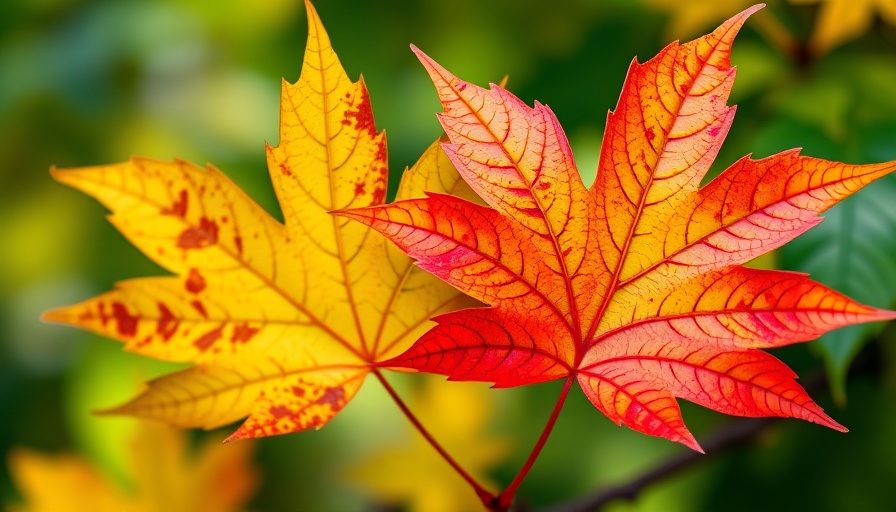
Fall tree care comparison of maple leaves during seasonal change.

Understanding the Impact of Extreme Weather on Trees

Ohio's recent summer, marked by scorching temperatures and lack of rainfall, posed significant challenges for local trees. The unrelenting heat often leads to various stressors that can cause lasting health issues in trees. These conditions not only risk drying out leaves but can severely hamper a tree's ability to thrive.

Trees are integral to urban and suburban environments, yet they face unique challenges. The disturbance caused by human activities—such as construction—compacts soil and disrupts root systems. An understanding of these environmental stressors helps in devising meaningful strategies to maintain the health of our trees.

Identifying Signs of Nutrient Deficiency

One of the best indicators of a tree's health can be found in its leaves. Healthy trees display deep green foliage, which gives an overall balanced appearance. However, discoloration can reveal underlying issues. For instance, yellowing leaves may signal chlorosis, a common condition resulting from nutrient deficiency.

The progression of chlorosis leads to striking differences in leaf color as the veins remain green, contrasting with the yellowing leaf body. By understanding these visual symptoms, tree caretakers can monitor their trees more effectively.

The Importance of Routine Tree Inspections

Regular inspections become crucial for detecting issues before they escalate. Simple actions can prevent long-term damage and ensure trees receive their essential nutrients. This proactive approach can save time and resources compared to more drastic interventions later on.

Consulting with an arborist not only addresses immediate concerns but also provides tailored advice aligned with the specific species, age, and overall environment of the trees in question. This kind of professional insight ensures that trees continue to provide their myriad benefits, enhancing both urban beauty and environmental health.

Creating a Sustainable Tree Care Strategy

As fall sets in across Ohio, it offers an opportune moment to reevaluate tree care strategies. Establishing routine care regimens is key to achieving the desired balance needed for health. This includes assessment of soil quality, water availability, and nutrient levels.

It's not just about maintaining trees; it's about fostering a community that values and nurtures its green spaces. Investing efforts into tree care symbolizes a commitment to a healthier future for both the environment and its inhabitants.

Latest News

62 Views

Write A Comment

*
*
Please complete the captcha to submit your comment.
Related Posts All Posts
04.24.2026

When Is the Best Time to Prune Trees for Healthier Growth?

Explore the best time to prune trees to ensure their health and longevity with expert insights on seasonal pruning.

04.22.2026

Is Your Tree Showing These Signs It Needs Pruning? Find Out Now!

Discover the signs your tree needs pruning, including tree cutting tips and essential pruning signs to ensure healthy growth.

04.17.2026

What You Need to Know About Twig Canker and Diplodia in Little Elm, Texas

Update Understanding the Intricacies of Twig Canker and Diplodia In Little Elm, Texas, various environmental challenges pose significant threats to the health of junipers and Red Mountain Cedars. As residents witness increasing dieback in these much-loved trees, it's vital to grasp the depth of conditions like twig canker and Diplodia. Although these diseases often seem isolated, they reveal a broader narrative of environmental stressors endangering our local landscapes. What is Twig Canker and how does Diplodia Play a Role? Twig canker is caused primarily by the Diplodia fungus, a notorious opportunist in the world of tree ailments. This fungus typically resides in the environment, lying dormant on dead plant material, waiting for the moment a tree weakens under stress. With sufficient moisture and temperature conditions, it springs into action, invading the tree through minor wounds or natural openings. When the fungus takes hold, it disrupts the transport of water and nutrients within the tree, leading to symptoms such as browning branch tips and dieback. This is particularly perilous during drought conditions, like those seen throughout Texas in 2023, where the trees' defensive capabilities are compromised. The Invisible Enemies: Spider Mites While twig canker wreaks havoc internally, spider mites launch an offensive from the outside. These minute pests pierce the foliage, extracting vital chlorophyll and therefore energy. The visible result is often yellowing leaves and an easily recognizable webbing. This interaction illustrates a compound effect where the tree, already weakened by Diplodia, becomes even more susceptible to damage. Environmental Stress Factors Compounding Tree Health Issues The combination of twig canker and spider mites represents just one part of a larger story. Environmental stresses such as drought, soil compaction, and poor drainage exacerbate these tree diseases. Trees struggling with these conditions find it challenging to produce defensive compounds, thus allowing diseases to proliferate. As the tree loses its ability to fend off these threats, it enters a downward spiral, often leading to irreparable damage. Spotting the Signs: What Homeowners Should Look For For homeowners in Little Elm, awareness of early warning signs is crucial for tree maintenance. Keep an eye out for symptoms like yellowing leaves, sparse canopies, and fine webbing on branches, which often indicate spider mite visits. Addressing these issues promptly can increase the chances of tree recovery tremendously. Effective Treatment Strategies for Healthier Trees Mitigating the threats posed by twig canker and spider mites involves a strategic approach. Homeowners should consider consulting with arborists for personalized care strategies tailored to their trees’ specific needs. Regular watering, especially during drier seasons, along with timely pruning can play pivotal roles in managing tree health and preventing disease progression. Utilizing biological control options for spider mites can also help protect these evergreens. Understanding and assessing these conditions will empower local residents to better take care of their trees, promoting healthier, thriving landscapes throughout Little Elm. By emphasizing early detection and proactive strategies, homeowners can significantly enhance the resilience of their junipers and Red Mountain Cedars. Experience the benefits of professional tree care—contact a certified arborist today to support your local landscape!

Terms of Service

Privacy Policy

Core Modal Title

Sorry, no results found

You Might Find These Articles Interesting

T
Please Check Your Email
We Will Be Following Up Shortly
*
*
*