







Add Row
Add Element
Tree Guardian News
update
Tree Guardian News
update
Add Element
  • Home
  • Categories
    • Storm Shield
    • Roots & Routes
    • Disease Detective
    • Insurance Intel
    • DIY Arborist
    • Futureproof Foliage
    • Pro-Partner Spotlight
    • Arborist Stories
    • Tree Care Blog
    • Tree Guardian News Blog
SUBSCRIBE TO NEWSLETTER 
  • update
  • update
  • update
  • update
  • update
  • update
  • update
7 Minutes Read

Connecticut Tree Forest Health: Challenges and Solutions

Special Thanks
We would like to extend our gratitude to Joseph P Barsky, Agricultural Research Technician (and Research Forester) at the Connecticut Agricultural Experiment Station in New Haven, who was interviewed for this article. His detailed insights into tree care have significantly enriched our coverage and provided our readers with expert perspectives on maintaining Connecticut’s forests.
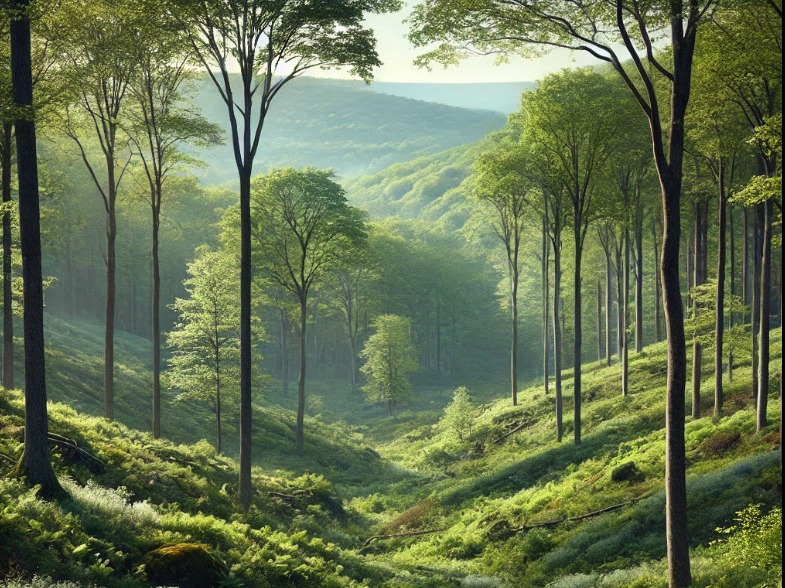
Connecticut Tree Forest Health

Understanding Connecticut Tree Forest Health: Challenges and Solutions

Connecticut’s forests are an important part of our state’s natural beauty and a vital resource for our communities. However, many people overlook the challenges that threaten Connecticut tree forest health. From invasive species to tree diseases and even the risk of wildfires, our forests face many hidden problems. In this article, we will explore these issues, share personal experiences from local outreach events, and explain how you can help protect Connecticut’s valuable forest ecosystem.

The Importance of Connecticut Tree Forest Health

Connecticut’s forests provide clean air, beautiful landscapes, and homes for countless wildlife species. They also protect watersheds and offer natural filtration and forest products which help support the local economy.

Healthy trees improve our local environment by filtering air pollutants and stabilizing the soil. They offer recreational opportunities and boost property values. However, the public often thinks that forests are always thriving without realizing that many factors threaten Connecticut tree forest health. By understanding these issues, residents can take an active role in preserving the state’s natural resources.
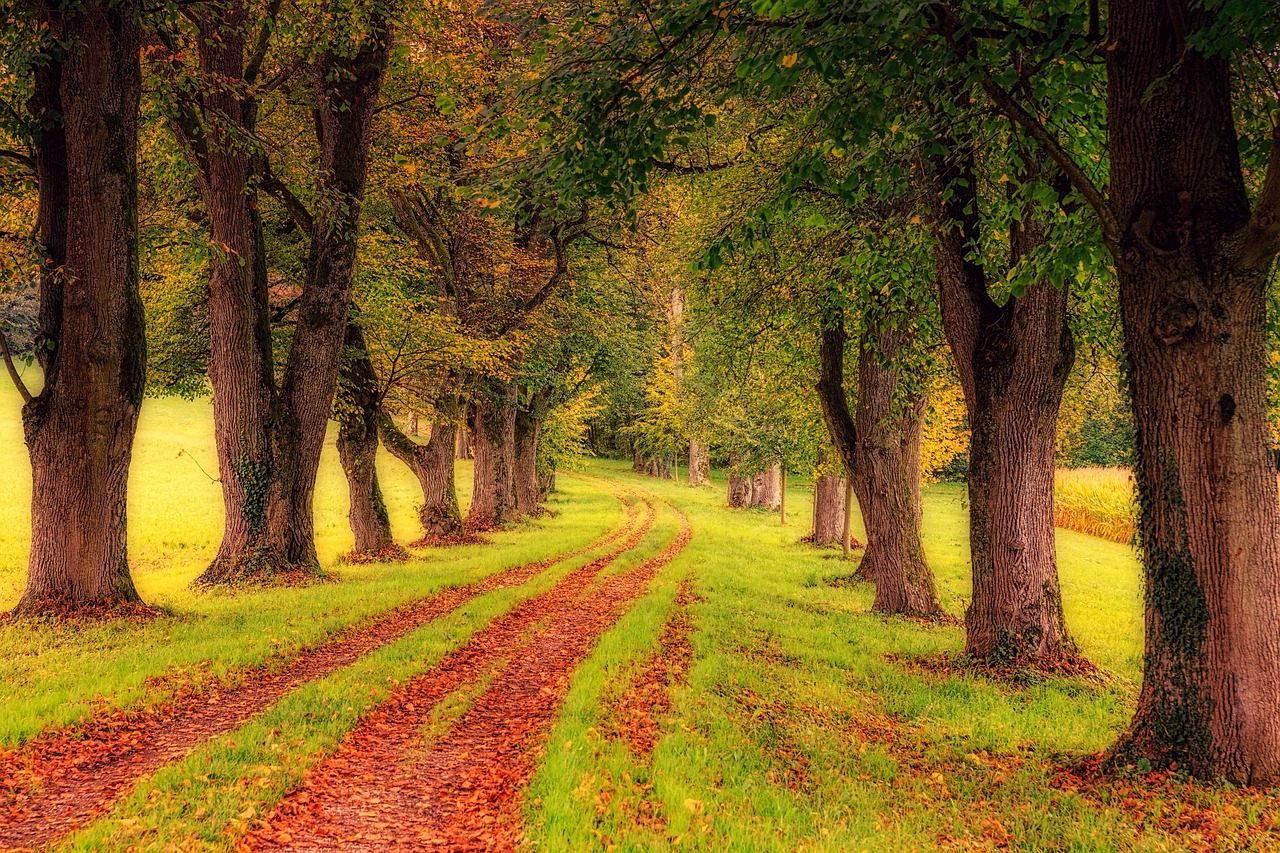


Misunderstandings About Forest Health in Connecticut

Many people see a lush, green forest and can make the mistake that our forests are healthy and resilient. But beneath the surface, there are challenges that affect Connecticut tree forest health. One major issue is the presence of invasive species. These non-native plants spread rapidly and disrupt the natural balance of local ecosystems. They crowd out native species, which have evolved over thousands of years to thrive in Connecticut’s climate and soil.

For example, an invasive vine or shrub can take over a forest area, blocking sunlight and essential nutrients from reaching understory plants. Many of these native shrubs offer nectar for insects, which in turn serve as a foodsource for declining bird populations. When native trees suffer, the entire ecosystem can begin to collapse. Understanding this concept is key to improving Connecticut tree forest health.

Invasive Species: A Threat to Connecticut Forests

Invasive species are one of the biggest threats to Connecticut tree forest health. Unlike native plants, invasive species often lack natural predators in Connecticut. This allows them to grow uncontrollably and proliferate into new areas. They inhibit native trees from establishing the future forest.
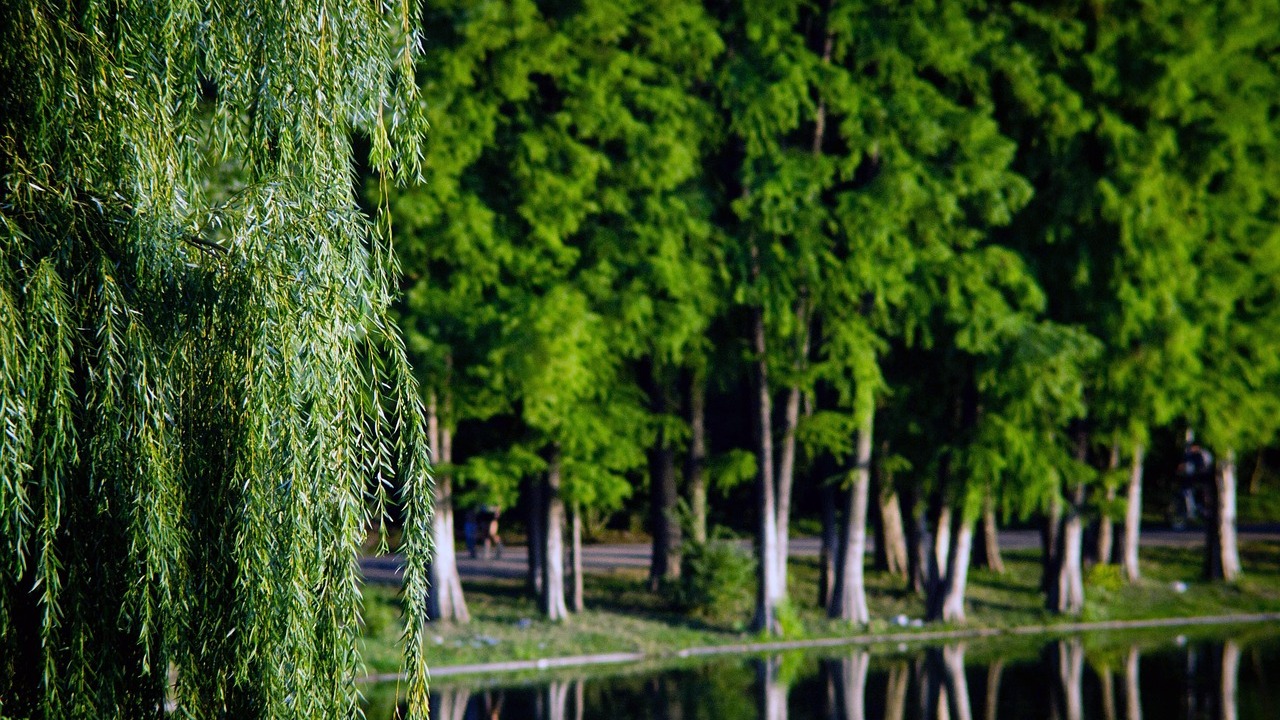


Connecticut Tree Forest Health

Imagine a classroom where one student dominates every conversation, leaving little room for others to share their ideas. In a similar way, invasive species can overrun native plants, making it difficult for local forests to maintain their natural balance.

Efforts to control these species are ongoing, but they require community awareness and participation. Residents can help by learning to identify invasive plants and avoiding their spread. Simple steps, like cleaning your shoes and outdoor equipment before hiking, can prevent the unintentional transport of invasive species from one area to another. Similarly, local plant nurseries have knowledgeable staff which can help select and identify suitable native plants for your backyard habitat.

Forest Diseases Affecting Trees

Just as people can catch illnesses, trees too can suffer from diseases. Various pathogens attack Connecticut’s trees, weakening them and making them more vulnerable to other threats. When trees get sick, they lose their ability to fight off invasive species and recover from environmental stresses.

Consider how a neighborhood would look if many trees suddenly lost their leaves and died.

The loss of shade, clean air, and wildlife habitats would be dramatic. This has actually happened. In early 1980s, widespread gypsy moth (now called spongy moth), caused defoliation in CT. It happened again in eastern CT in 2017-18, and 2018-2019 in western CT. There are thousands of dead trees across CT as a result of that one insect.

In Connecticut, diseases such as oak wilt or beech bark disease have already begun to affect our local forests. Awareness and early detection of these diseases are crucial for protecting Connecticut tree forest health.

The Impact of Wildfires in Connecticut and Beyond

Wildfires are another serious threat to forest health, even in Connecticut. Although our state may not experience the same scale of wildfires as seen in California, wildfire risks still exist. Dry conditions, accumulated dead wood, and invasive species can create a dangerous environment that leads to fires.

Wildfires not only destroy trees but also endanger nearby homes and communities. They release large amounts of smoke and pollutants into the air, which can affect everyone’s health. Recent wildfires in California have shown that once a fire starts, it can quickly grow out of control, leading to devastating consequences.



By studying these events, Connecticut residents can better prepare for and prevent similar situations in our state.

Local Outreach: Learning from the Flower Show

Outreach efforts are making an impact in Connecticut. For instance, forest health exhibits at the Connecticut Flower Show provide an opportunity to connect with with many families, gardeners, and nature enthusiasts who were excited about local flora but unaware of some of the challenges affecting our forests.

During the show, I explained how invasive species can harm Connecticut tree forest health. I used simple language and relatable examples to show how non-native plants can overrun local ecosystems. One memorable moment was talking with a family who visited our outreach booth. They asked questions about how to identify invasive species and what steps they could take to protect native plants. These conversations demonstrated the importance of community engagement in preserving our forests.


How Connecticut Residents Can Help Protect Our Forests

Everyone has a role in protecting Connecticut tree forest health. Here are some easy steps you can take:

Learn About Your Local Ecosystem: Find out which trees and plants are native to Connecticut. Local libraries, plant nurseries, garden centers, and nature centers can be great resources for this information.

Identify and Report Invasive Species: When hiking or gardening, look out for plants that seem out of place. Report any suspicious species to local environmental agencies such as the Connecticut Agricultural Experiment Station or the Connecticut Department of Energy and Environmental Protection. Participate in Community Events: Join tree planting projects, Earth Day events, or educational workshops focused on Connecticut forest health. These events not only help the environment but also build community spirit. Practice Responsible Outdoor Habits: Always clean your hiking boots and gear to prevent spreading invasive seeds. When working in your garden, choose native species over non-native ones.

By taking these steps, you can directly contribute to improving Connecticut tree forest health. Small actions by many individuals can lead to significant positive changes in our local environment.


Recent events such as the wildfires in California serve as a powerful reminder that forest health issues are not isolated to one region. These disasters affect ecosystems, communities, and economies on a large scale. While Connecticut may not experience wildfires as frequently, the underlying issues—such as the spread of invasive species and the impact of forest diseases—are similar.

Understanding these connections can help Connecticut residents see the importance of taking care of our own forests. By learning from national examples and applying those lessons locally, we can work towards a healthier and more resilient forest ecosystem here in Connecticut.

A healthy forest in Connecticut not only benefits the environment but also boosts the local economy. Healthy trees can increase property values and attract tourism. When people visit state parks and nature reserves, they contribute to local businesses and the overall economic health of the community.


Moreover, forests provide a space for education and recreation. Children can learn about nature firsthand, at many of the nature centers across Connecticut and families can enjoy outdoor activities that foster a connection with the environment. By preserving Connecticut tree forest health, we are investing in the future of our state and ensuring that generations to come can enjoy the natural beauty that our forests offer.

Protecting Connecticut’s forests is a community effort. By working together, we can overcome the challenges posed by invasive species, forest diseases, and wildfires. Here are some final steps to take action:

Educate Yourself and Others: Knowledge is power. The more you learn about Connecticut tree forest health, the better equipped you will be to make a difference. Join local conservation efforts: Look for local groups such as town conservation commissions or local land trusts or events that focus on forest health. Your participation can help spread awareness and drive change. Stay Informed: follow local news and updates from environmental agencies.



Being aware of the latest developments can help you act quickly when necessary. Share Your Passion: Encourage friends and family to appreciate and care for Connecticut’s forests. Every conversation about forest health can lead to more community action.

Taking these steps will not only improve Connecticut tree forest health but also create a safer and more vibrant community for everyone.

Connecticut tree forest health is a complex issue, but with awareness and action, we can protect our state’s valuable forests for future generations. Invasive species, tree diseases, and wildfire risks are real threats that require a combined effort from individuals, communities, and local agencies. By understanding the challenges and participating in local outreach events, such as those held at the Connecticut Flower Show, we can help maintain the balance of our local ecosystems.

By taking action today, you can help secure a healthier, greener future for Connecticut. Remember, a well-cared-for forest means a thriving community.

Tree Care Blog

55 Views

Write A Comment

*
*
Related Posts All Posts
01.22.2026

Understanding Tree Risk Assessment: Unveiling the High-Risk Status of an American Elm

Update A Closer Look at Tree Risk Assessment in TexasTree risk assessments are crucial, especially in areas like Joshua, TX, where the health of large trees can affect public safety. Recently, a particularly concerning assessment was conducted on an American elm, which revealed significant issues that could potentially endanger nearby people and properties. According to industry standards set by the International Society of Arboriculture (ISA) and ANSI A300, potential hazards posed by trees must be evaluated confidently, ensuring that not only tree health is considered but also structural stability and environmental risk factors are taken into account.What Makes This American Elm a High-Risk Threat?The risks linked with this American elm tree stem from its advanced basal rot discovered at the trunk flare, a critical area where the tree’s weight is transferred to its root system. When this section becomes compromised, the entire tree's structural integrity is jeopardized. Indeed, this specific tree was classified as a high risk not merely due to its decayed state but also because of its proximity to a busy street in Joshua, where pedestrian safety is paramount.Understanding CODIT: Trees’ Natural Defense MechanismTrees have a unique way of fighting decay known as CODIT (Compartmentalization of Decay in Trees). However, in this case, the failed CODIT Walls resulted in a scenario where decay was progressing faster than the elm could defend itself. This loss of defense means that the tree is on a slipping slope towards total failure.Challenges Posed by External Factors: Wood Borers and Dead LimbsAlongside natural decay mechanisms, external threats such as flatheaded wood-borers also feed on weakened trees, worsening their structural soundness. The presence of borer damage accelerates the decay process, combining these threats results in a tree that is far more vulnerable to failure.Safety First: Why Removal Is the Best OptionDespite the temptation to try and retain such an iconic tree through methods like pruning or cabling, this elm presented a scenario where these techniques would not work effectively due to insufficient sound wood. Thus, the expert recommendation is clear: immediate removal is the only responsible action. Saving a tree that cannot support itself can give rise to a false sense of security, crucially endangering lives and property.The Bigger Picture: Community Health Through Tree Risk AssessmentsIn light of this risk assessment, it is essential for communities in Joshua and other Texas areas to recognize the importance of tree health monitoring. Not all dangerous trees showcase noticeable symptoms like dead foliage; many may appear healthy while internal decay runs rampant. Proactive assessments can help identify these hidden risks before they lead to hazardous situations. Homeowners, tree care enthusiasts, and municipalities should seek out professional evaluations to ensure their community remains safe.

01.19.2026

Unlocking Tree Vitality: The Essential Guide to Tree Care

Update Why Your Trees Deserve Specialized Care Taking care of trees might seem straightforward, but it’s much more complicated than just watering and pruning. Just like pets, taking good care of trees is crucial if we want them to thrive and look beautiful. Understanding the basics of tree plant health care can give you insight into the many needs your trees have. The Essential Role of Arborists in Tree Health Think of arborists as the doctors for trees! These experts are trained to understand the unique challenges that different trees face. They can spot signs of disease, pest infestations, or other threats that might go unnoticed by untrained eyes. Moreover, consulting with an arborist can help create a tailored health plan specific to your trees, including when to water, when to fertilize, and what trimming techniques to use. Five Key Tree Care Practices for Optimal Health 1. **Regular Inspections:** Just as a child needs routine checkups, trees also benefit from regular health assessments. Scheduling periodic inspections can help identify potential problems early on, preventing major issues down the line. 2. **Proper Nutrition:** Trees require a balanced diet too! They need the right nutrients to grow strong and healthy. An arborist can help create a fertilization plan that suits the specific needs of your trees. 3. **Pruning and Trimming:** Trees often grow wild, and managing their growth is vital. Through regular pruning, you can remove unhealthy branches and enhance air circulation, allowing them to thrive. 4. **Pest and Disease Management:** Just like humans can get sick, trees can fall victim to pests and diseases. Arborists are specialists in identifying and treating these problems before they escalate, ensuring they remain healthy. 5. **Mulching and Watering:** The right amount of water and mulch can keep trees hydrated and protected. Consulting an arborist can ensure you’re using the best practices for your specific tree species. The Long-Term Benefits of Proper Tree Care Investing in tree plant health care isn’t just about aesthetics; it’s about creating a lasting environment for your trees. Healthy trees contribute to cleaner air, provide shade, enhance property values, and create a habitat for wildlife. By prioritizing tree care today, you’ll be rewarded with flourishing greenery for years to come. Join the Movement for Healthy Trees Every tree counts! Let’s join hands to protect our green friends through proper tree health care. Take the first step by consulting an arborist today and discover the multitude of benefits that comes with maintaining a vibrant arboreal landscape!

01.19.2026

Essential Tips for Keeping Your Hardwood Trees Thriving in North Texas

Update Essential Tips for Keeping Your Hardwood Trees Thriving in North Texas Hardwood trees such as red oaks, cedar elms, and pecans provide valuable shade and beauty to properties across the Dallas-Fort Worth area. Whether you're a seasoned tree owner or new to caring for greenery, your hardwood trees require understanding, attention, and timely action to stay healthy and robust. Follow these guidelines, supported by scientific principles from the ISA (International Society of Arboriculture) and TCIA (Tree Care Industry Association), to ensure your trees flourish in North Texas. Understanding the Health of Your Hardwood Trees The vitality of a hardwood tree is woven into the intricate relationships of its root system, trunk, and canopy. Healthy trees often show vigorous growth, while decline can subtly begin underground. Early signs may remain undetected until the situation becomes critical, so it's crucial to understand the various factors affecting tree health. Root Systems Matter: A Foundation for Health Roots need three key ingredients: oxygen, moisture, and an uncompacted environment to thrive. Unfortunately, heavy clay soils are common in North Texas, leading to poor drainage and root stress, which can heavily impact tree vitality. Limit watering to avoid saturating the soil. Minimize soil compaction over root zones to allow for air flow. Keep the area around the trunk clear of excess soil or mulch. Ensure the root flare, the point where roots meet the trunk, is visible and not buried. Practical Mulching Strategies for Tree Care Mulching serves as a protective barrier for tree roots, helping to regulate moisture and foster beneficial biological activity in the soil. Here’s how to do it right: Create a wide ring of mulch under the tree’s leaf canopy (the drip line). Maintain a mulch depth of 3 to 4 inches. Don’t let mulch touch the trunk to prevent rot. Avoid forming mulch 'volcanoes' that can harm tree health. Balancing Drainage and Irrigation in Variable Climates North Texas experiences both drought periods and sudden rainfall, both of which can severely affect tree health. Here are signs of poor drainage that every homeowner should watch for: Yellow or thinning leaves indicate root distress. Fungal growth at the tree base could spell trouble. Early leaf drop is a serious red flag. To strengthen roots, practice deep but infrequent watering. Correct Pruning Practices to Ensure Longevity Pruning is essential to maintaining the structure and health of your trees but must be executed correctly. Following ANSI A300 standards will help avoid unnecessary stress to the trees: Avoid excessive cutting to maintain the tree’s structure. Steer clear of topping trees, which can cause severe damage. Space out heavy pruning over seasons to foster recovery. Avoid pruning during extreme heat to reduce stress on the tree. Identifying Environmental Challenges Specific to the DFW Region Trees in the DFW area face unique challenges, ranging from prolonged summer heat to climate fluctuations. Here are some common stressors to consider: High summer temperatures can dehydrate trees. Soil compaction leads to root distress. Construction activities can physically damage tree roots. Increased pest populations can threaten tree health. Sudden temperature swings can shock trees and impede growth. When to Seek Professional Help from an Arborist While homeowners can manage basic care, some situations require a certified arborist's expertise. Here’s when to call for help: Noticeable dead limbs or canopy dieback. Visible cracks or fungal growth on the trunk. Sudden health declines in foliage. Trees adjacent to structures may pose risk due to their size or condition. Consulting a certified arborist can help identify risks and recommend treatments that are tailored to your specific situation, ensuring that your hardwood trees stand strong for years to come. Protect the beauty and value of your property by keeping your hardwood trees healthy. If you have concerns or notice any concerning symptoms, reach out to a certified arborist to ensure your trees receive the best care possible.

Terms of Service

Privacy Policy

Core Modal Title

Sorry, no results found

You Might Find These Articles Interesting

T
Please Check Your Email
We Will Be Following Up Shortly
*
*
*