








Add Row
Add Element
Tree Guardian News
update
Tree Guardian News
update
Add Element
  • Home
  • Categories
    • Storm Shield
    • Roots & Routes
    • Disease Detective
    • Insurance Intel
    • DIY Arborist
    • Futureproof Foliage
    • Pro-Partner Spotlight
    • Arborist Stories
    • Tree Care Blog
    • Tree Guardian News Blog
SUBSCRIBE TO NEWSLETTER 
  • update
  • update
  • update
  • update
  • update
  • update
  • update
1 Minute Read

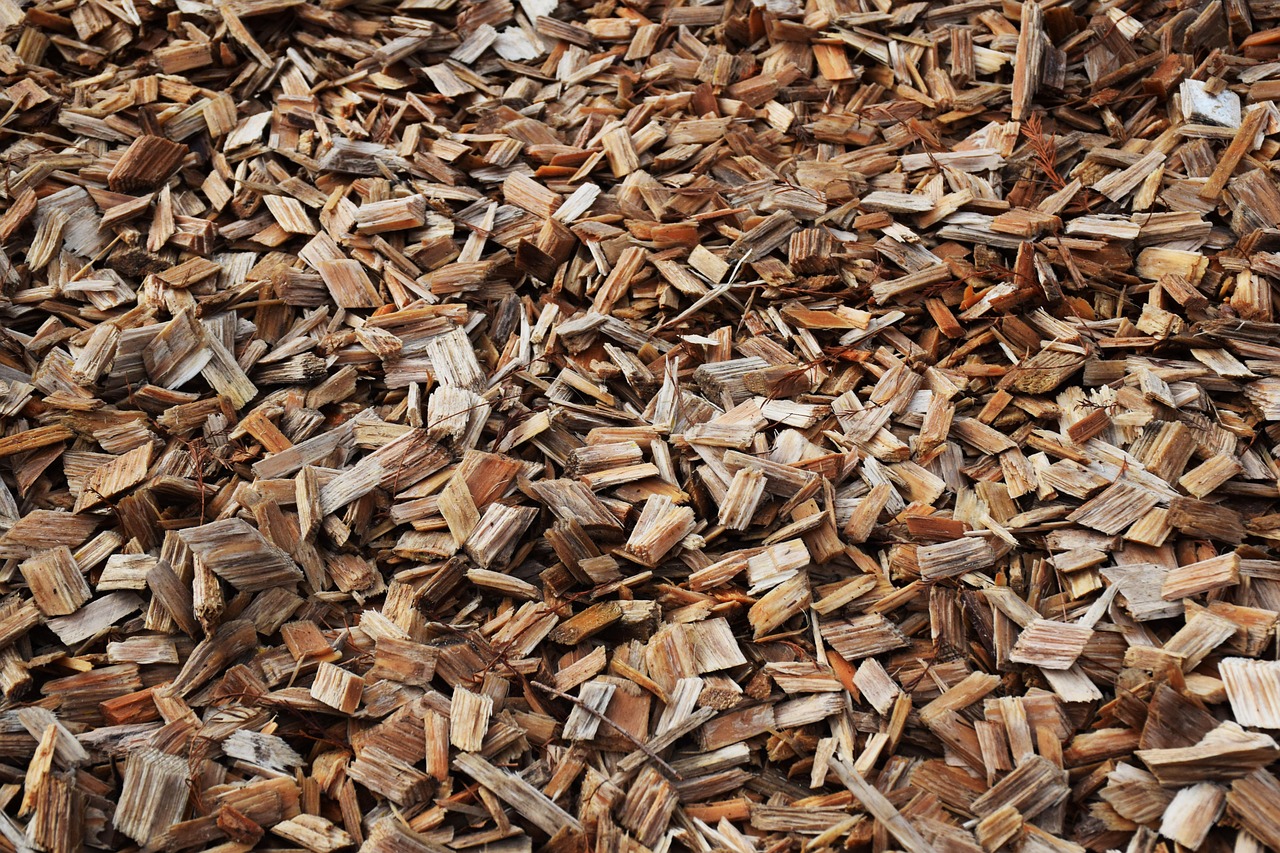
Are Pine chips good for my yard?


We know that it’s very common for arborists to recommend chipping wood on site and scattering the chips to retain the nutrients in the treatment area. However, if you are chipping pine, it’s important to not perform these procedures in the early spring through summer months as this may unintentionally attract bark beetles to the remaining pine trees on site. Best to do this in the late fall and winter months. Freshly cut pine releases volatiles that will attract bark beetles to the site. The beetles may not colonize the woodchips, but they will look for host trees nearby.


Click Here To Learn More

Tree Care Blog

57 Views

0 Comments

Write A Comment

*
*
Related Posts All Posts
01.19.2026

Unlocking Tree Vitality: The Essential Guide to Tree Care

Update Why Your Trees Deserve Specialized Care Taking care of trees might seem straightforward, but it’s much more complicated than just watering and pruning. Just like pets, taking good care of trees is crucial if we want them to thrive and look beautiful. Understanding the basics of tree plant health care can give you insight into the many needs your trees have. The Essential Role of Arborists in Tree Health Think of arborists as the doctors for trees! These experts are trained to understand the unique challenges that different trees face. They can spot signs of disease, pest infestations, or other threats that might go unnoticed by untrained eyes. Moreover, consulting with an arborist can help create a tailored health plan specific to your trees, including when to water, when to fertilize, and what trimming techniques to use. Five Key Tree Care Practices for Optimal Health 1. **Regular Inspections:** Just as a child needs routine checkups, trees also benefit from regular health assessments. Scheduling periodic inspections can help identify potential problems early on, preventing major issues down the line. 2. **Proper Nutrition:** Trees require a balanced diet too! They need the right nutrients to grow strong and healthy. An arborist can help create a fertilization plan that suits the specific needs of your trees. 3. **Pruning and Trimming:** Trees often grow wild, and managing their growth is vital. Through regular pruning, you can remove unhealthy branches and enhance air circulation, allowing them to thrive. 4. **Pest and Disease Management:** Just like humans can get sick, trees can fall victim to pests and diseases. Arborists are specialists in identifying and treating these problems before they escalate, ensuring they remain healthy. 5. **Mulching and Watering:** The right amount of water and mulch can keep trees hydrated and protected. Consulting an arborist can ensure you’re using the best practices for your specific tree species. The Long-Term Benefits of Proper Tree Care Investing in tree plant health care isn’t just about aesthetics; it’s about creating a lasting environment for your trees. Healthy trees contribute to cleaner air, provide shade, enhance property values, and create a habitat for wildlife. By prioritizing tree care today, you’ll be rewarded with flourishing greenery for years to come. Join the Movement for Healthy Trees Every tree counts! Let’s join hands to protect our green friends through proper tree health care. Take the first step by consulting an arborist today and discover the multitude of benefits that comes with maintaining a vibrant arboreal landscape!

01.19.2026

Essential Tips for Keeping Your Hardwood Trees Thriving in North Texas

Update Essential Tips for Keeping Your Hardwood Trees Thriving in North Texas Hardwood trees such as red oaks, cedar elms, and pecans provide valuable shade and beauty to properties across the Dallas-Fort Worth area. Whether you're a seasoned tree owner or new to caring for greenery, your hardwood trees require understanding, attention, and timely action to stay healthy and robust. Follow these guidelines, supported by scientific principles from the ISA (International Society of Arboriculture) and TCIA (Tree Care Industry Association), to ensure your trees flourish in North Texas. Understanding the Health of Your Hardwood Trees The vitality of a hardwood tree is woven into the intricate relationships of its root system, trunk, and canopy. Healthy trees often show vigorous growth, while decline can subtly begin underground. Early signs may remain undetected until the situation becomes critical, so it's crucial to understand the various factors affecting tree health. Root Systems Matter: A Foundation for Health Roots need three key ingredients: oxygen, moisture, and an uncompacted environment to thrive. Unfortunately, heavy clay soils are common in North Texas, leading to poor drainage and root stress, which can heavily impact tree vitality. Limit watering to avoid saturating the soil. Minimize soil compaction over root zones to allow for air flow. Keep the area around the trunk clear of excess soil or mulch. Ensure the root flare, the point where roots meet the trunk, is visible and not buried. Practical Mulching Strategies for Tree Care Mulching serves as a protective barrier for tree roots, helping to regulate moisture and foster beneficial biological activity in the soil. Here’s how to do it right: Create a wide ring of mulch under the tree’s leaf canopy (the drip line). Maintain a mulch depth of 3 to 4 inches. Don’t let mulch touch the trunk to prevent rot. Avoid forming mulch 'volcanoes' that can harm tree health. Balancing Drainage and Irrigation in Variable Climates North Texas experiences both drought periods and sudden rainfall, both of which can severely affect tree health. Here are signs of poor drainage that every homeowner should watch for: Yellow or thinning leaves indicate root distress. Fungal growth at the tree base could spell trouble. Early leaf drop is a serious red flag. To strengthen roots, practice deep but infrequent watering. Correct Pruning Practices to Ensure Longevity Pruning is essential to maintaining the structure and health of your trees but must be executed correctly. Following ANSI A300 standards will help avoid unnecessary stress to the trees: Avoid excessive cutting to maintain the tree’s structure. Steer clear of topping trees, which can cause severe damage. Space out heavy pruning over seasons to foster recovery. Avoid pruning during extreme heat to reduce stress on the tree. Identifying Environmental Challenges Specific to the DFW Region Trees in the DFW area face unique challenges, ranging from prolonged summer heat to climate fluctuations. Here are some common stressors to consider: High summer temperatures can dehydrate trees. Soil compaction leads to root distress. Construction activities can physically damage tree roots. Increased pest populations can threaten tree health. Sudden temperature swings can shock trees and impede growth. When to Seek Professional Help from an Arborist While homeowners can manage basic care, some situations require a certified arborist's expertise. Here’s when to call for help: Noticeable dead limbs or canopy dieback. Visible cracks or fungal growth on the trunk. Sudden health declines in foliage. Trees adjacent to structures may pose risk due to their size or condition. Consulting a certified arborist can help identify risks and recommend treatments that are tailored to your specific situation, ensuring that your hardwood trees stand strong for years to come. Protect the beauty and value of your property by keeping your hardwood trees healthy. If you have concerns or notice any concerning symptoms, reach out to a certified arborist to ensure your trees receive the best care possible.

01.20.2026

Tree Care Myths Busted: What Every Homeowner Should Know

Update Unraveling Tree Care Myths for Healthier Forests Trees bring life, beauty, and a touch of nature to our homes, yet many homeowners unknowingly fall victim to widespread myths, leading to detrimental choices in tree care. Addressing these misconceptions is vital for anyone who values their greenspaces. Let’s dive deeper into some of the commonly believed myths and the truths that counter them! Myth #1: Tree Topping is Beneficial One of the most prevalent myths is that tree topping can reduce fall hazards while improving a tree's wellbeing. The truth is startling: topping is not just harmful but deadly to trees. Removing the top can destabilize their structure and diminish their ability to photosynthesize, making them more vulnerable to pests and diseases. Myth #2: Pruning Always Boosts Growth Many believe that pruning a tree will guarantee vigorous growth. However, indiscriminate pruning can have the opposite effect. While cutting away dead or overcrowded branches can promote health, excessive trimming decreases the tree's photosynthetic ability, highlighting the importance of balanced pruning techniques. Myth #3: Fill Cavities with Concrete Traditionally, homeowners thought filling tree cavities with concrete was a wise choice. However, this approach can seriously damage a tree. Concrete does not flex with the tree during high winds, leading to internal friction, decay, and ultimately inviting disease. Instead, allowing trees to close cavities naturally encourages their healing process. Myth #4: Branches Always Regrow This myth can lead to poor pruning practices. In reality, branches don’t necessarily regrow in the same manner or location. Improper cuts can result in permanent damage, as incorrect pruning disrupts the tree’s natural growth patterns. Careful, educated pruning should always be conducted by professionals. Myth #5: New Trees Must Always be Staked While staking can support young trees in specific conditions, it is not a universal necessity. For many trees, staked too firmly can hinder their sturdiness and development. Proper assessment is required to determine when staking is beneficial, minimizing unnecessary risks to tree health. Myth #6: Diseased Branches Will Fall When Ready Letting nature take its course with old, diseased branches is a gamble. Such branches pose real hazards and should not be ignored. Instead of waiting for these limbs to fall, regular assessments by a certified arborist can prevent accidents and protect property and lives. Importance of Knowledge in Tree Care Understanding the truth behind these myths is essential for homeowners looking to maintain vibrant, healthy trees. In today's world, where misinformation is rampant, relying on trees' innate resilience without proper care can lead to tragedy and loss. Practical Tips for Responsible Tree Care Regular and informed tree maintenance routines, including proper watering techniques, correct seasonal pruning, and timely disease intervention, foster stronger trees. For example, watering deeply stretches root systems and promotes resilience against drought. Similarly, consulting a certified arborist can offer guidance tailored to specific tree needs. Don’t let myths guide your tree care practices. Contact a professional arborist today for accurate advice and assistance tailored to your green investment. For further insights on how to enhance your landscaping, reach out to experts committed to fostering a healthier environment.

Terms of Service

Privacy Policy

Core Modal Title

Sorry, no results found

You Might Find These Articles Interesting

T
Please Check Your Email
We Will Be Following Up Shortly
*
*
*