







Add Row
Add Element
Tree Guardian News
update
Tree Guardian News
update
Add Element
  • Home
  • Categories
    • Storm Shield
    • Roots & Routes
    • Disease Detective
    • Insurance Intel
    • DIY Arborist
    • Futureproof Foliage
    • Pro-Partner Spotlight
    • Arborist Stories
    • Tree Care Blog
    • Tree Guardian News Blog
SUBSCRIBE TO NEWSLETTER 
  • update
  • update
  • update
  • update
  • update
  • update
  • update
March 12.2025
1 Minute Read

Why Is Forest Health Important for Local Communities?

Why Is Forest Health Important for Local Communities?

Imagine stepping into a vibrant forest, where each tree tells a story of balance and resilience. The importance of forest health extends far beyond scenic beauty; it’s a lifeline for local communities, offering clean air, water, and biodiversity. But what happens when these ecosystems falter? In "Why Is Forest Health Important for Local Communities?" we’ll uncover how nurturing our forests impacts not just nature, but our livelihoods, health, and future. Join us on this journey to explore the critical connection between thriving forests and thriving communities.

What You'll Learn

  • The definition and significance of forest health
  • The multifaceted benefits of healthy forests
  • Challenges facing forest health and potential solutions
  • How communities can engage in forest conservation

Overview of Forest Health

Defining Forest Health

Forest health is a measure of the vitality and functionality of forest ecosystems. Healthy forests support a wide variety of plant and animal species while maintaining the balance of the water cycle and carbon storage. They provide essential ecosystem services that are crucial for human wellbeing, such as clean water and air pollution reduction.

Role of Forests in Local Ecosystems

Forests act as the lungs of our planet, absorbing carbon dioxide and releasing oxygen. They are home to countless species and play a pivotal role in maintaining biodiversity. Moreover, forests regulate local climates, mitigate climate change impacts, and support the water cycle, which is vital for all life forms.

Benefits of Maintaining Forest Health

Environmental Benefits

Healthy forests are essential for environmental stability. They help in reducing greenhouse gas emissions, preserving biodiversity, and maintaining soil fertility. These forests act as a safety net, ensuring the survival of many species and providing resilience against climate change.

Economic Contributions

Forests contribute significantly to the economy. They provide resources for industries such as timber, paper, and pharmaceuticals, and create jobs in forest management and conservation. Sustainable forestry practices ensure that these economic benefits can be enjoyed without compromising the health of forest ecosystems.

Social and Cultural Importance

Forests hold immense social and cultural value. They are places of recreation and tranquility, offering a space for forest visits that promote mental health by reducing stress levels. Culturally, forests are integral to many indigenous communities, providing a connection to heritage and traditional practices.
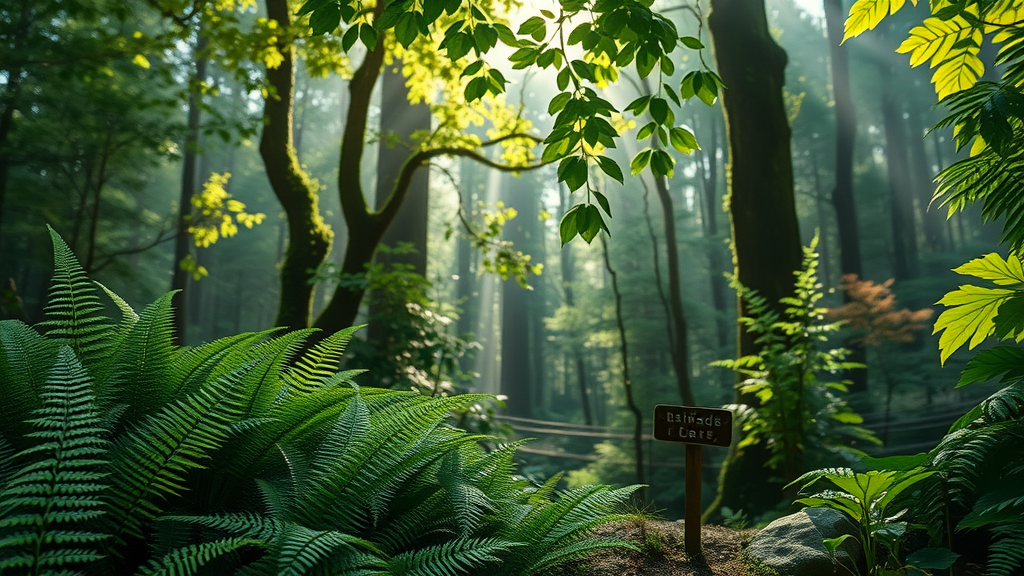
Challenges to Forest Health

Deforestation and Land Degradation

Deforestation, driven by logging and agricultural expansion, leads to habitat loss and soil erosion. This degradation affects the entire ecosystem, disrupting the root system and reducing the forest’s ability to provide essential services.

Climate Change Impact

Climate change poses a significant threat to forest health. Rising temperatures and erratic weather patterns increase the susceptibility of forests to drought, pests, and diseases, leading to forest dieback and loss of biodiversity.

Pests and Diseases

Invasive species like the emerald ash borer and bark beetle threaten forest health by damaging trees, leading to dead trees and increased vulnerability to fires and other environmental stresses.

Why is Forest Health Important?

Joseph Barsky, an agricultural research technician, emphasizes, "People don't really understand the work involved in keeping a healthy environment and why it's important to them."

The importance of forest health cannot be overstated. Forests are vital for climate regulation, biodiversity conservation, and providing ecosystem services like clean water and air purification. They are crucial for sustaining human health and livelihoods.

How a Healthy Forest Builds a Healthy Community

Link Between Forests and Human Health

Forests contribute significantly to human health. By providing fresh air and reducing air pollution, they help lower blood pressure, reduce stress hormone levels, and improve overall mental health.

Community Engagement in Forest Conservation

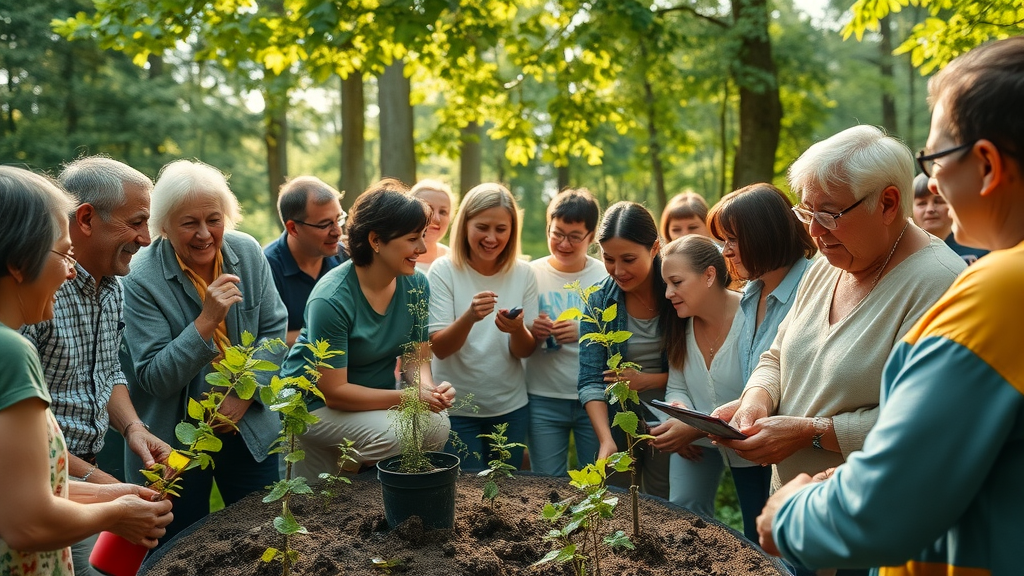
Engaging local communities in forest conservation efforts is crucial. Community-led initiatives like tree planting and sustainable management practices empower people to take ownership of their natural resources, fostering a sense of responsibility and connection to the environment.
Exploring the Healthy Forests Initiative

Goals and Objectives

The Healthy Forests Initiative aims to restore and maintain forest health through sustainable management practices, reducing fire risk and promoting biodiversity. It seeks to balance economic, ecological, and social needs to ensure forests remain resilient for future generations.

Success Stories and Impact

Several projects under the Healthy Forests Initiative have successfully reduced fire risk, improved water quality, and increased public awareness about the importance of forest conservation. These success stories highlight the potential of collaborative efforts in achieving sustainable outcomes.

Expert Insights: Best Practices for Forest Conservation

Sustainable Forestry Practices

Sustainable forestry involves managing forests to maintain their health and productivity. Techniques such as selective logging and reforestation ensure that forest resources are used responsibly and can regenerate naturally.

Community-Based Conservation Efforts

Involving communities in conservation projects has proven effective. By educating and empowering local populations, these efforts harness indigenous knowledge and foster a collective commitment to preserving forest health.

Innovative Technologies in Forestry

Joseph Barsky adds, "We like to be involved with people that really have the cutting edge information."

Technological advancements like remote sensing and GIS mapping have revolutionized forest management. These tools provide detailed data for monitoring forest health and planning conservation strategies with precision.

Common Misconceptions About Forest Health

Myth: Forests Do Not Need Human Intervention

Contrary to popular belief, forests require active management to remain healthy. Human intervention, through conservation and restoration efforts, is essential for addressing threats like invasive species and climate change.

Myth: Forest Conservation Hinders Economic Growth

While some argue that conservation restricts economic activities, sustainable forest management can support economic growth by providing resources like timber and medicinal plants without depleting natural capital.

Actionable Tips for Supporting Forest Health

How Individuals Can Contribute

Individuals can play a significant role in forest conservation. Simple actions like reducing paper waste, supporting sustainable products, and participating in tree planting initiatives make a difference.

Engaging with Local Initiatives

Getting involved with local conservation groups can amplify efforts to maintain forest health. Volunteering for clean-up drives, educational workshops, and advocacy campaigns strengthens community engagement.

Educating the Community

Raising awareness about the importance of forest health and conservation can inspire others to take action. Educational programs in schools and public forums help disseminate knowledge and promote sustainable practices.

People Also Ask

Why is forest health important?

Forest health is critical because it supports biodiversity, climate regulation, and provides ecosystem services essential for human survival, such as clean water and air purification.

Why is it important to maintain the forest?

Maintaining forest health ensures the continued provision of vital resources, supports wildlife habitats, and mitigates the impacts of climate change.

How does a healthy forest make a healthy community?

Healthy forests contribute to community wellbeing by improving air quality, reducing stress levels, and offering recreational opportunities that enhance physical and mental health.

What is the purpose of the Healthy Forests initiative?

The purpose of the Healthy Forests Initiative is to restore and maintain the health of forests by implementing sustainable management practices that balance ecological, economic, and social objectives.

Video: The Role of Forest Health in Sustainable Communities

Explore how forest health impacts sustainable communities in this insightful video:

Conclusion

Reflecting on the Role of Forests in Our Lives

Forests are more than just trees; they are vital ecosystems that sustain life on Earth. Their health directly influences our environment, economy, and culture. Recognizing the importance of forest health is crucial for fostering a sustainable future.

Future Directions for Forest Conservation

Moving forward, it is imperative to implement innovative conservation strategies, enhance community engagement, and promote global cooperation to safeguard our forests. By doing so, we can ensure a healthier planet for future generations.
Key Takeaways

  • Forests are essential for environmental stability and human wellbeing.
  • Maintaining forest health requires community involvement and sustainable management practices.
  • Challenges such as deforestation and climate change threaten forest ecosystems.
  • Conservation efforts must balance ecological, economic, and social needs.

Sources

For further reading, please visit the following external links:

  • WWF Caucasus
  • Natureza Portugal
  • PubMed Article
Tree Care Blog

45 Views

0 Comments

Write A Comment

*
*
Related Posts All Posts
12.14.2025

Certified Arborist: Why Credentials Matter for Your Trees

Did you know? Homeowners who hire a certified arborist see 40% fewer serious tree health issues than those who attempt care themselves or trust uncertified services. Credentials aren’t just paperwork—they’re your trees' lifeline, ensuring health, safety, and lasting value for your property. In this article, you’ll discover the powerful impact a certified arborist brings, the journey to certification, and how these trusted professionals protect both your landscape and your investment. Startling Facts: The Impact of a Certified Arborist on Tree Health When it comes to the health and longevity of your trees, credentials are more than just a title—they represent a set of standards and deep-rooted knowledge. Studies show that trees under the care of a certified arborist live longer, are less susceptible to disease, and require fewer emergency removals or corrective interventions. A certified arborist brings a scientific approach to tree diagnosis, maintenance, and treatment, ensuring that every action taken is tailored to the unique needs of your individual trees. This careful attention not only maintains the beauty of your property but also boosts its value over time. Many homeowners are surprised to learn that failing to use a certified arborist can leave your landscape vulnerable to improper tree care that leads to pest outbreaks, irreversible property damage, or even injury liability. By choosing a professional with an ISA certified arborist credential, you reduce these risks, thanks to the rigor involved in obtaining and retaining such qualifications. The difference it makes extends beyond tree health—it's a commitment to safe work practices, informed decisions, and your total peace of mind. "A certified arborist reduces the risk of improper tree care, which can lead to pest outbreaks and property loss." – ISA Certified Arborist What You’ll Learn About Hiring a Certified Arborist The value a certified arborist brings to your property What sets a certified arborist apart from general landscapers Educational and experience requirements, including high school diploma or GED Answers to the most common questions about certified arborist credentials Why Choose a Certified Arborist? Credentials, Trust, and Results One of the distinguishing features of a certified arborist is their commitment to professionalism and safety. These arborists must adhere to rigorous safety standards, as required by the ISA certified program, and are subject to ongoing education to maintain their certification. Passing the ISA certified arborist exam is no simple task—it demonstrates a high level of knowledge in tree biology, diagnosis, maintenance, and proper pruning techniques. This expertise means fewer mistakes and greater confidence that your trees receive only the most appropriate, science-backed care. Trust also comes from verified credentials. A certified arborist isn’t just someone who enjoys working outdoors—it's a professional who practices with tested qualifications, meets the requirements of the ISA credential, and proves their skills through education and hands-on experience. By investing in a certified arborist, you’re safeguarding your property’s aesthetics, preventing costly emergencies, and ensuring landscaping choices that stand the test of time. For homeowners interested in proactive care, learning about the benefits of professional tree trimming services can further enhance your landscape’s health and appearance. Proper trimming, when performed by certified experts, is a key component of long-term tree vitality and safety. ISA certified standards for safety and professionalism Importance of the ISA certified arborist exam and ongoing education How a certified arborist’s expertise can prevent costly tree issues Criteria Certified Arborist General Tree Service Credentials ISA certified, arborist exam Often none required Education High school diploma or GED Varies Professional Standards ISA code of ethics No unified standards Long-term Value Higher health & safety outcomes Variable results Pathway to Becoming a Certified Arborist Education: Diploma, GED, and Beyond in Arboriculture The journey to becoming a certified arborist begins with education. At minimum, candidates must have a high school diploma or GED. This foundation ensures that all certified professionals possess essential scientific literacy, safety understanding, and problem-solving skills necessary in the field of arboriculture. Many choose to pursue additional qualifications, such as a college degree or an advanced school diploma in diseases, plant health, or environmental science, further enhancing their expertise and employability within the tree care profession. Dedicated arborists often enroll in specialized arborist programs, exam prep courses, or apprenticeships, which deepen their knowledge in proper tree care, soil science, pest management, and safe work practices. These opportunities not only provide practical experience but also position them favorably in the job market by demonstrating initiative and a passion for professional growth. For many, pursuing certifications beyond the minimum requirements distinguishes them as reliable resources for tree owners, municipalities, and commercial property managers alike. High school diploma or GED as the baseline requirement Additional school diploma or college degrees enhance expertise Specialized arborist programs and certifications Certification: The ISA Certified Arborist Exam Process After acquiring foundational education, aspiring arborists must pass the ISA certified arborist exam—a comprehensive test that evaluates knowledge of arboriculture, plant pathology, soil management, and much more. Sitting for this exam typically requires a minimum of three years’ full-time experience in tree care, and many candidates choose to enroll in certified arborist exam prep courses to boost their confidence and expertise. Successful completion not only verifies mastery of important concepts but also opens doors to advanced career opportunities within the professional tree care industry. Maintaining ISA certification isn't a one-time effort. Certified arborists are required to pursue ongoing education, ensuring they stay at the forefront of industry standards, science, and safety. This means regularly participating in coursework, conferences, and hands-on seminars to retain their credential. Not only does this demonstrate professionalism, but it also reassures clients that their arborist’s knowledge is current, reliable, and aligned with the latest research. Overview of the ISA certified arborist exam Experience and study required to sit the certified arborist exam How to maintain status as an ISA certified arborist Expertise in Action: How a Certified Arborist Protects Your Trees The real value of a certified arborist comes to life when they apply their knowledge on-site. These professionals are uniquely trained to diagnose tree diseases, identify pests, and recommend corrective actions—skills honed through dedicated education and experience. Whether determining the best time for pruning, deciding between tree removal or disease treatment, or advising on emergency care after a storm, a certified arborist's input can make all the difference. Beyond routine maintenance, certified arborists excel in providing long-term strategies for urban and residential landscapes. Their risk assessment expertise helps prevent costly accidents, and in the event of a crisis, they’re ready to respond with well-practiced procedures. From soil testing to advanced pruning techniques, their work upholds the highest standards in the profession, ensuring safety, sustainability, and growth for your landscape investments. Diagnosis of tree diseases by a certified arborist Proper pruning, removal, and tree care decisions backed by credentials Emergency response and risk assessment "A certified arborist is a tree’s best defense—knowledge, vigilance, and proven standards are non-negotiable for your landscape investment." People Also Ask: Common Certified Arborist Questions Answered What does it mean to be a certified arborist? A certified arborist is a professional who practices proper tree care following a rigorous set of standards. To earn the credential, one must obtain a high school diploma or GED, gain years of hands-on work experience, and pass a comprehensive arborist exam administered by the International Society of Arboriculture (ISA). This certification demonstrates a high level of knowledge and a commitment to ongoing education, giving homeowners peace of mind that their trees are in skilled hands. How long is school to be an arborist? To become a certified arborist, the minimum educational requirement is a high school diploma or GED, which typically takes about four years to complete in the United States. Many professionals go on to pursue additional schooling or specialized arborist programs, which can take from several months for certifications to two or more years for an associate or bachelor’s degree in a related field. It’s the combination of formal education and on-the-job experience that best prepares arborists for certification and successful, long-term careers in the field. What’s the difference between an arborist and a certified arborist? While the term "arborist" may apply to anyone working in tree care, a certified arborist is someone who has met strict ISA standards by earning their credential through education, experience, and a passing score on the ISA certified arborist exam. Certified professionals adhere to a code of ethics and commit to continuing education, whereas a generic arborist might not have any formal training, credentialed knowledge, or ongoing oversight. What kind of schooling do you need to be an arborist? At minimum, a high school diploma or GED is required to begin a career as an arborist. For those aiming to stand out, further education in arboriculture, horticulture, biology, or environmental science is highly recommended. These advanced specializations build vital skills in diagnosis, tree and plant science, and scientific research, providing a strong foundation for achieving the ISA certified arborist credential and excelling in the field. FAQs: Everything to Know Before Choosing a Certified Arborist How often does a certified arborist renew credentials? Most ISA certified arborists must renew their certification every three years. This process involves completing continuing education units (CEUs) and, in some cases, retaking specific assessments to demonstrate updated competence. Can a certified arborist help with storm damage assessment? Absolutely—certified arborists are specially trained in emergency response and risk assessment. They can safely evaluate storm-damaged trees, recommend actions to prevent hazards, and guide recovery efforts to preserve your landscape’s health. Does a certified arborist have insurance and liability coverage? Yes, most certified arborists carry appropriate insurance and liability coverage. This protects homeowners from potential accidents, property damage, or liabilities during tree-related work, ensuring a safe and worry-free experience. Certified Arborist in Action: Tree Care Demonstration Watch: A certified arborist performing tree health assessment, proper pruning techniques, and explaining ISA standards in a residential setting. Includes close-ups of diagnostic tools, safe climbing harness usage, and quick tips for tree owners. Key Takeaways Before You Hire a Certified Arborist Credentialed professionals protect trees—and your property’s value ISA certified arborist credentials require rigorous training and testing Choosing a certified arborist ensures better outcomes for your landscape Take the Next Step: Connect with a Certified Arborist Today Grow your landscaping expertise—call 203-271-7991 or visit TreeGuardianNews.com to subscribe. If you’re ready to take your landscape’s health to the next level, consider exploring proven strategies for long-lasting tree health that go beyond basic care. Discover how a holistic approach—combining certified expertise, preventive maintenance, and advanced techniques—can transform your property into a thriving, resilient ecosystem. By deepening your understanding of tree health, you’ll be empowered to make smarter decisions and maximize the value of your investment. Let your journey toward a greener, safer landscape continue with expert insights designed for passionate tree owners like you. When it comes to your trees, only trust the best—choose a certified arborist and invest in a safer, greener future. To further understand the significance of hiring a certified arborist, consider exploring the following resources: The International Society of Arboriculture’s article, “ISA Certified Arborist,” outlines the rigorous certification process and the comprehensive knowledge required to achieve this credential. The Wisconsin Arborist Association provides a directory of certified professionals in their “Find An ISA Certified Arborist” section, assisting homeowners in locating qualified arborists in their area. These resources offer valuable insights into the qualifications and benefits of certified arborists, ensuring your trees receive expert care.

12.13.2025

What You Need to Know About Arborist Qualifications

Did you know? Fewer than 30% of professionals employed in the tree care industry possess formal arborist qualifications, yet certified arborists command salaries up to 40% higher than their non-certified peers. Whether you're considering a new career path in arboriculture or seeking ways to advance in the competitive tree care industry, understanding the ins and outs of arborist credentials is crucial for career growth and for providing the best care to our urban forests. Unlocking Arborist Qualifications: Surprising Insights and Industry Facts Navigating the world of arborist qualifications reveals unique insights that can shape your trajectory in the tree care industry. Unlike the traditional approach to horticulture, pursuing an arborist career isn’t just a matter of passion—it’s about meeting well-defined benchmarks for safety, expertise, and professionalism. Modern urban forestry relies heavily on qualified arborists who possess not only basic knowledge but also demonstrated higher skills in tree care, risk assessment, and advanced tree worker practices. A common misconception is that experience alone suffices, but most employers and municipalities now require certified arborist credentials sanctioned by reputable bodies such as the International Society of Arboriculture (ISA). The rationale is simple: qualified arborists reduce liability, improve outcomes in tree work, and ensure the well-being of both the urban forest and the communities it serves. Notably, the distinction between a certified and a qualified arborist may determine your access to larger contracts, managerial roles, and even specialized consulting opportunities. For those looking to step into this professional arena, understanding these standards is more important than ever. What You'll Learn About Arborist Qualifications The difference between certified arborist and qualified arborist credentials The educational and experience requirements for arborist qualifications Key steps in the career path for arborists How tree care certifications impact your earning potential Relevant degrees and continuing education for aspiring arborists Understanding Arborist Qualifications and Certified Arborist Credentials “Becoming a certified arborist is more than a title—it’s a testament to your commitment to healthy, safe, and sustainable tree care.” — International Society of Arboriculture What defines a qualified arborist vs. a certified arborist Overview of industry standards and certifications Importance of certified tree professionals in modern urban forestry At its core, distinguishing a qualified arborist from a certified arborist all comes down to formal recognition and verified expertise. A qualified arborist may possess substantial work experience and practical skills in the field of arboriculture, sometimes gained under the guidance of a certified tree expert. However, a certified arborist has not only acquired this knowledge but has also demonstrated basic knowledge and higher skills through formal exams, continuing education, and adherence to a code of ethics set by leading organizations like the ISA. Industry standards for arborist qualifications are designed to ensure safety and quality in the increasingly complex landscape of urban forest management. Certified credentials indicate to employers and clients that a professional has demonstrated a higher level of knowledge and skill, from tree risk assessments to specialized tree care techniques. As cities and towns rely more on urban trees for ecosystem benefits and livability, the demand for certified arborist services has soared, underscoring the need for verified expertise in the care industry. Education and Training Requirements for Arborist Qualifications Educational requirements for arborist qualifications are structured to ensure that candidates gain solid groundwork in botany, forest management, plant pathology, and safety. While some may enter the industry with just a high school diploma, advancing to a certified arborist status usually requires a mix of formal education—such as an associate or bachelor’s degree in arboriculture, horticulture, or urban forestry—and robust field experience. Many employers prefer hiring arborists who not only attended specialized schools but also participated in internships or hands-on training programs. Training is where knowledge meets action. For those aiming for a higher level of expertise, hands-on field experience under the supervision of a qualified arborist or certified tree expert is invaluable. Most respected certification programs, like those from the ISA, set the bar at several years of documented, full-time field work. Demonstrated basic knowledge in plant care, safety protocol, equipment handling, and tree risk assessment ensures candidates are truly occupationally ready—not just equipped with textbook learning, but capable of delivering professional results in the field. For those interested in how arborist qualifications intersect with broader environmental and homeowner concerns, it's worth noting that specialized task forces and industry initiatives can play a pivotal role in supporting both professionals and the public. For example, the California Smoke Claims Task Force demonstrates how coordinated efforts can address emerging challenges in tree care and urban forestry. Qualification Education Needed Experience Required Certified Arborist High school diploma; recommended 2- or 4-year degree in arboriculture or related field At least 3 years full-time experience Qualified Arborist Varies; often industry experience and training 2–3 years working under a certified arborist Arborist Career Path: From Entry-Level to Certified Tree Expert Entry-level positions and internships Path to becoming a certified arborist Advanced certifications and specializations A successful career path in arboriculture generally starts with entry-level positions such as grounds crew, tree worker, or tree care technician. These roles provide crucial field experience, allowing you to build foundational skills and basic knowledge that will serve you at higher levels. Internships or apprenticeships are especially valuable for those who lack field experience but want to break into the care industry; they provide networking opportunities, mentorship, and hands-on learning necessary for future certification. Once you have logged the required work experience and developed a solid understanding of tree risk assessment, pruning, planting, and plant health care, the next milestone is obtaining certified arborist credentials. Many professionals subsequently pursue advanced certifications—such as Certified Tree Expert, Utility Specialist, or Municipal Specialist—which can unlock higher level positions in consulting, management, or even education. Each step up the ladder reflects not only a demonstrated higher level of knowledge and skill but broader career opportunities and increased earning potential. To see this progression in action, consider watching “A Day in the Life of a Certified Arborist” for a real-world glimpse of this dynamic field. Tree Care Skills and Certifications: What Employers Seek in Qualified Arborists Essential tree care techniques and knowledge Importance of continuing education Affiliations with professional organizations Employers in the tree care industry are actively searching for candidates with a blend of technical know-how, practical field experience, and verifiable credentials. Skills that top the list include proper pruning techniques, tree risk evaluation, disease identification, and safe operation of equipment. In most organizations, having a certified arborist or qualified arborist on staff is not just a bonus—it’s an industry expectation for safety and quality. Demonstrated basic and higher skills are particularly important for roles involving urban forest management, where the stakes of proper tree care are high for public safety and ecological balance. To stay competitive, ongoing learning is key. Continuing education requirements ensure that arborists keep up with evolving industry standards, innovative care techniques, and the latest in pest and disease management. Active affiliations with professional organizations such as the ISA or local urban forestry groups signal your commitment to quality and best practices. The combination of field experience, specialized knowledge, and continued learning sets apart those positioned for the highest roles in the tree care industry. Maximizing Salary and Advancement with Arborist Qualifications It’s no secret that arborist qualifications directly influence a professional’s earning power and trajectory in the tree care industry. Entry-level arborists, who often start as ground crew or assistants, earn a starting salary, but their income can quickly rise with additional credentials and experience. Passing certified arborist exams or achieving advanced specializations not only signals demonstrated higher skills and knowledge but also opens doors to project management, consulting, and tree risk assessment gigs. Research shows that certified arborists and certified tree experts earn significantly more than those without formal credentials. This is due to their proven expertise, higher skills in certain technical areas, and the trust they inspire in clients seeking professional tree work. For those aiming to lead teams, embark on independent consulting, or work in municipal forest management, investing in further education and specialty certifications is a proven path to a higher level of knowledge, salary, and influence within the care industry. Role Typical Salary Range Certification Influence Entry-Level Arborist $35,000–$45,000 Minimal Certified Arborist $50,000–$70,000 Significant Certified Tree Expert $70,000–$100,000+ Highly significant People Also Ask: All About Arborist Qualifications What are the requirements to be a certified arborist? To become a certified arborist, you must meet both education and experience thresholds set by bodies like the ISA. Typically, candidates need a high school diploma and three or more years of full-time practical field experience in tree care or a related discipline. This includes skills in pruning, planting, diagnosis, tree risk assessment, and safe equipment use. Once you fulfill these prerequisites, you must pass a comprehensive exam covering all aspects of arboriculture, demonstrating not only basic knowledge but also a higher level of competence in modern tree care industry standards. What kind of schooling do you need to be an arborist? While it’s possible to start as a tree worker with just a high school diploma, most career-oriented arborists pursue further education. Associate’s or bachelor’s degrees in arboriculture, horticulture, environmental science, or forest management are highly recommended and sometimes required for higher level roles. Additionally, vocational training programs and industry-recognized certifications provide hands-on skills not always covered in traditional schooling. These educational pathways ensure you gain not only theoretical knowledge but also practical abilities essential for success as a qualified arborist or tree surgeon. What is the top salary for an arborist? The salary for an arborist varies based on credentials, location, specialization, and years of field experience. Entry-level positions often pay between $35,000 and $45,000 annually, while a fully certified arborist can expect $50,000–$70,000. Those who become certified tree experts or branch into consulting, management, or specialized roles may earn upwards of $100,000 annually. The more you advance your qualifications, especially through demonstrated higher skills and specialty certifications, the better your chances for top earnings in the care industry. What degrees are best for arborists? The most highly regarded degrees for aspiring arborists include those in arboriculture, horticulture, urban forestry, and forest management. These programs offer not only a comprehensive grounding in plant biology and care but also essential courses in pest control, disease management, and tree risk assessment. Supplementing these degrees with hands-on internships and field experience is key to bridging classroom theory with career-ready tree care skills. Key Takeaways for Pursuing Arborist Qualifications Arborist qualifications are crucial for career credibility and advancement. Certified arborist status offers higher earning potential and a clear career path. A blend of education, hands-on experience, and professional certification is essential for success in tree care. Frequently Asked Questions About Arborist Qualifications Can arborist qualifications be earned online? Many educational programs and some exam prep courses are offered online. However, hands-on field experience is mandatory for certification, which cannot be completed virtually. How often must a certified arborist renew their certification? Certified arborists usually need to recertify every three years by earning continuing education units or retaking the certification exam, ensuring up-to-date knowledge in the field. What’s the difference between a certified arborist and a tree surgeon? While both professionals work with trees, a certified arborist has formal recognition, proven credentials, and follows industry standards. A tree surgeon may not have the same level of training or certification and might focus primarily on tree cutting or removal tasks. Ready to Advance Your Tree Care Career? Grow your landscaping expertise—call 203-271-7991 or visit TreeGuardianNews.com to subscribe. As you continue your journey toward becoming a highly qualified arborist, remember that the landscape of tree care is always evolving—often shaped by new challenges and collaborative solutions. Exploring how industry-wide initiatives, like the California Smoke Claims Task Force, support both professionals and homeowners can offer valuable perspective on the broader impact of your work. By staying informed about these developments, you not only enhance your own expertise but also contribute to the resilience and sustainability of urban forests. For those ready to take their knowledge to the next level, delving into the intersection of arboriculture and community support can open doors to advanced opportunities and leadership roles in the field. To deepen your understanding of arborist qualifications, consider exploring the following resources: The International Society of Arboriculture (ISA) offers a comprehensive overview of the ISA Certified Arborist® Exam requirements, detailing the necessary education and experience prerequisites for certification. (isa-arbor.com) The New Hampshire Arborists Association provides insights into their certification process, emphasizing the importance of education and practical experience in professional arboriculture. (nharborists.org) These resources offer valuable information on the pathways to becoming a certified arborist, including the educational and experiential requirements essential for success in the field.

12.12.2025

Hiring an Arborist? Avoid These Common Pitfalls Now

Did you know? Improper tree work causes nearly $1 billion in property damage every year in the U.S. alone. Hiring an arborist may seem straightforward, but your choice can impact your trees, safety, and investment for years. This comprehensive guide reveals expert strategies to confidently hire a professional arborist, sidestep costly mistakes, and ensure the long-term health and safety of your trees. Eye-Opening Facts: Why Choosing the Right Professional Arborist Matters Trees in your yard do more than enhance curb appeal—they help manage stormwater, enrich home landscapes, and can even boost property values. However, poor tree care from an untrained or uncertified care professional not only undermines these benefits but can also expose property owners to serious risks, such as property damage, personal injury, or unhealthy tree loss. That’s why hiring an arborist—specifically one with credible certifications and proven expertise—is crucial for responsible tree care. The difference between an amateur and a certified arborist is significant. Arborists are trained to diagnose tree health issues, recommend appropriate tree care techniques, and safely perform tree work, including large tree pruning and tree removal. Their understanding of local tree species and eco-friendly practices safeguards your landscape and natural resources. With so much at stake, being informed and cautious when hiring a tree care company isn’t just wise—it’s necessary for responsible property management. What You'll Learn: How to identify reliable care professionals when hiring an arborist Common mistakes to avoid before, during, and after tree care The role of industry credentials, such as those from the International Society of Arboriculture Expert tips for effective communication with consulting arborists and care professionals Key questions to ask your potential professional arborist Understanding the Importance of Hiring an Arborist for Tree Care The health of your property’s mature trees often depends on decisions you make when hiring an arborist. Quality tree care supports your yard’s ecosystem and guards against unnecessary expenses, while poor tree work can result in unpredictable damage. Certified tree professionals use science-backed techniques and administer tree care with safety, sustainability, and aesthetics in mind. For these reasons, understanding what professional arborists really do, and the importance of hiring ISA certified arborists, will empower you to choose wisely and maintain a flourishing landscape. Beyond performing routine tree service, a professional arborist assesses tree health, develops care plans, and responds to emergencies such as storm damage or disease outbreaks. Accredited certifications, like those from the International Society of Arboriculture or American Society of Consulting Arborists, signal a commitment to industry standards, ongoing education, and ethical business practices—essentials for safe, reliable tree work. When evaluating potential tree care providers, it’s helpful to understand the broader impact a qualified arborist can have on your landscape’s vitality. For a deeper look at how professional expertise directly contributes to healthier, longer-living trees, explore why hiring an arborist ensures your trees thrive and discover the science behind expert tree care. What Does a Consulting Arborist Do? Roles and Qualifications Consulting arborists provide more than hands-on services. As tree care professionals with advanced credentials, they perform detailed assessments, draft formal reports, help resolve disputes, and serve as expert witnesses in legal cases. Their training covers risk assessment, disease diagnosis, proper pruning, and effective communication with property owners. Many consulting arborists maintain memberships in the Society of Consulting Arborists, a mark of distinction that sets them apart from general care professionals. To ensure you are working with a true professional, always check for relevant certifications, experience, and affiliations. Many reputable arborists will prominently display their International Society of Arboriculture or American Society credentials, as these indicate a strong understanding of both the science and art of modern tree care. Experience is equally important, as seasoned care professionals are more likely to recognize complicated issues with mature trees and recommend safe, effective solutions. Credential Checks for Consulting Arborists International Society of Arboriculture certification Membership in the Society of Consulting Arborists Years of experience as a care professional Comparison Table: Professional Arborist Certifications & Their Reputations Certification Body Recognized Level Key Advantages International Society of Arboriculture Industry Standard Comprehensive knowledge American Society of Consulting Arborists High Extensive consulting skills Society of Arboriculture Moderate Specialized in local care 7 Mistakes to Avoid When Hiring an Arborist Many property owners rush into hiring a tree care company without proper due diligence. Failing to verify an arborist’s credentials, skipping insurance checks, or choosing based solely on the lowest estimate can lead to disappointing results—or even expensive disasters. Here are the most common mistakes to steer clear of when seeking a care professional, based on industry expertise and real-world cases. Consulting arborists and certified care professionals consistently warn that improper tree work can scar or even kill healthy trees, jeopardize personal safety, and trigger avoidable liability issues. An ISA certified arborist, by contrast, will provide proper documentation, transparent contracts, and responsible recommendations tailored for your landscape. Overlooking Care Professional Credentials Ignoring Insurance and Liability Failing to Request References Neglecting to Get a Written Estimate Choosing Based Solely on Cost Forgetting to Check Tree Care Techniques Skipping Consultation with a Consulting Arborist "A certified professional arborist ensures not just the safety of your trees, but also your property and family." – International Society of Arboriculture Red Flags When Interviewing Consulting Arborists for Tree Care Spotting warning signs early saves stress and money. An unprofessional arborist may demonstrate poor communication, lack proof of insurance, or dismiss your questions about certifications. They may also pressure you for immediate commitment or lack clear answers about the best tree care techniques. Reliable consulting arborists, on the other hand, are transparent about their expertise, share references, and offer detailed explanations of how they’ll perform tree work based on your property’s unique needs. Be wary of any care professional unable or unwilling to put recommendations in writing, or those who appear rushed or make sweeping guarantees. Members of the International Society of Arboriculture or the Society of Consulting Arborists will typically maintain high standards in both client interaction and hands-on tree service. Always trust your instincts—professional appearance, demeanor, and respect for safety protocols are hallmarks of a qualified consulting arborist. People Also Ask About Hiring an Arborist Is hiring an arborist worth it? Hiring an arborist is often worth it for complex tree care tasks requiring certified care professionals. Arborists offer specialized knowledge, ensuring healthy tree management and safety—outweighing the risks and costs of improper or amateur work. When should you hire an arborist? You should hire an arborist when you notice disease symptoms, hazardous branches, after storms, or for any large-scale planting or removal task. Consulting arborists and other care professionals can advise on the best timing and approach for tree care. How much does it cost to get an arborist out? The cost of hiring an arborist varies by service, location, and tree size, typically ranging from $150 to $800. Always obtain multiple estimates from consulting arborists and check their credentials through the International Society of Arboriculture or related bodies. FAQs About Hiring an Arborist and Tree Care Professionals How do you verify a professional arborist’s credentials? Always ask to see current certification cards—ideally from the International Society of Arboriculture—or membership documentation from the Society of Consulting Arborists. Many professionals also appear on official organization websites or offer references to validate their status. What is the difference between a consulting arborist and a field care professional? Consulting arborists provide expert advice, documentation, and reporting, often supporting legal cases or complex diagnostics. Field care professionals focus on hands-on tasks like pruning, removal, and general maintenance, working under recommendations made by consulting arborists. What organizations certify arborists and consulting arborists? Leading bodies include the International Society of Arboriculture, American Society of Consulting Arborists, and Society of Arboriculture. Each organization emphasizes ongoing education, safety, and adherence to best industry practices. Should you sign a contract when hiring an arborist? Absolutely. A written agreement protects both you and the care professional, spelling out the tree service scope, costs, insurance, and safety protocols. Never proceed without a signed, detailed contract in place. Key Takeaways for Hiring an Arborist with Confidence The Do’s of Hiring a Professional Arborist Always request proof of insurance and certification Seek advice from international society members Compare estimates and services, not just prices Insist on clear, written agreements for all tree care Ready to Grow Your Landscaping Expertise? Investing the time to hire the right professional arborist will reward you with safer trees, protected property value, and peace of mind. For more expert tips and in-depth resources, take your knowledge further! Grow your landscaping expertise—call 203-271-7991 or visit TreeGuardianNews.com to subscribe. Conclusion: Hire smart, check certifications, and trust only reputable arborists—your trees and property deserve the best care. If you’re ready to take your tree care knowledge to the next level, don’t stop here. Understanding the pitfalls of hiring an arborist is just the beginning—discover how a skilled professional can transform your landscape and ensure your trees truly flourish. For a comprehensive perspective on the long-term benefits and science-backed results of expert tree care, visit why hiring an arborist ensures your trees thrive. Unlock advanced insights and empower yourself to make the best decisions for your property’s natural assets. When hiring an arborist, it’s crucial to select a qualified professional to ensure the health and safety of your trees and property. The International Society of Arboriculture (ISA) is a globally recognized organization that certifies arborists, demonstrating their commitment to industry standards and ongoing education. To find a certified arborist in your area, you can use the ISA’s Find an Arborist tool. Additionally, the Tree Care Industry Association (TCIA) offers an accreditation program for tree care companies, ensuring they meet stringent criteria for professionalism, employee training, and customer satisfaction. Hiring a TCIA-accredited company provides assurance of quality service. You can search for accredited companies through the TCIA’s Find Qualified Tree Care page. By consulting these resources, you can confidently select a reputable arborist who will provide expert care for your trees.

Terms of Service

Privacy Policy

Core Modal Title

Sorry, no results found

You Might Find These Articles Interesting

T
Please Check Your Email
We Will Be Following Up Shortly
*
*
*