







Add Row
Add Element
Tree Guardian News
update
Tree Guardian News
update
Add Element
  • Home
  • Categories
    • Storm Shield
    • Roots & Routes
    • Disease Detective
    • Insurance Intel
    • DIY Arborist
    • Futureproof Foliage
    • Pro-Partner Spotlight
    • Arborist Stories
    • Tree Care Blog
    • Tree Guardian News Blog
SUBSCRIBE TO NEWSLETTER 
  • update
  • update
  • update
  • update
  • update
  • update
  • update
March 30.2025
1 Minute Read

Urgent: Ensure Safety with Hazardous Tree Removal

Urgent: Ensure Safety with Hazardous Tree Removal

Ever questioned the silent hazards surrounding you? This article unveils the potential dangers lurking in your backyard, emphasizing the urgency of hazardous tree removal for safety and property protection.

Identifying Hazardous Trees: Signs and Risks
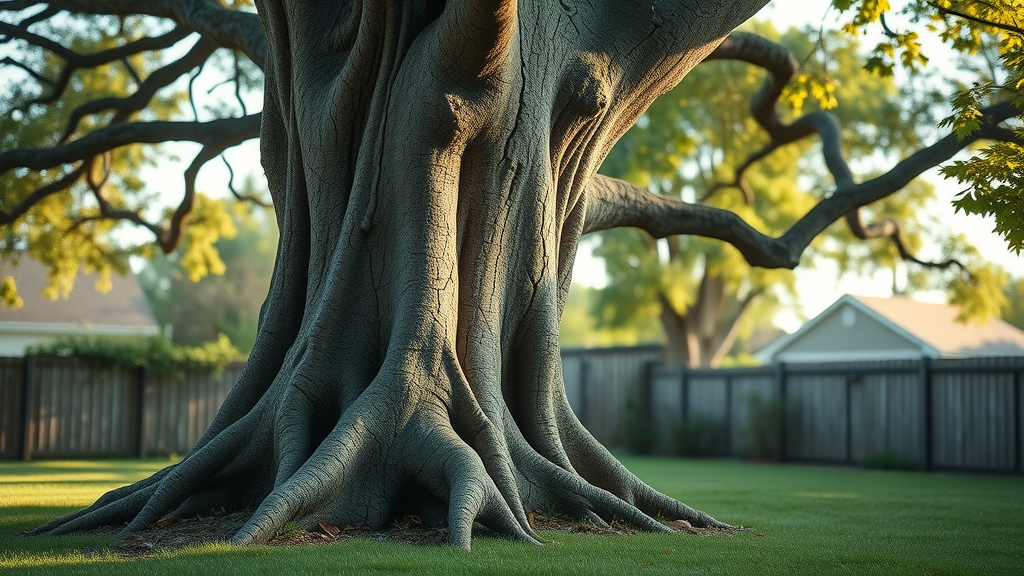
What is considered a hazard tree?

Hazard trees are those exhibiting structural faults that pose a significant risk to people or property. These trees can fall due to decayed roots, broken limbs, or being dead or dying. Trees near structures, power lines, or frequently used areas might present a hazard to people, amplifying the potential risk.

Common Indicators and Risks of Hazardous Trees

Signs of hazardous trees include cracked or dead branches, leaning trunks, and decay at ground level or higher. Damaged trees can lead to costly repairs or significant injuries if they fall unexpectedly. Regular inspections are crucial as affected branches or limbs exceeding ten feet above ground can become lethal projectiles during severe weather events.

Step-by-Step Guide to Hazardous Tree Removal
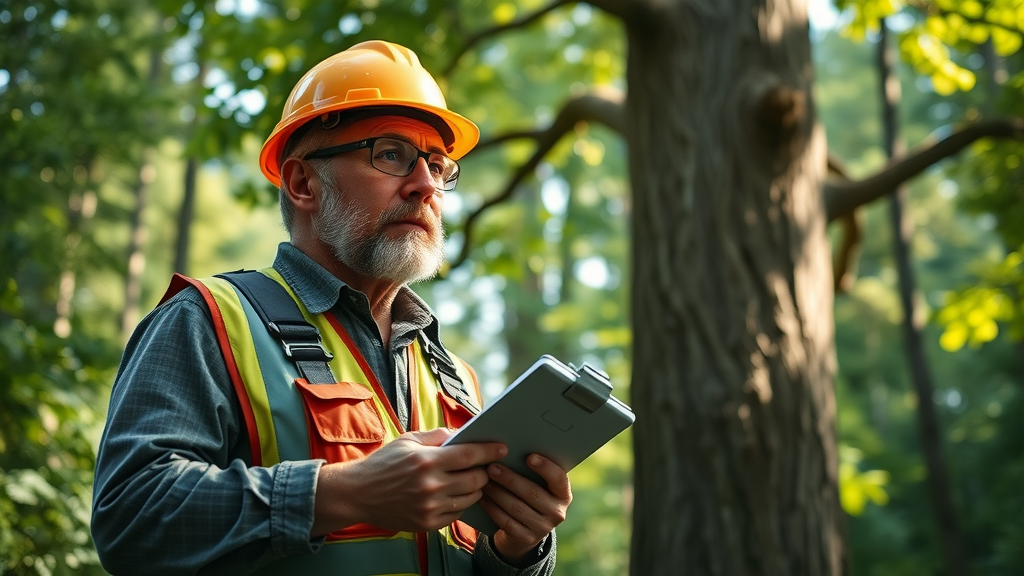
Pre-assessment and Safety Measures

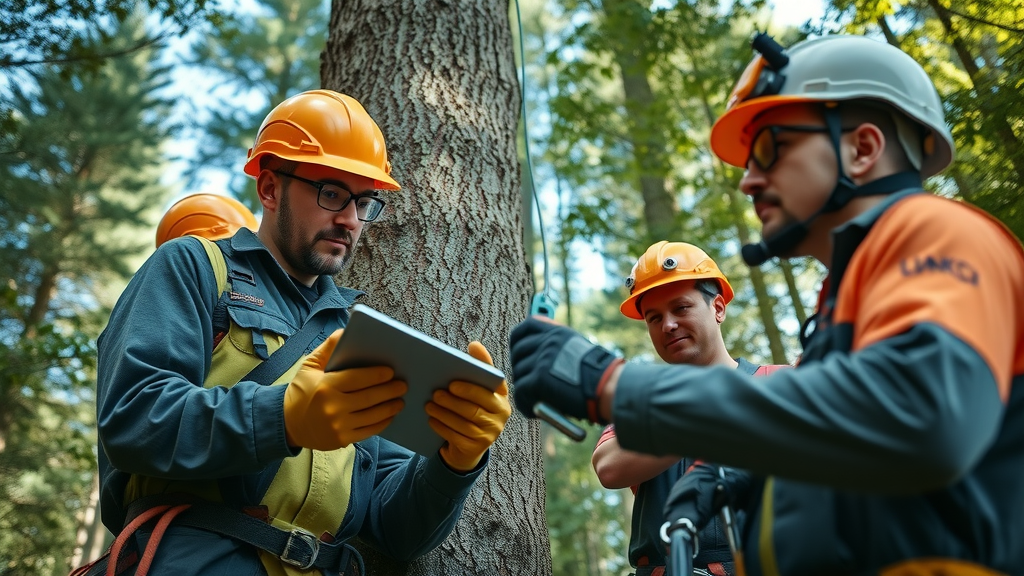
Before removing a hazardous tree, professional arborists conduct thorough pre-assessments. This involves inspecting tree stability, and surrounding environmental conditions, and ensuring debris removal is feasible without endangering anyone. They might employ modern techniques and state-of-the-art equipment to enhance accuracy in hazard tree evaluations.
Emergency Tree Removal Costs and Considerations

The costs for emergency tree removal can vary significantly based on tree size, location, and complexity of removal. Typically, prices range from a few hundred to several thousand dollars. Organizations like FEMA may cover expenses through their assistance program under specific conditions, which homeowners are encouraged to explore. For more detailed budgeting tips, you can refer to Tree Services CT Cost: How to Budget for Professional Care.

Will insurance pay for dangerous tree removal?

Many homeowners’ insurance policies cover hazardous tree removal if a tree poses an imminent risk. However, each policy varies, and it is crucial to verify the coverage specifics, especially concerning trees that haven't yet caused damage to life and property. For further insights, check out Home Insurance Coverage for Fallen Trees: Key Insights.

Exploring Professional Tree Removal Services
Choosing a Certified Arborist or Tree Service Company

When selecting a tree removal service, opt for certified arborists who comply with safety regulations and possess extensive experience in hazardous tree extraction. These professionals leverage their expertise, ensuring dead trees or stumps are safely removed, minimizing hazard risk.

FEMA Assistance and Coverage for Tree Removal

FEMA may assist with removal costs following natural disasters under their Public Assistance Program. It is a beneficial resource for residents in the United States facing substantial tree clearing challenges post-disaster.

Will FEMA cover the cost of tree removal?

FEMA covers removal under specific emergency declarations. Eligible applicants must show that trees, as aftermaths of disasters, pose an immediate hazard and the cleanup is in public health's best interest.

Environmental and Legal Aspects of Tree Removal

Hazardous Tree Removal Regulations

Removal of dead or dangerous trees might involve local ordinances or state regulations. It's imperative to consult local government bodies or legal advice to ensure compliance and avoid penalties linked to unauthorized removals.

Environmental Impact of Tree Removal

Tree removal has environmental ramifications such as habitat loss and soil erosion, affecting biodiversity. Balancing human safety and ecological impacts requires strategic planning, possibly through reforestation efforts and careful site evaluations post-removal.
What You'll Learn

  • How to identify hazardous trees on your property
  • The costs and processes of tree removal
  • How insurance and FEMA can assist with removal costs
  • Choosing the right professional service for tree removal

Quotes on the Importance of Hazardous Tree Removal

"Removing hazardous trees is not just about protecting property, but safeguarding lives." - Arborist Expert
"Understanding tree risks can prevent potentially devastating accidents." - Safety Specialist

Frequently Asked Questions

  • What should I do if I suspect a tree on my property is hazardous?
  • How do I verify the credibility of a tree service provider?
  • What are the legal responsibilities of removing a tree on behalf of city councils?
  • How can sketches and photos help in tree risk assessments?

Key Takeaways for Efficient Hazardous Tree Management

  • Act promptly on tree risks to ensure safety
  • Understanding insurance coverage can reduce financial burdens
  • Regular maintenance and inspections can prevent emergencies

Conclusion

Reiterate the importance of timely tree removal for safety.

Encourage readers to assess their property's trees today for potential risks.

Explore professional services, policies, and support available for tree removal.

For more information on hazardous tree removal and related services, explore resources at LA County, FEMA, and the USDA.

Tree Care Blog

130 Views

0 Comments

Write A Comment

*
*
Related Posts All Posts
01.15.2026

Discover Budget-Friendly Tree Care Strategies

Explore budget-friendly tree care strategies in Arlington that ensure your trees stay healthy. Learn about affordable services and proactive approaches!

01.15.2026

Enhancing Tree Health: Your Essential Guide to Tree Care FAQs

Update Empowering Homeowners with Tree Care Knowledge Trees are not just ornaments in our yards; they play vital roles in our ecosystem, providing shade, oxygen, and beauty. This makes it essential for homeowners to understand how to care for them properly. Here are some common questions about tree care answered by Bedford, TX’s trusted tree removal and trimming company, aimed at increasing awareness and understanding among local residents. How to Recognize a Diseased Tree Identifying a diseased tree early can save it from further harm. Look for signs like wilting leaves, abnormal discoloration, cankers on the trunk, or pest infestations. Regular inspections are recommended, and consulting with professionals can help address concerns quickly and effectively. Best Time for Tree Pruning Understanding the best time to prune trees is crucial for their health. Generally, late fall to early spring during the dormant season is recommended. This timing minimizes stress on the tree and encourages healthy regrowth when warmer months arrive. Follow the “25% rule”: never remove more than 25% of a tree's foliage at once to maintain its vitality. DIY vs. Professional Tree Trimming Many homeowners wonder if they can handle tree trimming themselves. While light pruning can be done safely at home, major trimming and tree removal should be left to professional arborists. Their expertise ensures proper techniques are used, minimizing stress or damage to the tree. Recognizing Hazardous Trees Dangerous trees can pose a risk to people and property. Signs include dead branches, cavities, decay, or a lean that suggests instability. If you notice any of these indicators, it's vital to get a professional evaluation to prevent potential accidents. The Art of Pruning Techniques Tree pruning can involve various techniques, each aimed at achieving specific goals. Common methods include crown thinning, which helps with air circulation, and crown restoration, which is aimed at rehabilitating damaged trees. Employing the right technique can ensure desired outcomes and healthy growth. Signs of Over-Pruning While pruning is important, it's also vital to avoid over-pruning. Symptoms include sparse leaf coverage, stunted growth, and weak branches. To prevent this, adhere to proper pruning methods and avoid excessive cutting within a short period. Ideal Tree Canopy Shape A healthy tree should ideally have a balanced, symmetrical canopy. This includes a pronounced main trunk with evenly spaced lateral branches, enhancing stability, sunlight exposure, and aesthetic appeal. The Impact of Pruning on Fruit Trees For fruit trees, proper pruning is critical. It encourages sunlight to penetrate through the canopy, improving fruit growth and flavor. Regularly removing dead or diseased branches reduces disease risks and promotes vibrant, healthy production. As we embrace the beauty and benefits of trees, understanding tree care becomes essential for every homeowner. Let's nurture our green friends together!

01.15.2026

Why Stump Grinding Matters: Protect Your Grapevine Property

Update Why You Shouldn’t Ignore Stopping Stump Trouble Have you ever walked in your backyard and tripped over a tree stump? It's not only annoying but can also be dangerous! Stump grinding is more than just a cosmetic fix; it’s about safety and property care. Leaving an old stump in your yard can turn it into a haven for pests like termites and ants. If these pests make their way inside your home, they can cause expensive damage! A simple stump grind can save you from big headaches down the line. Understanding Stump Decay and Safety Did you know that a tree stump can take decades to decompose fully? That’s a long time to have an ugly, potentially dangerous eyesore in your yard. As it decays, the roots can cause uneven ground or cavities under your home, which may lead to cracks in your driveway or foundation. Even the ground around a stump can feel soft, making it risky when walking or driving over it. So instead of tolerating this annoyance, consider reaching out to a stump grinding professional! Best Timing for Stump Grinding: Be Strategic If you’re in Grapevine, TX, the best time to schedule your stump grinding is late fall or early winter. Why during this time? Most trees and plants are dormant and less likely to send out new growth, making it easier for experts to completely grind down the stump and ensure it won’t regrow later! Stump Grinding vs. Other Methods When it comes to removing a stump, you might think about digging it out or using chemicals. However, these methods are often less effective and can be risky. Digging can damage underground pipes, and chemicals can harm the environment or even your pets. Stump grinding, on the other hand, rushes the decomposition and allows new plantings or landscaping to thrive where the stump used to be. It’s a quick and clean solution! Get Help from the Local Experts Nothing beats the peace of mind that comes from hiring trained professionals! Services offered by local companies in Grapevine, TX, like Chippers Tree Service, ensure safe and efficient stump removal. With over 30 years of expertise and specialized equipment, you can have your yard back in no time. Plus, they clean up after themselves so that you can enjoy your beautiful space without stress! So, if you’ve got a stump sitting around and you’re ready to make your outdoor space safer and more beautiful, call in the professionals today. Don’t let those hurdles become problems!

Terms of Service

Privacy Policy

Core Modal Title

Sorry, no results found

You Might Find These Articles Interesting

T
Please Check Your Email
We Will Be Following Up Shortly
*
*
*