







Add Row
Add Element
Tree Guardian News
update
Tree Guardian News
update
Add Element
  • Home
  • Categories
    • Storm Shield
    • Roots & Routes
    • Disease Detective
    • Insurance Intel
    • DIY Arborist
    • Futureproof Foliage
    • Pro-Partner Spotlight
    • Arborist Stories
    • Tree Care Blog
    • Tree Guardian News Blog
SUBSCRIBE TO NEWSLETTER 
  • update
  • update
  • update
  • update
  • update
  • update
  • update
March 12.2025
2 Minutes Read

Build a Just Energy Future Together: Join the REC Co-lab This March

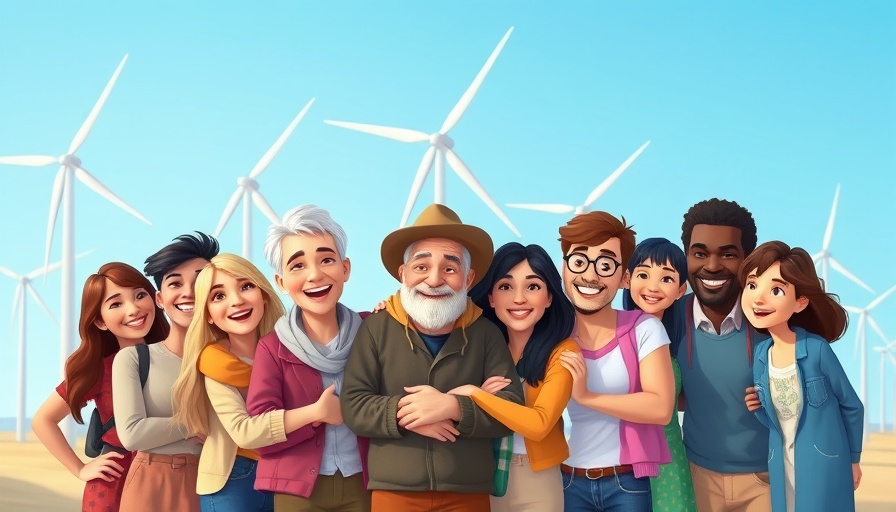
Join the REC Co-lab for a just energy future with diverse group smiling.

Join the Energy Revolution with the REC Co-lab

As the U.S. stands at the crossroads of energy transformation in 2025, homeowners have a unique opportunity to not only remain informed but also actively engage in shaping their energy future. The Rural Electric Cooperative (REC) Co-lab, launching on March 4, invites participants to explore the potential of rural electric cooperatives to lead us toward a more just and inclusive energy system.

Understanding the Cooperative Model

Rural electric cooperatives are more than just providers of electricity. They emerge as powerful engines of community empowerment, serving approximately 42 million Americans and covering nearly 56% of the nation’s land. In a world increasingly aware of the climate crisis and energy inequities, cooperatives present a chance to democratize energy access and amplify voices that have too often been silenced.

The REC Co-lab aims to equip individuals with the knowledge needed to participate in their cooperatives effectively. Topics will range from governance to community engagement, enhancing the understanding of how these systems work and how members can influence the decision-making processes that affect their local energy landscape.

The Stakes Are High: $40 Billion for a Just Transition

The funds to be allocated for the Just Transition are monumental, totaling $40 billion. This funding, made possible by initiatives like the Inflation Reduction Act, is designed to modernize electric cooperatives and orient them toward sustainable practices. Ensuring that these cooperatives succeed in embracing these new strategies requires active participation from their members—homeowners, farmers, and businesses alike.

Engaging in the Timing of Change

The REC Co-lab's first session kicks off with an introduction to cooperatives, important for community members to understand their rights and roles as member-owners. Future sessions will delve deeper into specifics such as sustainability, funding mechanisms, and public engagement to enhance strategic community benefits. The Co-lab operates on a drop-in basis, making it accessible for all interested in learning how to leverage their local cooperatives for positive change.

Registration and Participation: A Call to Action

Participating in the REC Co-lab is free and open to everyone eager to partake in this essential movement toward energy equity. By understanding how electric co-ops operate, homeowners can engage in grassroots advocacy, ensuring their voices are heard in the energy transition. It’s not just about learning; it’s about taking action that shapes a sustainable and equitable energy future.

Join us as we build a just energy future, one cooperative at a time. Visit www.ruralpower.us/colab to register for the sessions.

Futureproof Foliage

47 Views

Write A Comment

*
*
Please complete the captcha to submit your comment.
Related Posts All Posts
03.26.2026

Why Homeowners Should Embrace Green AI for a Sustainable Future

Update Understanding Green AI: Its Crucial Role for Homeowners Homeowners today are increasingly aware of their environmental footprint, and as artificial intelligence (AI) technology transforms our lives, understanding Green AI becomes essential. Green AI is not just a buzzword; it represents a shift towards making technology sustainable. With AI-powered tools playing a significant role in home automation and energy efficiency, grasping the implications of Green AI can help homeowners make informed decisions that impact both their finances and the planet. The Environmental Costs of AI You Should Know While AI offers numerous benefits, it comes with substantial environmental costs. The computation required for developing AI models, particularly large neural networks, leads to significant energy consumption and carbon emissions. Homeowners might not recognize that the very devices they use, powered by AI, could be a source of carbon footprints. For instance, training AI models often relies on data centers that consume vast amounts of electricity, primarily sourced from non-renewable energy. This raises a crucial point: the innovation that improves our everyday lives can also contribute to environmental degradation. How Green AI Impacts Your Energy Choices Green AI seeks to mitigate these environmental impacts by promoting energy-efficient practices. With the development of AI models focused on optimizing energy consumption, homeowners can actively benefit from technologies that reduce energy costs. For example, AI can enhance the operations of smart home systems by predicting energy usage patterns and optimizing resources. By adopting such technologies, homeowners not only save money but also contribute to a more sustainable future. Future Trends: Expanding Green AI’s Reach The integration of Green AI principles is expected to expand significantly. Initiatives like the Green AI Institute highlight the need for framework standards that measure environmental impact while developing AI technologies. Homeowners can anticipate innovations that not only aim to improve comfort and convenience but are also conscious of energy consumption. As this trend continues, choosing technologies aligned with Green AI will be vital for eco-conscious individuals. Real-World Applications of Green AI at Home From smart thermostats to solar-powered energy systems, many tools leverage Green AI principles to provide homeowners with options to reduce their carbon footprints. For instance, energy-efficient appliances equipped with AI functionality can adapt settings based on usage, ensuring minimal waste. Homeowners embracing such innovation not only benefit financially through reduced bills but contribute to a larger movement that values environmental sustainability. Closing Thoughts: The Call to Action for Homeowners As you consider your choices in the evolving tech landscape, keep in mind that understanding and adopting Green AI principles can lead to positive outcomes for both your household and the environment. By making informed technological decisions, you take an crucial step in advocating for sustainable practices. Explore technologies that leverage energy-efficient AI, and engage with community initiatives that support sustainability — your actions can pave the way for a greener future.

03.25.2026

How Homeowners Can Create Resilience Amid Global Crises

Update A Framework for Navigating Turbulent Times As global turbulence increases—from political unrest to environmental crises—homeowners find themselves amid profound uncertainty. Nate Hagens, in his insightful framework for action, emphasizes the importance of a personal foundation in turbulent times. Building resilience starts with stabilizing our inner selves, nurtured through practices such as mindfulness and community engagement. This approach is essential for anyone looking to navigate through uncertainty, emphasizing that our capacity to manage our internal states can empower us to take meaningful action. Understand the Interconnectedness of Our Challenges Hagens outlines six broad fronts of intervention that are interconnected and critical to establishing a resilient framework. These areas include infrastructural planning, addressing poverty, ecological defense, civic resilience, and economic models. Such a holistic view echoes the sentiments found in recent research which stresses the importance of viewing crises through a lens of interconnected challenges. For instance, a study from EurekAlert! points out that socio-environmental issues in sensitive regions are profoundly intertwined, underscoring how ecological fragility impacts overall human security. Homeowners should reflect on how these myriad issues affect their own lives and neighborhoods. Shared Language and Community Networks One of the major themes in the framework is the necessity of building trusted networks and common understanding among community members. Similar sentiments were found in the COVID Collaborative's action plans, which emphasize the power of collective efforts during crises. Establishing a shared language and collaborative spirit is fundamental not just for coherence in response, but also personal empowerment. Homeowners, by forging connections with neighbors, can create a support base that extends beyond individual preparedness—enabling a richer, robust community response. Actionable Steps for Today While the future remains uncertain, Hagens provides a clear call to action. Start small; homeowners can incrementally assess which interventions resonate with them and their immediate environments. Begin with practical steps: enhance tree care in local areas, advocate for sustainable practices, and support or initiate local community resilience efforts. These actions contribute to both environmental care and yield personal agency, creating ripples of positive change that extend throughout communities. Each step can serve as a building block toward a more resilient future, connecting homeowners to broader action frameworks. What Legacy Will You Leave? In a world filled with uncertainty, reflecting on one’s actions creates profound implications for the future. Homeowners are encouraged to think about their legacy. Will they be the ones pushing for deeper, more empathetic community connections and environmental stewardship? Engaging with shared challenges today can make all the difference tomorrow, fostering a more resilient existence for generations to come. As crises continue to challenge our world, understanding and implementing the frameworks of action articulated by Hagens equip homeowners to navigate these turbulent waters effectively. Taking steps now not only stabilizes personal environments but also builds towards a collective future.

03.23.2026

How Entropia Influences Homeownership: Navigating Challenges with Tree Care

Update Understanding Entropia and Its Impact on Society As we delve into the concept of entropia, it's essential to grasp its broader implications on our societal structures, particularly in your role as a homeowner. The term refers to a state of disorder or chaos within a system, which can be applied metaphorically to understand the gradual decline of established systems, such as empires and economies. Homeownership often symbolizes stability and investment in a community. However, as entropy increases within these systems, homeowners may find themselves facing challenges — from declining property values to increased environmental hazards. This raises the question: how does one maintain their home and community amidst chaotic transformations? Protecting Your Investment in a Changing World With the looming effects of environmental shifts, homeowners should prioritize tree care as an essential part of safeguarding their properties. Healthy trees can provide shade, enhance property value, and improve air quality. However, neglect can lead to hazards such as uprooted trees during storms, which could damage homes. Engaging in proactive tree care not only benefits individual homeowners but also contributes to a more resilient community. The Social Connection: Community Resilience In the face of disintegration within larger systems, community resilience becomes vital. Homeowners should forge connections with their neighbors, sharing knowledge about home maintenance, tree care, and local initiatives that promote sustainability. A united community can amplify efforts toward environmental safety, land preservation, and restoration of local ecosystems, combating the chaos of entropia by harnessing collective strength. Revisiting Old Wisdom for New Challenges Historically, communities thrived on the principles of shared resources and collaborative problem-solving. As homeowners today, harkening back to these traditions can foster innovative solutions to contemporary challenges. Creating neighborhood associations or participating in local governance can empower homeowners to take an active role in shaping their community in ways that resist disintegration. Practical Tips for Homeowners Here are some practical insights for homeowners on maintaining value and stability while navigating the chaos of entropia: Invest in Tree Health: Regularly inspect and maintain trees to prevent damage and foster a healthier environment. Get Involved: Join local councils or community forums to stay informed and engaged. Educate Others: Share information about tree care and environmental practices with fellow homeowners. Feeling the Impact of Change It's natural to feel apprehensive about the future as homeowners confront the reality of environmental and societal shifts. The key lies in adaptability and collective action. By becoming informed about tree care and actively participating in community resilience efforts, homeowners can transform uncertainty into strength, ensuring their properties and neighborhoods flourish amidst change. In a world where entropy challenges the stability of our homes and communities, understanding and embracing your role as a homeowner is crucial. Engage with your surroundings, prioritize tree care, and connect with your neighbors to build a resilient future.

Terms of Service

Privacy Policy

Core Modal Title

Sorry, no results found

You Might Find These Articles Interesting

T
Please Check Your Email
We Will Be Following Up Shortly
*
*
*