









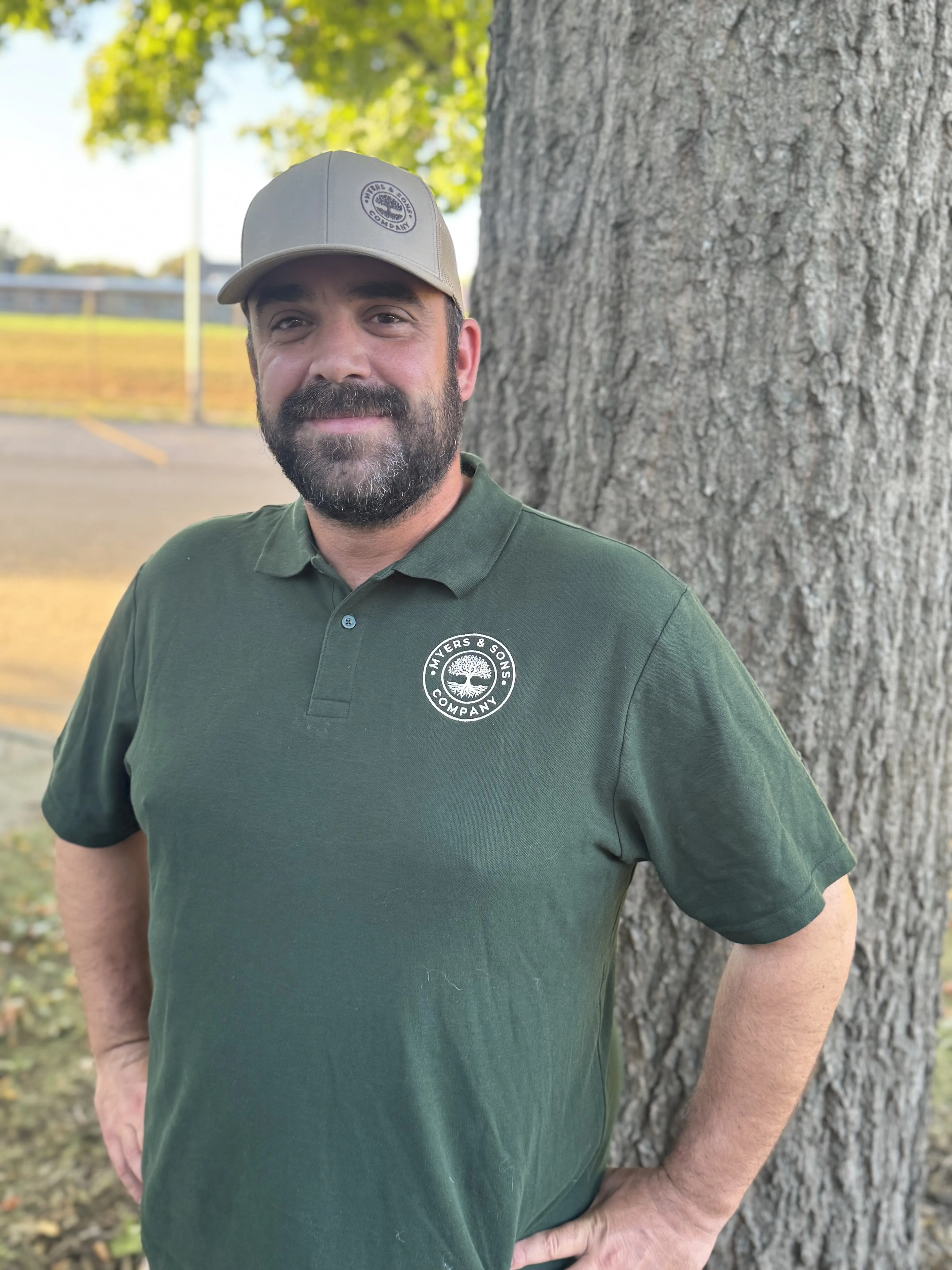
In an era when sustainable practices are vital, balancing tree removal and environmental stewardship has become an essential concern for property owners and arborists alike. Imagine a community where tree removal is done responsibly—protecting the green canopy while ensuring safety and property value. This guide explores practical ways to achieve this balance, featuring expert insights from Mike Myers, a certified arborist with Myers and Sons Company, who leads a team dedicated to sustainable tree management. Whether you are a homeowner, an environmental enthusiast, or a fellow arborist, understanding the harmony between necessary removals and environmental care is key to supporting our forests’ long-term health.
Understanding Tree Removal and Environmental Stewardship
Defining Tree Removal and Its Necessity
Tree removal refers to the process of cutting down and safely extracting a tree from a designated area, often necessitated by factors such as disease, safety hazards, or land development. While removing a tree may seem counterintuitive to preserving nature, it is sometimes required to protect property, maintain public safety, or make way for new growth. Properly managed tree removal ensures the surrounding environment is protected and can continue to flourish without unnecessary damage.
In many urban and suburban settings, trees may present risks due to age, diseases, or structural instability. Removing these trees responsibly helps eliminate hazards such as falling limbs, which can endanger lives and damage property. The process is complex, and it requires knowledgeable professionals who understand both the technical and ecological considerations. Responsible tree removal is about making informed decisions that address immediate issues while minimizing environmental impact.
The Role of Environmental Stewardship in Tree Management
Environmental stewardship in tree management involves actively caring for and sustaining the natural ecosystem, even as trees are removed or pruned. This stewardship promotes ecological balance by encouraging reforestation, protecting wildlife habitats, and maintaining biodiversity. It recognizes the intrinsic value of trees and the broader environment, balancing human needs with conservation principles.
Arborists and tree care professionals who embrace environmental stewardship do more than remove trees—they engage in practices that foster sustainability. This includes replanting efforts, disease management, and community outreach programs that encourage green space preservation. By prioritizing stewardship, tree management supports healthier, more vibrant communities and a better planet.
Why Responsible Tree Removal Matters for Sustainable Forests
Properly conducted tree removal plays a critical role in sustaining healthy forests and urban green spaces. When done irresponsibly, it can lead to soil erosion, loss of habitat, and reduced air quality. Conversely, responsible removal considers ecological implications, applies best practices to reduce risk, and integrates reforestation efforts to maintain forest integrity.
Mike Myers, Certified Arborist (IL-10100A) of Myers and Sons Company, highlights that sustainable tree removal involves rigorous planning and education. "We track all of our removals and pay for trees to go in at a two-to-one rate for our removals, ensuring we are well in the black on new trees versus trees removed," he explains. This policy exemplifies how arborists can take actionable steps to preserve forests while meeting client needs.
While responsible tree removal is crucial for environmental health, arborists must also remain vigilant about external factors that can impact tree safety and management. For example, staying updated on essential NOAA weather radio alerts can help professionals anticipate hazardous conditions and make informed decisions that further protect both trees and communities.
The Journey to Responsible Tree Removal: Insights from Expert Arborist Mike
How Mike Became an Arborist Focused on Sustainable Tree Management
Mike Myers’s journey to becoming a certified arborist began with a simple, hands-on problem: he wanted to remove tree stumps at his own home affordably. After renting a stump grinder and handling the work himself, Mike realized there was demand for reasonably priced stump grinding and tree care services. This initial step grew into a passion for sustainable tree management and environmental stewardship.
Mike shares, "I decided to rent a stump grinder and do this myself, realizing many people want reasonable price stump grinding. That was the start of our journey into responsible tree removal and environmental stewardship. " This hands-on approach and focus on affordability opened the door to educating clients on sustainable practices while advocating for trees’ health and environmental benefits.
Building a Team of Certified Arborists Committed to Environmental Stewards
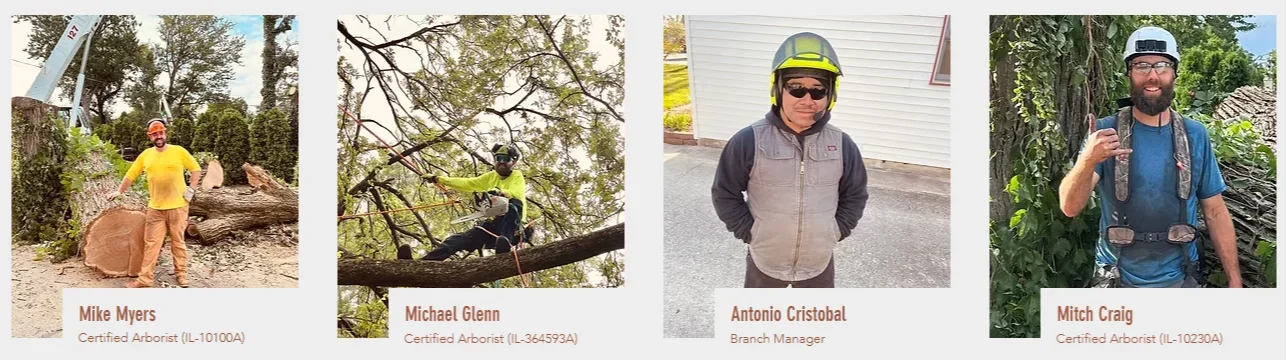
From humble beginnings, Mike expanded his vision by assembling a skilled team of four certified arborists at Myers and Sons Company. This team embodies a commitment not just to technical expertise but also to environmental stewardship, striving to elevate standards for responsible tree removal.
The team invests continually in education and equipment to address complex tree care challenges correctly. Their cohesive approach ensures that each tree removal, pruning, or treatment decision aligns with broader sustainability goals while delivering tailored solutions to clients. This synergy has fueled steady growth and reinforced their reputation for blending client needs with ecological responsibility.
Balancing Immediate Client Needs with Long-Term Environmental Stewardship
Partnerships That Support Sustainable Forest and Tree Management
One of the cornerstones of responsible tree removal efforts at Myers and Sons Company is effective partnerships that enhance environmental outcomes. Mike describes their collaboration with Atmos Tree, which allows precise tracking of tree removals and ensures they pay for replanting at twice the rate of trees cut down.
Such partnerships ensure accountability and contribute directly to forest renewal. Mike states, "We track all of our removals and pay for trees to go in at a two to one rate for our removals, ensuring we are well in the black on new trees versus trees removed. " This method creates a tangible way to balance human activity with ecological regeneration, demonstrating a scalable model for other arborists and tree care companies.
Community Engagement: Arbor Day Tree Giveaways to Promote Green Space
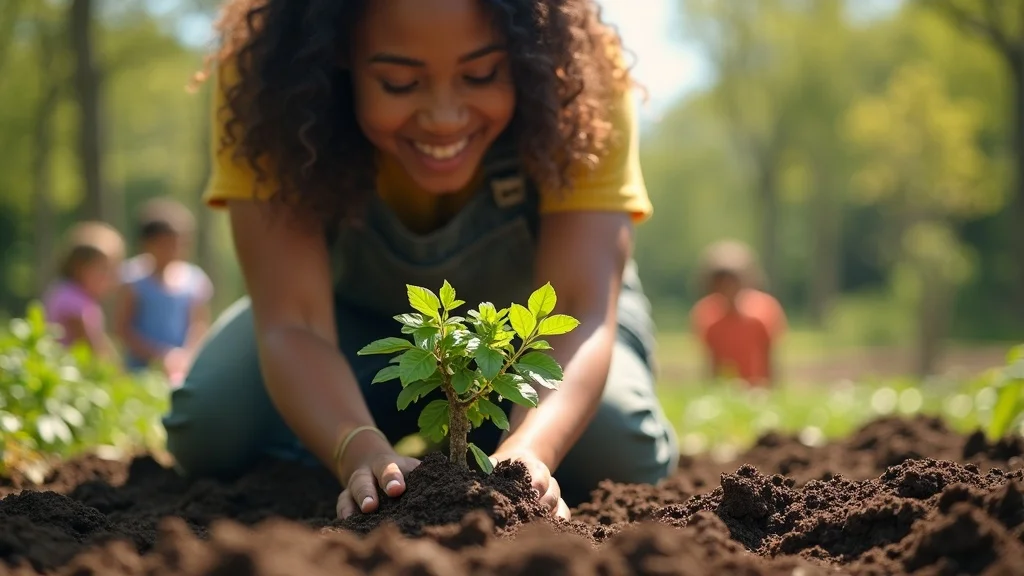
Community involvement is another vital dimension to balancing immediate needs and long-term stewardship. Myers and Sons Company hosts annual Arbor Day tree giveaways, distributing hundreds of young saplings to local residents. These events promote reforestation and foster community connection to green spaces.
This commitment is more than symbolic; it results in hundreds of new trees planted each year. The saplings grow to offset removals and contribute to healthier urban forests. These initiatives build awareness and empower individuals to participate actively in environmental stewardship alongside professional arborists.
Common Misconceptions About Tree Health and How to Address Them
Diagnosing Tree Diseases: The Case of Crab Apple Trees and Apple Scab
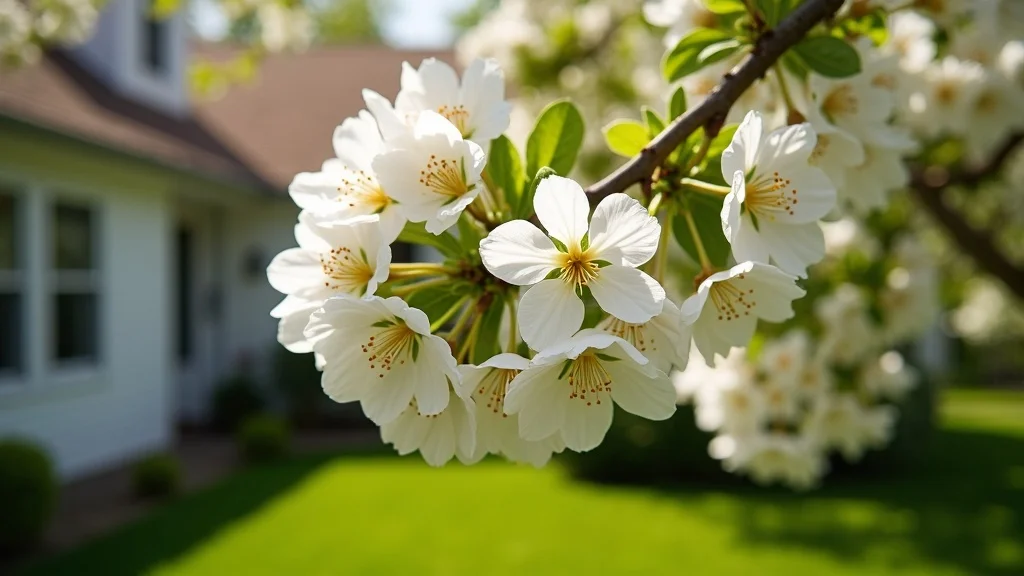
Many clients approach arborists with the misconception that trees showing signs of disease, such as crab apple trees covered in apple scab fungus, are beyond saving and must be removed. However, Mike Myers explains how proper diagnosis and treatment can restore tree health dramatically.
Mike shares, "Many people think a crab apple tree is unhealthy and want to remove it, but with proper treatment with Myclotect Fungicide, the tree can thrive and look amazing again. " This insight challenges premature removal and highlights the value of expert intervention to sustain trees and preserve their aesthetic and ecological roles.
Using Plant Health Care to Sustainably Manage Tree Growth and Reduce Maintenance
Another common issue is managing large trees that require frequent pruning to prevent encroachment on homes or structures. Through plant health care techniques, arborists can apply treatments like growth regulators to slow tree growth sustainably.
Mike explains that such approaches allow tree owners to reduce maintenance frequency, saving money and effort while maintaining healthy trees. This balanced management preserves the urban canopy and supports environmental stewardship without sacrificing client convenience or property safety.
Techniques for Responsible Tree Removal and Risk Reduction
Cabling and Bracing to Reduce Structural Risks in Trees
Safety is paramount when managing trees that may pose risks from weak or overextended branches. Mike’s team employs cabling and bracing techniques to reinforce trees structurally, reducing the likelihood of limb failure without resorting to removal.
These techniques extend the life of valuable trees, preserving their environmental and aesthetic benefits while protecting people and property. This method exemplifies how arborists can reduce risk responsibly, balancing safety and conservation.
Proper Pruning Techniques to Manage Overextended Branches and Enhance Property Value
Pruning is another essential tool to control tree shape and growth, particularly for species like silver maples or hackberry trees prone to weak branch structures. Skilled pruning removes hazardous limbs and encourages healthy development.
Mike notes that effective pruning not only mitigates risks but also increases property value by maintaining attractive and healthy trees. Clients benefit from improved safety and aesthetics, illustrating how professional tree care enhances both environment and real estate.
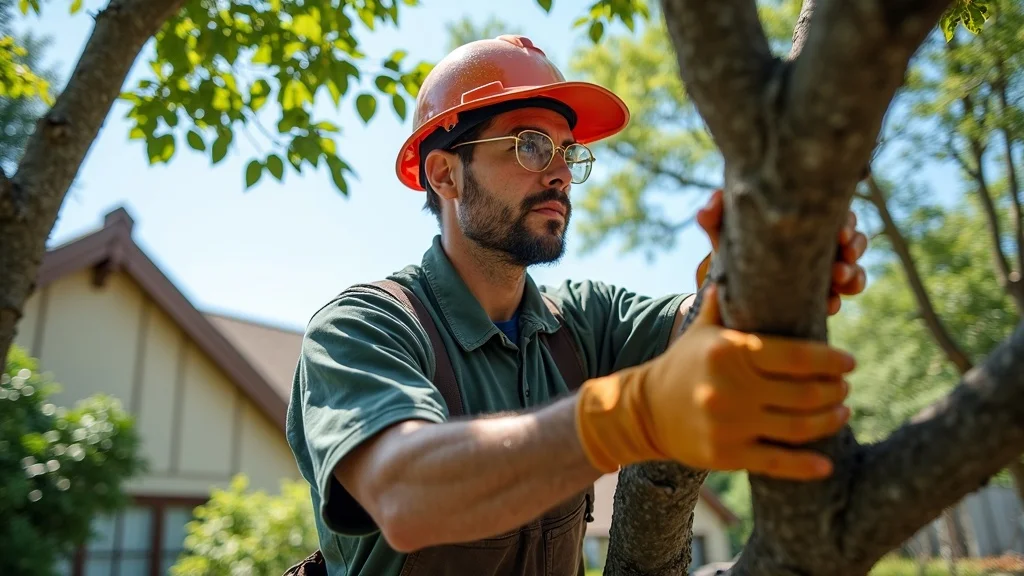
Best Practices for Sustainable Tree Removal Services
Tracking and Reporting Tree Removals for Environmental Accountability
Transparency is vital in responsible tree removal services. Myers and Sons Company exemplifies this through thorough tracking and reporting systems that document each removal's impact and offsetting reforestation efforts. These practices build trust with clients and regulators alike.
Investing in technology and workflow systems to support this accountability ensures that tree management decisions keep the environment’s best interests in focus. Such diligence underpins sustainable forestry principles and industry best practices.
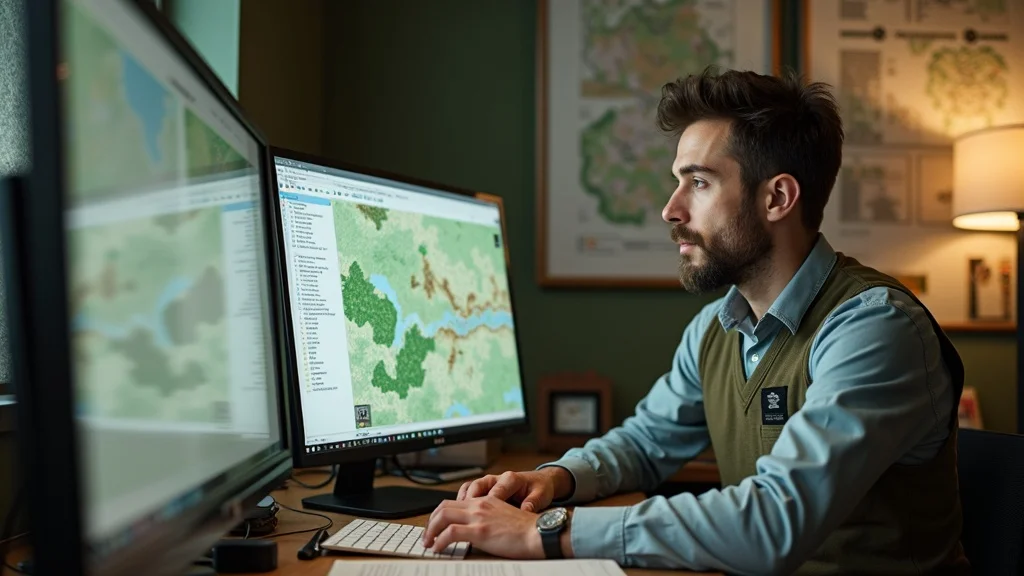
Engaging as Environmental Stewards Through Community and Industry Partnerships
Meaningful engagement beyond direct client service solidifies stewardship roles for arborists. Collaboration with community programs, environmental organizations, and industry partners helps amplify positive outcomes for local ecosystems.
Mike underscores that partnerships, like those with Atmos Tree and Arbor Day initiatives, empower collective action toward forest health. This combined approach benefits clients, communities, and the broader environment alike, creating a model for progressive tree management.
People Also Ask
What are the environmental impacts of tree removal?
Tree removal can affect local ecosystems by disrupting habitats, reducing biodiversity, and altering air quality. Responsible tree removal paired with environmental stewardship—such as replanting programs and sustainable management—helps mitigate negative effects and promotes ecosystem recovery.
What is the prettiest tree on Earth?
Though opinions vary, the crab apple tree is often considered among the prettiest trees due to its vibrant spring blossoms and visually appealing fruit. Mike Myers highlights the beauty of healthy crab apple trees, especially when cared for properly, reinforcing this tree’s aesthetic value in managed landscapes.
Who pays for neighbor overhanging trees?
Generally, property owners are responsible for managing and maintaining the trees on their land, including trimming overhanging branches. However, specific responsibilities vary by local regulations and private agreements, so it is wise to consult applicable laws or community rules.
How big of a tree to charge $1000 for removal?
Tree removal costs depend on size, location, and complexity. Large trees near structures or with hazardous conditions often exceed $1000 due to the specialized labor and equipment required for safe removal. Pricing varies, so detailed assessments ensure fair quotes.
What You'll Learn
Key principles of balancing tree removal with environmental stewardship
Expert insights on sustainable tree management and risk reduction
Common misconceptions about tree health and how to address them
Best practices for responsible tree removal services
Community engagement strategies to promote green space
Key Takeaways
Responsible tree removal supports sustainable forests and environmental health.
Partnerships and community programs enhance stewardship efforts.
Proper diagnosis and treatment can save trees previously thought unhealthy.
Risk reduction techniques like cabling and pruning protect property and increase value.
Transparency and reporting build trust and accountability in tree management.
Conclusion
Balancing tree removal and environmental stewardship requires thoughtfulness, education, and community engagement. Embracing responsible practices safeguards ecosystems while enhancing property safety and value.
If you’re inspired to deepen your understanding of sustainable tree care, consider exploring how external factors like weather preparedness can further enhance your stewardship efforts. Learning about the importance of NOAA weather radio alerts for arborists not only sharpens your risk management strategies but also empowers you to anticipate and respond to environmental challenges more effectively. By integrating advanced insights and proactive tools into your approach, you can elevate your role as a guardian of both trees and community well-being. Discover more about staying ahead of the elements and protecting your green investments by reading about why arborists must pay attention to NOAA weather radio alerts.
Contact Us for Responsible Tree Removal Services
To get a free estimate call us at 217.650.8100, or email us at mike@myersandsonscompany.com.


Write A Comment