







Add Row
Add Element
Tree Guardian News
update
Tree Guardian News
update
Add Element
  • Home
  • Categories
    • Storm Shield
    • Roots & Routes
    • Disease Detective
    • Insurance Intel
    • DIY Arborist
    • Futureproof Foliage
    • Pro-Partner Spotlight
    • Arborist Stories
    • Tree Care Blog
    • Tree Guardian News Blog
SUBSCRIBE TO NEWSLETTER 
  • update
  • update
  • update
  • update
  • update
  • update
  • update
March 19.2025
1 Minute Read

Stay Updated with Tree Guardian News!

Have you ever wondered why our ancient forests, filled with diverse tree species, are vanishing at an alarming rate due to factors like climate change and urban expansion? The answer lies in the complex interplay of factors such as deforestation, climate change, and industrial expansion. Stay informed with Tree Guardian News to explore these pressing issues and contribute to solutions.
Unveiling the Current State of Our Trees: A Pressing Inquiry

What is happening to all the trees?

Trees provide invaluable services such as carbon sequestration, habitat for wildlife, and climate regulation, making tree care essential for our environment. Yet, climate shocks and increased human activities like urban expansion threaten these vital green lungs, leading to significant tree loss. Tree Guardian News brings to light the extent of tree loss and the resultant exposure of communities to risks like soil erosion, fewer trees, and habitat destruction. For more on the importance of inclusive environmental policies, explore India at a Crossroads: The Urgent Need for Inclusive Environmental Policies .
Why are so many trees being cut down?

From logging for timber to clearing land for agriculture, economic pressures lead to rampant deforestation. Insights from environmental experts featured in Tree Guardian News reveal solutions to slow this tide and protect our remaining forests in the face of a growing global demand for resources.

What is the biggest threat to trees?

Apart from deforestation, pathogens and invasive species, exacerbated by climate change, pose a serious threat to whole ecosystems. Without immediate interventions, diverse tree species and ancient rainforests could give way to homogeneous plantations, threatening the rich biodiversity that these ecosystems support. Learn how resilience can be built in uncertain times by visiting How Post Carbon Institute Plans to Navigate Uncertain Times With Resilience .
Understanding the Role of Arborists

Arborists are essential in promoting tree health and conservation. By involving community members and experts, they strive to safeguard our natural resources. Discover more about their initiatives through Tree Guardian News , which showcases efforts ranging from policy advocacy to hands-on tree planting projects.

What You'll Learn from Tree Guardian News

  • Insight into global deforestation trends

  • Updates on reforestation efforts

  • Expert perspectives from environmentalists

  • Community initiatives and success stories
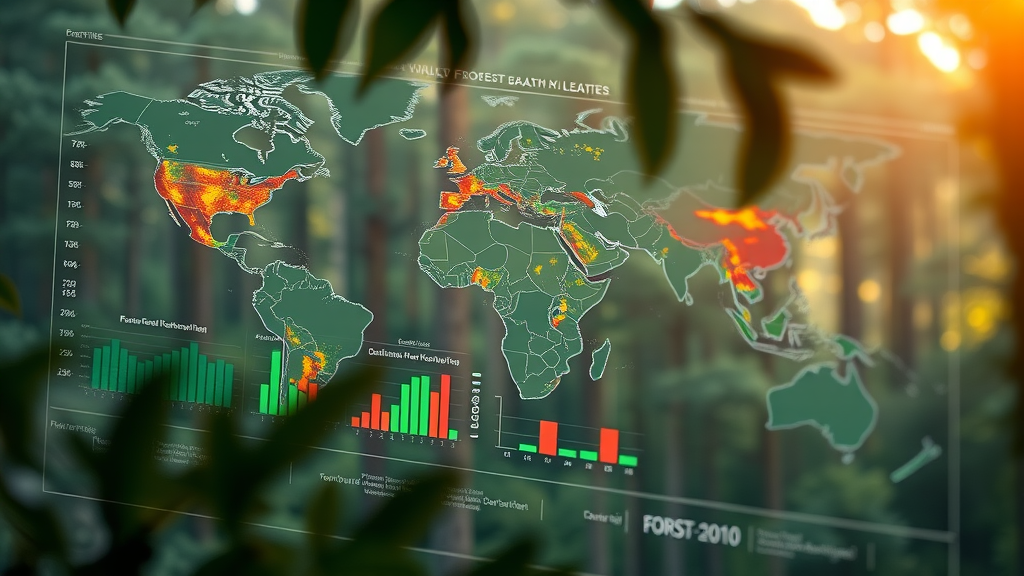
Statistics and Insights: The Deforestation Crisis

Region

Deforestation Rate (%)

Latin America

19.4

Sub-Saharan Africa

12.6

South-East Asia

21.0

North America

1.9

Innovative Solutions and Reforestation Initiatives

Community-Supported Forestry

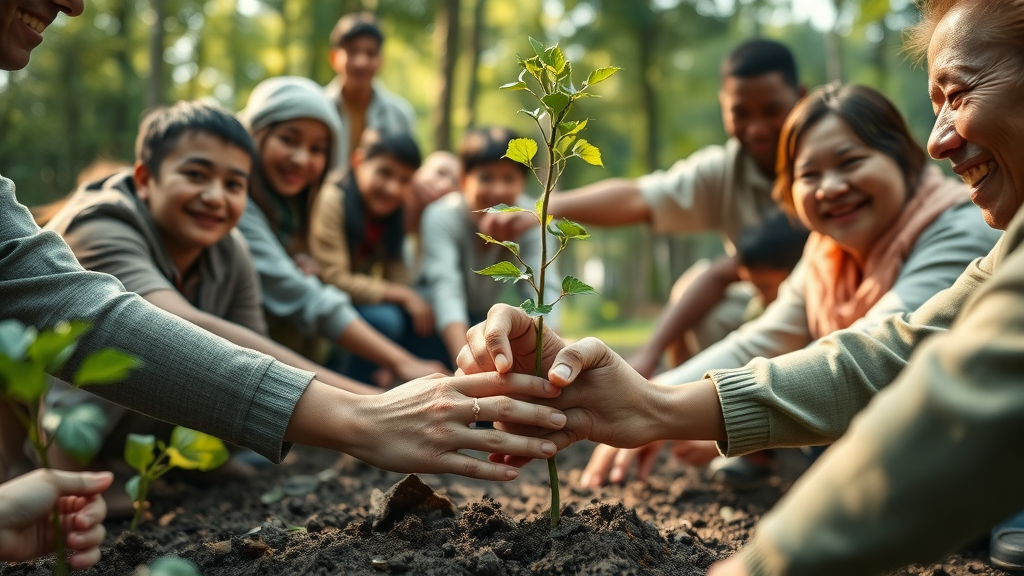
Empowering communities to manage forests has shown significant promise in conserving biodiversity and enhancing local livelihoods. Programs spotlighted in Tree Guardian News , demonstrate success across various regions through combined efforts of community knowledge and modern forestry techniques.
Technological Advancements in Reforestation

Technology is revolutionizing the way we approach reforestation. Drones, advanced GIS, and remote sensing are some of the tools steering effective tree planting initiatives. Explore the cutting-edge techniques driving successful reforestation projects covered by Tree Guardian News .

Success Stories from Arborists -- Real Arborists, Real Stories videos on Tree Guardian News For Arborists

Why Tree Guardian News Should Be Your Go-To Resource
Comprehensive and Timely Updates

With daily updates, Tree Guardian News ensures you remain informed on global conservation efforts to protect our indispensable tree cover. This platform is your key to staying ahead of tree-related environmental developments.

Engagement with Environmental Experts

Leveraging insights from a global network of experts, Tree Guardian News works as a bridge connecting you to cutting-edge research and strategies for sustainable forestry. Join dialogues to gain deeper understandings and innovative ideas for preserving tree species.

Join a Community of Tree Advocates

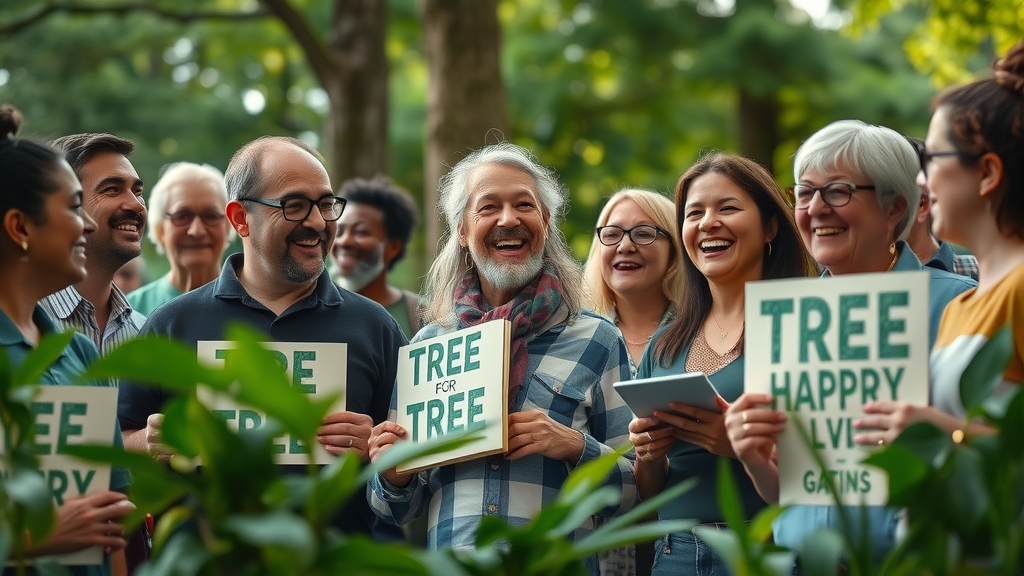
Through forums and events, Tree Guardian News fosters a thriving community of individuals committed to environmental conservation. Engage with like-minded advocates, exchange ideas, and reinforce collective efforts in tackling global deforestation.

FAQs

  • What is an Arborists Arborists are individuals with the training and knowledge to serve as guardians of trees, dedicated to their protection and preservation through various conservation strategies and awareness initiatives.

  • How can I get involved in tree preservation? You can join local tree planting initiatives, support tree conservation groups, or participate in educational workshops.

  • What are the benefits of subscribing to Tree Guardian News? Subscribers gain access to exclusive content, expert insights, and a platform to engage with a community passionate about safeguarding our forests.

Key Takeaways

  • Stay informed about global tree conservation efforts.

  • Learn how to contribute to reforestation initiatives.

  • Connect with a community passionate about environmental change.
Call to Action: Connect with Tree Guardian News

Call Us at 203-271-7991 or visit TreeguardianNews.com

Watch as global conservation projects unfold, offering a glimpse into the dedication of tree guardians worldwide.

Embrace the Role of a Tree Guardian Today

Join the ranks of Tree Guardians to protect our planet's rich arboreal heritage by staying informed about tree care and actively participating in conservation efforts.

Tree Care Blog

303 Views

Write A Comment

*
*
Please complete the captcha to submit your comment.
Related Posts All Posts
03.26.2026

Navigating Cottonwood Borer Infestations: Risk Care Strategies for Granbury Residents

Update Understanding the Cottonwood Borer InfestationGranbury, Texas, particularly along scenic areas like the Brazos River, is home to lush trees that provide shade and beauty to this region. However, these trees are under threat from pests, primarily the cottonwood borer beetle (Plectrodera scalator), which puts their health at risk. This longhorn beetle lays eggs in the bark of weak or wounded cottonwood trees (Populus deltoides), and as larvae emerge, they bore into the tree, creating tunnels that disrupt water and nutrient transport.Indicators of InfestationDuring a recent assessment, significant symptoms of infestation were observed on a mature cottonwood tree. A large wound measuring approximately 15 inches square was found at the tree's base, exposing internal wood tissue susceptible to damage. This wound featured wood galleries—evidence of borer activity and tunneling within the xylem, which compromises the tree’s structural integrity.Additional warning signs included multiple “pinhole” entrances along the trunk indicating that the tree is not only infested but also at significant risk due to its proximity to pedestrian areas. With high foot traffic around the tree, understanding and addressing these issues are critical.Consequences of Cottonwood Borer DamageThe feeding behavior of cottonwood borers can lead to severe damage over time. As they consume the cambium and xylem layers, trees lose vital components necessary for their stability. This results in:Formation of hollows internally, leading to structural weaknesses.Reduction in the tree's load-bearing capacity, increasing the risk of sudden tree failures.Visible de-foliation as nutrient flow is disrupted.According to experts from Texas A&M AgriLife Extension, continuous infestation can lead to internal hollowing, which isn't always immediately visible from the outside—making early detection crucial.Important Tree Care StrategiesWith the cottonwood tree showing signs of active borer pressure, implementing Integrated Pest Management (IPM) is vital. Strategies include:Systemic Insecticide Treatments: These are administered to target larvae directly, helping control the borer population.Monitoring Infestation Levels: Regular inspections assess how well the infestation is being controlled and if the tree is responding positively.Plant Health Care Programs: Enhancing tree vitality through nutrient support and reducing stress can help recover health.Specific treatments might include the use of monopotassium phosphate to help in energy transfer, while components like dried molasses can stimulate beneficial microbes in the soil, bolstering overall tree health.The Long-Term ViewWithout intervention, cottonwood trees facing infestation are at a heightened risk of structural failure. For trees located in high-traffic areas, like the one along the Brazos River, the combination of ongoing pest pressure and human interaction necessitates immediate action. Should the situation be ignored, what may seem like a minor issue today can lead to larger consequences in the future.The community must remain vigilant regarding tree health and control measures for existing infested trees. Engaging local arborists can make a significant difference in ensuring these trees remain safe and healthy for future generations.Take Action for Tree HealthIf you spot signs of cottonwood borer beetles, do not hesitate to seek professional tree care advice. Contacting an experienced arborist can facilitate effective management plans tailored to the needs of the tree and the surrounding environment. Do not let the beauty of your trees succumb to these pests; proactive care is key to preservation!

03.19.2026

Why Soil Compaction and Root Flare Matter for Southern Live Oaks

Update Understanding Soil Compaction and Root Flare in Southern Live Oaks In Tolar, Texas, the resilience of Southern Live Oaks (Quercus virginiana) is often tested by the region's heavy clay soils and the competition from turf grasses. While these magnificent trees are celebrated for their strength and beauty, their health can quickly decline if the environment surrounding their roots is compromised due to soil compaction and root flare burial. The Importance of Root Flare Exposure The root flare is the critical transition area where the trunk of a tree meets its roots. It should always be visible above the soil surface. Common symptoms of stress in Southern Live Oaks include sparse foliage and canopy thinning, often traced back to issues below ground. When compacted soil or excessive grass cover smothers the root flare, it not only restricts the tree's access to oxygen but also disrupts moisture balance and microbial interactions. Soil Compaction: A Barrier to Tree Vitality Heavy clay soils prevalent in the Tolar area can become densely compacted through numerous activities such as foot traffic and lawn maintenance. This compaction results in reduced oxygen availability and poor water infiltration, ultimately leading to hypoxia in the tree's roots. Much like humans, trees require oxygen to thrive; without it, their growth slows significantly, leading to death of feeder roots and reduced nutrient absorption. Combating Grass Competition Another significant threat to the vitality of Live Oaks is the competitive presence of grass at the root flare. Grass roots occupy the same crucial upper soil zone as the tree's feeder roots. As a result, they aggressively compete for essential resources such as water and nutrients, further stressing the tree. Experts from the Texas A&M AgriLife Extension recommend maintaining a clear space of soil around the base of the tree to support its recovery and vitality. The Role of Aeration and Recovery Aeration emerges as a powerful solution for counteracting soil compaction. This practice involves creating pathways for air and water to reach the root system more efficiently, thus restoring healthy root function. Moreover, removing competing grass not only alleviates competition but also allows the tree to repair and strengthen itself. Emphasizing these practices in tree care can lead to more robust growth and a fuller canopy for Southern Live Oaks. Practical Insights for Homeowners For homeowners in North Texas, understanding the needs of Southern Live Oaks can keep them vibrant and strong. Regular tree care, including appropriate aeration techniques and routine checks for soil compaction, can create a healthier environment for these trees to thrive. Actions like deep-root watering can ensure efficient distribution of moisture, ultimately enhancing the health of the roots and the tree itself. Conclusion: Nurturing Our Trees As vigilant stewards of the environment, it is essential for us to prioritize the health of Southern Live Oaks. Through informed practices like aeration, grass removal, and proper tree care, we can fortify these living giants against the challenges posed by our local soil conditions. Protecting our trees means preserving the heritage and ecological benefits they provide for generations to come.

03.13.2026

Protecting Red Tip Photinia: Key Insights for Homeowners in Weatherford

Update Tackling Red Tip Photinia Issues in Weatherford In Weatherford, Texas, many homeowners love the vibrant color and privacy provided by red tip photinia (Photinia × fraseri). However, this popular shrub can face serious health problems under wet and humid conditions, often leading to a quick decline. This article explores the common diseases affecting red tip photinia and offers actionable insights for homeowners and tree care enthusiasts. Understanding the Disease Complex Root rot and the dreaded Entomosporium leaf spot are among the leading culprits behind the decline of red tip photinia. Texas A&M AgriLife identifies these as major concerns, noting that they thrive in saturated conditions that are all too common in Weatherford's wet environment. The damage begins at the roots, where excessive moisture and lack of oxygen can weaken the shrub's overall health. This dysfunction can lead to visible symptoms like red spots and leaf lesions on the canopy, signaling that issues run deeper than just what meets the eye. How to Identify and Diagnose Photinia Problems Spotting early signs of disease on photinia is crucial for preventing further decline. The appearance of red spots and necrotic lesions is a clear indicator of the Entomosporium leaf spot. Fungal spores are released from infected leaves, spreading through rain and splashing water, exacerbating the problem. Monitoring the condition of both the roots and the foliage can give homeowners a comprehensive understanding of their shrub’s health. Practical Steps for Prevention and Care Prevention is key to protecting red tip photinia from diseases. Here are some practical tips: Ensure proper drainage in the planting area to avoid waterlogged soil. Regularly rake and remove fallen leaves to reduce fungal spores. Limit overhead watering and avoid prolonged moisture on leaves. Consider applying mulch to improve soil structure and reduce moisture retention around the roots. Responding to Disease: What Can Homeowners Do? If red tip photinia is already showing signs of disease, there are several responses homeowners can adopt. Here are actionable insights: Remove and destroy infected leaves or branches to prevent further spread. Consider using fungicides with active ingredients like chlorothalonil or propiconazole, especially in early spring. Explore alternate plants for hedges that are more disease-resistant, such as cleyera or southern wax myrtle. Future Considerations for Photinia Plantings As the climate changes, keeping a watchful eye on the health of your photinia shrubs is essential. By implementing better planting strategies, such as providing adequate spacing and mixing in disease-resistant varieties, the long-term health of these plants can be improved. Homeowners should also keep informed through resources like local agricultural extensions or arborist services to stay ahead of potential health concerns. In summary, safeguarding your red tip photinia from common diseases requires a multifaceted approach focusing on prevention, early diagnosis, and strategic intervention. With a bit of care, these shrubs can continue to thrive and enhance the beauty of your landscape in Weatherford.

Terms of Service

Privacy Policy

Core Modal Title

Sorry, no results found

You Might Find These Articles Interesting

T
Please Check Your Email
We Will Be Following Up Shortly
*
*
*